

Let’s be honest. Most content on “how to go viral” feels like it was written by someone who’s never launched anything beyond a blog post. But if you’ve ever run a campaign and hoped, maybe even begged, for shares, clicks, and comments, you know the truth: virality isn’t random. It’s engineered.
In this guide, we’re cutting out the fluff. No hollow hype or wishful thinking. Just practical, battle-tested viral marketing strategies drawn from real campaigns that hit hard and spread fast.
Why Virality Still Matters
In a world where every brand is fighting for attention, viral marketing offers a shortcut: if your audience spreads your message for you, you skip the paid ads and hit exponential growth. But this only works if your content actually moves people.
Good viral campaigns tap into how we communicate online. They work with human behavior, not against it. They’re shareable, emotional, and often weirdly specific.
How We Help Brands Go Viral at Lengreo
At Lengreo, we’ve seen firsthand what it takes to turn a solid idea into a viral success story. We don’t believe in pre-packaged campaigns or surface-level engagement. Instead, we dive deep into understanding your business, your audience, and the emotional triggers that actually get people talking. Whether it’s hyper-personalized outreach or strategic content built for social sharing, we focus on generating momentum that feels natural and earns real attention.
Viral marketing isn’t just about making noise. It’s about crafting messages people want to pass along because they see themselves in it. That’s where we come in. From launching challenges and shaping brand stories that stick, to leveraging the right media platforms and keeping your voice consistent across every touchpoint, we help you build content people care about and campaigns that scale. If you’re ready to create content that doesn’t just reach your audience but travels with them, let’s talk.
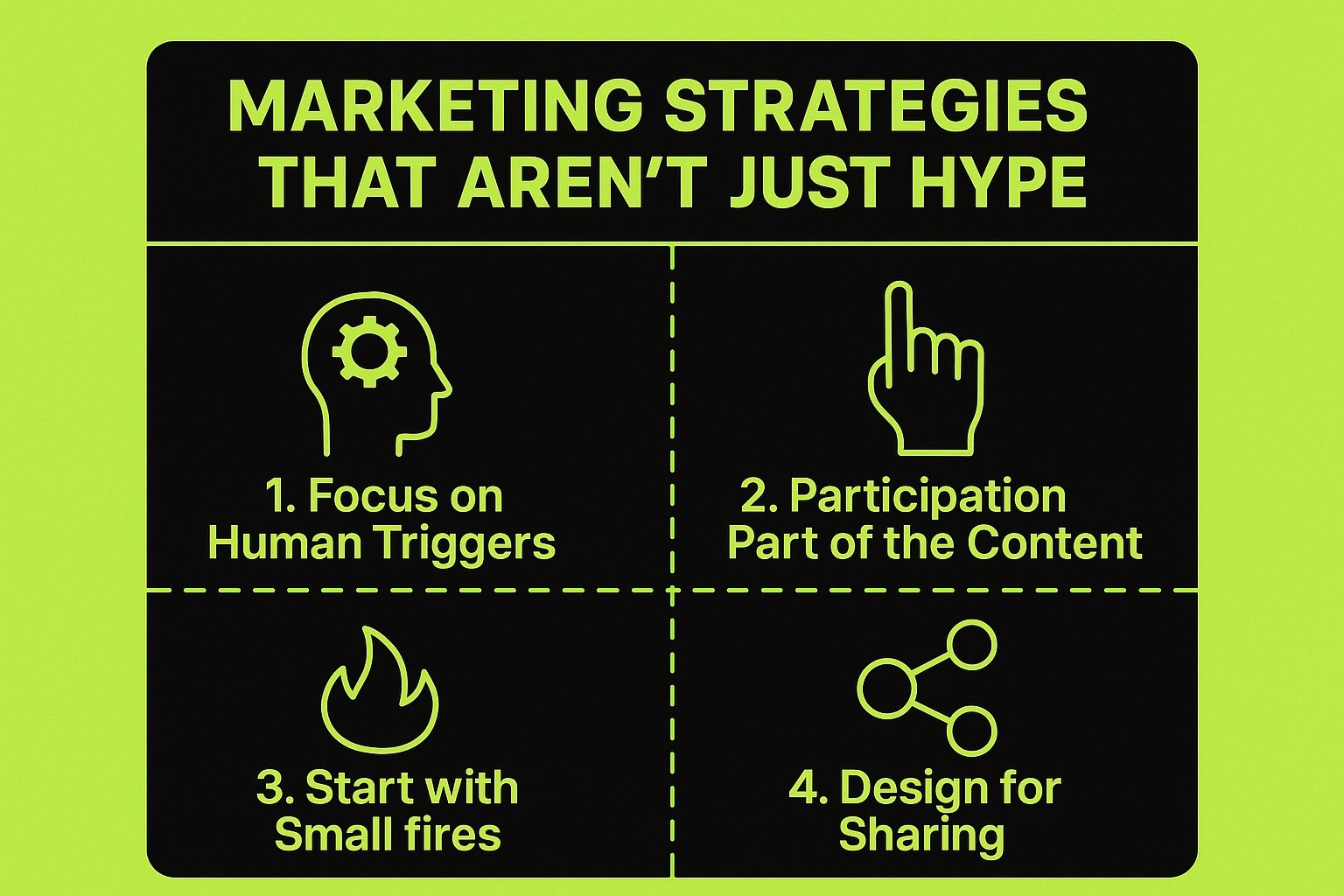
10 Practical Viral Marketing Strategies That Aren’t Just Hype
Each section below covers one of the core tactics that consistently drive viral momentum. Whether you’re a startup trying to break through or an established brand looking to stay relevant, these ideas give you a foundation worth building on.
1. Focus on Human Triggers, Not Just Algorithms
Content doesn’t go viral because it’s perfectly optimized. It goes viral because it hits a nerve. People share things that make them feel something, whether that’s joy, outrage, awe, or a quick laugh that brightens their day. If your content doesn’t spark an emotional reaction, there’s little reason for anyone to pass it on.
Instead of chasing reach through tricks or trends, think about the human response. Would someone send this to a friend with a “you’ve got to see this” message? Does it start a conversation or express something people didn’t know how to say themselves?
Some of the most shareable content is built around:
- Humor that feels familiar and self-aware (not stiff or forced).
- Stories that surprise, uplift, or stick with you after watching.
- Thoughtful takes on cultural or social moments – smart, not preachy.
- That oddly specific kind of weirdness people love showing others (“look at this!”).
If it resonates emotionally, it has a chance. If it doesn’t, even the best SEO tag won’t save it.
2. Make Participation Part of the Content
Passive viewers don’t spread much. If you want to reach, turn your audience into participants. Give them something to do, not just something to watch.
Great viral campaigns often invite:
- Duets, remixes, or reactions (TikTok is built on this).
- Quizzes or filters people want to show off.
- Challenges with low effort but high social currency.
This isn’t just “engagement.” It’s creating a loop that lets your audience add their voice, tag others, and keep it moving.
3. Start with Small Fires, Not a Big Bang
One of the biggest mistakes we see in viral marketing is brands going all-in too early. They drop a massive campaign expecting fireworks, only to watch it fizzle. The truth? Most viral hits don’t start with a bang. They start small, really small. Group chats. Niche Reddit threads. A tight-knit Slack channel. That’s where real traction begins.
Before you try to push content to the masses, test it in places where people are already primed to care. Find your early believers. These are the folks who love the idea, share it without being asked, and give you honest feedback that’s actually useful.
Once you see how something performs in those micro-communities, adjust. Refine the hook. Sharpen the message. And when it clicks with 10 or 20 people who genuinely enjoy it, there’s a decent chance it’ll click with thousands more.
4. Design for Sharing, Not Just Viewing
Even if your video, image, or post is genuinely great – funny, smart, visually sharp – it won’t go anywhere if sharing it feels like a chore. People are quick with their attention and even quicker to move on. If your content doesn’t fit easily into how people already engage, it’s likely to be forgotten, no matter how strong the idea is.
Simple sharing rules:
- Keep videos under 30 seconds unless the story demands more.
- Include easy-to-use share buttons and native formats.
- Use captions so people can watch without sound.
- Pick visuals that tell the story at a glance.
Don’t make people work to spread your content. They won’t.
5. Use Relatable Specifics Instead of Broad Themes
A simple rule in viral marketing: the more specific you get, the more people see themselves in what you’re saying. Broad statements often come across as generic or corporate, the kind of thing you expect from a billboard or a press release. Specifics, on the other hand, feel personal. They sound like something a friend would text you at 7 a.m., half awake and already over the day.
Think about the difference between a slogan like “Empowering women through fitness” and something that paints a real picture, like “The one woman at your 6 a.m. spin class who never breaks a sweat.” One is a concept. The other is a moment you’ve actually lived.
Those small, oddly accurate details create instant recognition. They make people laugh or nod or send it to someone with a “this is so you” message. Specifics build connection, and connection fuels sharing. Moments travel farther than messages.
6. Don’t Skip the Visual Hook
Most people scroll fast. Like, really fast. If your content doesn’t make someone pause mid-scroll, it’s gone in a flash. That first visual hit – the image, thumbnail, or bold frame – is what decides whether they even give you a second of attention. And no, it doesn’t need to be high-budget or studio-perfect. It just needs to stand out.
What works? Stuff that feels unexpected or slightly offbeat often wins. A lama in a business suit? Weird enough to stop and look. A crumbling cookie used to explain website speed? Smart and memorable. Even something as simple as bold, well-placed text that teases an idea can do the job.
If your visuals blend in with everything else on the feed, they’ll get the same treatment – ignored. Be deliberate. Be distinct. Give people a reason to stop, even for half a second. That’s where the click starts.
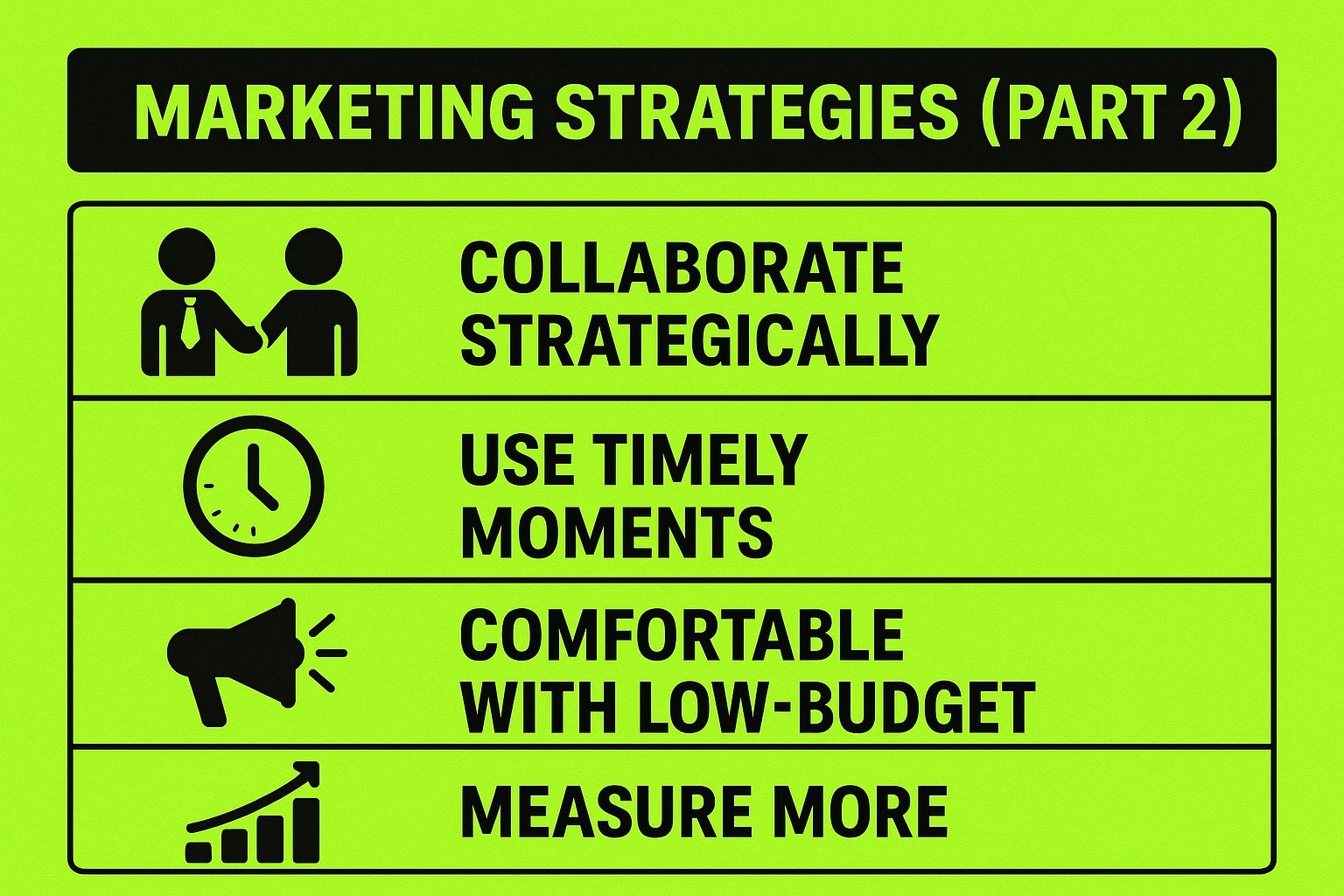
7. Collaborate Strategically, Not Just Broadly
Influencer partnerships can help, but only if they’re chosen wisely. Micro-influencers often drive more engagement than big names, especially when the content feels personal and organic.
Look for:
- Alignment in tone and values.
- Audiences who actually talk to the creator.
- A shared willingness to experiment or play.
The right partner doesn’t just broadcast your message. They reinterpret it in their own way.
8. Use Timely Moments Without Hijacking Trends
Tapping into trending topics can give your content an instant boost, but only if you do it right. Audiences are quick to spot brands that are just riding the wave without adding anything meaningful. Jumping on a meme or viral moment just because it’s hot can backfire if it feels forced, out of touch, or irrelevant to your audience.
Instead, ask: what can we add to this conversation? The best use of trends comes from bringing your own angle or unexpected twist. Maybe it’s a brand POV that ties into your values. Maybe it’s a clever visual riff or a subtle nod that insiders will catch. The point is to be part of the moment, not to recycle it.
Effective timing strategies include:
- Fast, thoughtful responses to news or cultural shifts.
- Playing with meme formats in a way that actually fits your voice.
- Reacting like a person, not a press release.
- Getting creative with pop culture references your audience already connects with
Speed matters, but so does authenticity. If you’re quick and original, that’s when timing works in your favor.
9. Get Comfortable With Low-Budget, High-Impact Production
Some of the best-performing viral content isn’t polished. It’s real. It feels spontaneous. It’s shot on a phone. If your message needs a 10-person production crew to make sense, it might be overdesigned.
That doesn’t mean bad quality. It means being okay with:
- Raw footage.
- Behind-the-scenes moments.
- Candid voiceovers or self-recorded audio.
It builds trust. And it travels faster.
10. Measure More Than Just Views
Getting a million views might look impressive on paper, but views alone won’t tell you if your content actually worked. Virality isn’t just about reach – it’s about what people do after they see your content.
Focusing only on view counts can create a false sense of success. The real insight comes from deeper engagement signals – those moments when someone doesn’t just watch but reacts, responds, or acts.
Here are the metrics that actually matter:
- Shares and saves: Signs that people saw value and wanted to pass it along or revisit it later.
- Comments and tags: Proof that your content sparked real conversation.
- Click-throughs and sign-ups: Concrete steps that lead toward conversion or deeper interest.
- Sentiment: Are people engaging with your content in a way that aligns with your intent, or did it miss the mark?
Without a plan to track these things, you’re just throwing content into the void. Views are easy to inflate – impact is not. Keep your eye on what really moves the needle.
Quick Checklist: Before You Launch
Before hitting publish, run your campaign through this filter:
- Does it trigger emotion or curiosity?
- Is there a reason someone would share this?
- Can people remix, respond, or tag a friend?
- Does it work on mute and mobile?
- Is it clear what you want the viewer to do next?
If you’re forcing it, take a step back. Viral content doesn’t scream for attention, it earns it.
Final Thoughts: Don’t Chase the Algorithm, Understand the Audience
Going viral isn’t a strategy. It’s a possible outcome of getting a lot of other things right: knowing your audience, understanding cultural timing, crafting content that feels personal, and removing friction from the sharing process.
And honestly? Sometimes the thing you least expect to pop off is the one that does. That’s why you test. That’s why you stay curious. That’s why you stop thinking like a brand and start thinking like a person worth listening to.
Build content that people want to share, not because they have to, but because it makes them feel something real.