B2C marketing is fundamentally different from B2B because the decision-making process is shorter, more emotional and often impulsive, and happens across many touchpoints. Success today depends on reaching consumers where they already spend time, delivering relevant messages at the right moment, and creating seamless experiences across channels. The strategies below are built from current industry practices and focus on what consistently delivers results for consumer-facing brands.
Building a Data-Driven Foundation
Every effective B2C strategy starts with a unified customer view. This means connecting data from the website, mobile app, email platform, CRM, point-of-sale system, and advertising accounts into one profile per customer.
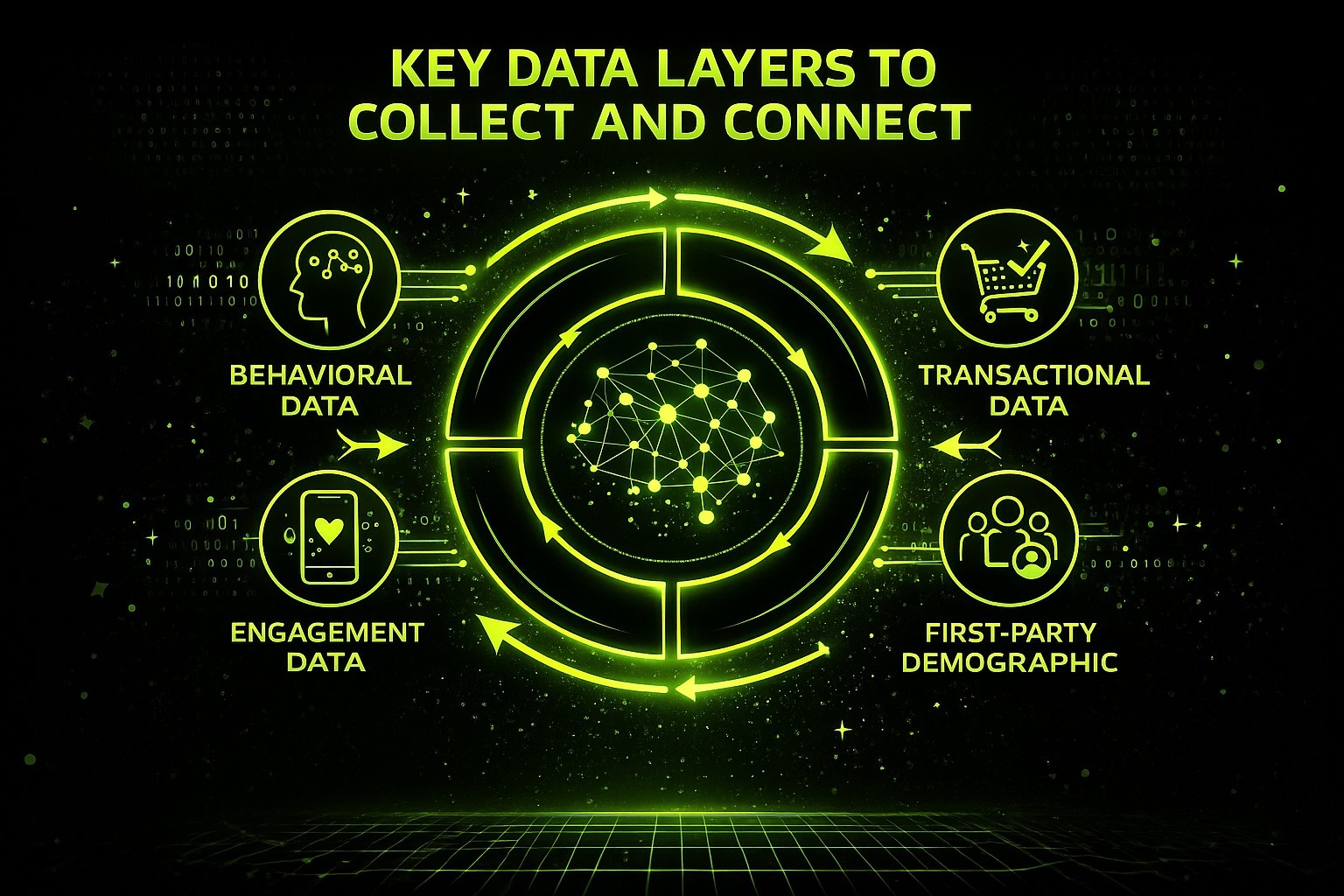
Key data layers to collect and connect
- Behavioral data (pages viewed, products added to wishlist, cart abandonment)
- Transactional data (purchase history, average order value, frequency)
- Zero- and first-party demographic and preference data
- Engagement data across email, SMS, push, and social
When these sources are linked, segmentation becomes accurate and personalization becomes possible at scale.
Implementing B2C Marketing Strategies in Practice: Our Approach at Lengreo
At Lengreo we have spent the last few years helping ecommerce brands, fashion retailers, beauty companies, and consumer tech startups grow through targeted B2C marketing strategies. We know exactly where most teams get stuck: not in planning, but in execution and connecting multiple channels efficiently.
That’s why we focus on providing end-to-end marketing support that covers strategy, campaign management, and performance analysis. Brands can leverage our expertise in email, SMS, paid advertising, and omnichannel campaigns to drive measurable results, from cart abandonment sequences to personalized offers and retention campaigns.
We also emphasize clean, data-driven strategies. Many B2C companies get lost in vanity metrics, so we tie every campaign to actual orders, revenue, and lifetime value. Our team helps optimize campaigns with predictive insights and performance tracking, enabling brands to see measurable improvements in repeat purchases and overall revenue within weeks.
Modern Strategies for Personalized and Interactive Marketing
Personalization has become a core requirement rather than a nice-to-have feature. Customers now expect relevant messages that match their behavior, preferences, and past interactions. The following methods help brands deliver that relevance without feeling intrusive.
1. Audience Segmentation and Behavioral Targeting
Breaking the customer base into meaningful segments remains one of the most effective starting points. Segmentation can use demographic data, browsing patterns, purchase history, or engagement level. A sportswear brand, for example, might create separate campaigns for runners versus gym enthusiasts, adjusting both creative and offers accordingly.
Purchase history offers especially strong signals. Systems that track what someone bought, viewed, or added to cart can trigger automatic recommendations and follow-up messages. Retailers routinely send “complete the look” emails or restock reminders based on these triggers, often with significant uplift in repeat purchases.
2. Dynamic Retargeting and Abandoned-Cart Recovery
When a visitor views specific products but leaves without buying, personalized retargeting keeps the conversation going. Ads and emails that show the exact items left behind, sometimes with a limited-time discount, consistently bring people back to finish the purchase. The key is timing – messages sent within hours or the next day perform far better than generic weekly newsletters.
3. Interactive Content Formats
Static banners and text emails are losing ground to formats that invite participation.
- Quizzes help customers discover products that fit their needs while collecting zero-party data for future targeting.MAE A skincare brand running a short skin-type quiz can immediately recommend matching products and follow up with tailored advice.
- Contests and giveaways tied to user-generated content encourage sharing and expand reach organically. Simple entry mechanics (tag a friend, post a photo, answer a question) work best.
- Surveys placed after purchase or service interaction gather feedback and open the door for personalized offers based on responses.
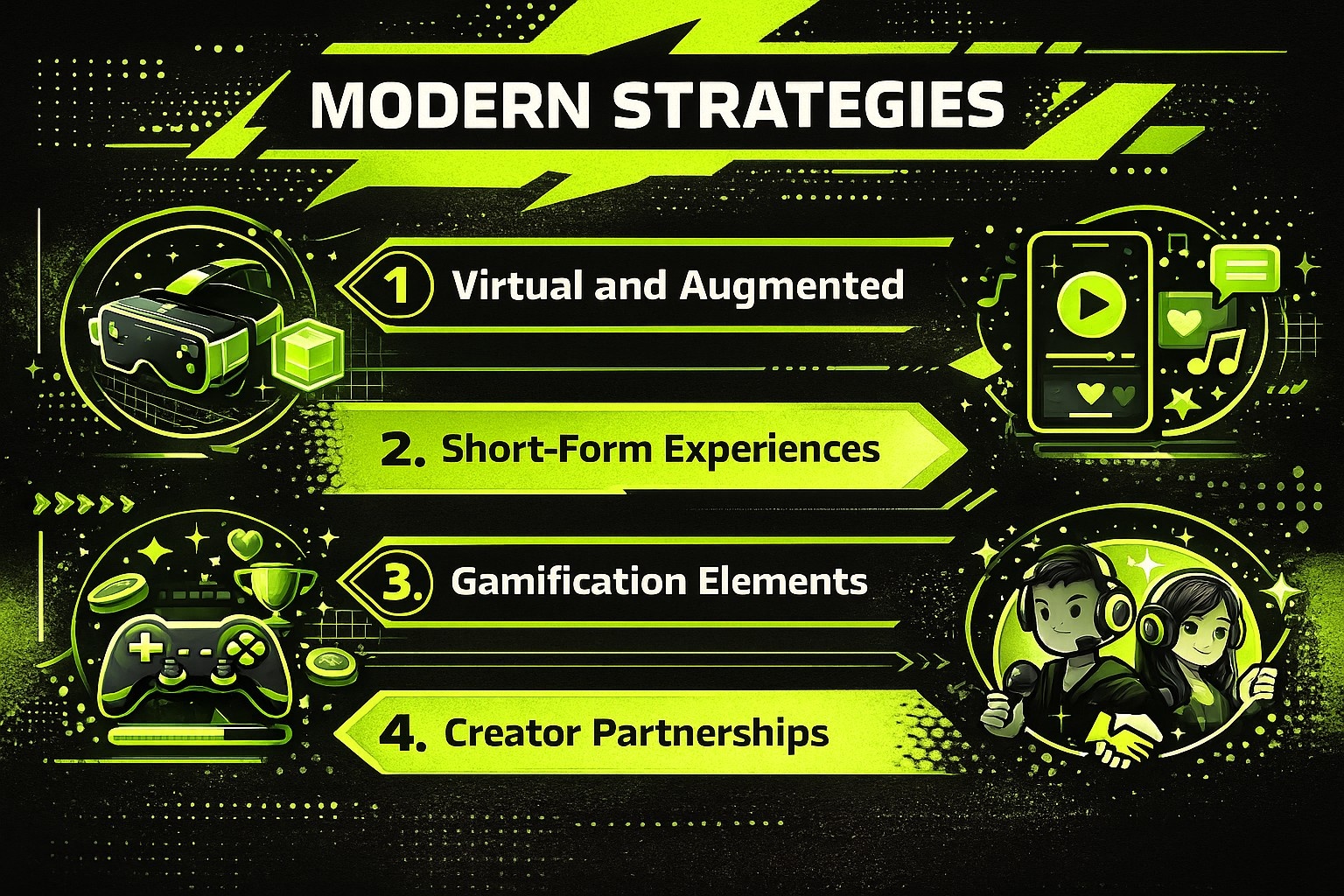
4. Virtual and Augmented Try-On Experiences
AR tools that let customers see how furniture fits in their room, how makeup looks on their face, or how clothes fit their body shape remove major buying friction. These features not only increase confidence but also reduce return rates. Brands that implement try-on technology early often see longer session times and higher conversion rates.
5. Video Content and Short-Form Experiences
Video continues to dominate attention across platforms. Product demonstrations, customer testimonials, unboxing clips, and behind-the-scenes stories perform especially well.
Top-performing video formats for 2026:
- Short vertical videos (15-60 seconds) optimized for TikTok, Reels, and YouTube Shorts
- Authentic customer testimonials and unboxing clips
- Behind-the-scenes and “day in the life” content that humanizes the brand
- Live shopping sessions that combine entertainment with instant checkout
- Educational micro-tutorials showing real product use
Live shopping sessions combine video with immediate purchase options, creating urgency and community feel in one experience.
6. Gamification Elements
Adding point systems, progress bars, achievement badges, or seasonal challenges turns routine interactions into engaging experiences. Loyalty programs that reward actions beyond purchases – reviews, referrals, social shares – keep customers coming back.
7. Influencer and Creator Partnerships
Working with creators who already speak to your target audience delivers authenticity that paid ads struggle to match. Micro and mid-tier influencers often generate higher engagement rates than celebrity partnerships. The most successful collaborations feel like natural extensions of the creator’s usual content rather than obvious advertisements.
8. Social Media as Primary Discovery Channel
Younger demographics especially treat Instagram, TikTok, and Pinterest as search engines. Hashtags, saved posts, and shop tabs drive discovery more than Google for many categories. Brands that optimize profiles and content for social search gain visibility without paying for every click.
9. Search Engine Optimization in a Changing Landscape
SEO remains foundational. Modern approaches focus on genuine usefulness: detailed product comparisons, honest reviews, answer-style content that matches voice queries, and fast-loading pages with clear structure.
Repurposing top-performing content into new formats – turning a blog post into a video script or infographic – extends its lifespan. Regular technical audits ensure mobile experience, page speed, and core web vitals stay competitive.
The common thread across all these methods is respect for customer attention. When personalization feels helpful rather than pushy, when interactive elements add real value, and when content earns its place in someone’s feed, marketing stops feeling like marketing and starts feeling like a natural part of the customer journey.
Conclusion
The most successful B2C marketing strategies share three characteristics: they are data-connected, customer-centric, and executed consistently across channels. Start by unifying customer data and building the basic automated lifecycle flows, then layer on content, social, paid media, and local optimization. Measure everything, iterate quickly, and focus more budget to the channels and tactics that drive measurable revenue and customer lifetime value. When executed well, these strategies compound over time and create competitive advantages that are difficult to copy.