Quick Summary: An SEO writer is a specialized content creator who produces optimized content designed to rank higher in search engine results. They combine writing skills with technical SEO knowledge—including keyword research, search intent analysis, and on-page optimization—to create content that both users and search engines value. According to Search Engine Land, organic search delivers 53% of all website traffic. More than 8.5 billion searches happen every day on Google, and Google owns 91% of the global search engine market, making SEO writers crucial for digital visibility and business growth.
The digital landscape has fundamentally changed how content gets discovered. Gone are the days when writing great content alone guaranteed an audience. Today, even the most insightful article remains invisible without proper optimization for search engines.
This is where SEO writers come in. These professionals bridge the gap between quality content creation and technical optimization, ensuring that valuable information reaches the people searching for it. But what exactly does an SEO writer do, and how is this role different from traditional content writing?
Let’s break down everything about this increasingly important role in digital marketing.
What Is an SEO Writer?
An SEO writer creates content specifically designed to rank well in search engine results pages (SERPs). These professionals write blog posts, articles, website pages, product descriptions, and other online content with a dual focus: making it valuable for human readers while optimizing it for search engine algorithms.
The role requires a unique blend of creative writing ability and analytical thinking. SEO writers must understand how search engines like Google evaluate and rank content, then apply that knowledge without compromising readability or user experience.
According to Search Engine Land, organic search delivers 53% of all website traffic. This statistic underscores why businesses invest heavily in SEO content—and why skilled SEO writers are in high demand.
The Core Purpose
The primary goal of an SEO writer is improving a website’s visibility in search results. When someone searches for information on Google, the content that appears on the first page has been carefully optimized to match that query. SEO writers are the professionals who make that happen.
But here’s the thing—it’s not just about stuffing keywords into paragraphs. Modern SEO writing requires understanding user intent, creating genuinely helpful content, and following Google’s guidelines for quality. The search engine’s systems are designed to prioritize helpful, reliable content created for people, not content created solely to manipulate rankings.
Work With SEO Content Experts
An SEO writer creates content that is optimized for search engines and aligned with user intent, but real results come from combining writing with strategy.
LENGREO provides content teams that work within a structured SEO framework, ensuring every piece supports rankings and conversions.
- SEO driven content creation
- content aligned with search intent
- optimization for traffic and leads
If you want content that performs and converts, contact LENGREO to get started.
What Does an SEO Writer Actually Do?
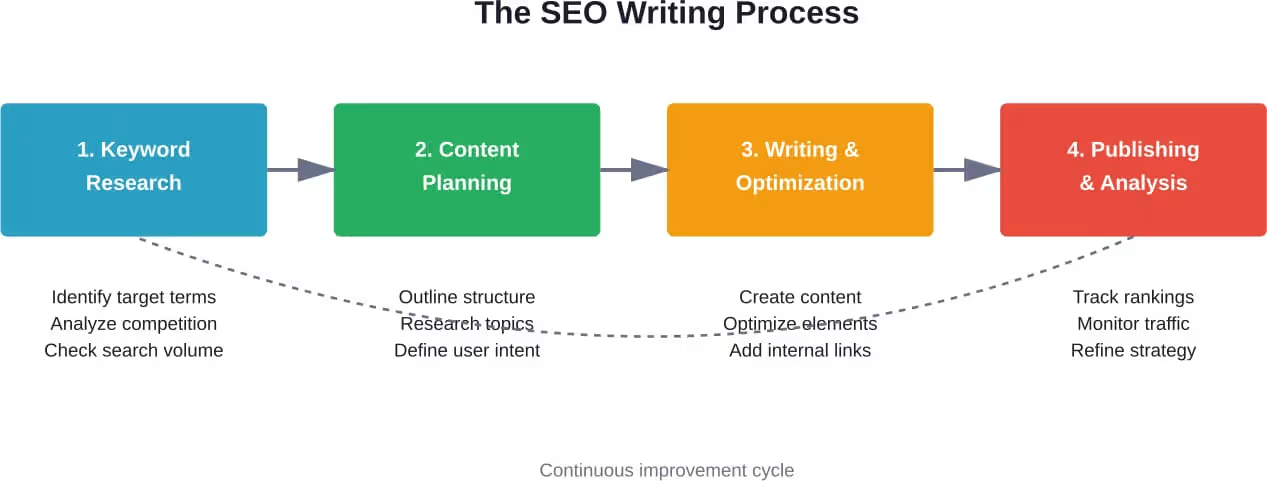
The day-to-day responsibilities of an SEO writer extend far beyond simply writing articles. The role involves several distinct phases and skill sets.
Keyword Research and Planning
Before writing a single word, SEO writers conduct thorough keyword research. This involves identifying what terms and phrases people actually type into search engines when looking for information related to the topic.
This research reveals not just which keywords to target, but also the search volume, competition level, and user intent behind each query. An effective SEO writer knows how to balance high-volume competitive terms with more specific long-tail keywords that may be easier to rank for.
Content Creation With Optimization
Once the research is complete, the writing begins. SEO writers craft content that naturally incorporates target keywords while maintaining readability and flow. They structure articles with clear headings and subheadings, making content easy for both readers and search engine crawlers to navigate.
Key elements include:
- Writing compelling title tags and meta descriptions
- Using header tags (H1, H2, H3) strategically
- Incorporating keywords in the right way without over-optimization
- Creating content that genuinely answers user queries
- Writing clear, scannable paragraphs
Technical SEO Elements
Beyond the written content itself, SEO writers handle various technical optimization tasks. They write alt text for images, create internal linking structures, and ensure URLs are clean and descriptive. They understand how these technical elements contribute to overall search performance.
Performance Analysis
After content goes live, SEO writers often monitor its performance. Which pieces are ranking? Which keywords are driving traffic? This data informs future content strategy and helps identify opportunities for optimization or updates.
SEO Writing vs. Content Writing: What’s the Difference?
Many people use the terms “SEO writing” and “content writing” interchangeably, but they’re not quite the same thing. Understanding the distinction helps clarify what makes an SEO writer unique.
| Aspect | SEO Writing | Content Writing |
|---|---|---|
| Primary Focus | Improving search engine rankings and organic visibility | Creating engaging and informative content for the audience |
| Keywords | Strategic incorporation of researched keywords and phrases | Not as focused on keyword optimization |
| Structure | Optimized headers, meta tags, and technical elements | Flexible structure based on content needs |
| Success Metrics | Rankings, organic traffic, click-through rates | Engagement, readability, audience response |
| Research Required | Keyword research, SERP analysis, competitor analysis | Topic research, audience understanding |
Traditional content writers focus primarily on storytelling, engagement, and delivering information in compelling ways. They might write for magazines, marketing materials, or brand narratives where search rankings aren’t the primary concern.
SEO writers, on the other hand, must balance all those creative elements with technical optimization requirements. Every piece they create is built with search visibility in mind from the very beginning.
That said, the lines are blurring. As search engines get better at understanding quality content, the best SEO writing looks a lot like great content writing—it’s just strategically optimized.
Essential Skills for SEO Writers
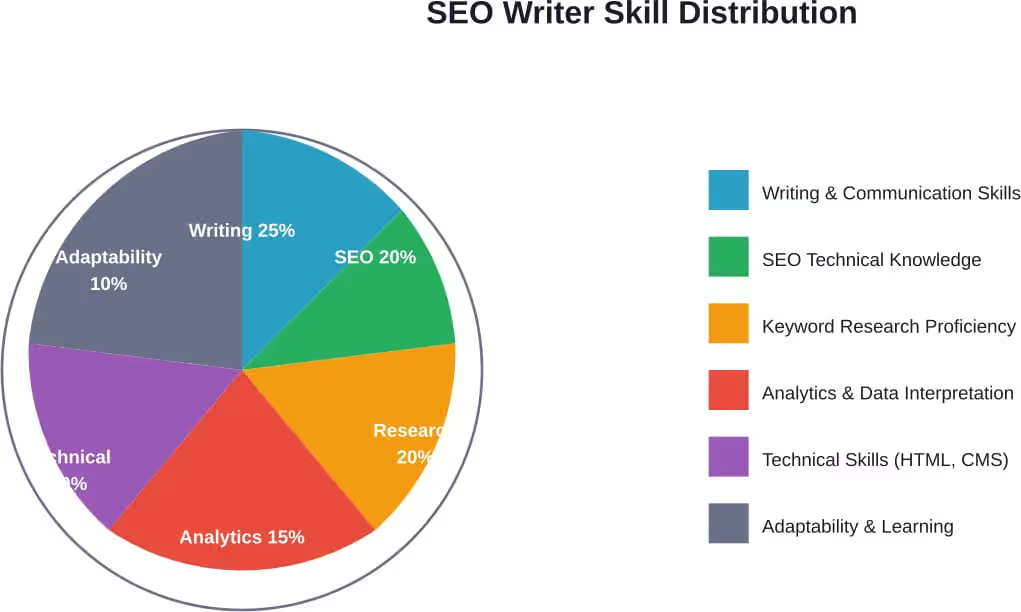
Becoming a successful SEO writer requires developing a diverse skill set that spans both creative and analytical domains.
Writing and Communication
Strong writing fundamentals remain the foundation. SEO writers must produce clear, grammatically correct content that flows naturally. They need to explain complex topics in accessible language and adapt their tone to different audiences and industries.
SEO Knowledge
Technical SEO understanding is non-negotiable. This includes knowing how search engines crawl and index content, understanding ranking factors, and staying current with algorithm updates. SEO writers should be familiar with concepts like search intent, E-E-A-T (Experience, Expertise, Authoritativeness, Trustworthiness), and on-page optimization techniques.
Keyword Research Proficiency
Knowing how to identify and evaluate keywords is crucial. SEO writers use tools to discover what people are searching for, assess keyword difficulty, and find content opportunities. This skill directly impacts whether content will have a chance to rank.
Analytical Thinking
Data interpretation helps SEO writers make informed decisions. They analyze search trends, review performance metrics, and adjust strategies based on what the numbers reveal. Understanding conversion rates and traffic patterns helps demonstrate the value of SEO efforts—such as calculating how much additional revenue could result from a 1% traffic increase or 0.5% conversion rate improvement.
HTML Basics
While SEO writers aren’t developers, understanding basic HTML helps them optimize content more effectively. Knowing how to structure headers, add alt text, create proper links, and format content in content management systems is valuable.
Adaptability
Search engine algorithms change constantly. Google’s guidelines emphasize helpful, reliable, people-first content—but what that means in practice evolves. Successful SEO writers stay informed about industry changes and adapt their approach accordingly.
How to Become an SEO Writer
Breaking into SEO writing doesn’t require a specific degree or certification, but it does require deliberate skill development and practical experience.
Start With the Fundamentals
Begin by mastering writing basics. Strong grammar, clear communication, and the ability to research and organize information are prerequisites. If writing doesn’t come naturally, consider taking writing courses or practicing regularly.
Learn SEO Principles
Educate yourself on how search engines work and what factors influence rankings. Google’s Search Engine Optimization Starter Guide provides official guidance on SEO fundamentals. Authoritative sources like Moz and Search Engine Land offer extensive free resources on SEO concepts.
According to Moz, allocating at least 15 minutes a day to learn something new is crucial for upskilling in SEO. This could include reading industry blogs, watching tutorials, or discussing challenges with other professionals.
Practice on Your Own Content
The best way to learn SEO writing is by doing it. Start a blog on a topic that interests you. Apply SEO principles to your own content, experiment with different approaches, and monitor the results. Practicing on your own site provides a space to fail, succeed, and learn before working on client projects.
Use SEO Tools
Familiarize yourself with common SEO tools. Many offer free versions or trials. Learn how to conduct keyword research, analyze competitors, and track rankings. Understanding these tools demonstrates practical capability to potential employers or clients.
Build a Portfolio
Create samples that showcase both writing quality and SEO knowledge. Write several articles on different topics, optimize them properly, and compile them into a portfolio. If possible, include examples where your content achieved measurable results—rankings, traffic growth, or engagement metrics.
Consider the Work Environment
SEO writers work in various settings: agencies, in-house positions, or as freelancers. Each has advantages. Agency work exposes writers to diverse clients and industries. In-house positions allow deeper specialization. Freelancing offers flexibility but requires self-management and client acquisition skills.
Network and Stay Current
Join SEO communities, attend webinars, and follow industry experts. The field changes rapidly, and staying connected helps writers learn about updates, best practices, and job opportunities. Community discussions often surface practical insights that formal documentation doesn’t cover.
The Career Outlook
The demand for skilled SEO writers continues to grow as businesses recognize the importance of organic search visibility. With Google owning 91% of the global search engine market and organic search delivering the majority of website traffic, companies across industries need professionals who can create content that ranks.
The Bureau of Labor Statistics doesn’t track SEO writers specifically, but related fields show strong growth. Content marketing strategists and similar roles have favorable outlooks as digital marketing becomes increasingly central to business strategy.
Compensation varies based on experience, location, and work arrangement. Entry-level writers may start at lower rates while building expertise, but experienced SEO writers with proven results command higher compensation. Specialization in particular industries or advanced technical SEO knowledge can increase earning potential.
Common Challenges SEO Writers Face
Like any profession, SEO writing comes with challenges. Understanding these helps aspiring writers prepare and develop strategies to overcome them.
Balancing Optimization and Readability
The constant tension between SEO requirements and natural writing flow challenges many writers. Over-optimization makes content robotic and unpleasant to read. Under-optimization means content won’t rank. Finding the right balance takes practice and refinement.
Keeping Up With Algorithm Changes
Search engine algorithms evolve constantly. What worked last year might not work today. SEO writers must stay informed about updates and adjust their approach accordingly. Google’s emphasis on helpful, people-first content represents a shift from earlier, more technical optimization approaches.
Measuring Success
SEO results don’t appear overnight. Content can take weeks or months to rank, making it difficult to assess whether strategies are working. Writers need patience and an understanding of realistic timelines for SEO success.
Dealing With Content Commodification
Some businesses view SEO content as a commodity, focusing on cost per word rather than quality and results. This can lead to unrealistic expectations about pricing and turnaround times. Successful SEO writers learn to communicate their value beyond simple word count.
Best Practices for SEO Writing in 2026
Current best practices reflect Google’s evolving priorities and user expectations.
Prioritize User Intent
Understanding why someone searches for a particular term matters more than the keyword itself. Are they looking for information, trying to make a purchase, or seeking a specific website? Content should match the intent behind the search.
Create Comprehensive, Helpful Content
Google’s guidelines emphasize helpful, reliable content that demonstrates experience and expertise. Surface-level articles that barely address the topic won’t perform well. Depth, accuracy, and genuine usefulness matter.
Optimize Technical Elements
Don’t neglect the technical side. Title tags, meta descriptions, header structure, and internal linking all contribute to SEO performance. These elements help search engines understand content and influence click-through rates from search results.
Focus on E-E-A-T
Google evaluates content based on Experience, Expertise, Authoritativeness, and Trustworthiness. Writers should demonstrate knowledge of their subject, cite credible sources, and provide accurate information. This is particularly important for topics that could impact health, finances, or safety.
Write Naturally
Keyword stuffing and awkward phrasing to hit specific keyword counts hurt more than they help. Modern search algorithms understand context and synonyms. Writing naturally for human readers while incorporating relevant terms strategically produces better results than forced optimization.
The Bottom Line
SEO writers occupy a unique space in digital marketing, combining creative writing skills with technical optimization knowledge. They create content that serves dual purposes: providing genuine value to readers while meeting the criteria that help search engines surface that content to people searching for it.
The role requires continuous learning, analytical thinking, and adaptability. Search algorithms change, user behaviors evolve, and best practices shift. Successful SEO writers stay curious, embrace experimentation, and remain committed to creating truly helpful content rather than gaming systems.
For those willing to develop both the creative and technical aspects of the craft, SEO writing offers a viable career path with strong demand across industries. The combination of strategic thinking and writing ability makes SEO writers valuable contributors to any organization’s digital presence.
Ready to start your journey as an SEO writer? Begin by learning the fundamentals, practicing on your own projects, and staying engaged with the SEO community. The field rewards those who balance quality content creation with smart optimization—and who never stop learning.