


The term “LSI keyword” gets thrown around a lot in SEO circles. It shows up in blog posts, YouTube tutorials, even in tools that promise to boost your rankings overnight. But here’s the thing: LSI isn’t what most people think it is. In fact, it hasn’t really been a part of how Google works for years, if ever.
So what’s the deal? What does LSI even mean? Is it just another buzzword, or is there still something useful behind it?
Let’s break it down in a way that makes sense, clears up the confusion, and gives you something practical to work with. No fluff. No hype. Just clarity.
What LSI Really Means And Why the Term Won’t Die
Let’s start with the basics. LSI stands for Latent Semantic Indexing. It’s an old-school computer science technique from the 1980s that was created to improve information retrieval by finding relationships between words. Think of it as a way for a machine to connect the dots between related terms without relying on exact matches.
Here’s the kicker: LSI was never built for the internet. It was designed to process small sets of static documents, not the constantly growing, dynamic mess that is the modern web.
So why are SEOs still talking about LSI keywords in 2026?
Mostly because the term got hijacked. Over time, “LSI keyword” has come to mean “any word that’s closely related to your main keyword.” It’s shorthand for semantically related terms, and it’s become part of the SEO vocabulary even though it’s technically inaccurate.
You’ll see it in tools. You’ll hear it in webinars. But as Google’s John Mueller put it bluntly back in 2019: “There’s no such thing as LSI keywords.”
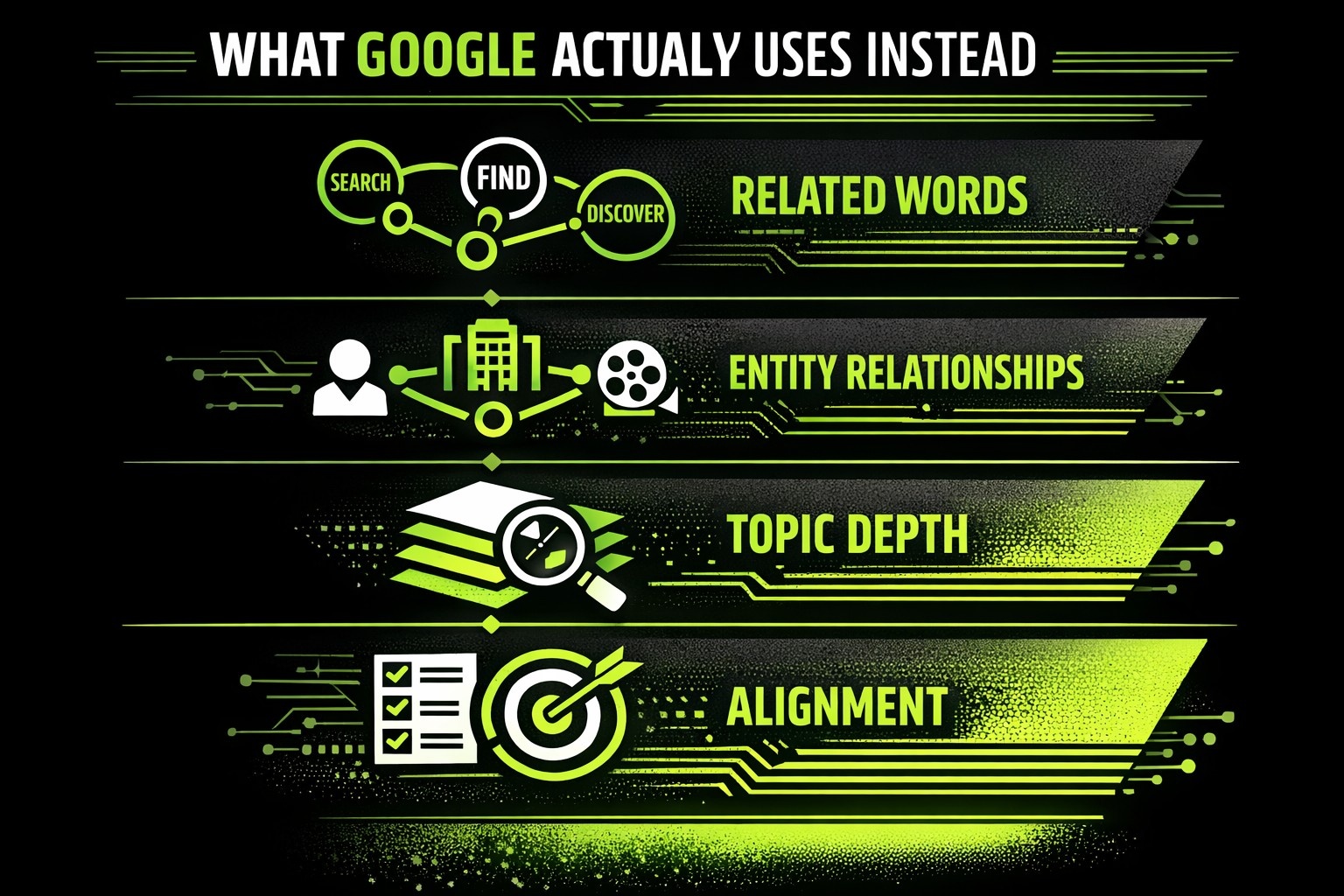
What Google Actually Uses Instead
While Google doesn’t use LSI, that doesn’t mean it ignores related terms. Quite the opposite.
Google’s algorithm has come a long way from the days of keyword stuffing and exact-match obsession. Today, the focus is on understanding meaning and intent. That’s where concepts like semantic relevance, word vectors, and machine learning models like RankBrain come into play.
Rather than scanning for one keyword repeated ten times, Google now looks at the full context of a page. It tries to figure out: what is this page really about?
It checks for:
- Related words and phrases.
- Entity relationships (think people, companies, products).
- Topic depth and comprehensiveness.
- Alignment with user intent.
This is why pages that don’t even include the exact keyword can still outrank those that do. If the content satisfies what the user is looking for and includes naturally relevant language, Google gets it.
So while LSI is out, semantic understanding is very much in.
How We Help Clients Use Relevance the Right Way
At Lengreo, we work with ambitious businesses that don’t just want traffic, but real growth. When it comes to SEO, we don’t chase outdated tactics or overloaded keyword lists. Instead, we focus on building relevance with intent-first content strategies. That means aligning search behavior with business goals, choosing the right topics, and structuring content to reflect how your audience actually talks and thinks.
We’ve seen again and again that the difference between a page that performs and one that flops often comes down to one thing: clarity of message. That’s why we guide our clients to use semantically related terms in a natural, purposeful way. Whether we’re mapping out pillar pages for a SaaS company or rewriting landing pages for a biotech startup, we’re not counting keyword density. We’re shaping content that actually communicates.
It’s not about checking SEO boxes. It’s about helping search engines (and users) understand your story. When your content speaks the same language as your customers, rankings follow. That’s how we’ve helped clients reduce their lead costs, grow conversion rates, and close deals faster. And yes, it starts with understanding what’s real and what’s just SEO folklore.
Why the Idea of “LSI Keywords” Still Has Value (Sort Of)
Now that we’ve cleared up the myth, here’s where things get practical.
Even though “LSI keywords” aren’t real in the way most people think, the concept behind them is still useful. Including words and phrases that are relevant to your main topic can help both Google and your readers understand what your content is really about.
Think of it this way: if you’re writing about “cold brew coffee,” you might naturally mention terms like:
- “grind size”
- “ice”
- “brewing time”
- “mason jar”
- “caffeine content”
These aren’t synonyms. They’re not all in the title. But they make the page feel complete, trustworthy, and easy for Google to classify.
The same applies to content on almost any topic. A solid article includes more than just one phrase repeated endlessly. It brings in related terms that reflect real-life conversations and questions around the subject.
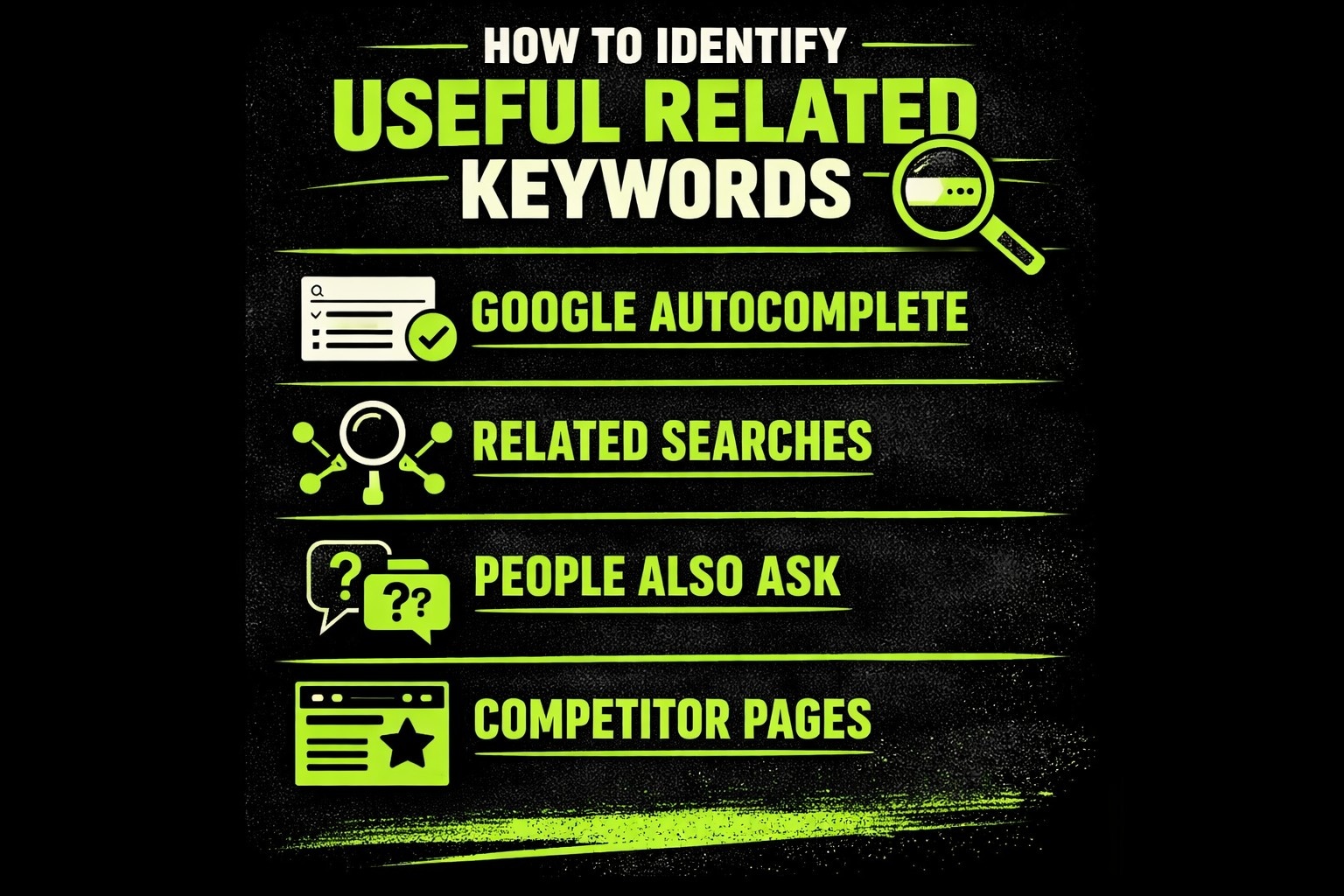
How to Identify Useful Related Keywords Without Chasing LSI Tools
There are a dozen tools that claim to give you “LSI keywords,” but let’s be honest: most of them just show common related terms. You don’t need to overthink it. You can get most of what you need using free tools and common sense.
Here are a few practical ways to find useful, semantically relevant keywords:
1. Google Autocomplete
Start typing your main keyword and see what suggestions pop up. These are real search terms based on what people type every day. If you’re writing about “email marketing,” Google might suggest: “email marketing strategy”, “email marketing tools”, or “email marketing for small business”.
2. Related Searches
Scroll to the bottom of the search results and take a look at the “Searches related to…” section. It’s a handy snapshot of what else people are searching for around your topic. These longer, related phrases can help you spot useful variations or subtopics to naturally include in your content without forcing it.
3. People Also Ask
This section is pure gold because it shows you how real people phrase their questions, not how tools guess they might. You’ll often spot follow-up questions, concerns, or angles you didn’t originally plan to cover. Using these questions as inspiration helps you expand your content in a way that feels natural, useful, and closely aligned with actual search intent.
4. Competitor Pages
Check the top 3 ranking pages for your keyword. Don’t just skim through them. Read closely and pay attention to the sections they’ve prioritized, how they structure their content, and the kinds of related terms they naturally include. If all three are hitting an angle you’ve missed, or using phrases that you haven’t touched on, that’s not a coincidence. It’s a signal that those elements are likely helping them rank.
Where to Use Related Terms in Your Content
You don’t need a formula, but it helps to place related keywords in a few key areas:
- Headings (H2s, H3s) where appropriate.
- Image alt tags for descriptive purposes.
- Intro and conclusion for summary context.
- Anchor text if you’re linking to internal or external pages.
- Body copy, especially where examples or subtopics are discussed.
Don’t overdo it. A couple of good mentions is enough. You’re not trying to trick an algorithm. You’re just giving it a clear picture of what your page is about.
Common Mistakes to Avoid
Just because “LSI keywords” aren’t real doesn’t mean SEOs don’t mess up when using related terms. Here’s what to watch out for:
- Keyword stuffing with synonyms: Using five versions of the same word doesn’t make your content better.
- Relying on junk tools: If the keyword list looks like it was scraped from a random thesaurus, skip it.
- Ignoring user intent: Just because a term is related doesn’t mean your audience cares about it. Focus on what actually helps your reader.
- Writing for Google, not people: If your content reads like it was built from a spreadsheet, it probably won’t rank or convert.
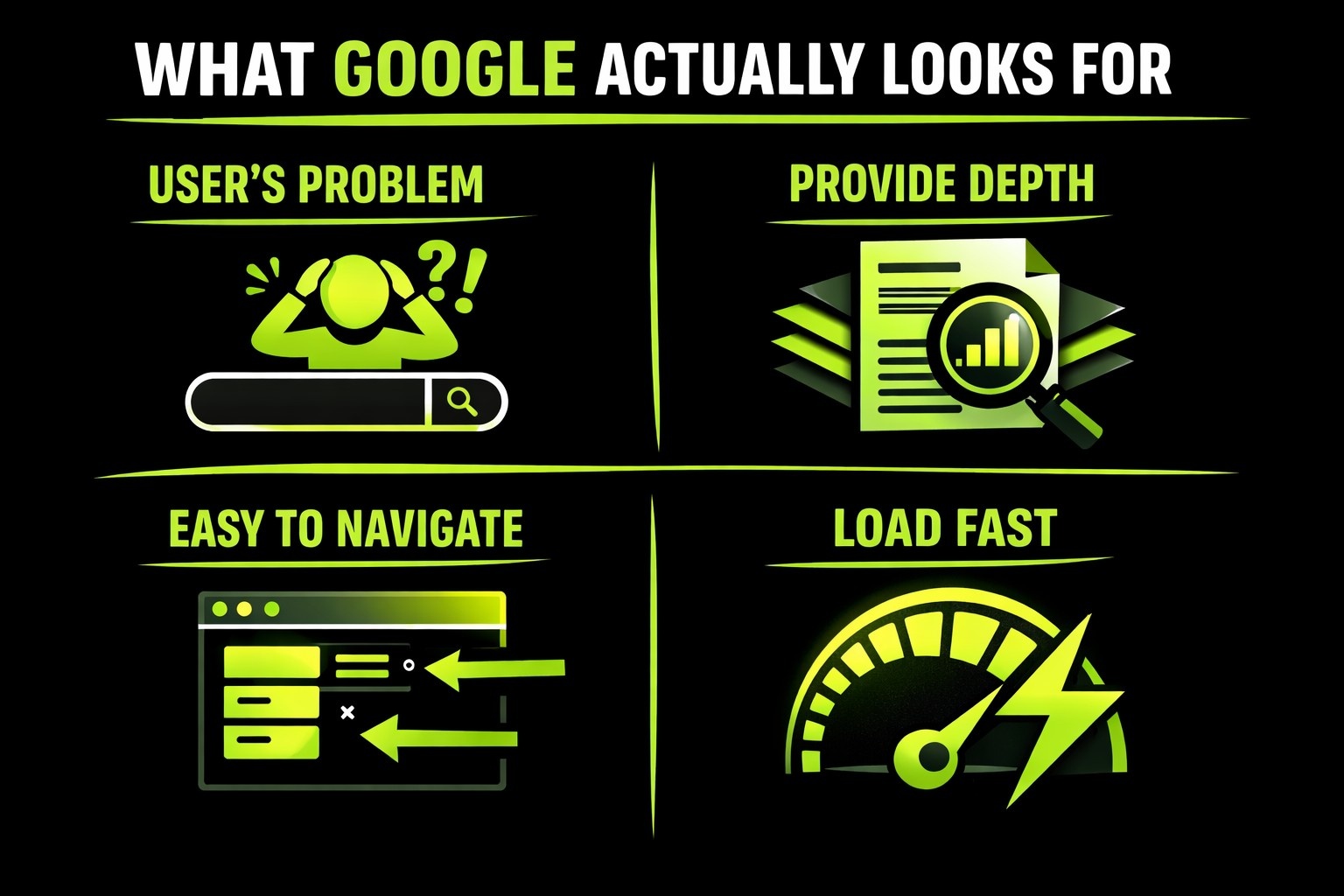
What Google Actually Looks For (Beyond the Keyword)
Let’s not forget that keyword relevance is just one part of SEO. Even perfect keyword use won’t save content that’s thin, boring, or off-base.
Google rewards pages that:
- Solve the user’s problem.
- Provide depth, not just definitions.
- Are easy to navigate and read.
- Load fast and work on mobile.
- Get linked to and talked about elsewhere.
So yes, include related terms. But your real focus should be making the best possible page on the topic. That’s what wins today.
A Quick Reality Check
Let’s say it one more time: LSI keywords are not a real thing Google uses. But using semantically related terms in your content absolutely helps.
The SEO world loves acronyms and jargon. But in this case, you don’t need a technical label. You just need to write with context, clarity, and completeness.
Treat it like this. Write like you’re answering every follow-up question your reader might have. Use natural language that reflects how people talk about the topic. Keep an eye on what Google surfaces in autocomplete, related searches, and top results.
If you do that, you’re covering the same ground that all those “LSI keyword” tools are trying to automate.
Final Thoughts
If you’re still wondering whether LSI keywords matter for SEO, the short version is no – not as an actual ranking factor. But the idea behind them still holds value. Google doesn’t use LSI, so there’s no need to chase the term or base your strategy around it. What you should focus on instead is using naturally related, relevant language in your writing. Forget about keyword density charts and outdated formulas. Just aim to create content that fully covers a topic, reflects how people actually speak, and helps search engines understand your message. LSI may be a term from the past, but writing with clarity and context is more relevant than ever.