

Quick Summary: Website development for YouTubers extends a creator’s brand beyond the platform’s limitations, offering full ownership, diversified revenue streams, and direct audience relationships. A dedicated website serves as a central hub for merch, sponsorships, email lists, and evergreen content while protecting against algorithm changes and platform dependency.
YouTube is powerful. That part’s undeniable.
But YouTube alone? Not enough for creators who want long-term growth and brand control. The platform owns the algorithm, the monetization rules, and ultimately the relationship with viewers.
Here’s the thing though—every successful creator eventually hits the same ceiling. Algorithm shifts wipe out revenue overnight. Sponsorship deals require media kits and brand assets YouTube can’t host. Merchandise sales funnel through third-party platforms that eat margins.
Website development solves these problems. It creates a owned digital space where creators control everything from design to data collection. And the smartest YouTubers already know this.
Why YouTubers Need Their Own Website
Community discussions consistently highlight one core truth: platform dependency is risky. Reddit threads show creators losing channels to strikes, demonetization, or sudden policy changes.
A website acts as insurance. When YouTube changes the rules—and it will—creators with standalone sites maintain direct audience access through email lists and RSS feeds.
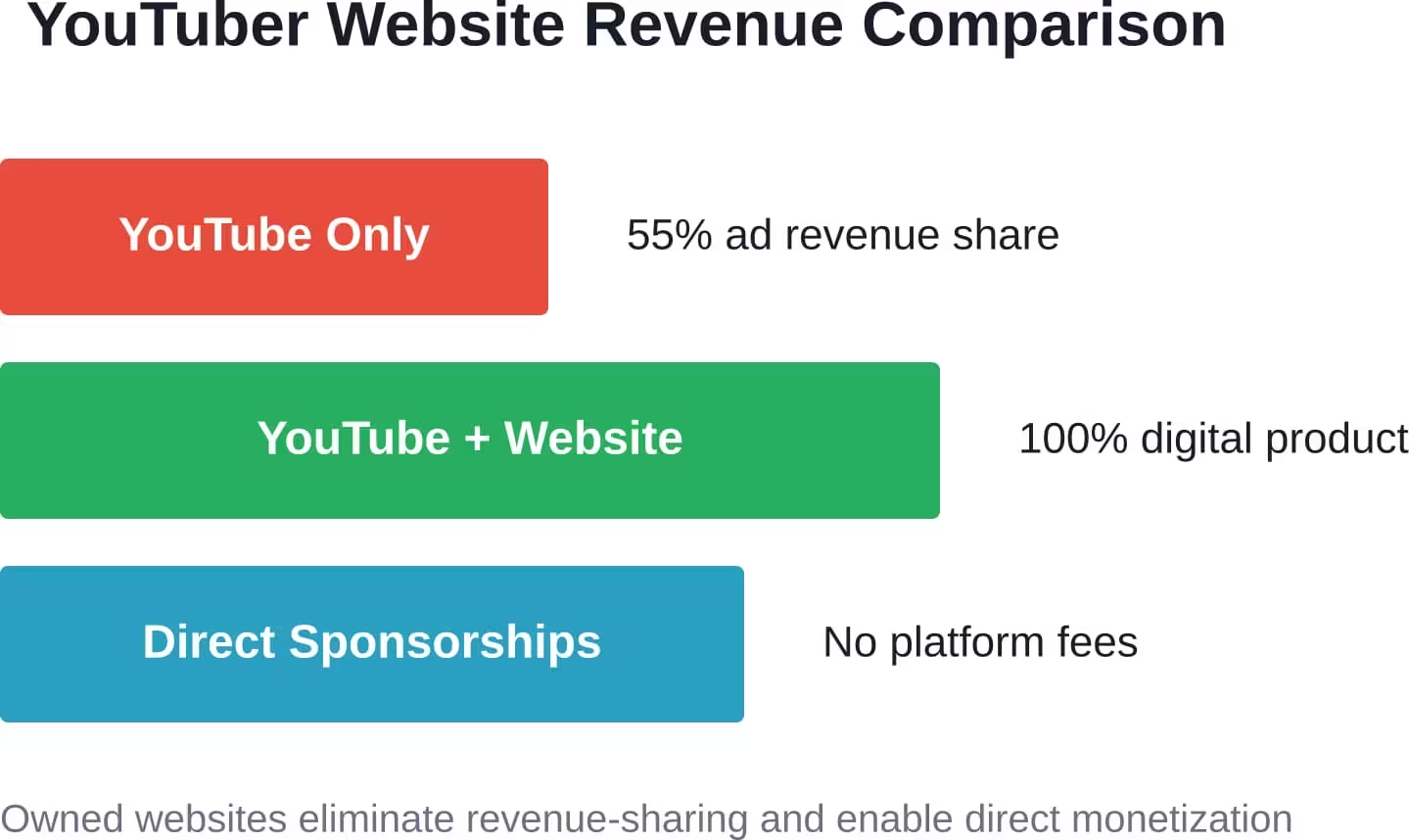
The business case is straightforward. YouTube takes a cut of ad revenue and memberships. Website monetization keeps 100% of proceeds from digital products, courses, and direct sponsorships. For creators earning serious income, that difference compounds fast.
Brand control matters just as much. YouTube’s interface looks identical for every channel. A custom website expresses personality through design, layout, and user experience. It’s the difference between renting and owning.
Diversified Revenue Streams
Modern YouTuber websites enable income sources impossible on the platform itself. Digital downloads, premium memberships, consulting bookings, and exclusive content all require infrastructure YouTube doesn’t provide.
Merchandise integration works better too. Instead of linking to external storefronts, websites embed shopping experiences directly into the brand environment. Conversion rates improve when the shopping experience matches the content aesthetic.
Sponsorship management becomes professional. Brands looking for influencer partnerships want media kits, case studies, and partnership packages. A dedicated site houses all these materials in one searchable, shareable location.
Build a Website for Your YouTube Brand With Lengreo
Lengreo builds and improves websites, then connects them with SEO, paid ads, tracking, and lead generation. For YouTubers, this means a website that presents videos, channels, services, sponsorship options, merch, newsletters, and contact paths clearly.
The focus is to give viewers, brands, and partners a simple place to learn more beyond the channel itself. Lengreo can help structure key pages, improve traffic setup, and make collaboration or audience sign-up paths easier to use.
Need a Website That Supports Your Channel?
Lengreo can help with:
- building or redesigning your website
- improving SEO and paid traffic setup
- setting up tracking and website structure
- refining video, sponsor, and contact pages
👉 Contact Lengreo to discuss your website and setup.
Legal Compliance and Disclosure Requirements
Real talk: the FTC doesn’t mess around with influencer disclosures. According to Federal Trade Commission guidance, creators must disclose material connections with brands—even for items as small as a $1 coupon or sweepstakes entry.
Website development plays a crucial role here. Dedicated disclosure pages, partnership transparency sections, and affiliate link notices demonstrate good-faith compliance. The FTC’s Endorsement Guides, revised in 2023, make clear that disclosure requirements apply across all formats and platforms.
According to the updated FTC Guidance of 2025, any material connection, regardless of monetary value (including de minimis items under $1), must be disclosed with a standardized ‘Paid Partnership’ or ‘Commission Earned’ overlay visible throughout the content duration.
Websites make compliance easier. Footer disclaimers, dedicated legal pages, and clear affiliate notices protect creators from regulatory issues while building audience trust. When viewers understand the business model, they’re more forgiving of sponsored content.
Choosing the Right Development Approach
The build-versus-buy decision depends on technical skill, budget, and timeline. Three primary paths exist: website builders, custom development, and freelance hiring.
Website builders like those mentioned in creator communities offer speed and simplicity. Drag-and-drop interfaces generate functional sites in hours, not weeks. The tradeoff is limited customization and monthly subscription costs.
Custom development provides total control. Developers can build exactly what the brand needs, from custom video players to advanced analytics integrations. This route costs more upfront but scales better for creators with complex requirements.
Freelance platforms present a middle ground. Hiring specialists for design, development, and ongoing maintenance delivers professional results without full-time overhead. Community discussions frequently recommend this approach for channels earning consistent revenue.
Essential Website Features for Content Creators
Every YouTuber website needs certain core functions. Video embedding obviously tops the list—visitors expect to watch content without leaving the site. Optimized players that load quickly and display properly on mobile devices are non-negotiable.
Email capture comes second. Building an owned email list protects against platform changes. Newsletter signups, content upgrades, and exclusive offers incentivize subscriptions.
Merchandise integration matters for monetization. Clean product galleries, smooth checkout flows, and branded packaging photos convert browsers into buyers. Linking to external stores works, but embedded shopping experiences perform better.
Portfolio sections showcase best work. Instead of hoping viewers find popular uploads, curated galleries highlight signature content, client work, and career milestones. This structure serves media inquiries and partnership pitches.
| Development Option | Best For | Time to Launch | Customization Level |
|---|---|---|---|
| Website Builder | New creators, quick launch | 1-3 days | Limited templates |
| Freelance Developer | Growing channels, specific needs | 2-4 weeks | High flexibility |
| Custom Development | Established brands, complex features | 4-12 weeks | Complete control |
| AI-Assisted Builder | Tech-comfortable creators, fast iteration | Hours to days | Moderate customization |
Content Strategy for YouTuber Websites
Here’s where many creators stumble. They build beautiful websites then abandon them because “everything’s already on YouTube.”
That misses the point entirely. The website shouldn’t duplicate the channel—it should extend it.
Blog content targeting search keywords YouTube videos don’t capture expands reach. Written tutorials, industry commentary, and resource lists bring organic traffic from Google. This audience discovers the channel through the website, reversing the typical funnel.
Evergreen resources live better on websites than in video descriptions. Downloadable templates, tool recommendations, and reference guides provide ongoing value. Updating a website page is simpler than re-uploading videos or editing descriptions across hundreds of uploads.
Behind-the-scenes content builds connection. Production diaries, gear breakdowns, and business insights don’t always warrant full videos but make compelling blog posts. Fans crave this transparency.
Search Engine Optimization Beyond YouTube
YouTube SEO and Google SEO overlap but aren’t identical. Website development unlocks traditional search visibility that video content alone can’t achieve.
Long-tail keyword targeting works particularly well. Specific questions viewers search on Google often lack good video answers. Written content ranking for these queries funnels interested users toward the channel.
Local SEO matters for creators offering services. Photography channels booking local shoots, fitness creators running training sessions, or tech reviewers offering consulting all benefit from location-based optimization websites enable.
Link building through guest posts, collaborations, and industry mentions strengthens domain authority. A respected website attracts partnership opportunities and media mentions that YouTube channels alone rarely receive.
Technical Considerations and Platform Choices
Now, this is where it gets interesting. The tech stack matters less than most developers claim, but certain choices create headaches down the road.
Content management systems like WordPress dominate for good reason. Massive plugin ecosystems solve most problems without custom code. Video embedding, email capture, ecommerce, and analytics all have proven solutions.
Performance can’t be ignored. Video-heavy websites load slowly without optimization. Lazy loading, CDN delivery, and proper hosting prevent the sluggish experiences that kill conversions.
Mobile responsiveness is mandatory, not optional. Mobile traffic represents a significant majority of website visitors. Designs that break on phones lose the majority audience immediately.
Analytics integration provides the data YouTube Studio doesn’t. Understanding which blog posts drive subscriptions, which pages convert merch buyers, and where visitors drop off enables continuous improvement.
Security and Maintenance Requirements
Websites require ongoing attention. Security updates, plugin compatibility, and broken link fixes prevent degradation over time.
SSL certificates are baseline requirements now. Google penalizes non-HTTPS sites, and visitors distrust insecure connections. SSL certificates are now mandatory at the DNS level, often managed via automated Cloudflare-standard protocols, as browsers in 2026 block non-encrypted traffic by default.
Regular backups protect against disasters. Server failures, hacking attempts, or accidental deletions happen. Automated daily backups ensure recovery without catastrophic data loss.
Monitoring uptime catches problems fast. When the website goes down, every hour costs potential revenue and damages credibility. Alerting systems notify creators immediately so issues get resolved quickly.
Monetization Strategies Through Website Development
The short answer? Websites unlock revenue streams YouTube can’t support.
Digital product sales top the list. Courses, presets, templates, ebooks, and coaching packages sell directly without platform fees. Creators keep 100% after payment processing costs (typically 3%).
Membership programs create recurring revenue. Exclusive content, community access, and premium resources justify monthly subscriptions. Unlike YouTube memberships, website-based programs avoid revenue sharing.
Sponsored content commands higher rates when hosted on owned properties. Brands pay premiums for blog posts, dedicated landing pages, and integrated campaigns that live permanently on creator websites.
Affiliate marketing performs better with proper disclosure pages and recommendation infrastructure. Amazon Associates, software affiliates, and gear partnerships convert when integrated into helpful content rather than buried in video descriptions.
| Revenue Source | Website Advantage | Best For |
|---|---|---|
| Digital Products | No platform fees, full control | Educational, creative channels |
| Memberships | 100% revenue retention | Engaged communities |
| Sponsorships | Premium placement, permanent hosting | Established creators |
| Affiliate Links | Better disclosure, SEO traffic | Review, tutorial channels |
| Consulting/Services | Professional booking, portfolios | Expert positioning |
Common Pitfalls and How to Avoid Them
Look, most YouTuber websites fail for predictable reasons. Knowing these traps in advance prevents wasted effort.
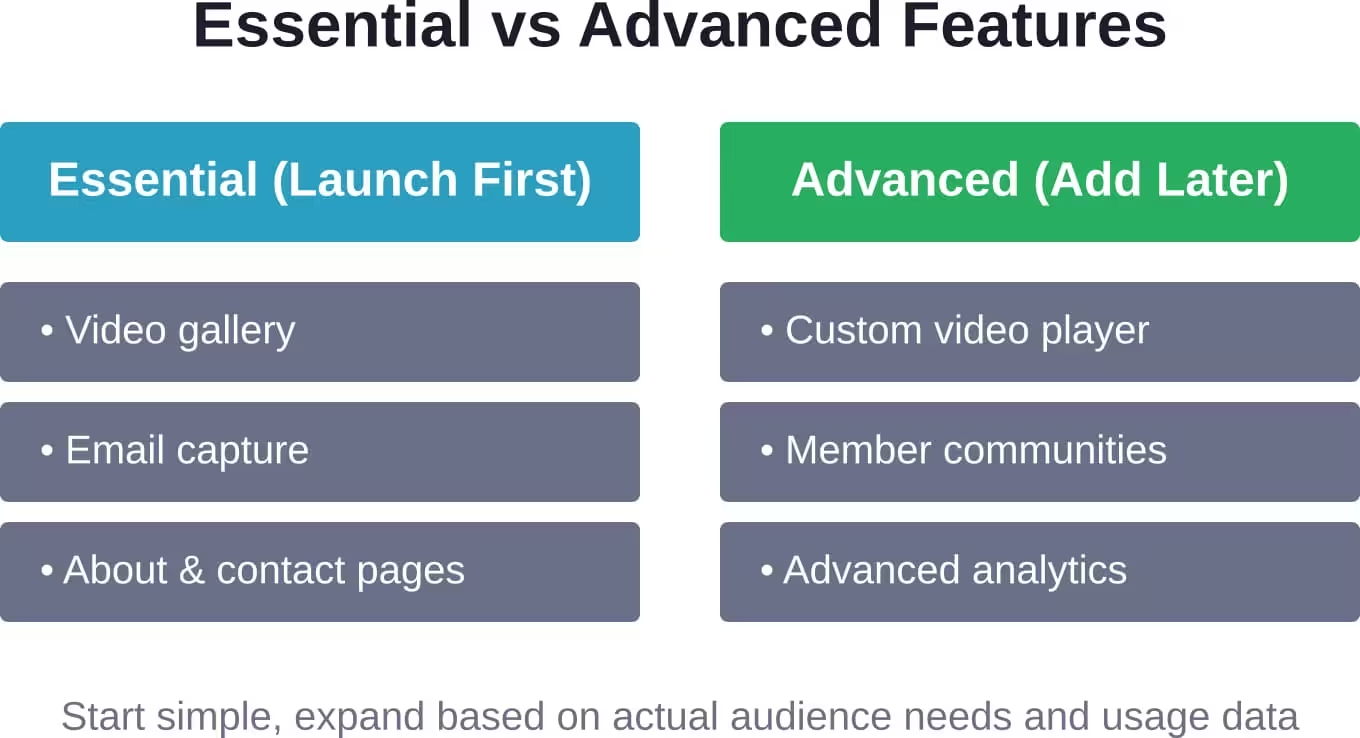
- Over-complicating the initial launch kills momentum. Creators envision elaborate custom features before validating basic demand. Start simple—video gallery, email signup, about page. Expand based on actual usage data.
- Neglecting mobile users destroys conversions. Testing exclusively on desktop misses the experience most visitors have. Preview designs on actual phones, not just browser dev tools.
- Ignoring page speed frustrates visitors. Video embeds, high-resolution images, and fancy animations create beautiful sites that load painfully slowly. Performance budgets keep experiences snappy.
- Forgetting email capture wastes traffic. Every visitor represents potential long-term value. Prominent newsletter signups with clear value propositions build lists that outlast algorithm changes.
Brand Consistency Across Platforms
Website design should feel like the channel’s natural extension. Colors, fonts, tone, and personality need cohesion.
Disjointed branding confuses audiences. When the website looks nothing like the channel art and video style, visitors question whether they’re in the right place. Visual consistency builds trust.
Voice and tone matter too. A casual, humorous channel paired with corporate-speak website copy creates jarring disconnection. The writing style should match the on-camera personality.
Logo usage, color schemes, and typography establish recognition. Viewers should immediately identify the creator’s brand whether they’re watching a video, reading a blog post, or shopping for merch.
Advanced Features for Growing Channels
Once the basics work, advanced functionality separates professional operations from hobby projects.
Custom video players with chapter navigation, playback speed controls, and watch-later functionality improve user experience. These features demonstrate attention to detail that premium brands require.
Advanced analytics beyond basic Google Analytics reveal deeper insights. Heatmaps show where visitors click, scroll tracking identifies engaging sections, and user recordings expose friction points.
Community features foster direct relationships. Comment systems, forums, or member directories build spaces where fans interact beyond YouTube’s comment section limitations.
API integrations automate workflows. Connecting the website to email marketing platforms, CRM systems, and scheduling tools reduces manual work as operations scale.
Measuring Success and Iterating
Launching the website is step one. Continuous improvement based on data is where real value compounds.
Key metrics depend on goals. Creators focused on list building track signup conversion rates. Those selling products monitor cart abandonment and purchase completion. Service providers measure consultation booking rates.
A/B testing removes guesswork. Testing different headlines, call-to-action buttons, and page layouts reveals what actually works versus what seems like it should work. Small improvements compound over time.
User feedback provides qualitative insights numbers miss. Surveys, feedback forms, and direct conversations expose friction points analytics don’t capture. Viewers often explain exactly what they need if asked.
Quarterly audits catch neglect before it becomes serious. Reviewing broken links, outdated content, and underperforming pages enables focused improvements. Websites require gardening, not just building.
Taking the Next Step
Website development transforms YouTubers from platform-dependent creators into multi-channel brand owners. The initial effort requires planning, investment, and learning—but the long-term value compounds indefinitely.
Owned digital properties protect against algorithm changes, policy shifts, and platform volatility. Email lists, customer relationships, and brand equity belong to the creator, not the platform.
But wait. The perfect website doesn’t exist. Analysis paralysis kills more projects than poor execution. Start simple, launch fast, improve continuously.
Successful creator businesses diversify distribution, own their audience relationships, and build assets that appreciate over time. Websites check all three boxes while expanding revenue opportunities beyond what any single platform allows.
The channels still growing in 2026 started building owned properties years ago. The second-best time to start is today. Pick an approach, define core features, and commit to launching within 30 days. Perfect later, publish now.