Quick Summary: Website development for sports clubs involves creating a professional online presence that integrates registration, scheduling, communication, and sponsorship features. Modern sports club websites typically use specialized builders like TeamSnap, SportsEngine, or SportMember that offer templates, mobile responsiveness, and management tools. According to the U.S. Small Business Administration, 73% of small businesses now maintain websites, recognizing their critical role in connecting with audiences and building authority in their category.
Sports clubs face a unique challenge in 2026. They need websites that don’t just look good—they must handle registration, communicate with members, display schedules, and satisfy sponsors. All while being easy enough for volunteer board members to manage.
The good news? Specialized sports website builders have matured significantly. According to the U.S. Small Business Administration, 73% of small businesses now have websites, and sports organizations are catching up fast. The difference between a functional club site and one that actually drives engagement often comes down to choosing the right development approach.
Why Sports Clubs Need Specialized Website Solutions
Generic website builders weren’t designed for youth soccer leagues or swimming clubs. Sports organizations need features that standard platforms don’t offer out of the box.
Here’s the thing though—sports club websites serve multiple audiences simultaneously. Parents need registration forms. Players want schedules. Sponsors expect visibility. Coaches need communication tools. A proper sports club website integrates all these functions without requiring three different platforms.
The U.S. Small Business Administration notes that websites serve as critical tools for being found, and 53% of small businesses now use AI-powered chatbots and virtual assistants for customer service. Sports clubs can leverage similar technology for answering common questions about tryouts, fees, and schedules.
Build a Better Sports Club Website With Lengreo
Lengreo builds and improves websites, then connects them with SEO, paid ads, tracking, and lead generation. For sports clubs, this means a website that makes programs, schedules, memberships, coaches, locations, and contact options easy to find.
The focus is to help visitors understand what the club offers and how to join, book a trial, or send an inquiry. Lengreo can help organize key pages, improve traffic setup, and make sign-up paths easier to follow.
Need a Website That Helps Members Join?
Lengreo can help with:
- building or redesigning your website
- improving SEO and paid traffic setup
- setting up tracking and website structure
- refining program, schedule, and membership pages
👉 Contact Lengreo to discuss your website and setup.
Choosing Between Custom Development and Website Builders
Sports clubs typically face a fork in the road: hire a developer to build something custom, or use a specialized sports website builder.
Custom development offers complete control. But it’s expensive, time-consuming, and requires ongoing technical maintenance. Most volunteer-run clubs don’t have the budget or expertise to maintain custom code.
Sports-specific website builders like TeamSnap, SportsEngine, and SportMember offer professionally designed templates with integrated features. They’re built for non-technical administrators and include everything from payment processing to automatic schedule updates.
| Approach | Best For | Typical Cost | Technical Skills Needed |
|---|---|---|---|
| Custom Development | Large organizations with unique requirements | High | Significant |
| Sports Website Builders | Most clubs and leagues | Low to Moderate | Minimal |
| General Builders (Wix, Squarespace) | Simple informational sites only | Low | Minimal |
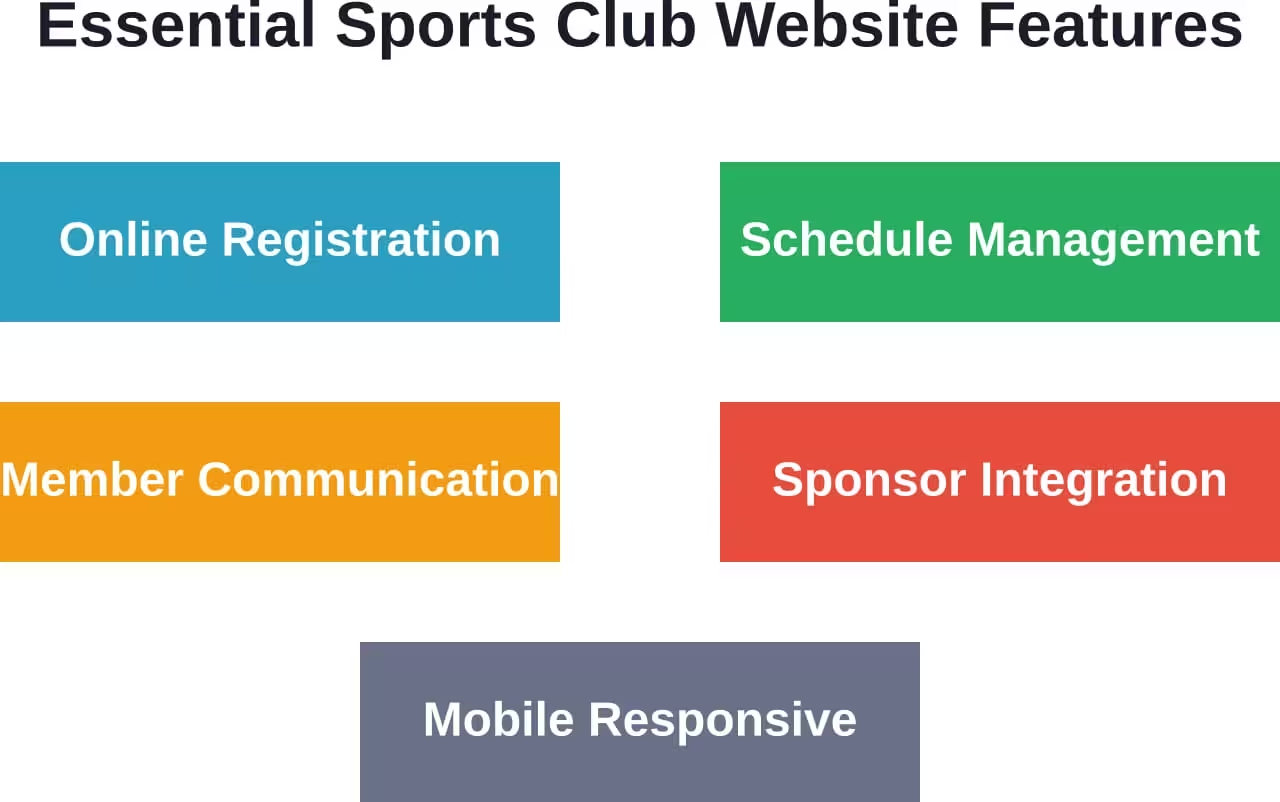
Must-Have Features for Sports Club Websites
Not all features matter equally. Based on community discussions and platform comparisons, certain capabilities consistently prove essential.
Registration and Payment Processing
Manual registration creates administrative nightmares. Online registration with integrated payment processing saves hundreds of volunteer hours each season. Look for systems that handle installment plans, early-bird discounts, and multiple family members.
Schedule and Calendar Integration
Schedules change constantly. The best sports club websites let administrators update schedules once and automatically notify everyone affected. Mobile calendar integration means parents get alerts on their phones.
Sponsorship Activation Tools
Sponsors fund many youth sports programs. Websites need dedicated sponsor sections with logo displays, clickable links, and visibility analytics. Some platforms even track sponsor impression metrics to help with renewal conversations.
Mobile Responsiveness Is Non-Negotiable
Most parents check schedules on phones while driving kids to practice. If the website doesn’t work perfectly on mobile devices, it fails its primary function.
All major sports website builders now offer mobile-responsive templates. But test them yourself before committing. Load the demo site on various devices and verify that registration forms, calendars, and navigation work smoothly.
Making Your Sports Club Website Stand Out
Templates provide structure, but customization creates identity. The best sports club websites balance professional design with local personality.
Upload high-quality photos from games and events. Feature player spotlights and coach bios. Share news about achievements and upcoming seasons. According to the U.S. Small Business Administration, websites serve as critical tools for being found, and content that builds trust through understanding decision-making helps businesses stand out.
Consider these differentiation strategies:
- Video highlights and recap clips
- Player and parent testimonials
- Clear program descriptions with age groups and skill levels
- Transparent pricing with no hidden fees
- Easy-to-find contact information
Getting Started With Your Sports Club Website
The best time to launch a sports club website is before registration season begins. Start by evaluating 2-3 sports-specific website builders, testing their templates and features with actual content.
Focus on the basics first: clear program descriptions, online registration, and schedule display. Add advanced features like member portals and mobile apps after the core site proves stable.
Ready to build a sports club’s online presence? Start by identifying which features matter most to the organization, then choose a platform that delivers those capabilities without unnecessary complexity.