


Quick Summary: Website development for social enterprises requires a strategic approach that balances mission-driven messaging with functional design elements. The right platform choice, accessibility standards, and mobile optimization can significantly impact an organization’s ability to reach beneficiaries and attract supporters. Social enterprises should prioritize user-friendly donation systems, clear storytelling, and responsive design to maximize their digital impact.
Social enterprises face a unique challenge when building their digital presence. The website needs to communicate mission and impact while functioning as an effective business tool. But here’s the thing—getting this balance right can feel overwhelming, especially when working with limited budgets and small teams.
The digital landscape has shifted dramatically. More than 60% of web traffic now comes from mobile devices, making responsive design non-negotiable. Add in accessibility requirements, donation functionality, and compelling storytelling, and the complexity multiplies quickly.
This guide breaks down the essential elements of effective website development for social enterprises, drawing on industry best practices and real-world examples from organizations creating measurable impact.
Why Social Enterprises Need Strategic Website Development
A website serves as the digital headquarters for any social enterprise. Unlike traditional businesses focused solely on conversion metrics, social enterprises must achieve multiple objectives simultaneously.
The site needs to educate potential beneficiaries, inspire donors and volunteers, attract partners, and demonstrate impact to stakeholders. That’s a tall order for a single digital property.
Consider the scope of small businesses in the United States—36.2 million operate across the country, many with social missions embedded in their operations. These small businesses collectively employed 62.3 million people in 2025. The digital presence of these enterprises directly influences their ability to scale impact and reach new audiences.
Platform Selection: Finding the Right Foundation
Choosing the right platform represents one of the most critical early decisions. The wrong choice can lock an organization into expensive migrations down the line.
Website builders like Wix offer simplified interfaces that allow non-technical teams to launch quickly. TechSoup provides discounted web services for nonprofits and social enterprises, making this option particularly attractive for organizations watching every dollar.
WordPress powers a significant portion of nonprofit and social enterprise websites, offering flexibility and extensive plugin ecosystems. The learning curve runs steeper than drag-and-drop builders, but the customization possibilities expand dramatically.
Platform Comparison Factors
| Platform Type | Best For | Technical Skill Required | Typical Cost Range |
|---|---|---|---|
| Website Builders (Wix, Squarespace) | Small teams, quick launches | Low | $12-$40/month |
| WordPress | Custom features, scalability | Medium to High | $50-$200/month |
| Custom Development | Complex integrations, unique needs | High (requires developer) | $2,500-$15,000+ |
| Specialized Nonprofit Platforms | Built-in fundraising tools | Low to Medium | $30-$100/month |
The platform decision should align with technical capacity, budget constraints, and long-term growth plans. A two-person team launching their first initiative will have vastly different needs than an established organization managing multiple programs across regions.
Build a Website That Supports Your Mission
For social enterprises, a website isn’t just about presence – it has to work reliably without adding ongoing complexity or costs that the team has to constantly manage. Lengreo develops websites using JavaScript and WordPress, allowing them to adapt each project to specific requirements while keeping the setup practical. This approach helps avoid unnecessary rebuilds or constant technical adjustments, making the website easier to handle over time.
Keep Your Website Practical and Ready to Evolve
Working with Lengreo, you can expect:
- Flexible solutions that adapt to different levels of complexity
- A stable setup designed for long-term use
- Cost-effective development based on project requirements
Contact Lengreo to discuss your website and build a solution that stays practical as your organization evolves.
Essential Design Elements for Social Enterprise Websites
Design extends far beyond aesthetics. Every visual choice either supports or undermines the organization’s ability to communicate mission and drive action.
Clear navigation stands as the foundation. Visitors should understand within three seconds what the organization does and how to engage. Confusing menu structures or buried contact information create unnecessary friction.
Storytelling through visuals and content helps visitors connect emotionally with the mission. Impact metrics, beneficiary testimonials, and behind-the-scenes glimpses into the work build credibility and trust.
Core Website Pages
Most effective social enterprise websites include these fundamental pages:
- Homepage: Clear mission statement, primary calls-to-action, impact snapshot
- About: Origin story, team profiles, values and approach
- Programs/Services: Detailed description of what the organization does
- Impact: Metrics, stories, outcomes achieved
- Get Involved: Donation forms, volunteer opportunities, partnership options
- Blog/News: Updates, thought leadership, community stories
- Contact: Multiple contact methods, locations if applicable
Each page should have a singular focus with clear next steps. Asking visitors to do too much on a single page typically results in them doing nothing at all.
Accessibility: Designing for Everyone
Accessibility isn’t optional—it’s both an ethical imperative and increasingly a legal requirement. People with disabilities represented over 1 billion individuals globally, with combined spending power exceeding $6 trillion in 2018.
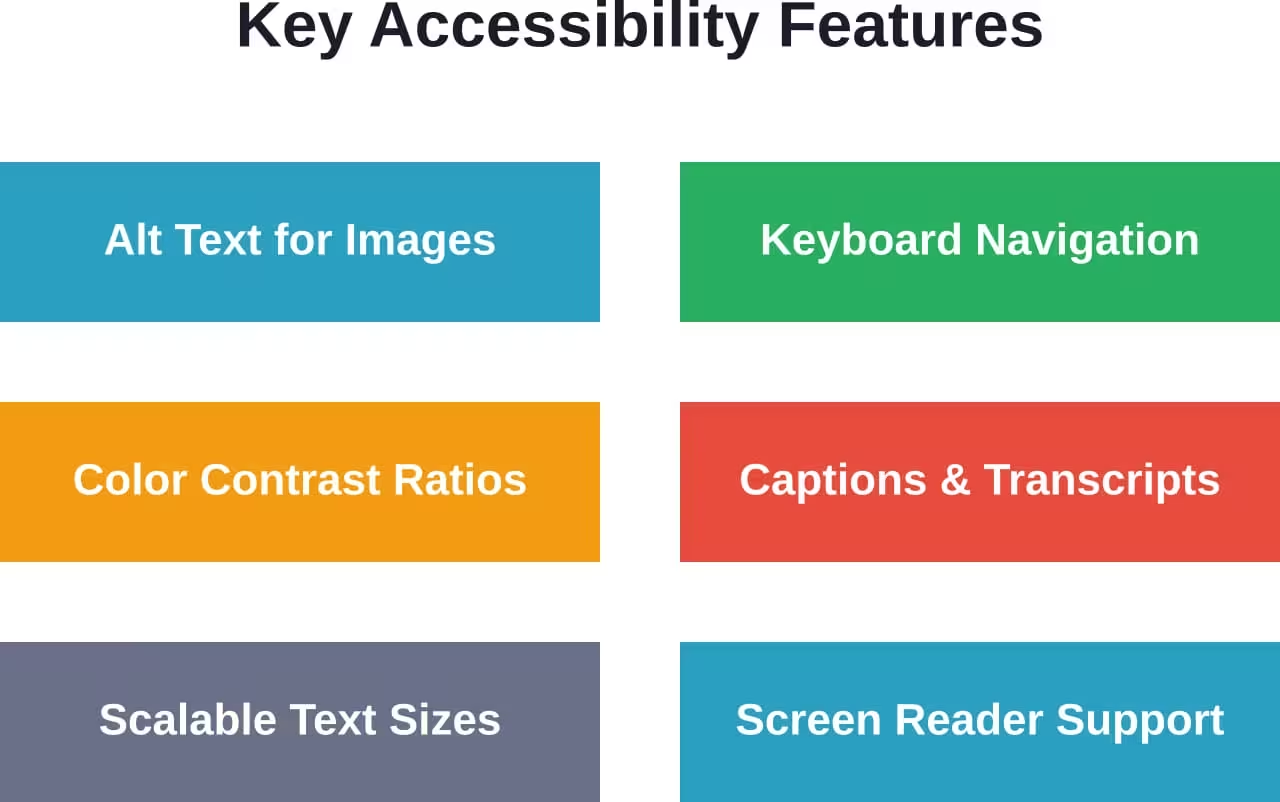
Designing accessible websites expands reach while improving user experience for everyone. Captions on videos benefit deaf users and others who prefer watching without sound.
Practical Accessibility Implementation
Alt text for images allows screen readers to describe visual content to blind users. Each image should have descriptive alt text that conveys the information or function the image provides.
Proper heading structure (H1, H2, H3) helps both search engines and assistive technologies understand content hierarchy. Skip this step and navigation becomes confusing for users relying on screen readers.
Color contrast matters more than most designers realize. Text must meet minimum contrast ratios against backgrounds—4.5:1 for normal text, 3:1 for large text. Free tools can check contrast ratios during the design phase.
Mobile Optimization and Responsive Design
Mobile-first design has shifted from trend to standard practice. Testing on actual devices reveals issues that desktop previews miss entirely.
Touch targets need adequate size and spacing. Buttons too small or too close together frustrate mobile users and tank conversion rates. Minimum recommended touch target size sits at 44×44 pixels.
Page load speed becomes even more critical on mobile networks. Images should be compressed and optimized. Heavy JavaScript libraries that seemed fine on desktop can cripple mobile performance.
Budget-Conscious Development Strategies
Limited budgets don’t have to mean limited impact. Strategic choices allow social enterprises to build effective websites without breaking the bank.
Starting with templates or themes provides a professional foundation at a fraction of custom development costs. Quality templates typically range from $50 to $200 and include most needed functionality out of the box.
Phased rollouts spread costs over time. Launch with core pages and essential features, then add advanced functionality like member portals or e-commerce as resources allow and needs clarify.
Leveraging Nonprofit Resources
TechSoup provides discounted web services for nonprofits and social enterprises. Their packages include 10 hours of monthly service support with 48-hour guaranteed response times on requests.
Many web designers specialize in social impact organizations and understand the unique constraints these teams face. Some specialists offer payment plans or phased approaches that align with grant cycles or fundraising calendars.
Student developers and design programs at universities sometimes seek real-world projects for portfolio building. While supervision remains necessary, this arrangement can produce quality results at reduced costs.
Integration Requirements and Technical Considerations
Modern social enterprise websites rarely stand alone. Integration with other tools creates seamless workflows and better data management.
Email marketing platforms like Mailchimp or Constant Contact should connect directly to website sign-up forms. Manual list management wastes time and introduces errors.
Donation platforms require secure integration that inspires donor confidence. Whether using Stripe, PayPal, or specialized nonprofit payment processors, the checkout experience must feel safe and professional.
| Integration Type | Purpose | Common Tools | Complexity |
|---|---|---|---|
| Email Marketing | Newsletter signups, automated campaigns | Mailchimp, Constant Contact | Low |
| Payment Processing | Donations, product sales | Stripe, PayPal, Donorbox | Medium |
| CRM Systems | Donor/volunteer management | Salesforce, HubSpot | High |
| Social Media | Content sharing, feed display | Native APIs | Low |
| Analytics | Traffic tracking, behavior analysis | Google Analytics, Plausible | Low |
Content Strategy and Ongoing Management
Launching the website represents just the beginning. Keeping content fresh and relevant requires ongoing attention and clear ownership.
Blogging about impact stories, program updates, and thought leadership establishes authority and improves search visibility. Consistency matters more than frequency—monthly posts published reliably outperform sporadic bursts of daily content.
Photo and video content humanizes the mission. Investing in quality photography, even if just through smartphone training for staff, pays dividends in engagement and shareability.
Content management responsibilities should be clearly assigned. Without designated ownership, updates slip through the cracks and the site grows stale.
Measuring Success: Analytics That Matter
Analytics inform improvement but can quickly become overwhelming. Focus on metrics that connect directly to organizational goals.
Donation conversion rates reveal how effectively the site motivates financial support. Track the percentage of visitors who complete donation forms and test changes to improve this metric.
Volunteer application submissions indicate engagement with hands-on opportunities. Low submission rates might signal unclear calls-to-action or complicated forms.
Time on page and scroll depth show whether content resonates. High bounce rates on key pages suggest content misses the mark or fails to meet visitor expectations.
Security and Maintenance Requirements
Security breaches can devastate small organizations lacking resources to recover quickly. Basic security measures prevent most common attacks.
SSL certificates encrypt data between visitors and the server. These certificates were once expensive but are now available free through services like Let’s Encrypt. Many hosting providers include SSL automatically.
Regular backups protect against data loss from hacking, server failures, or user error. Automated daily backups stored off-site provide insurance against disaster.
Software updates patch security vulnerabilities as they’re discovered. WordPress, plugins, and themes all require regular updates. Delaying updates leaves known vulnerabilities exposed to automated attacks.
Working with Designers and Developers
Finding the right web partner can feel daunting. Clear communication about needs, constraints, and expectations sets projects up for success.
Detailed project briefs help designers understand the mission, audience, and functionality requirements. Include examples of websites that resonate aesthetically and functionally.
Fixed-price project quotes provide budget certainty but require detailed specifications upfront. Hourly arrangements offer flexibility but can lead to scope creep without careful management.
Design specialists who focus on nonprofit and social enterprise work bring valuable experience with common challenges these organizations face. They understand budget constraints and the need to balance multiple stakeholder priorities.
Conclusion
Website development for social enterprises requires balancing mission communication, functional requirements, accessibility standards, and budget constraints. The right platform, thoughtful design, and strategic feature prioritization create digital presences that effectively reach beneficiaries, engage supporters, and demonstrate impact.
Success comes not from implementing every possible feature but from executing core elements excellently. A simple, accessible, mobile-responsive website with clear calls-to-action and compelling storytelling will outperform a complex site that confuses visitors or fails on mobile devices.
Start with a solid foundation, measure what matters, and iterate based on real user behavior. The organizations making the greatest digital impact didn’t achieve it overnight—they built strategically, learned continuously, and improved incrementally.
Ready to build or improve a social enterprise website? Begin by clarifying primary objectives, auditing existing digital properties, and exploring platform options that match technical capacity and budget reality. The digital presence that drives the mission forward is within reach.