


Quick Summary: Website development for pet professionals involves creating digital platforms that attract clients, showcase services, and streamline operations for veterinary clinics, groomers, trainers, and pet care businesses. A professional website serves as a 24/7 marketing tool that helps pet owners find services, book appointments, and build trust with providers. Effective pet professional websites combine mobile-responsive design, local SEO optimization, client education content, and automated features to reduce administrative workload while growing the business.
Pet care professionals face a unique challenge. Pet owners searching for veterinary clinics, grooming services, or boarding facilities expect to find detailed information online before making a decision.
Without a professional website, potential clients discover competitors instead. Every day without a digital presence represents lost revenue and missed opportunities to build lasting client relationships.
The good news? Modern website development offers pet professionals accessible solutions that don’t require technical expertise. From custom veterinary websites to automated booking systems, the right digital foundation transforms how practices attract and serve clients.
Why Pet Professionals Need Professional Websites
A website does more than display business hours. For veterinary clinics, grooming salons, training services, and boarding facilities, a professional website acts as the first point of contact with prospective clients.
Pet owners research extensively before choosing a care provider. They want to see services offered, read about the team’s qualifications, and understand pricing structures. A well-designed website answers these questions before the phone rings.
This pre-qualification saves time. Staff members spend less time answering routine questions about hours, services, and locations. Instead, that information lives online where clients can access it 24/7.
According to Gallup data referenced in veterinary professional development research, 60% of workers who learned new skills did so to perform jobs more effectively, and 51% viewed it as an opportunity for growth. For pet care businesses investing in digital skills and website development, the parallel holds: professionals who embrace digital tools see measurable improvements in operational efficiency.
Core Website Features for Pet Care Businesses
Not all websites deliver the same results. Pet professional websites need specific features to convert visitors into booked appointments.
Mobile-Responsive Design
Most pet owners search for services on smartphones. A mobile-responsive design ensures the website displays correctly on any device, from tablets to phones to desktop computers.
Responsive websites automatically adjust layout, images, and navigation based on screen size. This prevents the frustrating pinch-and-zoom experience that drives potential clients away.
Online Booking and Appointment Scheduling
Automated booking systems reduce phone call volume while making it convenient for clients to schedule appointments outside business hours. Integration with practice management software keeps calendars synchronized and prevents double-bookings.
Veterinary practices with online scheduling report significant reductions in administrative workload, freeing staff to focus on in-person patient care.
Service Pages and Educational Content
Dedicated pages for each service—wellness exams, dental care, grooming packages, training classes—help potential clients understand what the practice offers. Educational blog content establishes expertise and improves search engine rankings.
Content that answers common pet owner questions builds trust. Articles about puppy vaccinations, senior pet care, or behavioral training position the practice as a knowledgeable resource.
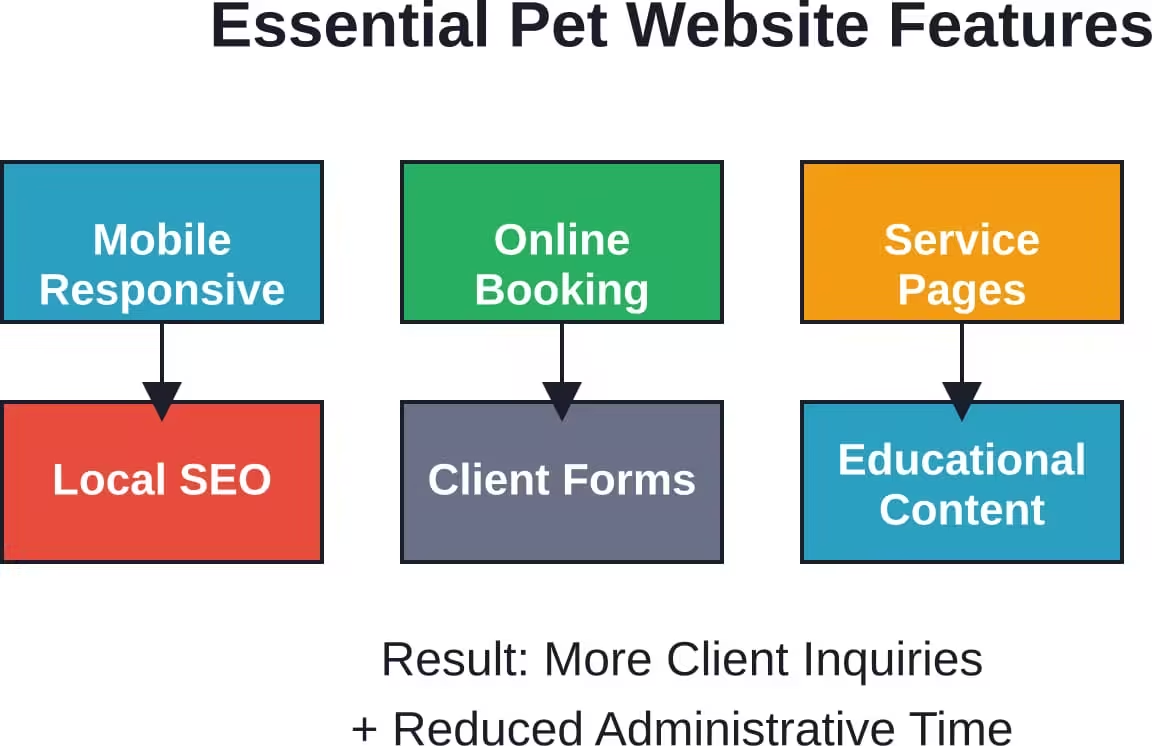
Client Portals and Digital Forms
Online forms for new client registration, medical history, and consent documents streamline intake processes. Pet owners appreciate the ability to complete paperwork at home rather than arriving early to fill out clipboards.
Digital form submissions integrate directly with practice management systems, reducing data entry errors and saving staff time.
Local SEO for Pet Care Websites
Building a beautiful website means nothing if local pet owners can’t find it. Local search engine optimization (SEO) ensures the practice appears in search results when nearby residents look for veterinary care or grooming services.
Google Business Profile Optimization
A complete Google Business Profile includes accurate business hours, service descriptions, photos, and client reviews. This profile appears in local map results and the knowledge panel alongside search results.
Regular updates—posting about seasonal services, holiday hours, or new team members—signal to Google that the business remains active and relevant.
Location-Specific Content
Creating content that mentions the specific neighborhoods, towns, or cities served helps search engines connect the practice to local searches. A blog post about “dog parks in [city name]” or “emergency veterinary care in [neighborhood]” targets location-based search queries.
Many veterinary website platforms offer enhanced local business listings. According to competitive analysis, some services provide exposure across 75 local business listings, significantly expanding local search visibility.
Website Development Options for Different Budgets
Pet professionals have multiple paths to establishing an online presence, each with different investment levels and capabilities.
| Option | Best For | Technical Skill Required | Typical Features |
|---|---|---|---|
| DIY Website Builders | Startups, tight budgets | Low | Templates, basic pages, contact forms |
| Professional Templates | Growing practices | Low to Medium | Industry-specific design, mobile responsive, SEO basics |
| Custom Development | Established clinics | Medium to High | Unique design, advanced integrations, custom features |
| Managed Services | Busy practices | None | Full-service design, hosting, updates, content creation |
DIY Website Builders
No-code website builders allow pet professionals to create basic websites without programming knowledge. The U.S. Small Business Administration hosted a workshop on April 30, 2026, titled ‘Vibecoding 101: Build Your Own Website with No Code’ that focused on building websites without traditional code, covering flow, clarity, structure, copy, and layout decisions.
These platforms offer templates, drag-and-drop editors, and hosting in a single package. The trade-off? Limited customization and potentially fewer advanced features like practice management system integration.
Industry-Specific Website Services
Veterinary-focused website companies understand the unique needs of animal care practices. They offer templates designed specifically for veterinary clinics, with built-in features like online appointment booking, pet health libraries, and integration with common practice management software.
These services typically handle hosting, security updates, and technical maintenance, allowing practice owners to focus on patient care rather than website management.
Custom Website Development
Larger practices or those with specific requirements might invest in custom website development. This approach creates a unique digital presence tailored exactly to the practice’s brand, services, and operational workflow.
Custom development costs more upfront but offers complete control over design, functionality, and future expansion capabilities.
Build a Better Website for Your Pet Services Business
Pet owners often decide quickly when choosing a groomer, trainer, boarding service, pet daycare, or veterinary clinic. A strong website should clearly present services, build trust, and make booking or contacting simple. Lengreo provides website development services for businesses that want a stronger online presence and a website built around real client actions. Their team develops business websites, landing pages, and SEO-focused website structures designed to support inquiries, bookings, and long-term growth.
Start Your Website Development With a Clear Business Goal
Lengreo helps pet professionals build websites that are easier to manage, faster to navigate, and better aligned with how service businesses attract clients online:
- Custom website development for pet service businesses
- Front-end and back-end development
- Quality assurance before launch
- Post-launch support and maintenance options
If you need a better website for your pet services business, contact Lengreo and book a consultation for your website development project.
Measuring Website Performance
A website represents an investment. Tracking performance metrics helps pet professionals understand return on that investment and identify improvement opportunities.

Traffic and Visitor Metrics
Website analytics reveal how many people visit the site, which pages they view, and how long they stay. Increasing visitor numbers indicate growing awareness, while time-on-page metrics show whether content engages readers.
Source tracking identifies whether visitors arrive from search engines, social media, or direct URL entry. This information guides marketing investment decisions.
Conversion Tracking
The ultimate website goal? Converting visitors into clients. Conversion tracking monitors how many website visitors complete desired actions: submitting contact forms, booking appointments, or calling the clinic.
Participants who successfully completed all modules of the Digital Ready Businesses program, typically devoting 20 hours to study including about 14 hours of facilitated lectures and 6 hours of other coursework, reported improvements in their digital capabilities.
Mobile Performance
Separate mobile and desktop analytics reveal whether the website performs equally well on all devices. High mobile bounce rates might indicate responsive design problems that need attention.
Content Strategy for Pet Professional Websites
A website isn’t a “build it and forget it” project. Regular content updates keep the site relevant, improve search rankings, and give visitors reasons to return.
Educational Blog Posts
Publishing helpful articles positions the practice as an authoritative resource. Topics might include seasonal pet care advice, common health conditions, or answers to frequently asked questions.
Blog content improves SEO by targeting long-tail keywords—specific phrases like “how to brush a cat’s teeth” or “signs of arthritis in senior dogs” that match actual pet owner searches.
Service Pages That Convert
Each service deserves a dedicated page explaining what happens during the appointment, why it matters, and what results to expect. Clear calls to action—”Schedule Your Puppy’s First Exam” or “Book a Grooming Appointment”—guide visitors toward conversion.
Team Bios and Practice Culture
Pet owners choose veterinarians and groomers based partly on personal connection. Detailed team member bios with photos, credentials, and personal interests help prospective clients feel they know the practice before the first visit.
Behind-the-scenes content showing the practice’s approach to animal care, facility cleanliness, or community involvement builds trust and differentiates the business from competitors.
Integrating Website with Practice Operations
The most effective pet professional websites don’t operate in isolation. Integration with existing business systems creates seamless workflows that benefit both staff and clients.
Practice Management System Connections
Connecting the website to practice management software synchronizes appointment calendars, client records, and service histories. When a client books online, the appointment appears immediately in the clinic’s scheduling system.
This integration eliminates double data entry and reduces scheduling conflicts.
Communication Tools
Automated appointment reminders, vaccination due date notifications, and follow-up messages can originate from the website platform. These communications reduce no-shows and encourage preventive care compliance.
Some veterinary website platforms offer integrated client communication features that handle text messages, emails, and app notifications from a single dashboard.
Common Website Development Mistakes to Avoid
Understanding what doesn’t work saves time and money during website development.
Prioritizing Aesthetics Over Function
A visually stunning website that loads slowly or confuses visitors with unclear navigation fails to serve its purpose. Function trumps form. Pet owners need to find information quickly and complete bookings easily.
Neglecting Mobile Users
Testing the website only on desktop computers misses how most visitors actually experience it. Mobile-first design ensures the site works perfectly on the devices pet owners use most often.
Hiding Contact Information
Making phone numbers, addresses, or contact forms difficult to find frustrates visitors. This information should appear on every page, typically in the header or footer.
Ignoring Page Load Speed
Slow-loading websites drive visitors away before they see content. Optimizing image sizes, minimizing unnecessary plugins, and choosing quality hosting prevent performance problems.
Taking the Next Step
Pet care professionals who invest in quality website development create competitive advantages that compound over time. The right digital presence attracts more clients, reduces administrative workload, and establishes the practice as a trusted local resource.
Whether starting with a simple template or commissioning custom development, the important thing is getting started. Every day without a professional online presence is a day potential clients find competitors instead.
Evaluate current business needs, explore available platforms, and choose the website development approach that matches budget and technical comfort level. The investment pays dividends through increased visibility, streamlined operations, and sustainable practice growth.