

Quick Summary: Website development for musicians involves creating a professional online presence that serves as a central hub for music distribution, merchandise sales, tour dates, and fan engagement. The best platforms combine music-specific features like audio players, EPK builders, and commission-free sales with intuitive design tools. Musicians should prioritize platforms that integrate with streaming services, offer mobile optimization, and protect their copyright while maintaining full creative control.
Social media platforms come and go. Algorithms change. But a website? That’s permanent real estate on the internet that musicians actually own.
The music industry has transformed over the past decade. Streaming dominates consumption. Independent artists are thriving without labels. And the difference between musicians who build sustainable careers and those who fade away often comes down to one thing: a proper web presence.
Here’s the reality. Fans want a single place to find everything about their favorite artists. Tour dates. New releases. Merch. Behind-the-scenes content. Social media profiles scatter this information across platforms where musicians don’t control the rules. A website consolidates everything under one roof.
But not just any website. Musicians need specialized features that generic builders don’t offer. Audio players that actually work. EPK tools for booking agents. Commission-free sales systems. Integration with Spotify, Apple Music, and other streaming platforms.
This guide breaks down what matters when building a musician website in 2026. Which platforms deliver the goods. What features separate the winners from the wannabes. And how to make technical decisions without needing a computer science degree.
Why Musicians Need Their Own Website
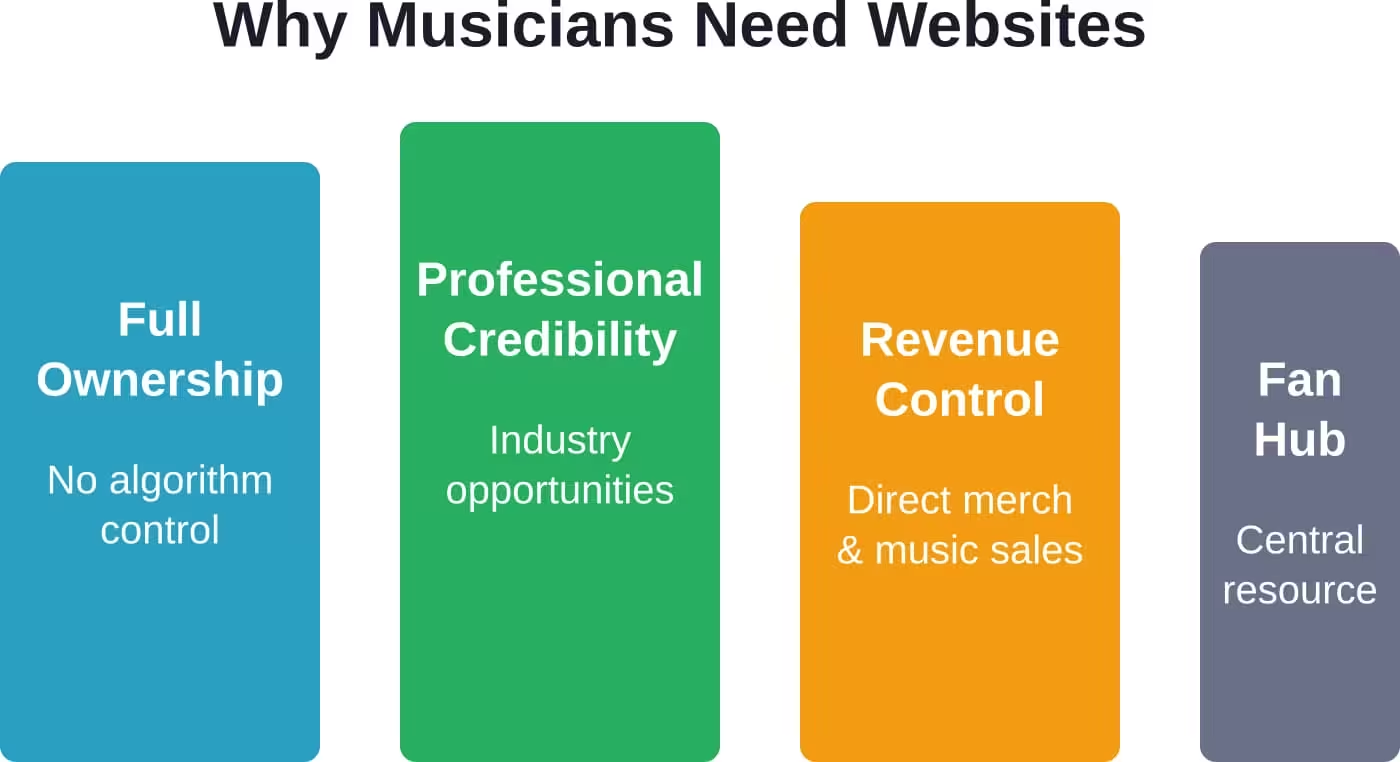
Every social platform eventually changes its algorithm. Instagram hides posts. TikTok videos disappear. Facebook reaches plummets. Musicians who rely solely on social media build their careers on borrowed land.
A website provides ownership. Full control over design, content, and functionality. No algorithm decides who sees new releases. No platform policy dictates how merch gets sold. The musician makes the rules.
Industry data reveals another compelling reason. Synchronization royalties — money from getting songs into TV shows, films, and commercials — rose nearly 30% in the first half of 2022 compared to 2021 in the United States. Music supervisors consistently check artist websites for professional EPKs and high-quality downloads. No website often means no consideration.
Beyond business opportunities, websites serve as creative portfolios. Visual artists showcase paintings. Photographers display images. Musicians need the same professional presentation for their craft. A well-designed music portfolio website demonstrates seriousness about the career.
Essential Features for Musician Websites
Not all website builders understand music. Generic platforms force musicians to jerry-rig features that should come standard. The best music website builders include specialized tools designed specifically for the industry.
Audio Players and Music Streaming
The most obvious requirement. Musicians need to actually share their music. A good audio player lets visitors stream tracks directly on the site without leaving for Spotify or SoundCloud.
Look for customizable players that match site design. Players should handle full albums, not just single tracks. Playlist functionality helps organize music by era, mood, or project.
Integration with streaming platforms matters too. Embedding Spotify players or Apple Music widgets keeps everything connected. But the site should also host native audio files for situations where streaming links break or platforms change policies.
E-Commerce Without Commission Theft
Many musicians don’t realize how much money generic platforms steal. Standard e-commerce builders take 2-3% of every sale on top of payment processing fees. For musicians selling $20 t-shirts and $10 albums, those percentages add up fast.
Music-specific platforms often offer commission-free sales. Payment processing fees still apply—that’s unavoidable—but the platform itself doesn’t skim extra percentage points. Over a year of merch and music sales, this saves hundreds or thousands of dollars.
The e-commerce system should handle physical products (vinyl, CDs, merch) and digital downloads. Automatic delivery for digital products prevents manual fulfillment headaches. Inventory tracking for physical goods avoids overselling.
Electronic Press Kit (EPK) Tools
Booking agents, festival organizers, and music journalists request EPKs constantly. These press kits include high-resolution photos, biography, press quotes, music samples, and technical riders.
Building an EPK from scratch takes hours. Dedicated EPK builders include templates specifically designed for music industry professionals. One-click downloads let recipients grab everything at once. Password protection keeps sensitive information (like stage plots and hospitality requirements) private until needed.
Tour Date and Event Management
Tour dates scattered across social media posts get lost. A website calendar centralizes everything. Fans checking the site see all upcoming shows instantly.
Good tour management systems include:
- Automatic timezone conversion for international dates
- Ticket purchase links for each show
- Venue information with embedded maps
- Past show archives for press and booking reference
- Integration with platforms like Bandsintown or Songkick
Mailing List Integration
Email remains the highest-converting marketing channel for musicians. Social media reach continues declining. Email subscribers actually see messages.
Website builders should integrate with email marketing platforms like Mailchimp, ConvertKit, or native solutions. Sign-up forms placed strategically throughout the site capture interested fans. Offering exclusive content or early ticket access incentivizes subscriptions.
Comparing Top Website Builders for Musicians
The market offers dozens of website builders. But only a handful truly understand musician needs. Here’s how the top platforms stack up.
| Platform | Starting Price | Commission-Free Sales | Music-Specific Features | Best For |
|---|---|---|---|---|
| Bandzoogle | $9.16/month | Yes | EPK builder, unlimited audio | Serious musicians focused on sales |
| Squarespace | $12/month | No (transaction fees apply) | Beautiful templates, audio blocks | Design-focused artists with existing audience |
| Weebly | $13/month | No | Basic audio embedding | Budget-conscious beginners |
| Wix | $17/month | No (transaction fees apply) | Music app marketplace | Artists wanting maximum customization |
Bandzoogle: The Musician-First Platform
Bandzoogle appears on virtually every list of musician website builders for good reason. The platform was built specifically for bands and solo artists, not repurposed from generic website tools.
Starting at $9.16 per month when billed annually, Bandzoogle includes hosting and a domain name. The 14-day free trial lets musicians test everything before committing.
The commission-free sales model sets Bandzoogle apart. Sell $1,000 in merch and keep the full amount minus standard payment processing (roughly 3%). Competing platforms would take an additional $20-30 just for using their store.
Music-specific features include unlimited audio uploads, customizable audio players, EPK builders, tour date management, and lyrics pages. The platform integrates with Spotify, Apple Music, YouTube, and major social networks.
Templates designed for musicians eliminate the “blank canvas” problem. Choose a design that matches musical genres—rock, electronic, folk, hip-hop—then customize colors, fonts, and layouts without touching code.
Squarespace: Design Excellence Meets Music
Squarespace dominates the design-focused website market. Templates showcase visual aesthetics beautifully, making the platform popular with musicians who prioritize appearance.
Starting at $12 per month, Squarespace costs more than Bandzoogle but offers stunning templates that often require minimal customization. The platform includes audio blocks for embedding music and integration with major streaming services.
The downside? E-commerce includes transaction fees on lower-tier plans. Serious merchandise sales push musicians toward higher-priced plans to avoid per-transaction costs eating profits.
Squarespace works best for artists with established audiences who prioritize visual brand over advanced music features. Photographers who also make music. Multimedia artists. Musicians whose aesthetic identity drives their brand.
Wix: Flexibility With Complexity
Wix offers perhaps the most customization freedom through its drag-and-drop editor. Musicians can place elements anywhere on the page without template constraints.
The music app marketplace provides options for audio players, event calendars, and fan engagement tools. This flexibility comes with complexity—building a cohesive site takes more time than template-based platforms.
At $17 per month for basic plan, Wix sits in the middle price-wise. However, the platform charges transaction fees on sales (specific percentage varies by plan), which cuts into tight musician margins over time.
Design Principles for Music Websites
Technical features matter. But design determines whether fans stay or bounce within seconds.
Mobile-First Thinking
Music discovery and consumption frequently happens on phones through streaming services, social media, and other platforms. When fans click through to a website, they’re almost certainly on mobile.
Every design decision should prioritize mobile experience first, desktop second. Test the site on actual phones, not just desktop browser resize. Touch targets need proper spacing. Text must remain readable without zooming. Audio players should work with one thumb.
Visual Hierarchy and Brand Identity
Musicians are brands. The website should reflect musical identity instantly.
Heavy metal bands need different aesthetics than folk singer-songwriters. Electronic producers want different vibes than country artists. Color palettes, typography, imagery—everything should align with the sonic brand.
But clarity trumps creativity. Fancy animations and complex layouts confuse visitors. Keep navigation obvious. Make important actions (listen, buy, tour dates) immediately accessible.
Content Strategy Beyond Music
The website exists to share music. But it shouldn’t only contain audio files and tour dates.
Behind-the-scenes content builds connection. Studio diary entries. Gear breakdowns. Writing process explanations. Fans crave insight into creative work.
Press coverage deserves its own section. Quotes from reviews, interview links, and media mentions provide social proof for new visitors. Industry professionals checking out the site want to see existing coverage.
A blog or news section keeps the site active. Search engines favor regularly updated sites. Fresh content gives fans reasons to return. Even monthly updates about new releases, tour announcements, or creative projects help.
Technical Considerations Musicians Can’t Ignore
Design draws people in. Technical foundation keeps them engaged and protects the business.
Copyright and Content Protection
Musicians create copyrightable work constantly. Recordings, compositions, lyrics, photos, videos—all protected under copyright law.
According to the U.S. Copyright Office, copyright holders have exclusive rights to reproduce, distribute, and publicly perform their works. Registration with the Copyright Office provides additional legal protections, especially important before releasing major projects.
For disputes involving damages totaling less than $30,000, the Copyright Claims Board, a voluntary forum within the Copyright Office, a cost-effective and streamlined alternative to federal court to resolve copyright disputes, offers an alternative approach. This streamlined forum helps independent musicians protect their work without expensive litigation.
Website builders should include tools for watermarking images, controlling audio quality (to prevent unauthorized downloads), and displaying copyright notices. While no system prevents all theft, basic protections deter casual infringement.
Page Speed and Performance
Audio files are large. High-resolution photos are large. Videos are massive. Music websites risk slow load times without proper optimization.
Choose platforms with built-in content delivery networks (CDN) that serve files from geographically distributed servers. A fan in Tokyo shouldn’t wait for audio to load from a server in New York.
Image optimization tools automatically compress photos without visible quality loss. Audio should stream in appropriate bitrates—high enough for quality, low enough for reasonable bandwidth.
Test page speed regularly using free tools. Mobile performance matters more than desktop given traffic patterns. Sites loading in under three seconds retain dramatically more visitors than slower alternatives.
SEO for Musicians
Search engine optimization helps fans discover the site. Basic SEO doesn’t require expertise, just consistent attention to fundamentals.
Every page needs descriptive titles and meta descriptions. Instead of “Home” use “[Artist Name] – Official Website | New Album Out Now.” Instead of “Music” try “[Artist Name] Discography | Stream and Download.”
Alt text for images helps search engines understand visual content. Describe photos specifically: “[Artist Name] performing at Madison Square Garden 2026” not just “concert photo.”
Regular content updates signal active sites to search algorithms. Even monthly blog posts about upcoming projects keep content fresh.
Marketing Integration and Fan Growth
The website shouldn’t exist in isolation. Integration with marketing tools multiplies effectiveness.
Email Marketing Automation
Email subscribers convert better than social media followers. Period. But manually managing email lists becomes overwhelming as the fan base grows.
Marketing automation handles repetitive tasks. New subscribers automatically receive welcome emails with free downloads. Fans who purchase tickets get reminder emails before shows. Album release announcements go to the full list simultaneously.
Segmentation improves results. Fans in different cities see relevant tour dates. People who bought merch previously get early access to new designs. Engagement increases when messages feel personalized rather than broadcast.
Social Media Integration
The website serves as the hub, but social media drives traffic. Smart integration creates a virtuous cycle.
Social feeds embedded on the site show real-time activity without requiring visitors to leave. Instagram galleries, Twitter feeds, and YouTube channels all keep content dynamic.
Share buttons on every piece of content—songs, blog posts, tour dates—make promotion effortless for fans. One click shares new releases across platforms, expanding reach organically.
Analytics and Data
Which songs get played most? Where do visitors come from? What content drives merchandise sales? Analytics answers these questions.
Built-in analytics tools track visitor behavior without technical setup. Geographic data reveals where fan concentration is highest, informing tour routing decisions. Referral sources show which promotional efforts actually work.
E-commerce analytics identify top-selling products and abandoned cart patterns. Understanding why sales don’t complete helps optimize the checkout process.
Building Your First Music Website: Step-by-Step
Theory is great. But practical execution determines success. Here’s the process for actually building a musician website.
Step 1: Define Goals and Requirements
What does the website need to accomplish? Sell merchandise? Capture email addresses? Showcase music for licensing opportunities? Share tour dates?
List priorities in order. This determines which platform fits best. If commission-free merchandise sales rank first, Bandzoogle wins. If stunning design matters most, Squarespace deserves consideration.
Step 2: Choose a Platform and Plan
Most platforms offer free trials. Take advantage. Build a test site. Upload actual music. Try creating product listings. Test the mobile experience.
Don’t commit to annual billing immediately. Monthly plans cost more but allow switching if the platform doesn’t fit. After confirming the choice, annual billing saves money.
Step 3: Secure a Domain Name
The domain name should match the artist or band name exactly when possible. If the .com is taken, .music and .band alternatives exist specifically for musicians.
Keep it simple. Avoid hyphens, numbers, or creative spellings that confuse people. The easier to remember and type, the better.
Step 4: Select and Customize a Template
Start with templates designed for musicians. Most platforms organize templates by industry. Choose one close to the desired aesthetic, then customize.
Replace template photos with actual press photos. Update colors to match branding. Adjust fonts if needed. But resist the urge to change everything—templates work because professional designers created them.
Step 5: Upload Content Strategically
Content goes beyond music files. High-quality photos matter. Professional headshots for press. Live performance images. Album artwork.
Write a compelling copy for the about section. Skip the generic “[Name] is a musician from [City]” openings. Lead with what makes the music unique. Tell the story that makes people care.
Organize music logically. Separate singles from albums. Feature the latest release prominently. Make streaming and purchase options obvious.
Step 6: Set Up E-Commerce
Start with a few core products. The latest album. One or two merch items. Test the checkout process thoroughly before launching publicly.
Configure shipping rates accurately. Nothing frustrates customers more than unexpected shipping costs. Offer digital delivery options when possible—no shipping needed for downloads.
Step 7: Integrate Essential Tools
Connect email marketing from day one. Even with zero subscribers initially, having the system ready captures early visitors.
Link all social media profiles. Add Spotify, Apple Music, and YouTube embeds. Connect any existing Bandcamp or SoundCloud accounts.
Step 8: Test Before Launch
Check every link. Play every audio file. Complete a test purchase. View the site on multiple devices—iPhone, Android, tablet, desktop.
Ask friends to navigate the site. Watch where they get confused. Fix unclear navigation before public launch.
Step 9: Launch and Promote
Announce the new website across all existing channels. Social media posts. Email to existing contacts. Update streaming service bios with the website link.
Consider a launch incentive. Exclusive content for email subscribers. Limited merch available only on the site. Something that drives immediate traffic.
Step 10: Maintain and Improve
Websites aren’t set-it-and-forget-it. Regular updates keep content fresh and search rankings high.
Monthly minimum: Update tour dates. Add new music releases. Post blog updates or news. Annual tasks include refreshing photos, updating bio information, and reviewing analytics to improve weak areas.
Launch a Music Website Without Doing It All Yourself
If you want the site done properly without managing every technical step yourself, it makes sense to bring in a development team. Lengreo builds business websites, portfolio websites, eCommerce websites, and landing pages using JavaScript and WordPress. Their process covers discovery, prototyping, development, QA, launch support, and post-launch adjustments, so musicians can get a polished website without getting stuck in the technical work.
Let Professionals Handle Your Website
With Lengreo, musicians can get:
- Portfolio-style website development
- WordPress and JavaScript development
- Domain setup or migration support
- QA before launch
- One week of free post-launch adjustments
Contact Lengreo to build a music website that looks professional, works properly, and does not take over your schedule.
Common Mistakes Musicians Make With Websites
Learning from others’ mistakes saves time and frustration.
Overcomplicating the Design
More features don’t mean better websites. Cluttered layouts confuse visitors. Excessive animations slow load times. Complex navigation hides important content.
Strip away everything non-essential. Keep three to five main navigation items maximum. Make the path to music, merch, and tour dates obvious within two clicks.
Neglecting Mobile Experience
Testing only on desktop misses how most fans actually browse. Audio players that don’t work on mobile. Text too small to read. Buttons too close together to tap accurately.
Design mobile-first. Everything else is secondary. If it works perfectly on a phone, it’ll work on a desktop. The reverse isn’t true.
Ignoring SEO Basics
Beautiful design means nothing if fans can’t find the site. Default page titles. Missing meta descriptions. No alt text on images. These basic SEO elements take minutes to fix but dramatically impact discoverability.
Every page needs unique, descriptive titles. Every image needs alt text. Every major content section deserves proper heading tags.
Forgetting to Capture Emails
Traffic without email capture wastes the most valuable opportunity. Fans visit once and disappear. Email addresses enable ongoing communication.
Place email sign-up forms on every page. Offer incentives for subscribing. Make it easy—name and email only, no excessive form fields.
Stale Content
Nothing signals abandonment like outdated content. The tour dates from two years ago. Social media feeds that stopped updating. The latest album from 2023.
If maintaining a blog feels overwhelming, skip it entirely. Better to have no blog than one with the last post from 2024. Focus on keeping core content current: music, tour dates, merch, and bio.
Future-Proofing Your Musician Website
Technology changes constantly. Platforms evolve. New features emerge. But some principles remain stable.
Platform Independence
Relying entirely on one platform creates risk. What if Spotify changes payment structures? What if Instagram restricts reach further? The website provides platform-independent presence.
Maintain backups of all content. Photos, audio files, video, written content—everything should exist in multiple locations. If the hosting platform fails or policies change, switching providers shouldn’t mean starting over.
Emerging Technologies
High-resolution audio continues gaining traction. Streaming platforms offer lossless formats. Audiophile fans seek quality versions.
Virtual and augmented reality create new performance and fan engagement opportunities. While still niche in 2026, smart musicians watch these spaces for future integration possibilities.
Blockchain technology and NFTs transformed artist-fan relationships for some musicians. While controversial and volatile, the underlying concept of direct artist-to-fan transactions aligns with website ownership philosophy.
Sustainable Growth Strategies
Building a website is the first step. Growing traffic and converting visitors requires ongoing effort.
Content marketing works. Regular blog posts about creative process, gear, and industry insights attract search traffic and provide social media sharing material.
Paid advertising drives targeted traffic. Platforms like SymphonyOS help musicians manage campaigns efficiently. Industry research suggests starting budgets as low as $50 can potentially show results when properly targeted.
Collaboration expands reach. Guest posts on music blogs. Podcast interviews with links back to the site. Cross-promotion with other musicians in similar genres.
Real-World Success Stories
Theory meets practice when looking at musicians who built effective websites.
Independent artists using Bandzoogle have reported thousands of dollars in direct sales through commission-free stores. Without platform fees eating profits, more money funds recording, touring, and career development.
The Producers & Engineers Wing, a division of the Recording Academy’s membership body with nearly 6,000 members, represents an international network of producers, engineers, remixers, manufacturers, technologists, and other related professionals across the music industry. Over the past 25 years, artists featured in its research on digital streaming have emphasized the importance of owned platforms. While streaming provides discovery, websites convert casual listeners into engaged fans willing to support financially.
Community discussions consistently highlight websites as credibility markers. Booking agents, festival organizers, and media outlets take musicians more seriously when professional websites demonstrate commitment to the craft.
Conclusion: Your Website, Your Career Foundation
Social media platforms rise and fall. Streaming services change payment models. Algorithms shift constantly. But a well-built website remains a stable foundation for a music career.
The musicians building sustainable careers in 2026 treat websites as essential infrastructure, not optional extras. They understand that ownership matters. That control over content, pricing, and fan relationships creates opportunities impossible on rented platforms.
Website development for musicians isn’t about technical perfection or cutting-edge design. It’s about creating a professional, functional home base that serves fans, supports business goals, and represents the music accurately.
Start with the right platform. Prioritize music-specific features over generic tools. Focus on mobile experience. Capture emails. Maintain regular updates. Integrate with broader marketing efforts.
The website won’t build a career alone. But without it, building a sustainable music career becomes exponentially harder. Take control of the online presence. Build something permanent in an impermanent digital landscape.
Ready to establish a professional web presence? Choose a platform that fits musical goals, claim that domain name, and start building. The sooner the website launches, the sooner it starts working to grow the music career.