


Quick Summary: Website development for landscapers ranges from $49/month DIY builders to custom sites starting at $2,000+. Most landscaping businesses benefit from specialized platforms designed for outdoor contractors, featuring built-in galleries, service showcases, and mobile-optimized designs. Essential pages include homepage, services, portfolio, contact, and about sections with clear calls-to-action driving quote requests.
The landscaping industry has shifted dramatically toward digital discovery. Potential clients now start their contractor search online rather than flipping through phone books or driving around neighborhoods looking for yard signs.
For landscaping professionals, that means one thing: the website has become the virtual storefront. It’s where first impressions form, where services get showcased, and where quote requests either happen or don’t.
But here’s the thing—generic website templates rarely work for outdoor contractors. Landscaping businesses need specific features, industry-appropriate layouts, and conversion paths that match how clients actually buy these services.
Understanding Website Development Options for Landscaping Companies
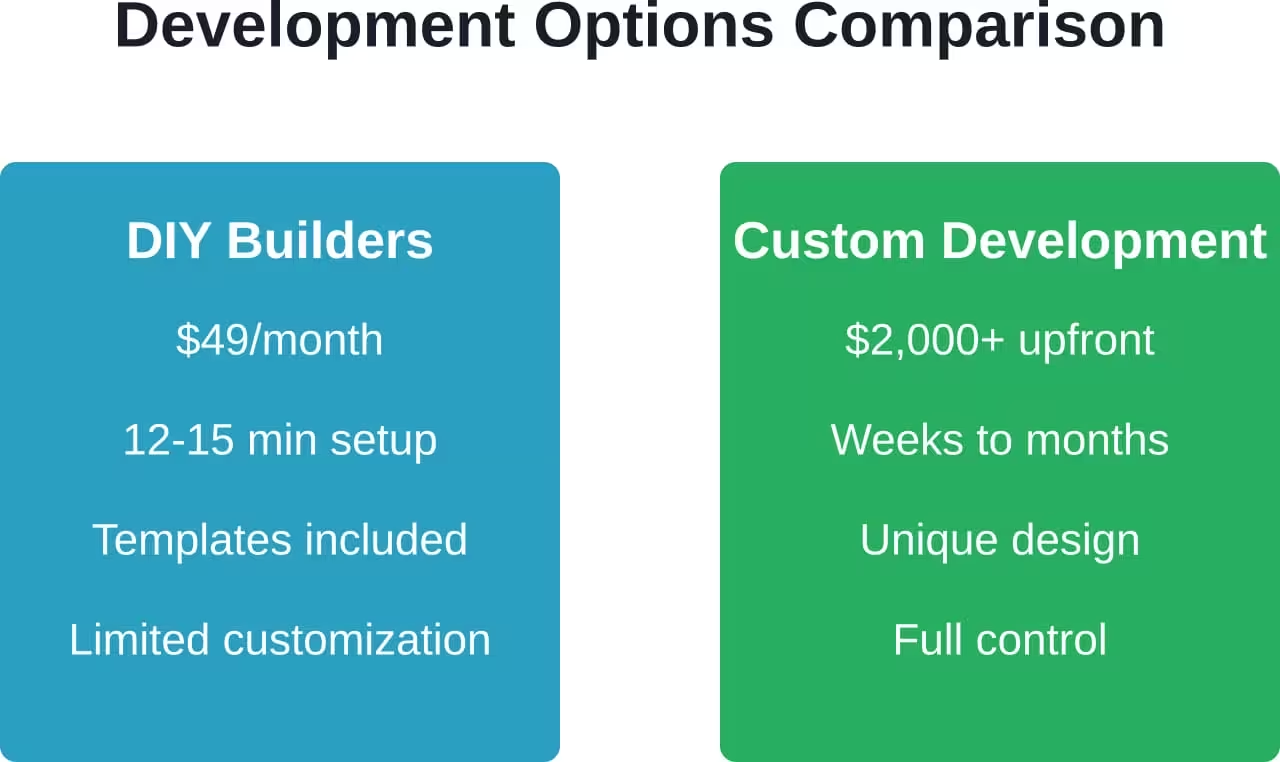
Landscaping professionals face a fundamental decision when building their online presence: hire a developer to build something custom, or use a specialized website builder designed for outdoor contractors.
According to the SBA, custom website development typically starts at $2,000 and can reach five figures depending on complexity and features. That investment gets a truly unique design built specifically around business needs.
DIY website builders, by contrast, offer paid plans with custom domains and no ads. Some specialized platforms designed specifically for lawn care and landscaping businesses start around $49/month.
The cost difference is substantial. But so is the feature set, timeline, and ongoing maintenance responsibility.
DIY Website Builders: Speed and Affordability
Specialized website builders for landscaping businesses have become sophisticated enough to produce professional results without coding knowledge. These platforms typically include:
- Industry-specific templates designed around landscaping services
- Pre-written content tailored to outdoor contractors
- Built-in photo galleries optimized for project portfolios
- Mobile-responsive designs that work across devices
- Contact forms and quote request systems
The biggest advantage? Launch speed. Some platforms advertise fully functional landscaping websites built in as little as 12-15 minutes using their template systems and pre-loaded content.
Real talk: that’s obviously using their defaults heavily. But even with customization, most DIY platforms let landscaping businesses go live within days rather than months.
Custom Development: Control and Differentiation
Custom website development means hiring professionals to build something from scratch. The SBA notes several downsides alongside the higher cost—particularly the time investment required to communicate needs to developers.
That said, custom development offers complete control over functionality, design, and user experience. For established landscaping companies with specific workflow requirements or unique service offerings, that flexibility matters.
Custom sites can integrate directly with business management software, create sophisticated before-and-after comparison tools, or build complex service area maps that generic templates can’t replicate.
Create a Landscaping Website That Helps Clients Decide Faster
Most landscaping websites lose clients not because something is missing, but because it takes too long to understand what’s actually offered. People don’t analyze every section – they decide quickly and move on. Lengreo handles website development through a structured approach that focuses on how the website is planned and built. Instead of relying on generic setups, the site is developed based on your services, goals, and specific requirements.
Build Your Landscaping Website Through a Structured Development Process
With Lengreo, website development follows a defined approach that ensures the site is built around your actual requirements:
- Discovery stage focused on your services, goals, and industry specifics
- Prototyping and design phase with iterative reviews and adjustments
- Front-end and back-end development based on approved structure
- Quality assurance before launch to ensure everything works properly
- Post-launch support for setup, fixes, and final adjustments
Reach out to Lengreo and get your landscaping website built to match your services.
Essential Pages Every Landscaping Website Needs
The SBA identifies five essential pages every small business website requires. For landscaping contractors specifically, these pages need particular elements to convert visitors into clients.
Homepage: The Virtual Front Door
The homepage serves as the virtual storefront—exactly like a physical location. It needs to be neat, clean, attractive, and professional according to SBA guidance on homepage improvement.
For landscaping businesses specifically, effective homepages typically include:
- Hero image or video showcasing high-quality completed projects
- Clear headline stating services and geographic area
- Prominent quote request button or contact information
- Brief overview of company specialties
- Trust indicators (years in business, certifications, awards)
The SBA recommends freshening content regularly—don’t let seasonal promotions from last year linger. Nothing undermines credibility faster than outdated information on the homepage.
Services Page: Detailing What Gets Done
Landscaping encompasses dozens of potential services. The services page needs to clearly outline what the business actually does—and ideally, what it specializes in.
Breaking services into clear categories helps. Residential lawn maintenance differs dramatically from commercial landscape installation or hardscape construction. Visitors searching for specific services should find them quickly.
Each service should include a brief description and, when possible, example images showing completed work in that category.
Portfolio: Proof of Expertise
Before-and-after galleries are essential for landscaping websites. They provide visual proof of capability in ways that text descriptions simply cannot.
Effective portfolio pages organize projects by type, showing variety while demonstrating expertise in specific areas. High-quality photography matters here more than anywhere else on the site.
Community discussions on platform selection frequently emphasize portfolio functionality as a critical feature when evaluating website builders for landscaping businesses.
Contact Page: Making Quote Requests Easy
The contact page exists for one primary purpose: capturing leads. For landscaping businesses, that means making quote requests as frictionless as possible.
Essential elements include:
- Simple contact form asking for name, contact info, and project description
- Phone number prominently displayed
- Service area map showing geographic coverage
- Business hours and response time expectations
Many landscaping website platforms include built-in quote request systems designed specifically for outdoor contractors, pre-configured with fields relevant to landscaping projects.
About Page: Building Trust and Connection
Landscaping involves inviting contractors onto private property for extended periods. The about page helps establish trust by introducing the team, explaining company values, and demonstrating professionalism.
Effective pages for landscaping businesses typically include team photos, owner background, company history, and community involvement. Certifications, insurance information, and professional memberships also belong here.
| Page Type | Primary Purpose | Key Elements |
|---|---|---|
| Homepage | First impression, service overview | Hero image, clear CTA, service summary |
| Services | Detail offerings | Service categories, descriptions, pricing approach |
| Portfolio | Visual proof | Before/after photos, project categories |
| Contact | Lead capture | Quote form, phone number, service area |
| About | Trust building | Team info, credentials, company values |
Critical Features for Converting Visitors Into Clients
The difference between a website that generates leads and one that doesn’t often comes down to specific conversion-focused features.
Mobile Optimization Is Non-Negotiable
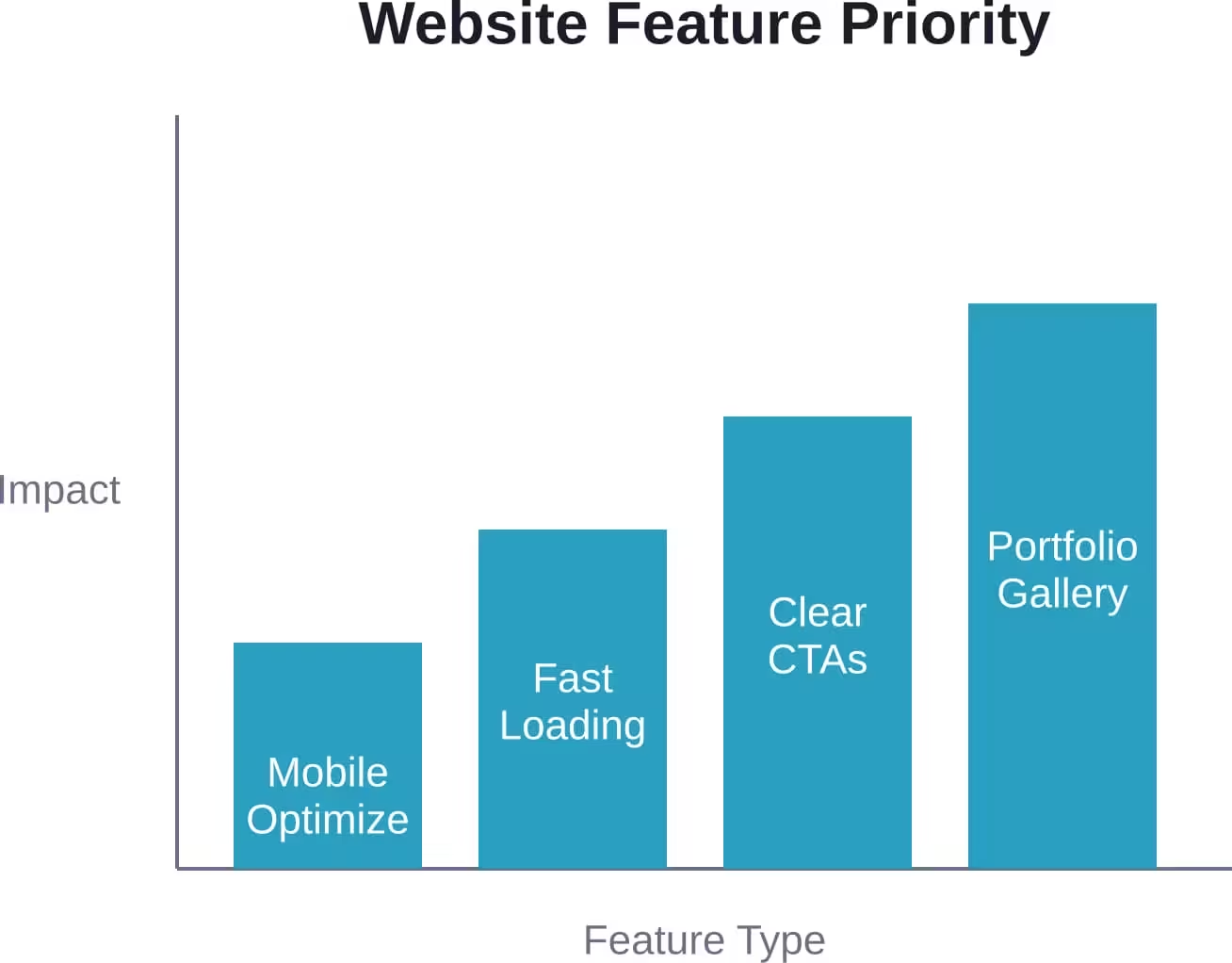
Homeowners search for landscaping contractors from their phones while standing in their yards. The website must work flawlessly on mobile devices—not just display properly, but actually function for quote requests and browsing portfolios.
Specialized landscaping website builders typically include mobile-responsive designs by default. Custom sites need explicit mobile optimization testing before launch.
Fast Load Times
High-resolution landscaping photos create gorgeous galleries. They also create massive file sizes that slow page loads to a crawl if not optimized properly.
Image compression and proper hosting matter enormously for landscaping websites given their visual nature. Slow page loads negatively impact user experience and search engine rankings.
Clear Calls-to-Action Throughout
Every page should guide visitors toward a quote request. That doesn’t mean aggressive pop-ups, but it does mean strategically placed contact buttons and forms.
Effective landscaping websites place quote request CTAs in the header navigation, at the end of service descriptions, within portfolio galleries, and in the footer. Multiple opportunities increase conversion rates.
Service Area Specificity
Landscaping businesses serve specific geographic areas. Websites should clearly communicate service areas to avoid wasting time on leads outside coverage zones.
Maps, city lists, or county breakdowns all work. The key is making geographic coverage immediately obvious so visitors know whether the business serves their location.
Content Strategy for Landscaping Websites
Many landscaping contractors treat website content as an afterthought. That’s a mistake. Strategic content directly impacts both search visibility and conversion rates.
Service Descriptions That Answer Real Questions
Generic service descriptions like “We offer lawn maintenance” don’t help visitors make decisions. Effective service content answers specific questions potential clients actually have.
What does lawn maintenance include? How often does it happen? What’s the typical cost structure—per visit, monthly contract, seasonal package? Does it include edging, trimming, blowing, and cleanup?
The more specific the content, the more qualified the leads. Detailed service descriptions filter out poor-fit clients while attracting those whose needs align with offerings.
Local Targeting in Content
Landscaping is inherently local. Content should reflect that by mentioning specific cities, neighborhoods, and geographic features within the service area.
This helps search visibility for location-based searches—how people actually find landscapers—while also building local credibility with visitors who recognize their area mentioned specifically.
Pre-Written Content Libraries
Several specialized website builders for landscaping businesses include pre-written content libraries. These provide starting points for service descriptions, about page copy, and common FAQ answers.
While these templates need customization to reflect specific business offerings and voice, they solve the blank-page problem many contractors face when writing website content from scratch.
Ongoing Website Management and Updates
Launching the website is just the beginning. Effective landscaping websites require ongoing attention to remain current and continue generating leads.
Seasonal Content Updates
Landscaping is a seasonal business in most regions. Website content should reflect current services and seasonal focuses rather than displaying winter snow removal information in July.
Industry experts specifically warn against this—outdated seasonal content damages credibility. Regular content updates showing current offerings and availability demonstrate an active, professional operation.
Portfolio Additions
Completed projects should flow into the portfolio regularly. Fresh work keeps the gallery current and demonstrates ongoing activity.
Many landscaping website platforms make portfolio updates straightforward through simple content management systems designed for non-technical users.
Performance Monitoring
Website analytics show which pages visitors view most, where they drop off, and which sources send traffic. This data informs improvements over time.
Basic analytics integration helps landscaping businesses understand whether the website actually generates leads or just exists without contributing to business growth.
Making the Development Decision
So which approach makes sense—DIY builder or custom development?
For most landscaping businesses, specialized DIY builders offer the best balance of cost, speed, and functionality. They provide industry-specific features, professional templates, and manageable ongoing costs.
Custom development makes sense for established companies with unique requirements, complex service offerings, or specific integration needs that generic platforms can’t accommodate. The higher investment delivers differentiation and complete control.
Website design resources note that professionally designed templates can be purchased for under $100 from places like ThemeForest or TemplateMonster. For landscaping businesses comfortable with more technical setup, this middle path offers customization without full development costs.
| Option | Best For | Typical Cost | Launch Timeline |
|---|---|---|---|
| DIY Builder | Most small-to-mid landscaping companies | $49-$99/month | Days to weeks |
| Custom Development | Established firms, complex needs | $2,000-$15,000+ | Weeks to months |
| Template Customization | Technical comfort, budget-conscious | Under $100 + hosting | Weeks |
Building an Online Presence That Generates Leads
Website development for landscaping businesses isn’t about creating the flashiest design or most complex functionality. It’s about building an online presence that does what effective websites do: attracts the right visitors and converts them into clients.
That means choosing a development approach that fits budget and technical comfort, including essential pages with strategic content, optimizing for mobile devices, and maintaining the site with fresh portfolio work and seasonal updates.
The landscaping companies generating consistent leads from their websites aren’t necessarily those with the most expensive custom development. They’re the ones with clear service descriptions, strong visual portfolios, obvious contact paths, and content that matches what potential clients actually search for.
Whether that comes from a specialized DIY builder or custom development matters less than getting the fundamentals right. Start with the essentials, launch something professional, and refine based on actual lead generation results rather than guessing what might work.