

Quick Summary: Website development for interior designers involves creating a digital platform that showcases portfolios, attracts ideal clients, and reflects a designer’s unique aesthetic. Options range from DIY platforms starting around $12-17/month to custom builds starting at $2,000, with the right choice depending on technical skills, budget, and business goals.
Interior designers face a unique challenge when building a website. The site needs to do more than just look pretty—it has to showcase work beautifully, communicate professionalism, and convert visitors into paying clients.
But here’s the thing. Most design professionals aren’t developers. And that creates a fundamental question: should designers invest in a custom website or use a DIY platform?
The answer isn’t one-size-fits-all. Studio size, budget, technical comfort, and business goals all factor into the decision.
DIY Platforms vs Custom Development: What Makes Sense?
According to the Small Business Administration, typical paid plans for DIY website platforms can cost less than $30/month, while custom website development starts at $2,000 and can reach five figures. That’s a significant gap.
DIY platforms like Squarespace, Wix, and Weebly offer interior design-specific templates. Designers can launch a professional-looking site without touching code. The trade-off? Less flexibility and potentially cookie-cutter aesthetics.
Custom development delivers complete control over layout, functionality, and user experience. High-end designers often choose this route because their website becomes a direct extension of their design philosophy. The downside is cost and ongoing developer dependency for updates.
| Approach | Starting Cost | Best For | Main Limitation |
|---|---|---|---|
| DIY Platform | ~$12-30/month | New studios, budget-conscious designers | Limited customization |
| Template Purchase | ~$100 one-time | Tech-savvy designers wanting control | Requires some technical skill |
| Custom Build | $2,000+ | Established firms, luxury market positioning | Higher investment, ongoing maintenance |
Real talk: many successful interior design studios start with DIY platforms and migrate to custom builds as revenue grows. There’s no shame in starting simple.
Get an Interior Design Website Built to Attract Clients
A portfolio alone doesn’t bring projects if the website isn’t structured to guide visitors toward action. Even strong design work can get lost when the site isn’t built around how clients actually browse and decide.
Lengreo develops websites through a structured process from research and planning to development and launch. Instead of focusing only on visuals, they build sites that support how interior designers present projects, adapt to different requirements, and stay manageable over time.
Use the Right Tech Setup to Build a Site You Can Actually Scale
Lengreo uses practical technologies and setups to make sure the website works long-term:
- Development based on JavaScript or WordPress depending on project needs
- Flexible approach for both simple sites and fully custom builds
- Efficient development process that respects timelines
- Cost-conscious setup without unnecessary complexity
- Structure designed for easy updates and long-term performance
👉 Contact Lengreo to build an interior design website that attracts the right clients and supports your growth.
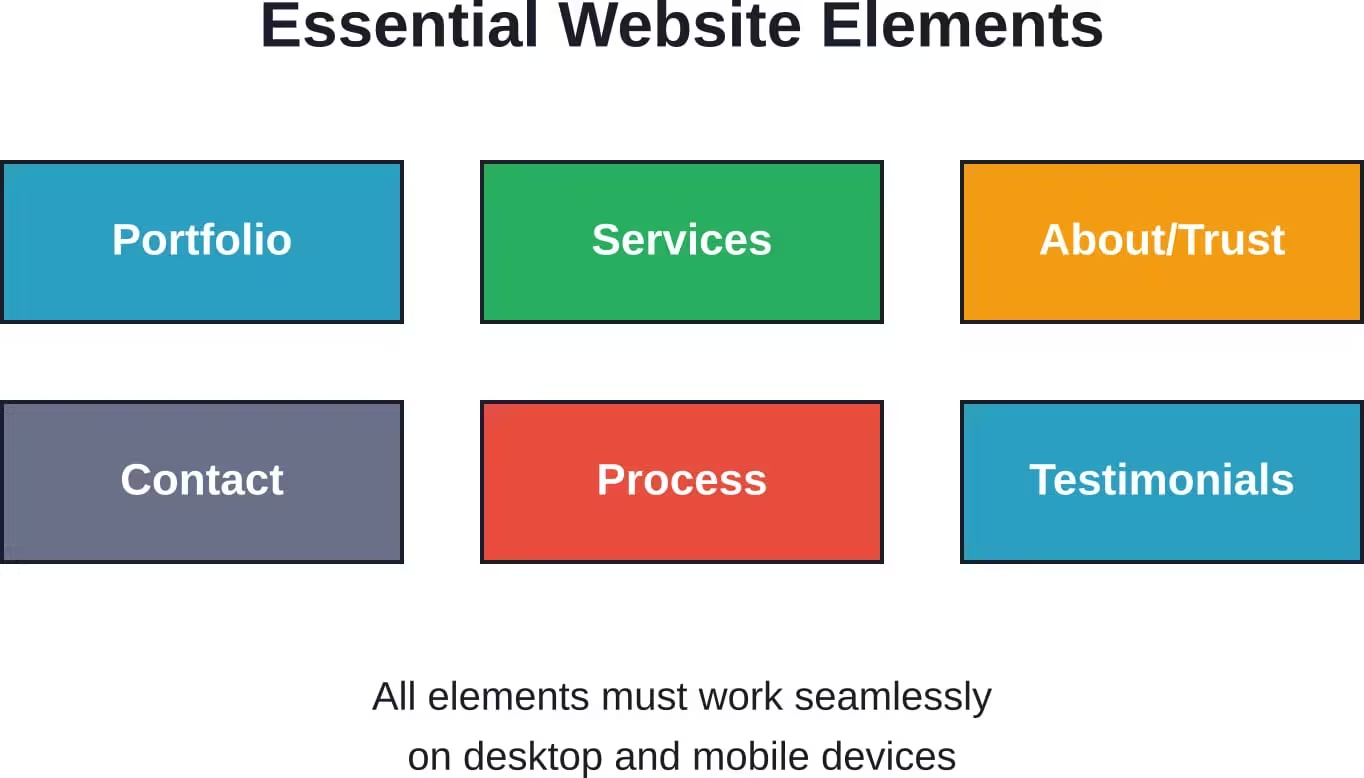
Essential Features Every Interior Design Website Needs
Regardless of the development approach, certain elements separate effective design websites from digital brochures that don’t convert.
Portfolio Presentation That Sells
The portfolio is the centerpiece. Visitors spend seconds forming first impressions—researches note that homepages have just 3-5 seconds to make an impact.
High-resolution project photography matters more than clever copy for designers. Images should load quickly despite their size, display beautifully on mobile devices, and organize by style, room type, or project scope.
Many top design websites feature before-and-after galleries. These visual transformations demonstrate value more effectively than any written testimonial.
Clear Service Descriptions and Process
Potential clients often don’t understand how interior designers work. The website needs to educate visitors about services offered, typical project timelines, and what working together looks like.
This isn’t about lengthy paragraphs. Short, scannable descriptions work better. Behavioral research shows most website visitors don’t read—they scan. Structure matters more than word count.
Trust-Building Elements
The American Society of Interior Designers maintains a Code of Ethics requiring members to conduct professional practice in ways that inspire client respect. Websites should reflect this professionalism through credentials, certifications, industry affiliations, and client testimonials.
Contact information should be easy to find. Hiding it behind multiple clicks creates friction that prevents conversions.
Platform Considerations for Design Professionals
The interior design industry has seen specialized platforms emerge. Studio Designer, for instance, positions itself as a leading business platform specifically for interior designers, combining project management with website capabilities.
But does a designer need an industry-specific platform?
Not necessarily. General website builders work perfectly fine if they offer design-friendly templates and robust image handling. The key is matching platform capabilities to actual business needs.
When DIY Platforms Work Best
New studios benefit from DIY platforms because they minimize upfront investment. If the business model isn’t validated yet, spending thousands on custom development doesn’t make financial sense.
Solo designers or small teams without dedicated marketing staff also find DIY platforms more manageable. Updates happen without developer intervention.
When Custom Development Makes Sense
Luxury and high-end designers targeting affluent clients often need custom websites. The site itself becomes a credibility signal—generic templates can undermine premium positioning.
Established firms with complex service offerings, multiple team members, and integrated business systems benefit from custom builds. Integration with CRM platforms, project management tools, and accounting systems requires developer expertise.
According to SBA guidance, professionally designed templates can be purchased for under $100, offering a middle ground between fully DIY and custom development.
Mobile Responsiveness Is Non-Negotiable
More potential clients browse design portfolios on phones and tablets than ever before. A website that looks stunning on desktop but breaks on mobile fails at its primary job.
All modern DIY platforms handle responsive design automatically. Custom builds require explicit mobile optimization—something to discuss with developers upfront, not as an afterthought.
Image galleries particularly need mobile testing. Pinch-to-zoom functionality, fast loading times, and intuitive navigation matter significantly on smaller screens.
Content Strategy: What to Say and How to Say It
Website content serves multiple purposes. It needs to rank in search engines, communicate expertise to potential clients, and reflect brand voice.
The SBA emphasizes that websites should clarify messaging and build trust through content that addresses what drives customer decision-making. For interior designers, this means answering common questions before prospects ask them.
Homepage Content
Homepages should immediately communicate who the designer serves and what makes their approach unique. Generic statements like “creating beautiful spaces” don’t differentiate.
Specific positioning works better: “luxury residential design for historic Boston homes” or “commercial hospitality interiors that maximize revenue per square foot.”
About Page Authenticity
The About page shouldn’t be a resume dump. Clients want to know design philosophy, approach to client relationships, and what working together feels like.
Personal elements matter. Many successful design websites include designer photos, stories about how they entered the field, or insights into their creative process.
Ongoing Maintenance and Updates
Websites aren’t set-it-and-forget-it assets. Fresh content signals active business operations. The SBA recommends regularly updating homepage content, citing examples of outdated seasonal menus as signs of neglect.
For designers, this means adding new projects as they complete, updating service descriptions as offerings evolve, and refreshing testimonials periodically.
DIY platforms make updates straightforward. Custom websites may require developer assistance for changes, adding to long-term costs.
Final Thoughts
Website development for interior designers doesn’t follow a universal formula. The right approach depends on budget, technical comfort, business stage, and market positioning.
New studios often benefit from starting with affordable DIY platforms, then migrating to custom builds as revenue grows. Established firms targeting luxury markets may need custom development from the start to properly signal brand positioning.
Regardless of approach, the fundamentals remain constant: stunning portfolio presentation, clear service communication, trust-building elements, and mobile responsiveness.
The best website is one that actually gets built and launched. Perfection paralysis helps no one. Start with the option that makes sense today, knowing websites can evolve as the business grows.