


Quick Summary: Website development for hardscape companies should focus on lead generation, not aesthetics. A professional hardscaping website needs fast load times, mobile optimization, clear calls-to-action, portfolio showcases, and SEO structure tailored to the buyer journey — from first search to booked consultation.
The hardscape industry operates differently than most trades. Homeowners shopping for patios, retaining walls, or outdoor kitchens aren’t making impulse decisions. They’re researching, comparing portfolios, and looking for contractors they can trust with $15,000–$75,000 projects.
That means a hardscaping website can’t just look pretty. It needs to guide prospects through a deliberate buyer journey — answering questions, showcasing expertise, and making the next step obvious.
Here’s what actually works in website development for hardscape companies right now.
Why Generic Website Builders Fall Short for Hardscape Contractors
Platform builders like Wix, Squarespace, or basic WordPress templates weren’t designed for contractor lead generation. They’re built for e-commerce, blogs, or generic business cards.
Hardscape projects require visual proof. Potential clients need to see completed patios, intricate paver patterns, tiered retaining walls, and outdoor living spaces. Generic templates don’t prioritize portfolio showcases or project-specific content architecture.
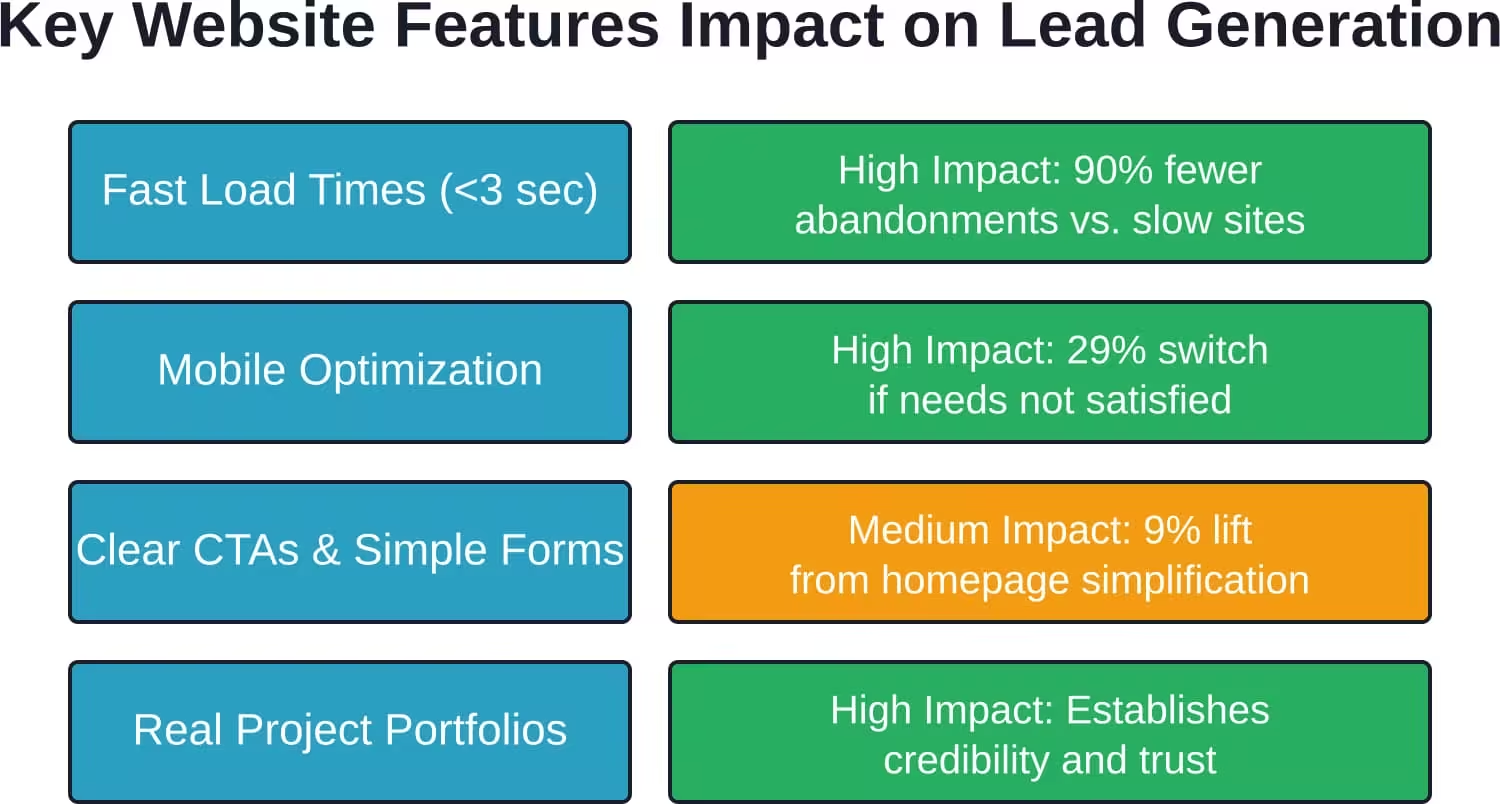
And here’s the problem: smartphone users will immediately switch to another site if it doesn’t satisfy their needs — research shows that 29% of users abandon sites when their needs are not satisfied. Load times matter even more. The probability of abandoning a page increases by 90% when load time jumps from one to five seconds, according to Google/SOASTA research.
So what does a hardscape-focused website actually need?
Essential Elements of High-Converting Hardscape Websites
Hardscape website development centers on a few non-negotiables. Skip any of these, and the site becomes a digital brochure instead of a lead generation system.
Portfolio That Demonstrates Range and Quality
Before-and-after galleries work, but only if organized by project type. Homeowners searching for “paver patio contractors” want to see paver patios — not a mixed gallery of everything the company has ever built.
Project pages should include:
- High-resolution photos (multiple angles)
- Project scope and materials used
- Approximate timeline
- Challenges solved during installation
This format turns passive browsing into active evaluation. Prospects begin to picture their own project and understand the contractor’s expertise.
Clear Calls-to-Action on Every Page
Every page needs an obvious next step. “Request a Consultation,” “Get Your Free Estimate,” or “Schedule a Site Visit” buttons should appear above the fold and at natural exit points throughout the content.
Conversion optimization research shows that simplifying a homepage can boost sign-ups by 9%. Remove friction. Make contact forms short — name, email, phone, project type, and optional message.
Mobile-First Design
Most hardscape searches happen on mobile devices. Homeowners browse while sitting in their backyard, envisioning the transformation. If the site doesn’t load properly on a phone, the opportunity vanishes.
Mobile-first design means:
- Tap-friendly buttons (minimum 44×44 pixels)
- Readable text without zooming (16px minimum)
- Fast image loading (compressed, responsive images)
- Simplified navigation (hamburger menus, collapsible sections)
Testing on actual devices matters more than desktop previews.
Service Area Pages
Hardscape companies operate within defined geographic regions. Creating dedicated pages for each service area improves local SEO and helps prospects confirm coverage.
Each service area page should include:
- City or region name in the H1 and title tag
- Local landmarks or neighborhoods served
- Relevant project examples from that area
- Unique content (not duplicated across pages)
This structure helps the site rank for geo-specific searches like “paver patio contractor in [city].”
SEO Strategy for Hardscape Contractors
Organic search drives qualified leads, but ranking requires understanding how homeowners search for hardscape services.
The challenge? Most searchers need to scroll down 40-60% of the Google search page to see the top organic ranking webpage result links, according to landscape industry marketing research. Paid ads occupy the first two sections, pushing organic results lower.
That makes on-page SEO and content strategy even more critical.
Keyword Research for Hardscape Services
Homeowners don’t search for “hardscaping.” They search for specific solutions:
- “Paver patio installation near me”
- “Retaining wall contractors [city]”
- “Outdoor kitchen builders”
- “Permeable paver driveway cost”
Each service should have a dedicated page targeting primary and secondary keywords. Blog content can capture informational searches (“how much does a paver patio cost” or “best materials for retaining walls”).
Technical SEO Basics
Search engines prioritize sites that load quickly and function properly. Technical SEO covers the foundation:
- HTTPS security (SSL certificate required)
- XML sitemap submitted to Google Search Console
- Mobile-responsive design
- Optimized images (compressed, with descriptive alt text)
- Clean URL structure (/services/paver-patios, not /page?id=123)
These aren’t optional. They’re table stakes for ranking in 2026.
Local SEO and Google Business Profile
Local search visibility depends on more than the website. Google Business Profile optimization drives map pack rankings and local discovery.
Key factors include:
- Complete profile with accurate NAP (name, address, phone)
- Primary and secondary business categories
- Regular photo uploads (recent projects)
- Customer reviews and responses
- Posts and updates
The website should link to the Google Business Profile, and vice versa. Consistent NAP information across the site, profile, and citations (directories, local listings) strengthens local rankings.
Content Strategy That Builds Authority
Blogging isn’t just for SaaS companies. Hardscape contractors benefit from educational content that answers common homeowner questions.
Effective blog topics include:
- Cost guides (“How Much Does a Paver Patio Cost in [Year]?”)
- Material comparisons (“Concrete Pavers vs. Natural Stone: Pros and Cons”)
- Maintenance tips (“How to Clean and Seal Your Paver Driveway”)
- Design inspiration (“5 Outdoor Kitchen Layouts for Small Backyards”)
Each post should target a specific keyword, include internal links to service pages, and end with a call-to-action.
Consistent publishing (even just one quality post per month) signals active business operations and provides fresh content for search engines to index.
Integration With Lead Management Systems
The website captures leads, but what happens next determines conversion rates. Integration with customer relationship management (CRM) platforms automates follow-up and tracks lead sources.
Modern hardscape websites often connect with platforms that handle:
- Automated email responses to form submissions
- Lead scoring based on project type and budget
- Appointment scheduling and calendar integration
- SMS follow-up sequences
This automation ensures no lead falls through the cracks between initial contact and scheduled estimate.
Measuring Website Performance
Website development doesn’t end at launch. Tracking performance metrics reveals what’s working and what needs adjustment.
| Metric | What It Measures | Target Range |
|---|---|---|
| Organic Traffic | Visitors from search engines | Steady month-over-month growth |
| Conversion Rate | Percentage of visitors who submit forms | 2-5% for contractor sites |
| Bounce Rate | Visitors who leave after one page | Below 60% |
| Average Session Duration | Time spent on site | 2-4 minutes |
| Page Load Time | Seconds until interactive | Under 3 seconds |
Google Analytics and Search Console provide most of these metrics. Heatmap tools (like Hotjar or Microsoft Clarity) show where users click, scroll, and abandon pages.
Common Mistakes in Hardscape Website Development
Even well-intentioned contractors make avoidable errors when building websites.
Prioritizing Aesthetics Over Function
Flashy animations and complex layouts might impress at first glance, but they often slow load times and confuse navigation. Simple, clean designs convert better.
Hiding Contact Information
Phone numbers and contact forms should be visible on every page. Prospects shouldn’t need to hunt for a way to reach out.
Neglecting Mobile Experience
Testing on desktop only leads to broken layouts, unreadable text, and frustrated mobile users who make up the majority of traffic.
Using Stock Photos Instead of Real Projects
Generic hardscape images from stock libraries destroy credibility. Homeowners can spot fake portfolios instantly. Real project photos — even if not professionally shot — build far more trust.
Ignoring SEO Fundamentals
Beautiful design means nothing if no one finds the site. SEO isn’t optional for contractors who rely on local search visibility.
Choosing Between DIY and Professional Development
Some contractors build their own websites. Others hire agencies or specialized developers. The right choice depends on budget, timeline, and technical comfort.
DIY Website Builders
Platforms marketed to landscaping and hardscape businesses offer templates and drag-and-drop editors. These work for contractors who need a basic online presence quickly and affordably.
Limitations include restricted customization, template-based designs that competitors might also use, and reliance on the platform’s SEO capabilities.
Professional Website Development
Agencies that specialize in contractor websites understand lead generation, local SEO, and hardscape-specific content architecture. Custom development costs more upfront but often delivers better long-term results.
Look for developers who show:
- Portfolio of contractor clients (especially hardscape or landscape)
- Understanding of local SEO and lead generation
- Clear process from discovery to launch
- Ongoing support and performance tracking
The investment pays off when the site consistently generates qualified leads.
Get a Hardscape Website That Brings You Clients
If your website isn’t generating inquiries, it’s holding your business back. You need a site that clearly shows your services and supports how clients actually decide to contact you.
Lengreo develops business websites, landing pages, and eCommerce solutions built to turn visitors into leads. Their process starts with discovery and business analysis, moves through design and development, and ends with quality assurance and launch support. Everything is structured around your goals, with a setup that supports real use, not just presentation.
Build a Website to Support Real Work and Real Leads
Lengreo handles the full development cycle with a clear, structured approach:
- Discovery, research, and business analysis before any design work
- Prototyping and design development with regular reviews
- Front-end and back-end development with staged approvals
- Quality assurance, launch setup, and full functionality checks
If your current site isn’t bringing in consistent projects, contact Lengreo and fix it properly.
Future Trends in Hardscape Website Development
Website technology evolves constantly. Staying current with emerging trends keeps hardscape contractors competitive.
AI-Powered Chatbots
Automated chat tools answer common questions 24/7, qualify leads, and schedule appointments even when the office is closed. Implementation has become simpler and more affordable.
Video Integration
Short project walkthroughs, time-lapse installations, and testimonial videos increase engagement and time on site. Hosting on platforms like YouTube also provides additional SEO benefits.
Interactive Design Tools
Some hardscape websites now include cost calculators, material selectors, or basic design visualizers. These tools capture contact information while providing value to prospects.
Conclusion
Website development for hardscape companies isn’t about winning design awards. It’s about building a lead generation system that works while the crew is on job sites.
The best hardscape websites load fast, showcase real projects, guide prospects through clear next steps, and rank for local searches. They integrate with follow-up systems and track performance metrics that matter.
Start with the fundamentals: mobile optimization, portfolio organization, service area pages, and local SEO. Then refine based on actual user behavior and conversion data.
Ready to turn site visitors into booked consultations? Evaluate the current website against these benchmarks, identify gaps, and prioritize fixes that directly impact lead generation. The investment in proper website development pays for itself with every qualified lead that turns into a signed contract.