


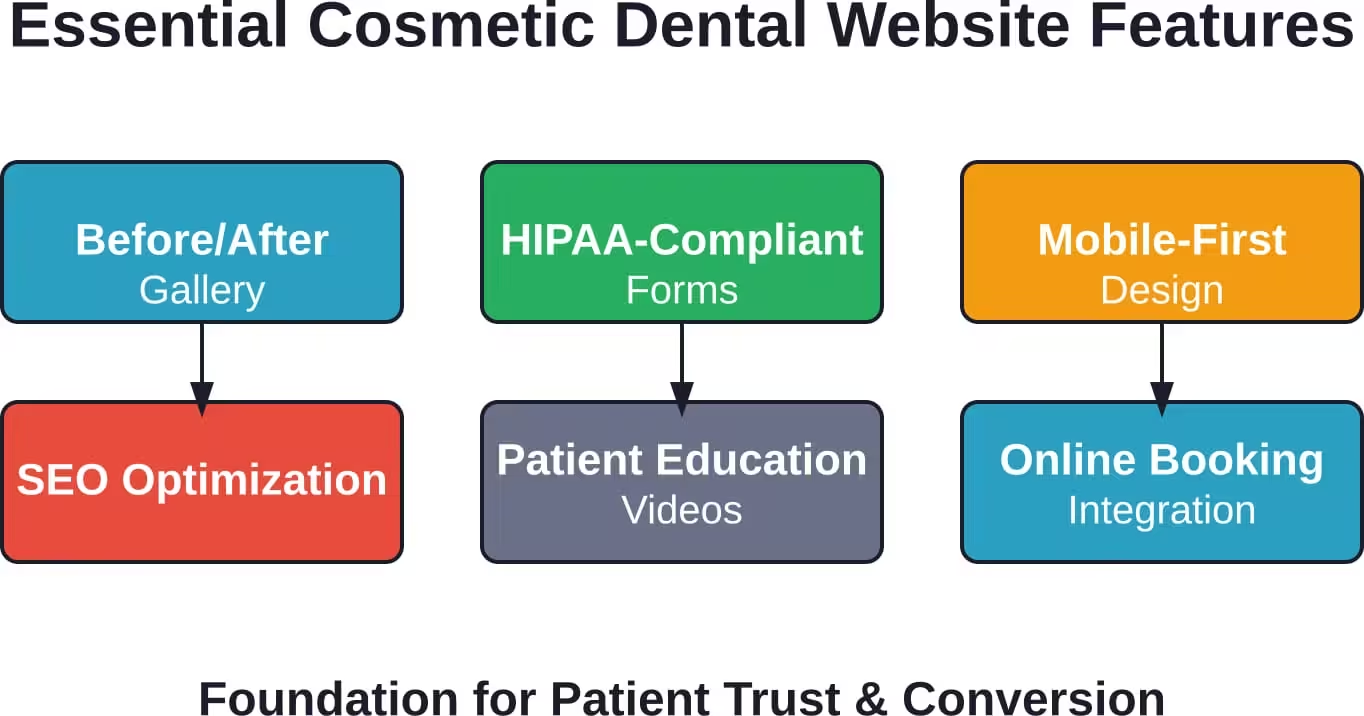
Quick Summary: Professional website development for cosmetic dentistry practices requires specialized design focused on visual appeal, patient trust, and compliance with healthcare regulations. A high-converting cosmetic dental website combines stunning before-and-after galleries, HIPAA-compliant contact forms, mobile-responsive design, and search engine optimization to attract patients seeking smile transformations.
The first impression potential patients get of a cosmetic dental practice happens online. Not in the waiting room. Not during a phone call. On the website.
And here’s the thing—generic dental websites won’t cut it for cosmetic practices. Patients researching veneers, whitening treatments, or smile makeovers need visual proof, trust signals, and an experience that matches the premium service they’re considering.
Specialized website development for cosmetic dentistry addresses these unique needs with design elements that general dental sites typically miss.
Why Cosmetic Dentistry Websites Need Specialized Development
Cosmetic dentistry operates in a different space than general dental care. Procedures are often elective. Patients aren’t just looking for treatment—they’re investing in confidence and appearance.
That changes everything about how the website should function.
Social media analysis of cosmetic dentistry content reveals that 56.53% of tweets about cosmetic procedures focus on specific treatments, with veneers accounting for 43.2% and whitening 13.3% of tweets about specific cosmetic procedures. But here’s what’s interesting: 68.03% of opinions about veneers were negative, and 43.44% of whitening opinions were negative, according to data from the National Library of Medicine.
This negativity creates a trust barrier. The website becomes the primary tool for overcoming skepticism and demonstrating credibility.
Visual-First Design Requirements
Before-and-after galleries aren’t optional—they’re the cornerstone. Potential patients need to see real results from the practice.
High-resolution images with proper lighting and consistent angles build credibility. Pixelated photos or stock images do the opposite.
According to the American Dental Association, digital dentistry resources—including imaging technology and 3D printing—are transforming how practices showcase their capabilities. Modern cosmetic dental websites integrate these technologies into patient education.
HIPAA Compliance and Patient Privacy
Healthcare websites operate under strict regulations. The Health Insurance Portability and Accountability Act (HIPAA) governs how patient information is collected, stored, and transmitted.
According to the U.S. Department of Health and Human Services, HIPAA violations carry penalties that vary significantly depending on factors such as the date of the violation, whether the covered entity knew or should have known of the failure to comply, with penalties may not exceed a calendar year cap for multiple violations of the same requirement.
For cosmetic dental websites, this means:
- Contact forms must use encrypted transmission (SSL certificates are mandatory)
- Patient testimonials require written authorization
- Before-and-after photos need documented consent
- Any online booking system must meet Protected Health Information (PHI) standards
Research published by the National Institutes of Health shows that HIPAA restrictions significantly impact healthcare operations, with HIPAA restrictions on research have affected the ability to perform chart-based retrospective studies, making it more challenging to evaluate patients prospectively for follow-up.
But wait. This doesn’t mean avoiding patient interaction features. It means implementing them correctly from the start.
Secure Form Implementation
Standard WordPress contact forms won’t cut it for medical practices. HIPAA-compliant form solutions encrypt data both in transit and at rest.
Best practice involves using specialized plugins designed for healthcare or working with developers who understand the technical requirements. Generic form builders expose practices to liability.
Design Elements That Convert Cosmetic Dental Patients
Conversion-focused design for cosmetic dentistry balances aesthetics with functionality. The site needs to look as polished as the results patients expect from their procedures.
Real talk: most dental websites fail here. They either look clinical and cold, or they overcomplicate navigation with too many procedure pages and confusing menus.
| Design Element | Purpose | Implementation Priority |
|---|---|---|
| Hero Section with Smile Imagery | Immediate visual impact and emotional connection | Critical |
| Clear Procedure Menu | Easy navigation to veneers, whitening, bonding pages | Critical |
| Prominent Call-to-Action Buttons | Schedule consultation, virtual consult options | Critical |
| Trust Signals | Credentials, associations (like ADA membership), reviews | High |
| Mobile-Responsive Layout | 60%+ of searches happen on mobile devices | Critical |
| Fast Load Times | Reduced bounce rate, better SEO rankings | High |
The homepage should answer three questions within five seconds: What procedures are offered? Where is the practice located? How can someone book an appointment?
Anything that doesn’t serve one of those goals creates friction.
Patient Education Integration
The American Dental Association offers educational video resources through ADA Toothflix, with complete series packages with member pricing at $699 and retail pricing at $1,049 for the English-language version. These professionally produced videos help patients understand procedures before committing.
Integrating educational content directly on procedure pages reduces consultation anxiety and pre-qualifies leads. When patients understand what veneers involve before calling, conversations move faster.
SEO Strategy for Cosmetic Dental Websites
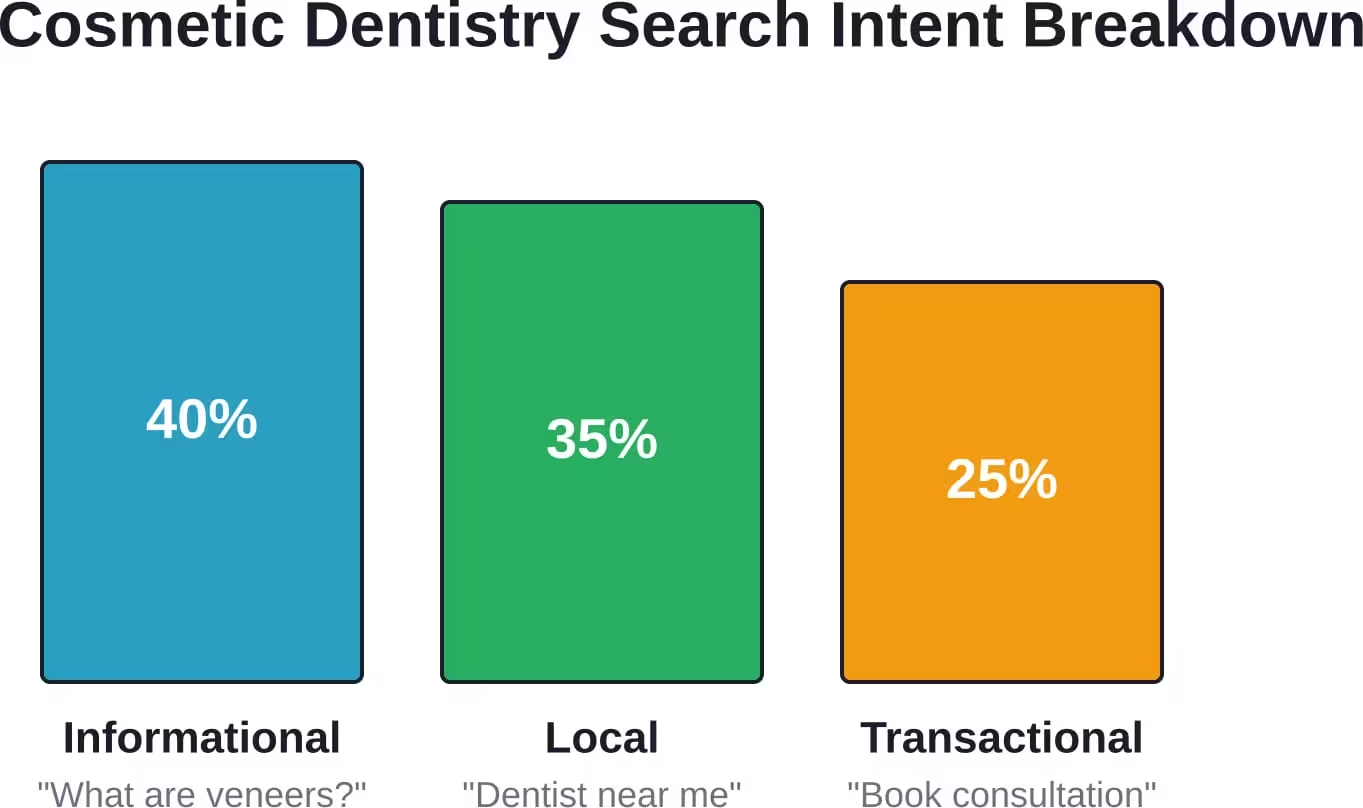
Search engine optimization for cosmetic dentistry focuses on local search and procedure-specific keywords. Most patients search for “cosmetic dentist near me” or “veneers in [city name]” rather than generic dental terms.
Technical SEO requirements include:
- Local business schema markup
- Google Business Profile integration
- Location-specific landing pages for multi-office practices
- Optimized image alt text for procedure photos
- Mobile page speed optimization
Content strategy should target both informational searches (“how much do veneers cost”) and transactional searches (“book veneers consultation”).
Content That Addresses Patient Concerns
The negative sentiment revealed in social media analysis—Social media analysis shows negative opinions about veneers and whitening procedures among some users—shows what patients worry about.
Website content should proactively address these concerns. Procedure pages need sections on safety, candidacy requirements, and what makes treatments appropriate or inappropriate for different patients.
Choosing Development Approaches
Practices typically face three options: template-based platforms, custom development, or specialized dental website companies.
| Approach | Pros | Cons |
|---|---|---|
| Template Platforms | Lower cost, faster launch, DIY control | Limited customization, generic appearance, manual HIPAA implementation |
| Custom Development | Complete control, unique design, tailored features | Higher investment, longer timeline, requires technical expertise |
| Specialized Dental Website Companies | Industry-specific features, compliance built-in, dental marketing integration | Ongoing subscription costs, less flexibility for unique requests |
The right choice depends on budget, timeline, and how much the practice wants to differentiate its online presence.
For practices endorsed by dental associations or seeking credibility through professional affiliations, specialized providers often integrate these trust signals more effectively. Recognition from organizations like the American Dental Association can be highlighted through proper badge placement and credential displays.
Get a Website Built to Generate Patient Inquiries
Choosing the right development approach matters, but the outcome matters more. Many dental websites meet technical requirements and still fail at one thing – bringing in new patient inquiries. Lengreo works as a combined marketing and development partner, building websites with lead generation in mind. Instead of separating traffic, design, and conversion, they connect SEO, paid ads, and outreach with how the website is structured.
Turn Your Website Into a Reliable Source of Patient Leads
Lengreo focuses on building websites that support actual lead generation, not just visual presentation:
- Website development for business, eCommerce, and landing pages
- Full development cycle from research and prototyping to launch
- Development using JavaScript and WordPress
- Quality assurance and post-launch support
- Flexible solutions from template-based builds to fully custom websites
If you need a website that actually supports patient acquisition, talk to Lengreo and start building it the right way.
Mobile Experience and Loading Speed
Mobile traffic dominates local search. Patients researching cosmetic procedures during commutes or breaks aren’t patient with slow-loading sites.
Google’s Core Web Vitals now directly impact search rankings. Sites that don’t load within three seconds lose visitors before the first image even appears.
For image-heavy cosmetic dentistry sites, this creates a technical challenge. Before-and-after galleries need optimization without quality loss—lazy loading, proper image compression, and next-gen formats like WebP.
Responsive Design Considerations
Desktop and mobile visitors have different needs. Desktop users might browse multiple procedure pages. Mobile users often want immediate contact options.
Click-to-call buttons, mobile-optimized forms, and simplified navigation menus make mobile conversion easier. The booking flow should require minimal typing on small screens.
Building Patient Trust Through Digital Presence
Website development for cosmetic dentistry isn’t just about looking good online. It’s about creating a digital experience that matches the transformative results patients seek.
The combination of stunning visuals, regulatory compliance, strategic optimization, and patient-focused design separates practices that thrive from those struggling to fill their consultation calendar.
Every element—from HIPAA-compliant contact forms to mobile-responsive before-and-after galleries—works together to build the trust necessary for patients to invest in their smile transformation.
Ready to develop a cosmetic dentistry website that converts visitors into consultation bookings? Focus on the fundamentals: compliance, visual proof, mobile experience, and clear calls to action. The technical details matter, but patient trust drives everything.