


Quick Summary: Website development for campgrounds involves creating mobile-responsive, SEO-optimized sites that integrate online booking systems, showcase amenities through professional imagery, and convert visitors into reservations. A professional campground website serves as the primary marketing tool, with industry data showing parks with dedicated websites experience substantially higher visibility and booking rates compared to those relying solely on third-party directories.
Campers search online before booking. That’s not speculation—it’s how outdoor hospitality works now.
Without a professional website, campgrounds lose reservations to competitors who show up in search results with polished, mobile-friendly sites. The difference between a DIY WordPress template and purpose-built campground website development often determines whether visitors click “Book Now” or move to the next search result.
Why Campground Websites Need Specialized Development
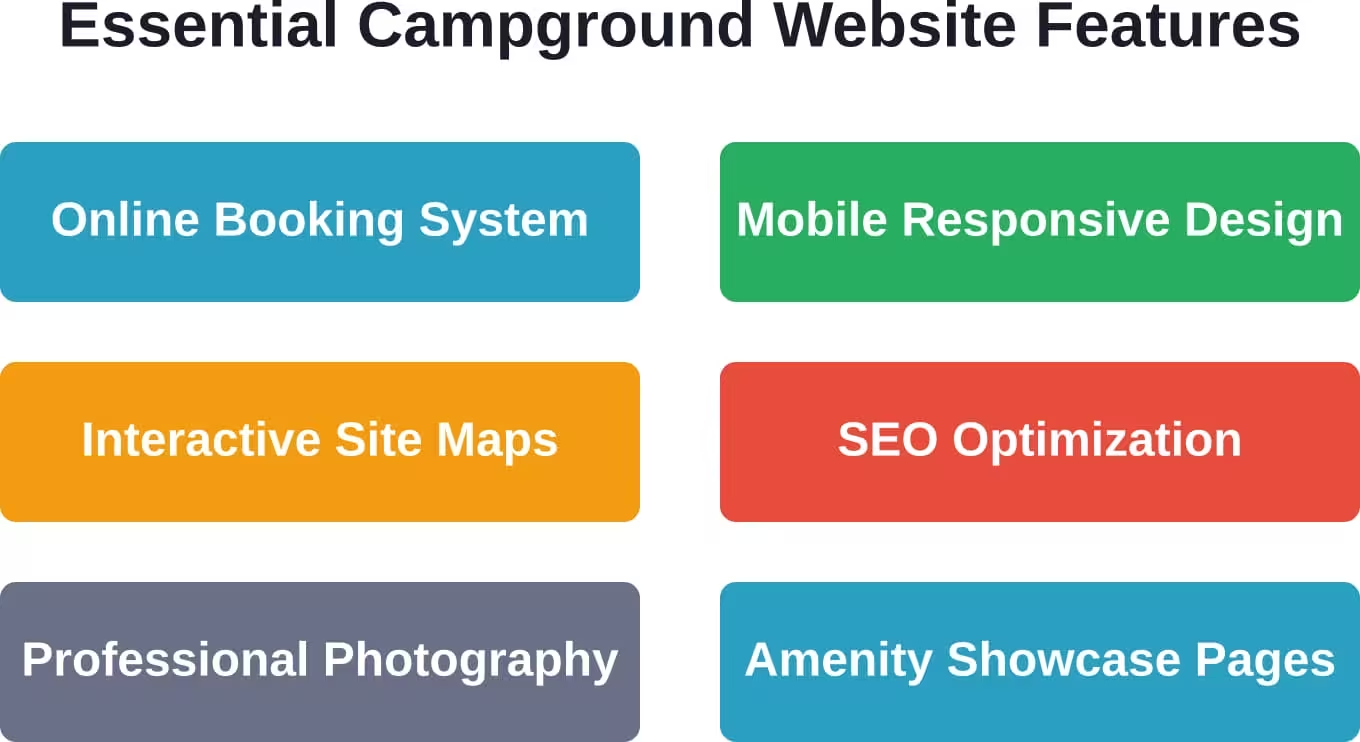
Generic website templates don’t address the specific needs of outdoor hospitality. Campground website development requires integration of reservation systems, interactive site maps, seasonal pricing displays, and amenity showcases that convert browsers into paying guests.
Here’s the thing though—most campers browse on mobile devices while planning trips. A responsive design isn’t optional anymore. Sites that don’t load properly on smartphones lose potential bookings before the first image renders.
According to Recreation.gov, which manages reservations for over 4,200 facilities and approximately 113,000 individual sites across 12 participating federal agencies, online booking systems have become the standard expectation. Parks without integrated reservation capabilities force visitors to call during business hours, creating friction that sends them elsewhere.
Build a Better Campground Website With Lengreo
Lengreo builds and improves websites, then connects them with SEO, paid ads, tracking, and lead generation. For campgrounds, this means a website that makes locations, amenities, rates, availability, booking details, and contact options easier to understand.
The focus is to help people plan their stay without confusion. Lengreo can help organize the structure, key pages, and traffic setup so visitors can find the right information and send an inquiry or booking request more easily.
Need a Website That Makes Booking Simpler?
Lengreo can help with:
- building or redesigning your website
- improving SEO and paid traffic setup
- setting up tracking and website structure
- refining location, amenity, and booking pages
👉 Contact Lengreo to discuss your website and setup.
Core Pages Every Campground Website Needs
Professional campground website development builds around six essential pages that serve distinct purposes in the booking journey.
| Page Type | Primary Purpose | Key Elements |
|---|---|---|
| Homepage | First impression and navigation hub | Hero imagery, booking widget, amenity highlights |
| Site Map | Help guests choose specific campsites | Interactive map, availability calendar, site details |
| Amenities | Showcase facilities and features | Photo galleries, feature lists, accessibility info |
| Rates & Reservations | Transparent pricing and booking | Seasonal rates, policies, integrated booking system |
| Activities | Highlight on-site and nearby attractions | Activity descriptions, local area information |
| Contact | Enable direct communication | Contact form, phone, email, directions, hours |
Booking System Integration
The reservation system represents the most critical technical component. It needs to display real-time availability, handle multiple site types with different pricing, process payments securely, and send automated confirmations.
But wait. Not all booking systems work the same way. Some charge transaction fees, others require monthly subscriptions. The choice affects both operational costs and guest experience. Recreation.gov charges variable reservation fees depending on booking method ($8 online, $9 call center, $3 in-person for camping/day-use/cabin reservations) and may charge service fees for modifications, though specific amounts vary by location and change type.
SEO and Search Visibility
Campground website development without SEO strategy leaves money on the table. Campers searching for “campgrounds near [destination]” or “RV parks with full hookups in [region]” represent high-intent traffic ready to book.
Search optimization for outdoor hospitality sites focuses on location-based keywords, amenity-specific terms, and seasonal search patterns. Sites need proper technical SEO foundations—fast load times, clean URL structures, mobile optimization, and structured data markup that helps search engines understand site types, pricing, and availability.
Professional vs. DIY Development
Campground owners face a choice: hire specialized developers or build sites themselves using website builders.
DIY platforms offer lower upfront costs but require significant time investment and often lack outdoor hospitality-specific features. Custom development costs more initially but delivers tailored solutions with professional photography, brand development, and ongoing technical support.
The decision often comes down to scale and technical capability. Small operations with limited budgets might start with a quality template and upgrade later. Larger resorts competing in saturated markets typically need custom development to differentiate their brand and maximize conversion rates.
Conclusion
A campground website has to do more than look pleasant. It needs to help people understand the place, check what is available, compare site options, and book without unnecessary steps. For many guests, that first visit to the website shapes whether the campground feels organized, trustworthy, and easy to plan around.
Professional website development gives campgrounds a stronger base for direct reservations, mobile search traffic, and day-to-day guest communication. The useful parts are not complicated in theory – clear pages, fast loading, real photos, simple navigation, booking integration, and local SEO. But when those pieces work together properly, the website becomes much more than an online brochure. It becomes one of the main tools for keeping the campground visible, bookable, and easier to manage throughout the season.