


Social media has moved far beyond casual posting and viral memes. Today, it’s a serious business tool that can drive awareness, generate leads, and even boost revenue if used strategically. Yet, many brands struggle to turn their social media presence into real results. This article dives into practical, proven strategies that help brands connect, convert, and grow in a crowded digital landscape.
Understand Your Audience Before Anything Else
It sounds simple, but many businesses skip this step. Understanding your audience goes far beyond basic demographics. It’s about knowing their goals, challenges, and the pain points that influence their decisions. It also means understanding where they spend time online and the kind of content that captures their attention or inspires them to act. The more detailed and specific your audience profile, the better your campaigns perform. This clarity guides everything from the type of content you create to the platforms you focus on and the way you structure advertising. For example, LinkedIn tends to work best for B2B brands seeking professional connections, while Instagram or TikTok can be more effective for consumer-focused products that rely on visual storytelling and engagement.
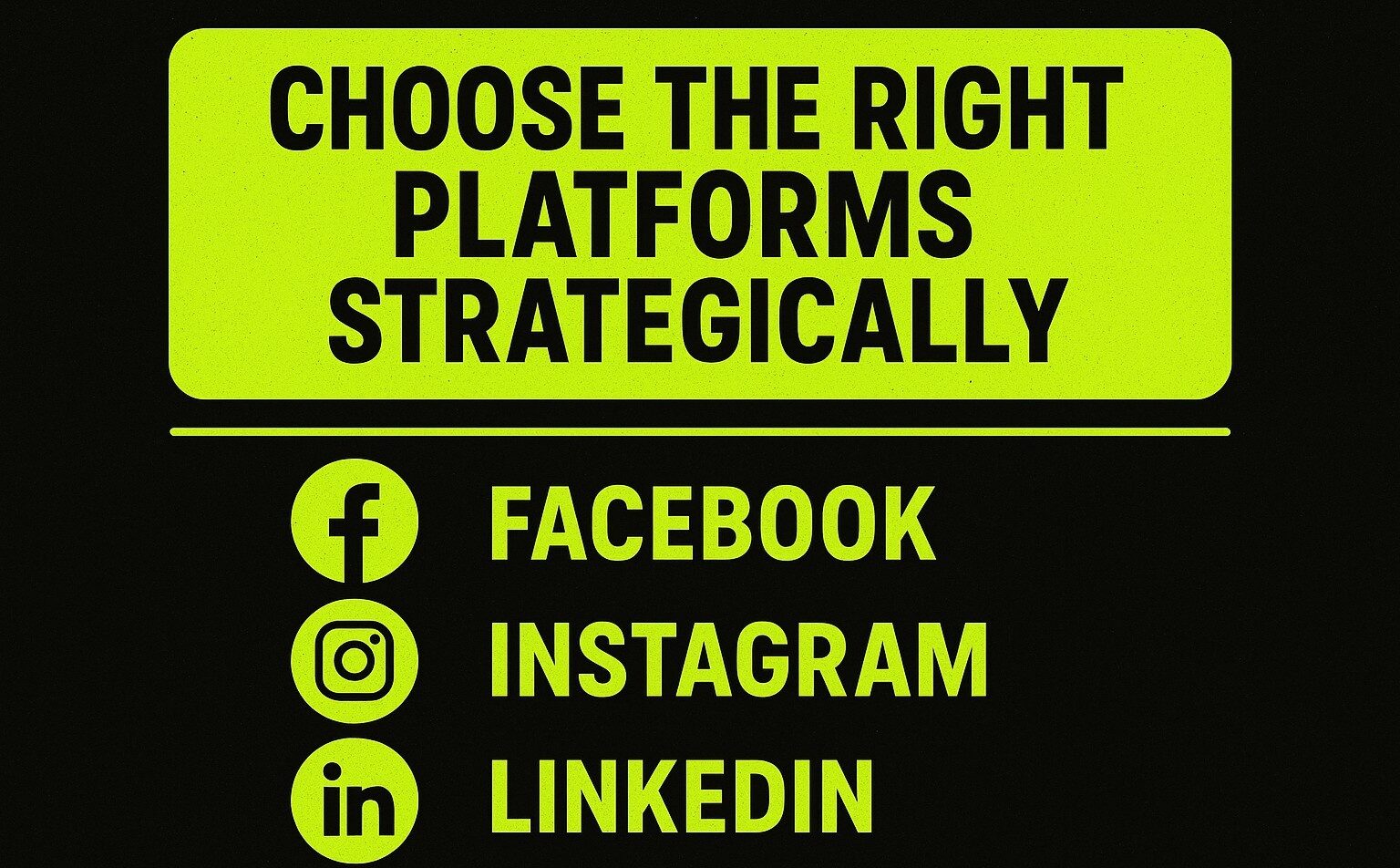
Choose the Right Platforms Strategically
Being on every social media platform doesn’t automatically make your brand successful. The key is choosing the platforms where your audience actually spends time and where your content can shine. Picking the right spaces lets you focus your energy and get meaningful results instead of spreading yourself too thin. Consider:
- Facebook: Great for building communities, running ads, and retargeting
- Instagram: Visual storytelling, product showcases, and influencer collaborations
- LinkedIn: B2B networking, thought leadership, and lead generation
- TikTok: Short-form, engaging video content that can reach younger audiences quickly
- Twitter/X: Timely updates, customer service, and thought leadership
It’s better to do a few platforms really well than to be everywhere without purpose. When your efforts align with the right channels, you build stronger engagement, clearer messaging, and measurable results that truly support your business goals.
Create Content That Educates, Entertains, and Engages
Content is still king, but not all content works the same way. Posting randomly or without purpose rarely moves the needle. To really capture attention, you need a strategy that balances education, entertainment, and engagement. Different types of content serve different goals, and mixing them thoughtfully keeps your audience interested while building trust and credibility.
Educational Content: Teach and Inspire
People naturally follow brands that help them solve problems or learn something new. Educational content positions your brand as an authority while giving your audience a reason to return. This can take many forms, from offering practical tips and quick hacks related to your industry to sharing tutorials or step-by-step guides that make complicated topics easier to understand. Industry insights, research findings, how-to videos, and answers to frequently asked questions all fall into this category. The most important thing is that the content is practical and actionable. When a post leaves someone thinking, “That was useful, I can apply this,” you’ve accomplished your goal. Educational content doesn’t have to feel dry or overly technical – injecting personality, anecdotes, or compelling visuals can make even the most complex topics engaging and enjoyable.
Entertaining Content: Capture Attention and Show Personality
Entertainment is what keeps people scrolling, liking, and sharing. It’s also what makes your brand feel human.
Effective entertaining content can include:
- Memes or humorous takes on industry trends
- Relatable stories that your audience identifies with
- Behind-the-scenes glimpses into your team or process
- Short, visually appealing videos or animations
- Fun challenges or trends adapted to your brand
The goal here isn’t just laughs – it’s connection. When your audience enjoys your content, they are more likely to engage, remember your brand, and even advocate for it.
Engaging Content: Spark Interaction and Conversation
Engagement goes beyond likes or shares. It’s about creating moments where your audience can interact, respond, and feel like part of a community. You can encourage this by asking questions that invite comments, running polls or surveys that gather opinions, and designing interactive posts such as quizzes, contests, or challenges. Highlighting user-generated content and encouraging followers to share their own stories or tag friends also fosters a sense of participation. Well-crafted engaging content not only strengthens relationships but also provides valuable feedback and insights into your audience’s preferences, helping you refine your approach and connect more meaningfully over time.
Why Video Content Works Across Platforms
Video is the content type that consistently outperforms static posts. Short-form videos, in particular, have exploded in popularity because they are easy to consume and highly shareable.
Consider these approaches:
- Quick tips or micro-tutorials on Instagram Reels or TikTok
- Thought leadership or explainer videos on LinkedIn
- Storytelling clips that showcase customer success or behind-the-scenes moments
- Live sessions or Q&As to interact in real time
Even simple videos shot with a smartphone can perform well if they are authentic, informative, and tailored to the platform. The goal is to educate, entertain, or engage – often all three at once.
Balancing the Mix for Maximum Impact
No single type of content can do everything. The best-performing social media strategies use a deliberate mix:
- 40% educational content to provide real value
- 30% entertaining content to keep your audience engaged
- 30% engaging content to spark conversations and community
Adjust these ratios based on your audience’s preferences and the platform. Track performance and be willing to experiment – what works for one brand or platform may need tweaking for another.
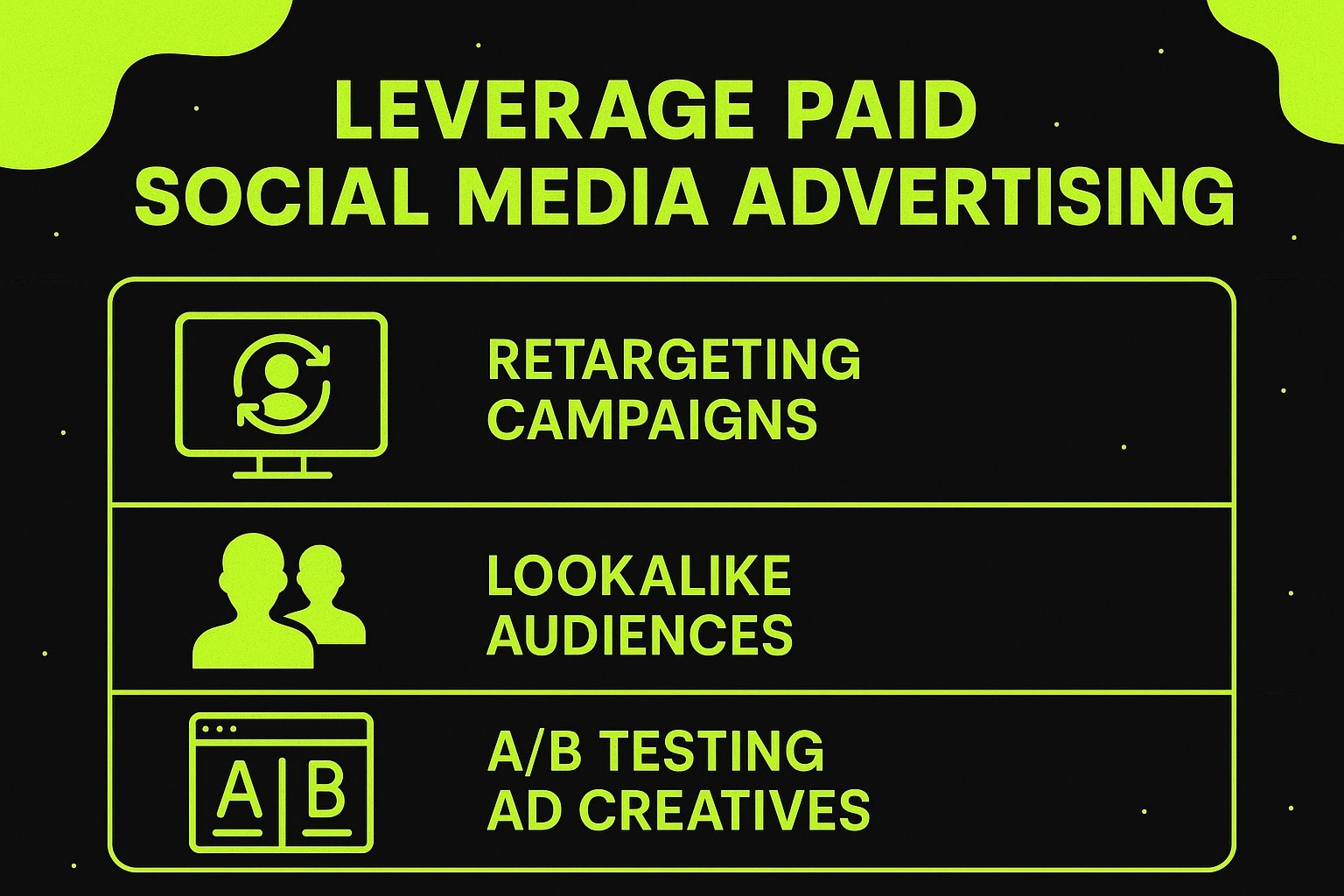
Leverage Paid Social Media Advertising
Relying solely on organic social media is rarely enough these days. Paid advertising gives you the ability to reach the right people at the right time, with measurable results. When done thoughtfully, it can amplify your content, attract new leads, and turn casual followers into customers. Key strategies include:
- Retargeting campaigns: Reach people who’ve interacted with your brand but haven’t converted
- Lookalike audiences: Find new potential customers similar to your existing audience
- A/B testing ad creatives: Test headlines, images, and calls to action to see what works best
Paid social media doesn’t have to be overwhelming. Start with clear goals, experiment with small campaigns, and focus on what drives results. Even a few well-targeted ads can outperform dozens of scattered posts, helping your brand grow faster and smarter.
Use Analytics to Inform Decisions
Social media is one of the most measurable marketing channels available. Unlike traditional marketing, where results can feel intangible, social media provides real-time insights that help you understand what resonates with your audience, what falls flat, and where to focus your efforts next. Using analytics effectively turns guesswork into strategy.
Why Analytics Matter
Understanding analytics isn’t just about tracking numbers – it’s about uncovering actionable insights that can shape your strategy. Even the most creative campaigns can fall flat if you aren’t paying attention to performance. Analytics reveal which types of content resonate most with your audience, which platforms are generating leads or conversions, and where your budget can have the biggest impact. They also help you spot trends early, allowing you to adjust campaigns before momentum slows. Think of analytics as the compass for your social media journey. Without it, you’re essentially posting in the dark, hoping for results rather than steering toward them with confidence.
Key Metrics to Track
Not all metrics carry the same weight. Focusing on the right ones ensures you’re measuring what truly matters for your goals:
- Engagement rates: Likes, shares, and comments show how well your content resonates
- Click-through rates: Reveal whether your posts are compelling enough to drive action
- Conversion rates: Measure how many followers become leads or customers
- Cost per lead or acquisition – Essential for evaluating the efficiency of paid campaigns
- Audience growth and retention: Helps track long-term brand loyalty and reach
Tracking these metrics consistently gives you a clear picture of your social media performance and informs smarter decisions.
Turning Data Into Action
Numbers alone don’t improve results. The value comes from interpreting them and acting strategically:
- Double down on what works: If a certain post type consistently drives engagement, create more of it
- Adjust underperforming campaigns: Tweak headlines, visuals, or timing based on performance insights
- Test and experiment: Use A/B testing to compare different approaches and refine your strategy
- Align with business goals: Ensure every metric tracked ties back to tangible outcomes, like leads or sales
Social media is not static. What works today may underperform tomorrow. Regularly reviewing analytics ensures you stay ahead and continue delivering meaningful results.
Tools That Make Analytics Easier
Tracking and interpreting social media performance can feel overwhelming, but the right tools make it much more manageable. Most platforms provide native dashboards, such as Facebook Insights, Instagram Analytics, and LinkedIn Analytics, which give a clear view of engagement and reach. There are also third-party platforms like Hootsuite, Sprout Social, or Buffer that consolidate metrics across multiple channels and simplify reporting. For website traffic driven by social campaigns, Google Analytics provides valuable context, while specialized reporting tools like Facebook Ads Manager or LinkedIn Campaign Manager help monitor paid campaigns in detail. Using these tools not only saves time but also gives you clear, actionable insights, allowing you to focus on refining strategy rather than getting lost in manual number-crunching.
Build Relationships, Not Just Followers
Social media isn’t just a numbers game. The brands that thrive aren’t the ones with the biggest follower counts – they’re the ones that create genuine connections. Focusing on relationships builds trust, loyalty, and long-term engagement that translates into real business results. Strategies include:
- Respond promptly to comments and messages
- Share user-generated content
- Collaborate with influencers or partners who align with your values
- Host live events, Q&As, or webinars to engage directly
Meaningful relationships don’t happen overnight, but they pay off in spades. By engaging authentically, responding promptly, and involving your audience in conversations or events, you turn followers into loyal advocates who stick around and support your brand.
Align Social Media With Overall Marketing Goals
Social media works best when it’s part of a bigger plan. Treating it as an isolated channel limits its potential. When your social efforts connect with email campaigns, product launches, and other marketing activities, every post and ad contributes to real business outcomes. Integrate it with your broader marketing strategy for maximum impact:
- Link social campaigns to email marketing efforts
- Align posts with product launches, promotions, or events
- Repurpose content across channels for efficiency
- Use social insights to inform website content, SEO, and paid campaigns
Integrating social media with your overall marketing strategy turns scattered efforts into a cohesive growth engine. When each campaign, post, and insight supports broader objectives, you create consistency, amplify results, and make every interaction count toward your business goals.
Experiment With Emerging Trends and Formats
Social media moves at lightning speed. What’s trending today can feel outdated tomorrow. Brands that stay curious, test new formats, and experiment strategically often see the biggest rewards. Early adoption can boost visibility, reach, and engagement – but only when experiments are thoughtful and aligned with your audience.
Why Experimentation Matters
Trends in social media aren’t just about chasing the next viral moment – they’re opportunities to find fresh ways to connect with your audience. Experimenting allows you to stay relevant in a constantly shifting landscape, test new content formats without overcommitting resources, and uncover audience segments you might not have reached otherwise. It also gives you the chance to learn what resonates before competitors catch on. The key is not to try everything at once, but to approach experimentation selectively and intentionally, using each test to inform and improve your overall strategy.
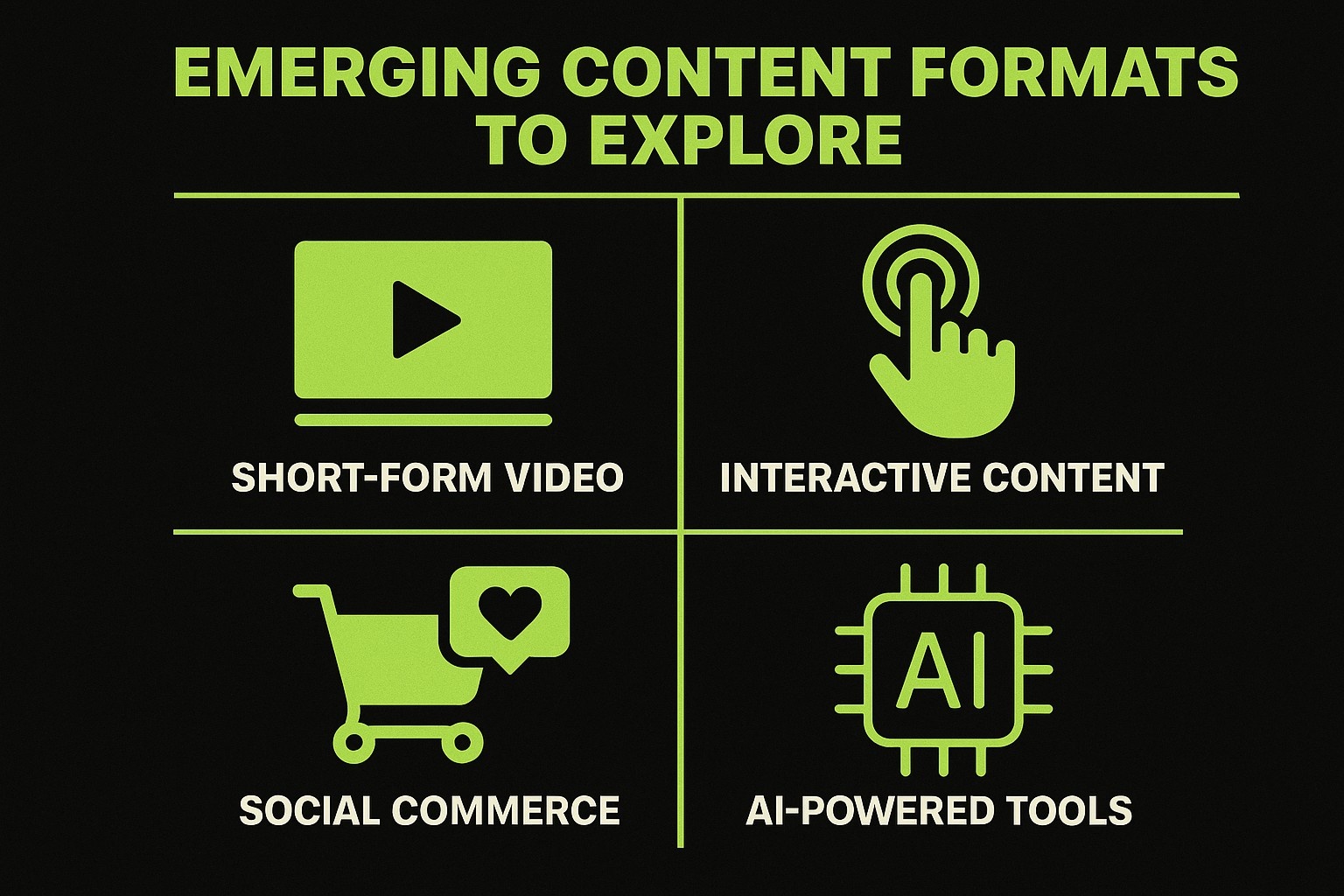
Emerging Content Formats to Explore
Some of the most effective trends in social media marketing right now include:
- Short-form video content: Instagram Reels, YouTube Shorts, and TikTok clips are highly shareable, easy to consume, and excellent for storytelling or tutorials
- Interactive content: Polls, quizzes, and augmented reality filters invite audience participation and make your posts more memorable
- Social commerce: Shopping directly through apps like Instagram and Facebook removes friction, making it easier for followers to convert into customers
- AI-powered tools: From automating scheduling and content creation to generating analytics insights, AI can help you experiment faster and more efficiently
The goal is to explore what fits your brand voice, audience preferences, and marketing objectives rather than jumping on every shiny trend.
How to Experiment Without Losing Focus
Experimentation doesn’t have to mean chaos. The key is to approach it in a structured way to ensure each test delivers meaningful insights. Start by trying one new format or trend at a time so you can clearly see its impact. Track performance using metrics like engagement, reach, clicks, and conversions, then analyze these results against your baseline to understand what worked and what didn’t. Once you identify successful tactics, scale them thoughtfully and continue iterating while letting less effective experiments go. Documenting your tests along the way helps build a library of proven strategies, ensuring you make the most of your efforts without chasing trends that don’t align with your brand.
Balancing Innovation With Consistency
Trends are exciting, but your core content strategy should remain consistent. Use emerging formats to enhance, not replace, your main approach:
- Integrate short-form video with existing educational or entertaining content
- Apply interactive elements to reinforce messaging rather than distract
- Test social commerce on select products before rolling out broadly
- Use AI tools to improve efficiency while keeping your brand voice authentic
Balancing experimentation with consistency ensures your audience stays engaged without feeling confused or overwhelmed.
Repurpose and Refresh Content
Creating high-quality content takes time and effort, but you don’t always have to start from scratch. Repurposing existing content lets you stretch your resources further while reaching new audiences. It’s a smart way to keep your messaging consistent and maximize the value of everything you produce. Ideas include:
- Turning a blog post into a carousel on Instagram or LinkedIn
- Creating short video snippets from longer webinars
- Sharing customer testimonials across platforms
- Updating old content with new insights or statistics
Refreshing and repurposing content isn’t just efficient – it keeps your brand visible and relevant across platforms. By transforming blog posts into carousels, turning webinars into video snippets, or updating old posts with fresh insights, you maintain a steady flow of engaging content without constantly reinventing the wheel.
Monitor Competitors, Learn, and Adapt
Watching what your competitors are doing isn’t about copying them – it’s about gaining insight. By observing their posting frequency, timing, engagement tactics, content themes, and even their paid campaigns or promotional offers, you can uncover opportunities to set your brand apart and refine your own approach. Competitor monitoring isn’t a one-time task; it’s an ongoing practice that provides valuable context for your efforts. By regularly analyzing what others are doing, you can identify gaps, experiment with new ideas, and adapt faster than those who work in isolation. Staying informed in this way helps your brand stand out, respond strategically, and turn insights into meaningful action.
Focus on Authenticity and Transparency
Audiences today can spot inauthentic content a mile away. Brands that come across as real, relatable, and transparent build trust and loyalty far more effectively than those that rely on overly polished or promotional messaging. Authenticity is the bridge that turns casual followers into engaged supporters. Simple ways to stay genuine include:
- Sharing behind-the-scenes stories
- Admitting mistakes and showing how you fix them
- Highlighting customer experiences honestly
- Using real voices rather than overly polished corporate messaging
Being genuine pays off. Sharing behind-the-scenes stories, owning mistakes, and highlighting real customer experiences shows your brand has a human side. When your content feels honest and relatable, people are more likely to engage, trust, and stick around for the long term.
How We Approach Social Media Marketing at LenGreo
At Lengreo, we know that social media is more than just posting content – it’s about building strategies that truly connect with your audience. Every campaign we create starts with a clear understanding of who your customers are and what motivates them. By combining this insight with creative content, data-driven targeting, and strategic platform choices, we help brands stand out in crowded feeds and deliver measurable results.
We don’t believe in one-size-fits-all solutions. Each social media strategy is tailored to the unique goals of your business. Whether it’s crafting engaging posts, leveraging short-form video, or running targeted paid campaigns, we make sure every action supports broader marketing objectives. This approach ensures your social media efforts aren’t just visible – they contribute to tangible growth.
Our team also focuses on experimentation and innovation. Trends evolve quickly, and what works for one brand today may not work tomorrow. By testing new formats, analyzing performance metrics, and adapting strategies in real time, we keep your social presence fresh, engaging, and effective. This data-informed approach allows us to maximize ROI and ensure every campaign performs at its best.
Finally, we emphasize building meaningful connections rather than chasing vanity metrics. Engaging authentically with your audience, sharing stories, and showcasing real customer experiences creates lasting relationships. By blending creativity, strategy, and analytics, we help brands not only grow followers but foster a community that drives loyalty and long-term success.
Conclusion
Social media marketing isn’t about luck or just posting and hoping people notice. It’s really about knowing your audience, picking the platforms where they hang out, and creating content that actually matters – stuff that informs, entertains, or gets them talking. Every tactic, whether it’s a quick video, a paid ad, a fun poll, or a real story from your brand, plays a part in building your presence and credibility.
The truth is, success doesn’t happen overnight. It’s a process of trying things, seeing what works, tweaking as you go, and learning along the way. The brands that really do well are the ones that experiment without being reckless, stay genuine, and pay attention to the data – but never lose sight of the people they’re trying to reach. Keep your audience at the center, stay curious, and don’t be afraid to adjust your approach as you learn. That’s how social media goes from a noisy feed to something that actually grows your business.