Running a small business in 2026 comes with opportunities that weren’t imaginable even a few years ago. But the truth is, having a great product or service isn’t enough anymore. Customers are everywhere online and offline, and they won’t notice your business unless you actively show up in the right places with the right message. The challenge for small business owners is figuring out which marketing strategies will actually deliver results without wasting time or money.
This guide lays out practical, proven strategies that small businesses can implement today to attract customers, build loyalty, and grow steadily this year and beyond.
Email Marketing: Turning Contacts into Loyal Customers
Email marketing remains one of the most cost-effective and direct ways for small businesses to engage with their audience. Unlike social media, where algorithms decide who sees your posts, emails give you a direct line to your customers’ inboxes. But the question isn’t just should you use email marketing – it’s how do you make it work for your business in a way that builds trust, drives engagement, and actually generates sales?
Why Email Marketing Still Matters
Even in 2025, email marketing delivers results that other channels struggle to match:
- Direct connection: Emails go straight to your audience, bypassing algorithm filters.
- High ROI: Studies consistently show email generates more revenue per dollar spent than many paid campaigns.
- Personalization potential: Unlike one-size-fits-all ads, emails can be tailored for each recipient, making your message feel relevant and timely.
- Retention and loyalty: Emails allow you to nurture relationships over time, turning first-time buyers into repeat customers.
Building Your Email List the Right Way
Before you can start sending emails, you need to have a list of people who genuinely want to hear from you. In email marketing, quality always beats quantity. Encourage sign-ups on your website by offering something valuable, whether it’s a newsletter, a helpful guide, or exclusive content that gives people a reason to opt in. Contests and giveaways can also motivate participation, especially when the reward feels relevant and worthwhile.
Providing incentives like discounts or special offers in exchange for an email address is another effective approach, giving people immediate value while expanding your list. Even offline events – workshops, pop-ups, or in-store promotions – can be an opportunity to collect emails from people who are already engaged with your brand. Remember, your email list isn’t just a collection of addresses; it’s a pool of potential relationships. Nurture it thoughtfully, and you’ll turn those contacts into loyal customers over time.
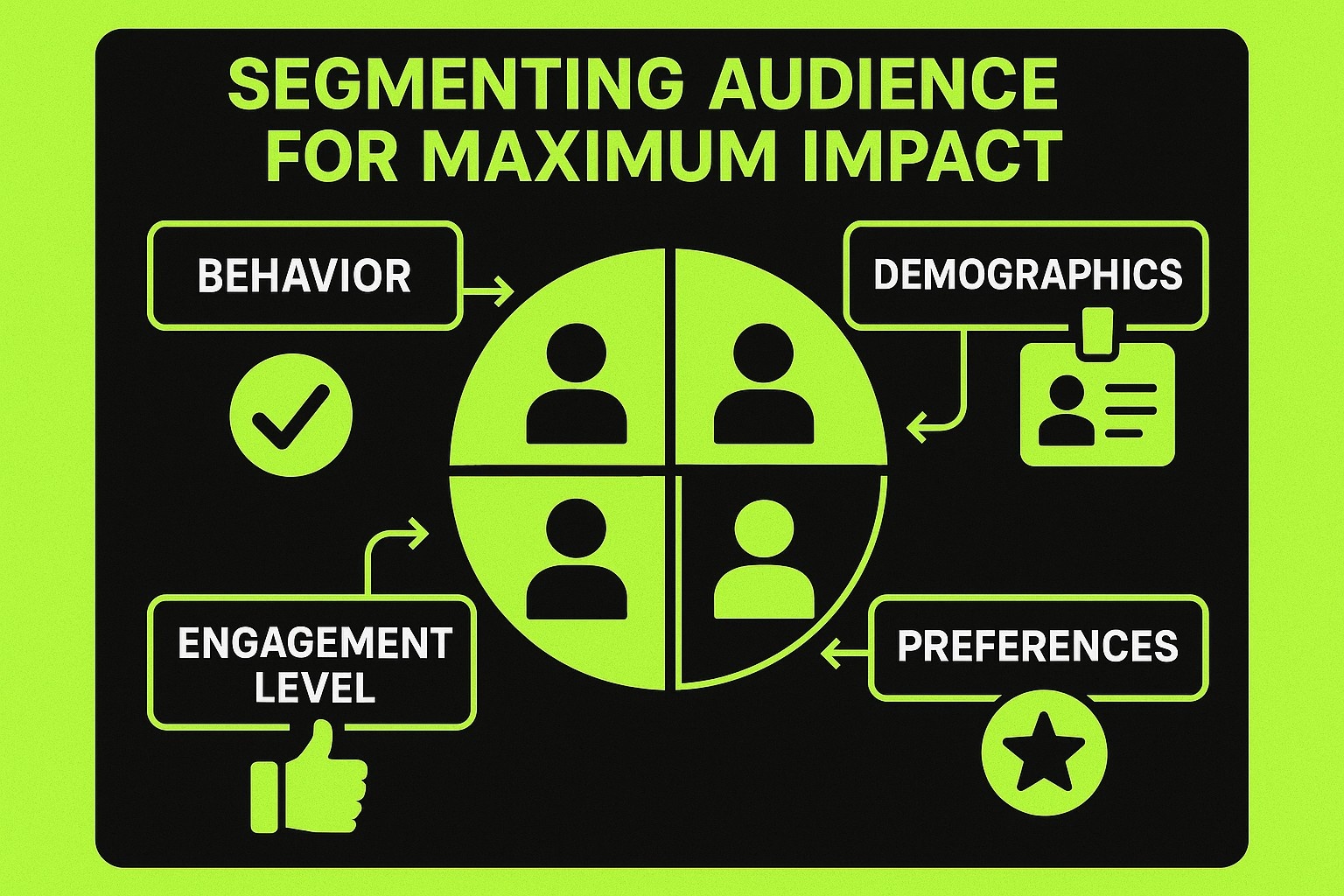
Segmenting Your Audience for Maximum Impact
A generic newsletter sent to everyone rarely works anymore. Segmentation allows you to send messages that feel personal and meaningful. You can segment by:
- Behavior: Pages visited on your website, items added to a cart, or past purchases
- Demographics: Age, location, or occupation
- Engagement level: Active subscribers versus dormant ones
- Preferences: Topics or products your audience has shown interest in
Segmentation ensures that your emails aren’t just noise. They feel like a conversation tailored to each person.
Crafting Emails That Actually Get Read
The best emails aren’t the ones that shout the loudest – they’re the ones that connect. Keep these tips in mind:
- Personalize whenever possible: Include the recipient’s name or reference previous interactions
- Focus on value: Solve a problem, entertain, or inform rather than just selling
- Strong subject lines: A compelling subject line determines if your email gets opened or ignored
- Clear calls-to-action: Make it obvious what you want the reader to do next
Think of email as a one-on-one conversation. If it reads like a personal note rather than a marketing blast, engagement skyrockets.
Tracking and Improving Performance
No email campaign ever hits the mark perfectly on the first try. The key is to treat every send as a learning opportunity rather than a final product. Start by looking closely at your open rates to see whether your subject lines and preview text are capturing attention. Then, pay attention to click-through rates to understand which parts of your message actually inspire action. Conversions give the clearest picture of whether your emails are driving tangible results, so keep an eye on them and connect the dots to overall ROI.
Beyond metrics, don’t be afraid to experiment. Small changes in send times, messaging, or format can reveal surprising insights about what resonates with your audience. The goal isn’t perfection, it’s understanding your unique subscribers, refining your approach, and gradually shaping emails that feel relevant, timely, and personal. Over time, these incremental improvements add up, turning casual readers into engaged customers who look forward to hearing from you.
Social Media Marketing: Engaging Where Your Customers Actually Spend Time
Social media isn’t just a trend or a place for big brands with big budgets. For small businesses, it’s a powerful way to build awareness, show your personality, and create genuine connections with your audience. But the real question isn’t just should your business be on social media – it’s how do you use it to create meaningful engagement and real results without burning out or wasting money?
Choosing the Right Platforms
Not every platform is right for every business. Picking the ones that align with your audience and goals makes all the difference. Consider these:
- Instagram: Ideal for visually-driven products, lifestyle brands, and businesses that can tell a story through images or reels
- LinkedIn: Perfect for B2B connections, thought leadership, and building professional credibility
- TikTok: Great for creative, fun, or viral content that grabs attention quickly
- Facebook or X: Useful for broad reach, community engagement, and connecting with a more general audience
Start with one or two platforms and get comfortable before expanding. Overstretching your resources often leads to inconsistent posting, which can hurt credibility.
Creating Content That Resonates
Social media isn’t just a platform for nonstop sales pitches. It’s a space to spark interest, encourage interaction, and start conversations. Maintaining consistency is key – posting regularly keeps your brand visible, but it’s more important to prioritize quality over quantity. Your content should feel engaging, not forced, and reflect the personality of your business.
Varying the types of content you share can make your feed feel dynamic and interesting. Short videos, stories, polls, carousels, or informative posts each serve a different purpose, giving your audience multiple ways to connect with your brand. Storytelling is equally important – share customer success stories, behind-the-scenes glimpses, or the journey of your brand to make your content relatable and memorable.
Visual appeal plays a big role too. High-quality images, clear graphics, and cohesive branding help your posts stand out in crowded feeds, making people more likely to stop scrolling and pay attention. Think of your social content as a conversation starter rather than a sales pitch. Your goal is to capture interest, spark reactions, and foster engagement that strengthens your relationship with your audience.
Building Engagement and Trust
Engagement is the lifeblood of social media, and without it, even the most carefully crafted content can go unnoticed. For small businesses, fostering genuine interaction goes beyond chasing likes or shares – it’s about creating meaningful connections. Responding to comments and direct messages quickly and personally shows your audience that you’re listening and that their input matters. Asking questions or running polls invites your followers to participate and feel heard, turning passive viewers into active community members.
Highlighting your customers through user-generated content adds another layer of credibility, showing real people engaging with your brand. Strategic collaborations or partnerships with other businesses, influencers, or complementary brands can extend your reach while reinforcing trust. Engagement isn’t just a numbers game; every comment, mention, and share signals that people care about what you’re doing, helping your content get seen and strengthening the relationships that keep your brand thriving.
Using Paid Campaigns Without Overspending
Running social media ads doesn’t have to break the bank, even for small businesses with tight budgets. The trick is to approach paid campaigns strategically rather than throwing money at every opportunity. Begin with small, highly targeted campaigns designed to reach your ideal customer, making sure your message resonates with the people most likely to engage. Retargeting is another smart tactic, allowing you to reconnect with users who have already interacted with your brand, keeping your business top of mind without spending excessively.
It’s also important to experiment with different ad formats – videos, carousel ads, or lead generation campaigns – to see which drives the best response for your audience. Pay close attention to results, adjusting messaging, targeting, and creativity before scaling up your spend. Paid campaigns shouldn’t exist in isolation; they work best when paired with strong organic content. Together, organic efforts and carefully managed ads create a cohesive, cost-effective marketing engine that grows awareness, engagement, and conversions without unnecessary overspending.
Social Media as a Relationship Tool
Ultimately, social media marketing isn’t about pushing your products constantly. It’s about creating a space where your audience feels seen, heard, and connected to your brand. The brands that thrive are the ones that treat social media as a conversation, not a megaphone.
Content Marketing: Building Authority, Trust, and Lasting Connections
Content marketing is more than just writing blog posts or posting videos. It’s about demonstrating that your business knows its field, cares about your audience, and can solve real problems. The deeper question isn’t just what content should I create – it’s how can my content truly connect, engage, and drive action?
Why Content Marketing Matters for Small Businesses
In a world flooded with ads, people crave useful, authentic information. Content marketing fills that gap while helping your business stand out:
- Builds credibility: Sharing expertise shows that you know what you’re doing
- Establishes trust: Helpful content positions your business as reliable and customer-focused
- Supports other channels: Email, social media, and SEO campaigns all benefit from strong content
- Drives long-term results: Evergreen content continues to attract traffic and leads over time
Instead of chasing every trend, focus on content that solves problems and adds value. That’s what turns casual readers into loyal customers.
Choosing Topics That Truly Resonate
It’s easy to write about your products or services, but that rarely engages your audience. Small businesses succeed when they focus on what their customers care about. Consider:
- Answer common questions: What do prospects ask before buying your product or service?
- Address pain points: Offer solutions to challenges your audience faces
- Highlight trends and insights: Share your perspective on industry developments
- Tell stories: Case studies, customer experiences, or behind-the-scenes narratives
When your content resonates, people are more likely to trust your brand and take the next step in their journey.
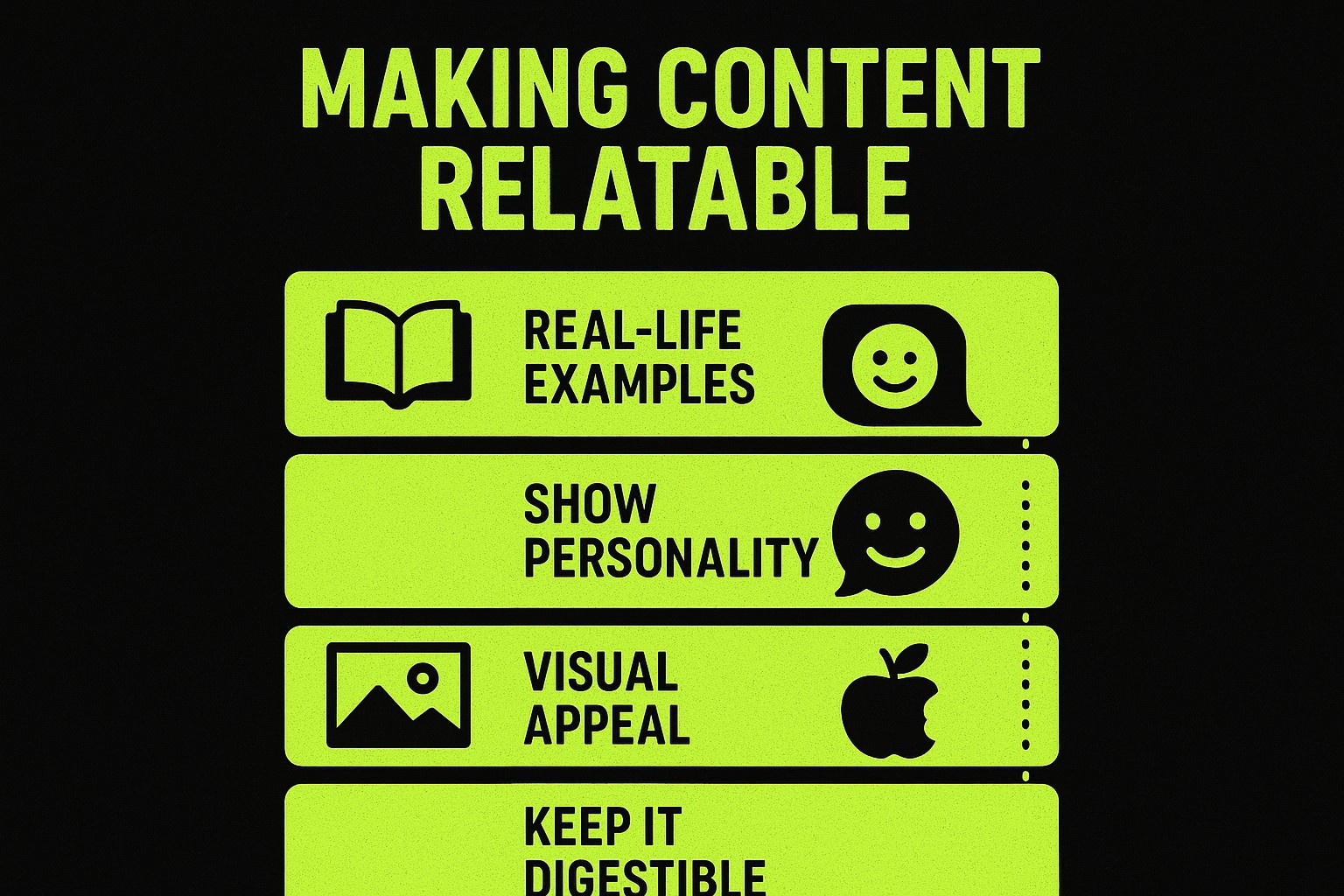
Making Content Relatable and Memorable
Storytelling is a powerful tool in content marketing. People remember stories far longer than they remember product specs or statistics.
- Use real-life examples: Share customer successes or lessons learned
- Show personality: Let your brand voice shine through, whether it’s friendly, witty, or professional
- Create visual appeal: Infographics, videos, and images help illustrate points clearly
- Keep it digestible: Break content into sections, use lists, and highlight key takeaways
Relatable content keeps readers engaged and encourages them to share it with others, expanding your reach organically.
Optimizing Content for Visibility
Creating high-quality content is only half the battle – if people can’t find it, it won’t make an impact. That’s where SEO comes in, making sure your work reaches the right audience at the right time. Start by researching the keywords your potential customers are actually using, so your content aligns with the questions and needs they have. Once you know what they’re searching for, optimize your titles, headers, and meta descriptions to make both readers and search engines understand what your content is about.
Links play an important role too. Internal links help guide visitors through your site, while external links to reputable sources boost credibility. At the same time, make sure your pages load quickly and look great on mobile devices – most people are browsing on their phones, and slow or clunky pages can turn them away instantly. Effective SEO isn’t about cramming in keywords; it’s about creating a seamless, discoverable experience that helps the right people find your content when they need it most.
Driving Action with Strategic Calls-to-Action
Content marketing should guide readers toward a next step, whether that’s signing up for a newsletter, downloading a guide, or exploring a product. Effective CTAs are:
- Clear and specific: Tell readers exactly what to do next
- Relevant to the content: Align the CTA with the topic of the article or video
- Action-oriented: Use verbs that encourage engagement, like “download,” “learn,” or “explore”
Calls-to-action turn passive readers into active participants, moving them closer to becoming loyal customers.
Measuring Impact and Refining Your Approach
Content marketing is a long-term investment, and the only way to make sure it’s paying off is to track how it performs. Keep an eye on metrics like page views, time spent on each page, and overall engagement to understand which pieces of content are truly capturing attention. Look beyond surface-level numbers by connecting content directly to lead generation and conversions, so you can see which efforts are driving tangible results.
Pay attention to patterns in what your audience responds to – certain topics, formats, or styles might resonate more than others. Use those insights to continuously update and optimize your content, keeping it relevant and valuable. For small businesses, the real power comes from consistency. By creating, refining, and promoting high-quality content over time, you build momentum, establish authority, and generate results that compound, turning each piece of content into a stepping stone for future growth.
Search Engine Optimization (SEO): Getting Found Online and Seen by the Right People
Search engine optimization, or SEO, is more than just a technical checklist. For small businesses, it’s one of the most powerful ways to reach customers who are already looking for what you offer. The real question isn’t just should I do SEO – it’s how can I use SEO strategically to attract the right audience, increase leads, and grow my business in 2025?
Why SEO Matters More Than Ever
In a world crowded with ads, social media posts, and sponsored content, search engines remain one of the most reliable ways to connect with potential customers:
- Targeted visibility: People searching for solutions are closer to making a purchase than passive audiences
- Cost-effective growth: Unlike paid ads, strong SEO provides long-term visibility without ongoing costs
- Credibility and trust: Ranking higher signals authority and reliability to searchers
- Synergy with other marketing channels: SEO supports content marketing, email campaigns, and social media efforts
In short, SEO isn’t just about traffic. It’s about attracting the right traffic that converts.
Researching Keywords That Actually Convert
Keyword research is the foundation of any successful SEO strategy. But the goal isn’t just ranking for popular terms – it’s ranking for the terms your ideal customers use:
- Start with your audience: Think about the questions, problems, and terms your customers use to find products or services like yours
- Mix search intent: Include informational keywords for content, transactional keywords for products, and local keywords for nearby customers
- Analyze competitors: See which keywords are driving traffic for similar businesses and identify gaps you can fill
- Focus on long-tail keywords: These phrases often attract higher-quality leads because they’re more specific
Effective keyword research ensures your content shows up where it matters most.
Optimizing Your Website for Users and Search Engines
SEO goes far beyond just sprinkling keywords throughout your site. It’s about creating a website that’s easy to find, fast to load, and enjoyable for visitors to use. A well-structured website makes navigation intuitive, with clear headers, logical menus, and descriptive URLs that help both users and search engines understand your content.
Meta tags play a subtle but important role – titles, descriptions, and alt text not only improve search visibility but also give people a clear idea of what to expect before they click. Mobile responsiveness is another must-have, as more visitors are browsing and shopping on phones and tablets than ever before. A site that performs well on any device keeps users engaged and reduces frustration.
Page speed and overall performance directly affect both user experience and rankings. Optimizing images by compressing them and using descriptive filenames helps your site load faster while making it more accessible. While technical SEO can feel tedious, even small improvements compound over time, helping your website attract more traffic, keep visitors around longer, and support all your other marketing efforts.
Building Links That Boost Authority
Links are a vote of confidence in your website. Both internal and external linking are critical for SEO success:
- Internal links: Guide visitors to related content or product pages and help search engines understand your site structure
- External links: Earn links from reputable sites in your industry to increase credibility
- Content partnerships: Guest posts, collaborations, and resource sharing can generate high-quality backlinks
Strong link strategies improve both rankings and trustworthiness in the eyes of search engines and users alike.
Measuring SEO Performance and Refining Strategy
SEO isn’t a set-it-and-forget-it tactic. Tracking performance and adjusting your approach ensures continuous growth:
- Track organic traffic: See which pages attract the most visitors
- Monitor rankings: Watch keyword positions for priority terms
- Analyze conversions: Identify which pages and keywords generate leads or sales
- Refine and update content: Refresh older content to stay relevant and maintain rankings
Small, consistent improvements over time compound into significant growth, turning SEO into a long-term engine for attracting new customers.
Mobile Marketing: Reaching Customers Anytime, Anywhere
Mobile marketing is no longer optional for small businesses – it’s essential. People spend more time on their phones than on desktops, browsing, shopping, and discovering new products. The key question isn’t just should I do mobile marketing – it’s how can my business engage customers effectively on the devices they use most?
Why Mobile Marketing Matters
Mobile marketing is about connecting with your audience where they already spend their time, rather than expecting them to seek you out. Most consumers check their phones multiple times throughout the day, giving businesses the chance to reach them in real moments. This instant access means users can act on promotions, explore products, or make purchases right when interest is sparked.
Messages delivered on mobile devices often see higher engagement because they can be personalized and delivered at the right time, creating a sense of immediacy and relevance. Beyond broad reach, mobile marketing also allows small businesses to focus on local audiences, connecting with users in their immediate area when it matters most. By mastering mobile strategies, small businesses open a constant stream of opportunities to engage, convert, and nurture loyal customers, turning everyday interactions into meaningful connections.
Making Your Website Mobile-Ready
A mobile-friendly website is the foundation of effective mobile marketing. Without it, even the best campaigns fall flat:
- Responsive design: Ensure your website adapts seamlessly to different screen sizes
- Easy navigation: Simplify menus, buttons, and forms for small screens
- Fast loading times: Mobile users expect instant access; delays lead to drop-offs
- Clear visuals: Optimize images and graphics to display properly on mobile devices
Think of your website as the hub of your mobile strategy. If it’s frustrating to use on a phone, you’ll lose potential customers before they even engage.
Leveraging Location-Based Marketing
Mobile devices give small businesses the ability to reach people based on where they are, creating opportunities that traditional marketing could never achieve. By targeting users near your store or service area with relevant promotions, you can turn casual passersby into engaged prospects. Optimizing your business for local search ensures you appear in maps and local search results, making it easy for nearby customers to find you when they need your products or services. Additionally, you can notify local audiences about upcoming events, workshops, or pop-ups, giving them a reason to visit in person. Location-based marketing transforms everyday mobile interactions into meaningful connections, boosting foot traffic and increasing local brand visibility.
Engaging Through In-App and Direct Mobile Channels
Mobile marketing extends beyond the website into apps, messages, and push notifications:
- In-app promotions: Offer discounts or incentives to users actively engaging with apps
- SMS campaigns: Send concise, value-driven messages directly to your audience’s phones
- Push notifications: Deliver timely updates, alerts, or reminders that prompt immediate action
These tools allow small businesses to engage users in real-time and keep your brand top-of-mind.
Measuring Mobile Marketing Success
To get the most out of mobile marketing, it’s essential to track performance and analyze the results carefully. Pay attention to metrics like click-through rates, conversion rates, and overall engagement to understand how your audience interacts with your campaigns. Look closely at how location-based promotions perform, and use that data to refine your targeting and timing. Experiment with different messaging styles, formats, and creative approaches to see what resonates best with your audience. The key is to adjust your strategy based on real insights rather than assumptions. Mobile marketing isn’t just about showing up on a screen – it’s about being useful, timely, and convenient. Businesses that embrace this mindset can capture attention, encourage meaningful engagement, and convert users on the devices they rely on every day.
Traditional Marketing: Still Effective When Done Smart
In today’s world, digital marketing dominates the conversation, but traditional marketing hasn’t lost its power – especially for small businesses aiming to connect with local customers or niche audiences. The real question isn’t just should I use traditional marketing – it’s how can I use it strategically to maximize impact without wasting money?
Why Traditional Marketing Still Matters
Even in 2025, offline channels can deliver results that digital alone can’t:
- Local reach: Many customers still discover businesses through newspapers, radio, or community events
- Tangibility: Physical materials like flyers, brochures, or direct mail leave a lasting impression
- Credibility: Ads in trusted publications or sponsorships signal authority and reliability
- Complementing digital efforts: Traditional campaigns often drive traffic to your website, social media, or physical store
The key is not to use traditional marketing blindly, but to focus on channels where your audience is actively paying attention.
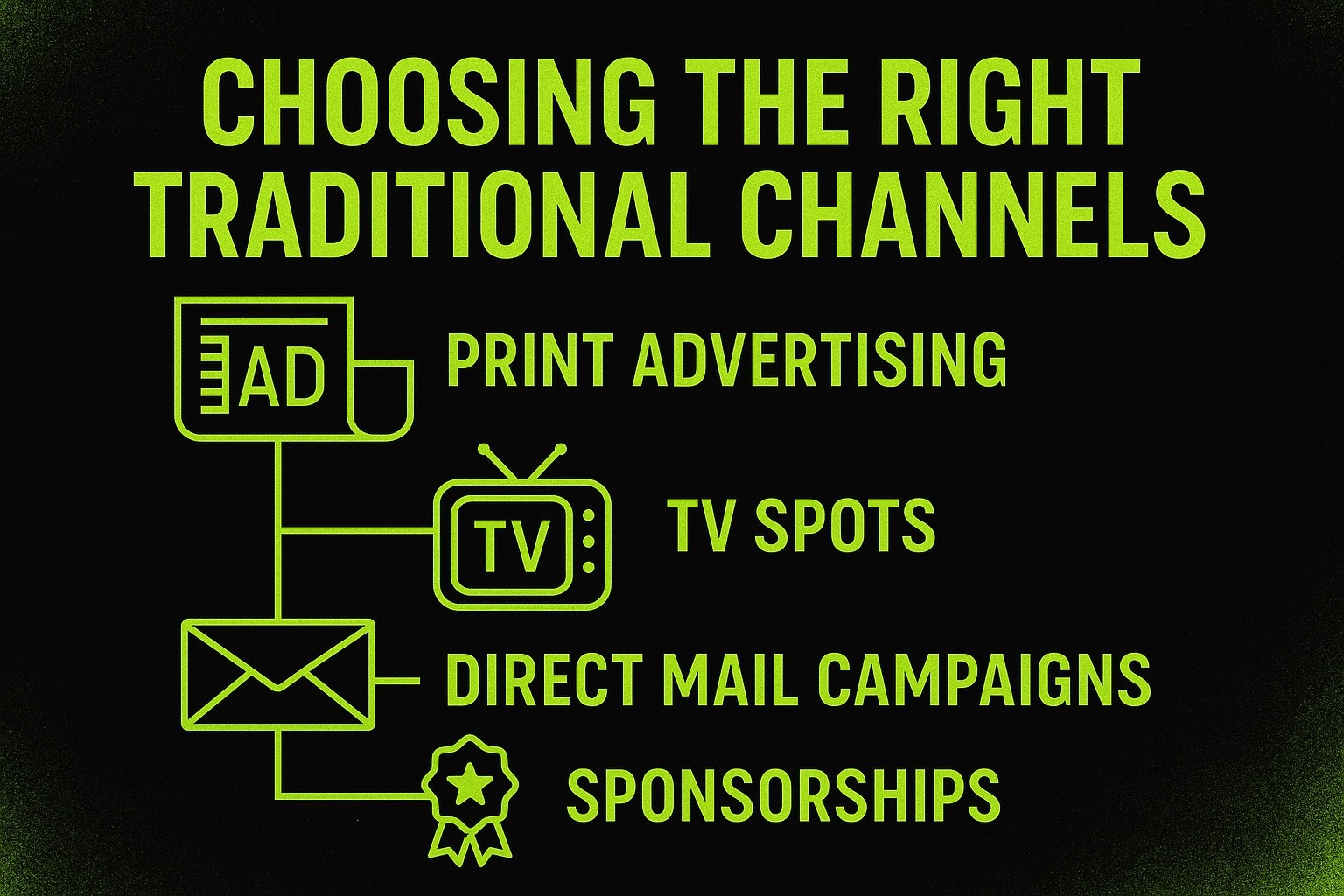
Choosing the Right Traditional Channels
Not every offline approach fits every business. Evaluate your target audience and goals before investing:
- Print advertising: Industry magazines, local newspapers, or community newsletters can reach highly targeted readers
- Radio or TV spots: Short, memorable messages can boost brand awareness in a local area
- Direct mail campaigns: Personalized letters, postcards, or flyers with special offers encourage immediate action
- Sponsorships and partnerships: Local events, sports teams, or community organizations can expand visibility and credibility
Traditional marketing works best when it’s thoughtful, targeted, and integrated with your broader strategy.
Making Traditional Marketing Work for Small Budgets
Traditional campaigns often cost more than digital, but careful planning can maximize ROI:
- Know your audience: Focus on publications, stations, or events your ideal customers actually engage with
- Track results: Use promo codes, phone numbers, or QR codes to measure response rates
- Test small campaigns first: Experiment with a limited run before committing to a larger investment
- Integrate with digital: Drive people from offline campaigns to your website, social media, or email list
By measuring and refining each campaign, small businesses can avoid wasted spend and get more value from every dollar.
Combining Traditional and Digital Marketing
The most effective marketing strategies often come from blending offline and online efforts. Print ads, for example, can include calls to action that drive readers to visit your website or follow your social media profiles. Similarly, radio spots promoting special offers or local events can be reinforced through email campaigns, creating a consistent message across channels. Sponsorships and community partnerships not only increase visibility offline but also provide content that can be shared on your digital platforms. Instead of seeing traditional and digital marketing as separate or competing efforts, small businesses can use them together to build a cohesive, multi-channel presence that strengthens brand awareness and engagement.
Experiential Marketing: Creating Memorable Brand Moments
Experiential marketing goes beyond traditional advertising. It’s about creating hands-on, interactive experiences that let customers engage with your brand in a meaningful way. For small businesses, these strategies can turn casual visitors into loyal advocates. The question isn’t just what events should I run – it’s how can I design experiences that people actually remember and share?
Why Experiential Marketing Works
When done right, experiential marketing taps into emotions, memories, and personal connections that traditional ads can’t reach:
- Builds brand loyalty: Customers who interact directly with your products or team are more likely to return
- Generates word-of-mouth: Memorable experiences encourage sharing with friends, family, and social networks
- Humanizes your brand: Personal interactions create trust and relatability
- Supports other marketing efforts: Events can provide content for social media, email campaigns, and testimonials
Experiential marketing focuses on connection first, sales second. When people feel genuinely engaged, conversion often follows naturally.
Types of Experiential Marketing for Small Businesses
There’s no one-size-fits-all approach. Choose formats that suit your audience, products, and resources:
- Pop-up shops or local events: Temporary retail spaces or showcases in busy locations allow people to experience your brand firsthand
- Workshops, tutorials, or product demonstrations: Offer value and education while highlighting your products or services
- Contests, giveaways, or interactive experiences: Encourage participation and create excitement around your brand
- Collaborations with local businesses or influencers: Leverage their audience and credibility to expand reach
Even small-scale experiences can leave a big impact when thoughtfully designed.
Planning Experiences That Stick
To make experiential marketing effective, focus on creating moments your audience will remember:
- Define clear objectives: Decide if the goal is awareness, lead generation, or building community
- Engage multiple senses: Sight, sound, and touch make experiences more memorable
- Incorporate shareable moments: Photo booths, branded hashtags, or interactive displays encourage social sharing
- Follow up: Collect contact information during the event to nurture leads afterward
Every touchpoint should reinforce your brand’s personality and values, leaving a consistent impression.
Measuring the Impact of Experiential Marketing
Even hands-on marketing campaigns need careful measurement to show their value. Attendance and participation levels provide a clear picture of reach, while tracking social media mentions, shares, and engagement during and after events helps gauge audience interest and excitement. Gathering feedback from attendees through surveys or follow-up emails offers insights into what resonated and what could be improved. It’s also important to track any leads or sales that result directly from the experience. By paying attention to these outcomes, small businesses can refine their experiential efforts over time, making each campaign more engaging, effective, and cost-efficient.
Turning Experiences Into Long-Term Value
The true power of experiential marketing lies in transforming a single event into lasting relationships. Encouraging attendees to share their stories and photos helps spread your brand organically, while featuring these experiences on your website, social media, and email campaigns reinforces engagement. Following up with participants through post-event offers or loyalty programs can turn one-time visitors into repeat customers. When approached thoughtfully, experiential marketing doesn’t just leave a momentary impression – it builds memorable connections that continue to deliver value and give small businesses a competitive edge well into 2025 and beyond.
Tools That Make Marketing Easier: Working Smarter, Not Harder
Marketing a small business can feel overwhelming. Between creating content, running campaigns, and analyzing results, it’s easy to get lost in the details. The right marketing tools don’t just save time – they give you clarity, insights, and the ability to make smarter decisions. The real question isn’t just what tools should I use – it’s how can I choose and combine tools that actually make my marketing more effective?
Analytics and Tracking Tools: Understanding Your Audience
Before investing in campaigns, you need to know what works. Analytics tools show you what your audience does, how they engage, and where improvements are needed:
- Google Analytics 4: Tracks website traffic, user behavior, and conversion paths
- Google Search Console: Helps monitor search performance, detect issues, and optimize content
- Heatmaps and session tracking tools: Tools like Hotjar reveal how visitors interact with your site
These insights let you make informed decisions and adjust strategies to focus on what actually drives results.
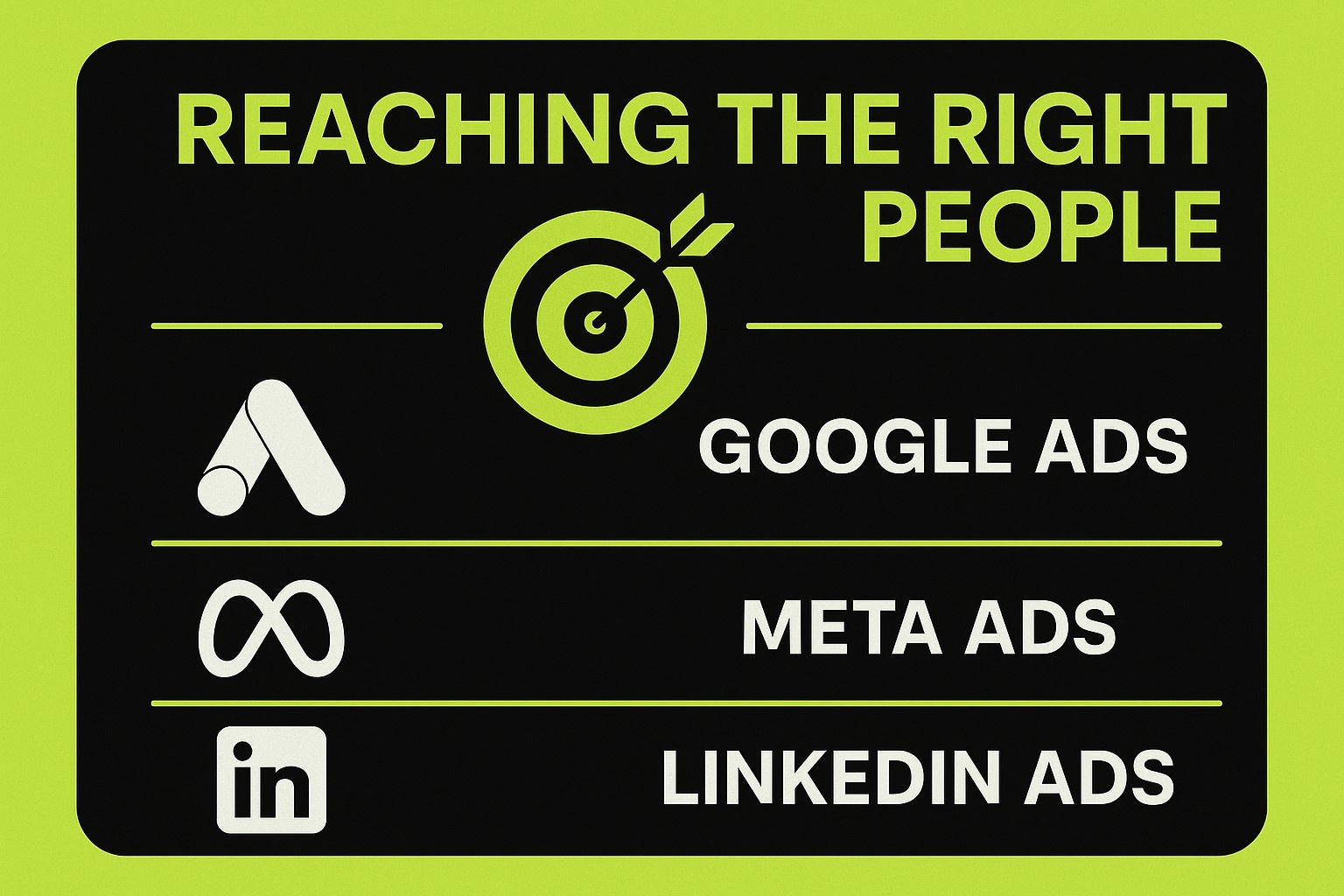
Advertising Tools: Reaching the Right People
Small businesses can’t afford to waste ad spend. Using advertising platforms strategically ensures you target the right audience at the right time:
- Google Ads: Capture demand when people are actively searching for your products or services
- Meta Ads (Facebook & Instagram): Reach highly specific audiences through interest, behavior, and demographic targeting
- LinkedIn Ads: Perfect for B2B businesses looking to connect with decision-makers
The key is testing, measuring, and refining campaigns to avoid guessing and maximize ROI.
Email Marketing Tools: Personalizing Communication
Email remains one of the most effective ways to nurture leads and retain customers. Marketing automation platforms help small businesses deliver messages that feel personal:
- Mailchimp: Simple, user-friendly platform for newsletters and automation
- Brevo: Offers advanced segmentation and triggered campaigns
- HubSpot: All-in-one CRM and marketing platform for scaling email efforts
With the right tool, you can segment your audience, send timely messages, and measure engagement without manual effort.
Social Media Management Tools: Staying Consistent
Consistency is key for social media, but managing multiple platforms can quickly become chaotic. Social media management tools help schedule posts, track performance, and maintain engagement:
- Buffer: Easy scheduling and performance tracking across multiple platforms
- Hootsuite: Manage social accounts, monitor mentions, and analyze audience behavior
- Later: Great for visually planning and scheduling Instagram and TikTok content
These platforms save time while keeping your social presence active and relevant.
SEO Tools: Improving Search Visibility
Search engine optimization is critical for driving organic traffic. SEO tools provide insights on keywords, competitors, and website performance:
- Ahrefs: Powerful keyword research, backlink analysis, and site audits
- SEMrush: Competitor analysis, keyword tracking, and content optimization
- Moz: On-page optimization and local SEO tools for small businesses
Using SEO tools strategically ensures your website ranks for terms that attract the right audience and drive conversions.
Partnering with Experts: How Lengreo Helps Small Businesses Grow
When it comes to executing proven marketing strategies, having the right partner can make all the difference. At Lengreo, we work closely with small and mid-sized businesses to turn marketing plans into measurable results. We don’t offer one-size-fits-all solutions. Instead, we listen, analyze, and craft strategies that align with your goals, audience, and industry.
Comprehensive Marketing and Technology Services
From SEO and paid advertising to social media management and website development, we cover all the bases so businesses can focus on what they do best. Some of the ways we help our clients include:
- Optimizing digital marketing strategies to generate qualified leads
- Building websites and landing pages that convert visitors into customers
- Running hyper-personalized outreach campaigns across email and LinkedIn
- Managing paid ads efficiently to maximize ROI
By combining these services, small businesses can create cohesive marketing campaigns that work across multiple channels and touchpoints.
Data-Driven, Results-Oriented Approach
We believe marketing should never be guesswork. Every tactic we implement is backed by data and measurable outcomes. Whether it’s tracking conversions, analyzing keyword performance, or adjusting social campaigns, our focus is always on delivering real results. This approach helps small businesses see where their marketing dollars go and how each effort contributes to growth.
Tailored Strategies That Fit Your Business
Every business has its own story, challenges, and audience, and our approach reflects that uniqueness. By taking the time to understand your strengths and goals, we develop campaigns that truly resonate with your ideal customers and integrate smoothly into your team without disrupting daily workflows. Transparent reporting keeps you informed about what’s working and where adjustments are needed. With LenGreo, small businesses gain more than a service provider – they gain a dedicated partner committed to long-term growth, helping you scale smarter and faster in 2025 and beyond.
Conclusion
Running a small business in 2025 means doing more than just “being online” or trying every marketing trick you hear about. It’s about being thoughtful with your efforts and keeping your customers at the center of everything you do. The strategies we’ve talked about, whether that’s email, social media, SEO, mobile marketing, or even hands-on experiences, aren’t magic fixes. They’re practical tools that help you build real trust, create genuine connections, and grow in ways that actually stick.
The businesses that tend to do well aren’t the ones chasing every new trend. They’re the ones showing up consistently, paying attention to what their audience responds to, and doubling down on what clearly works for them. You don’t have to do everything at once. Start small, test, adjust, and build from there.
And when you use the right tools or get support from people who know the space, your work gets simpler and more effective. Marketing doesn’t need to be flashy or complicated. At the end of the day, it’s really about helping customers feel understood and confident choosing you. When that connection is there, growth tends to follow naturally.