


Real estate has always demanded strong communication skills, but modern buyers and sellers expect more than quick responses and a few photos online. They expect clarity, convenience, and an agent who understands exactly what they need. That’s why today’s marketing strategies must combine technology, local knowledge, and a personal touch. Below you’ll find sixteen practical strategies rooted in how real estate marketing works now, not ten years ago.
Understanding the Modern Real Estate Landscape
Before jumping into specific techniques, it helps to understand how the market has changed. Buyers no longer rely solely on yard signs or weekend open houses. At the same time, sellers expect agents to bring more than basic listing services. Digital habits, local trends, and new marketing technologies have reshaped the entire process.
Several forces influence how agents market properties and themselves:
- Buyers begin their search online, often long before they talk to an agent.
- Sellers judge agents based on their online presence, not just referrals.
- Visual content has become more important than descriptions alone.
- Offline marketing still works, but only when it feels personal.
- Automation and data are quietly becoming major competitive advantages.
Once you understand this mix, your marketing stops being a guessing game and becomes something far more strategic.
How We Approach Real Estate Marketing at Lengreo
At Lengreo, we see these shifts every day because we work with companies across industries that face the same pressure to adapt. Real estate is no different. The market moves fast, and the agents who thrive are the ones who understand both the human side of property decisions and the technical side of modern marketing. We’ve learned that you can’t build an effective strategy by relying on generic solutions or templates. Each client brings a different audience, different challenges, and different goals, and our job is to tailor the approach so it genuinely fits their reality.
Our team focuses on a mix of strategy, technology, and hands-on execution. We handle everything from SEO and paid ads to lead generation, content planning, and conversion optimization, but what matters more is how all these pieces connect. We integrate deeply with our clients’ processes, join their internal conversations, and take responsibility for results, not just deliverables. The same philosophy applies when we support real estate businesses. Instead of pushing standard marketing ideas, we help you understand the audience you’re targeting, the channels that make sense for your market, and the messaging that creates trust. That’s how we approach growth: practical, data informed, and built around your strengths.
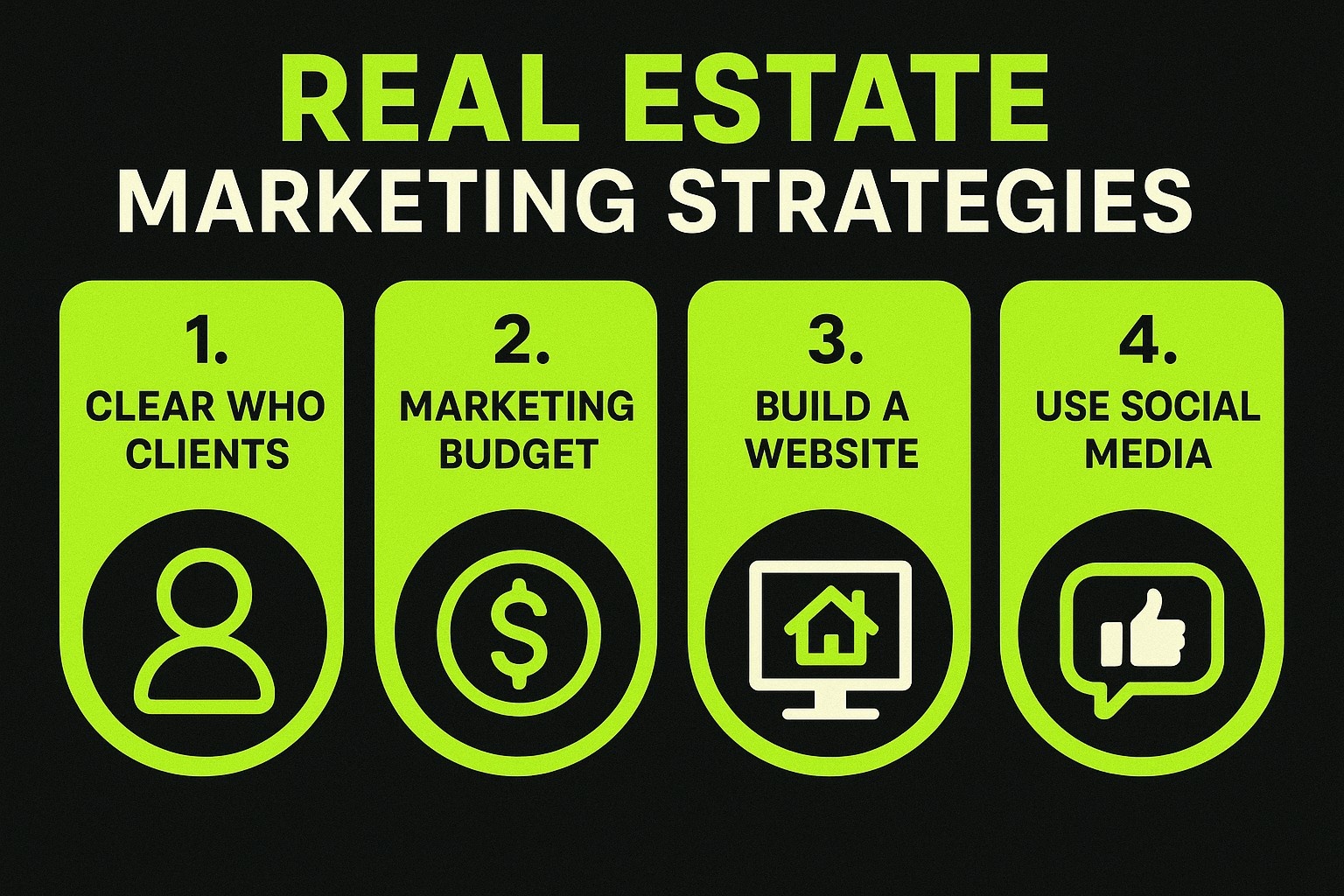
1. Get Clear About Who Your Clients Really Are
Real estate becomes much easier to market when you stop trying to appeal to everyone. Choosing a specific audience helps shape your messaging, your content, and even the channels you use. First time buyers have different concerns than luxury downsizers, and investors look for information that families don’t.
When you take the time to dig into what your ideal clients value, you start speaking in a way that feels relevant to them. That clarity naturally attracts the right people and filters out the ones who aren’t a fit.
2. Create a Marketing Budget You Can Stick To
A solid marketing budget isn’t about spending more. It’s about spending consistently. Many agents fall into a cycle of promoting heavily during busy periods and disappearing during slow ones, which creates unpredictable results. A structured budget keeps you visible all year and prevents wasted spending.
It helps to break your budget into categories like digital ads, website upkeep, photography, print materials, and social media support. This way you can see what’s working and adjust without blowing through your resources.
3. Build a Website That Does More Than Look Good
Your website is often the first real impression a client gets of your work. It should load quickly, feel easy to navigate, and show your listings clearly. A clean design helps, but what matters most is functionality.
Buyers want clear photos, up to date listing information, and a straightforward way to contact you. If your site accomplishes those things without forcing people to dig around, it becomes a genuine asset instead of a digital formality.
4. Use Social Media With a Purpose, Not Just a Schedule
Posting consistently is important, but real results come from sharing content that actually says something. People want a mix of listings, market perspective, and glimpses into your day to day work. They’re not expecting movie level production. They’re expecting authenticity.
Some of the strongest social media accounts build trust by showing the human side of the job. A quick video tour, a simple explanation of interest rate changes, or a casual behind the scenes clip can earn more engagement than any polished ad.
5. Respond Quickly Because Speed Builds Trust
Real estate moves fast, and clients feel anxious when they wait too long for answers. A quick reply, even if it’s a short placeholder message, tells people you’re paying attention. That alone can win you business.
Most buyers and sellers naturally gravitate toward the agent who makes them feel supported in the moment. It’s not about being available 24 hours a day. It’s about never letting a message sit untouched when someone is actively making decisions.
6. Send Newsletters That Educate, Not Just Promote
A newsletter can be one of your most powerful long term tools. When done right, it shows that you understand the local market better than most. You can share updates, explain new regulations, highlight community trends, or provide context about pricing shifts.
People like staying informed, especially when the information feels practical. Over time, your voice becomes familiar, and you become the person they think of when it’s time to make a move.
7. Develop Neighborhood Guides That Show Real Value
Good neighborhood guides help buyers imagine their lifestyle in a new area. They also position you as an expert who genuinely knows the community. These guides shouldn’t just list features. They should give people a sense of what it’s like to live there.
Strong guides often include:
- School information
- Restaurant and shop recommendations
- Local events
- Transit options
- Insights on growth or development
Clients appreciate the effort, and these guides continue working long after you publish them.
8. Elevate Your Listings With High Quality Visual Content
Buyers expect more than a few photos. They want virtual tours, videos, floor plans, and clean imagery that helps them picture themselves in the space. A well crafted 3D tour or drone clip can spark curiosity and make a listing feel more premium without overselling it.
Using professional visuals isn’t about being flashy. It’s about giving potential buyers the clearest possible view of the property, especially those who are relocating or browsing from a distance.
9. Strengthen Your Visibility With SEO
Search engine optimization is slow but incredibly valuable. Buyers often search for terms related to neighborhoods, property types, or local market trends. If your content answers those questions, your website becomes a more frequent stop in their search process.
SEO can include location specific landing pages, blog posts that answer common questions, and maintaining your Google Business Profile. Over time, this brings in organic traffic that doesn’t cost anything per click.
10. Run Digital Ads With Clear Intentions
Digital ads work best when they aren’t used impulsively. A targeted campaign on social platforms or search engines should have a specific goal, such as promoting a new listing or generating leads for a particular neighborhood.
Effective ads usually:
- Focus on one message
- Use clean visuals
- Lead to a simple contact page
- Track conversions
When your campaigns are narrow and intentional, your budget stretches much further and produces better leads.
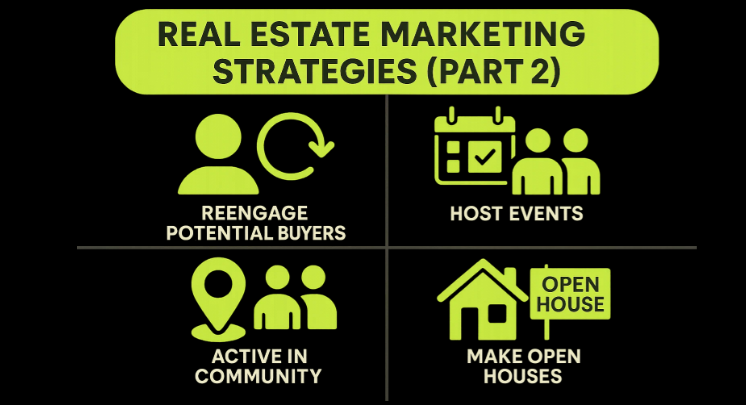
11. Reengage Potential Buyers Through Retargeting
Most buyers browse casually long before they’re ready to talk. Retargeting helps bring them back when they’re closer to making a decision. Ads that appear after someone has viewed your site or a specific listing feel familiar, not intrusive.
The key is to keep retargeting messages helpful. A gentle reminder about a property, a market update, or a simple invitation to ask questions can encourage people to return without pressure.
12. Host Events That Build Your Reputation
Workshops, open Q&A sessions, and first time buyer webinars can make you more approachable. They allow people to learn from you without committing to anything. When you host events that feel educational rather than sales driven, clients naturally see you as a knowledgeable resource.
Even informal gatherings, like community spotlights or neighborhood tours, help build relationships that eventually turn into business.
13. Stay Active in the Community You Serve
While online marketing is important, being present in your community creates trust at a different level. Showing up at local events, sponsoring small initiatives, or simply supporting neighborhood activities helps people see you as part of the area, not just someone trying to profit from it.
This kind of presence is subtle, but it builds a slow, steady reputation that lasts longer than any advertisement.
14. Make Open Houses More Memorable
A good open house should feel organized, welcoming, and easy to navigate. Visitors don’t want to feel rushed or ignored. Small details, like clear signage, simple refreshments, and printed information, create comfort.
Guided tours or brief introductions to the neighborhood can help visitors imagine the lifestyle that comes with the home. When people leave with a positive impression, they’re far more likely to follow up.
15. Build Partnerships That Extend Your Reach
Collaborating with related businesses can expand your client base naturally. Mortgage brokers, interior decorators, home improvement experts, and moving companies all interact with people who may need an agent soon.
Partnerships make your services feel more complete and give clients the sense that you have a strong professional network behind you. This builds confidence in your ability to manage the full process.
16. Use Automation to Support Your Workload
No agent can manage every detail manually. Automation tools help maintain consistency by handling small tasks, such as follow up reminders, email sequences, social media planning, and lead tracking. These tools don’t replace the personal side of your work. They simply keep everything organized so nothing slips through the cracks.
The goal isn’t to become less human. It’s to free up your time for the parts of the job that truly need your attention.
Final Thoughts
A strong real estate marketing strategy doesn’t rely on flashy trends. It relies on steady visibility, practical communication, and a willingness to adapt to how people search for homes today. These sixteen strategies help agents build a presence that feels both knowledgeable and approachable, and they work because they focus on what clients actually care about: clarity, trust, and a smooth experience.