


Quick Summary: Veterinary practices need strategic marketing to attract and retain clients in 2026’s competitive landscape. Effective approaches include optimizing digital presence through SEO and Google Business profiles, building trust via social media and online reviews, implementing email campaigns with high open rates, and offering flexible payment options to address cost concerns that cause many pet owners to skip care.
The veterinary landscape has shifted dramatically. While marketing has become more competitive, more technical, and more precise, with algorithms using AI to determine which ads appear, when, and to whom. Pet owners still love their animals. 95 million U.S. households own a pet, creating massive opportunity for practices that market effectively.
The challenge? Standing out in today’s environment. Traditional marketing alone won’t cut it anymore.
Build a Foundation with Strategic Digital Presence
Pet owners start their search online. Always. Your online reputation builds trust before your team even speaks to a pet owner, making digital visibility non-negotiable for growth.
Optimize Your Google Business Profile
Most veterinary searches happen locally. When someone types “vet near me” or “emergency vet,” appearing in those results matters more than almost anything else.
Keep your Google Business Profile current with accurate hours, services, and photos. Respond to every review—positive or negative. Consider adding video content directly to your profile.
Create a Modern, Functional Website
A strong website is essential for competitive veterinary practices. Pet owners expect online booking, clear service descriptions, and mobile-friendly design.
But don’t just focus on aesthetics. Pet owners need digital solutions for routine tasks like booking, prescription refills, pre-visit paperwork, and payments. They also expect digital communication for reminders, post-visit summaries, and booking appointments.
Bring Marketing Into One Setup With Lengreo
Lengreo works with service businesses that need their website, search visibility, ads, tracking, and lead generation to work together. For veterinary practices, this can help make services, locations, appointment options, emergency information, and contact steps easier to find online.
A clearer setup can support pet owners who are already looking for care but need quick answers before reaching out. Lengreo can help improve the pages, traffic sources, and tracking behind that process.
Need More Pet Owner Inquiries?
Lengreo can help with:
- refining service, location, and contact pages
- improving local SEO and search visibility
- setting up paid campaigns for service inquiries
- tracking calls, forms, and lead sources
👉 Contact Lengreo to discuss your marketing setup.
Leverage Social Media Marketing That Actually Works
Social media isn’t optional anymore. Most veterinary practices have not yet committed to TikTok, creating one of the clearest gaps between where the audience is and where practices are investing, with early movers building significant local brand equity through short-form video.
Focus on Educational Content
Credentialed veterinary technicians on social media platforms can educate pet owners, showcase the daily realities of veterinary work, and advocate for a better understanding of the profession. Share quick tips, behind-the-scenes content, and answers to common questions.
Real talk: pet owners don’t want constant sales pitches. They want value. Post about seasonal health tips, introduce team members, and celebrate patient success stories.
Choose the Right Platforms
Not every platform deserves equal attention. Facebook remains strong for local businesses and older demographics. Instagram works well for visual storytelling. TikTok captures younger pet owners—a demographic worth reaching.
Meeting them where they already spend time matters.
Harness the Power of Email Marketing
Email marketing delivers exceptional ROI for veterinary practices. A 38.4% open rate is exceptional, with the cross-industry average around 21%, meaning veterinary emails are performing nearly twice as well.
Why? Pet owners treat veterinary emails differently from promotional retail emails. An appointment reminder or vaccine alert carries genuine utility.
Automate Reminders and Reactivation
Set up automatic reminders for annual checkups, vaccinations, and preventive care. Appointment reminders and retention automation help practices maintain client relationships efficiently.
Don’t forget lapsed clients. Systematic reactivation campaigns represent a significant opportunity, as most practices never attempt them.
| Email Type | Purpose | Frequency |
|---|---|---|
| Appointment Reminders | Reduce no-shows | 48-72 hours before |
| Vaccination Alerts | Preventive care compliance | 30 days before due |
| Wellness Tips | Education and engagement | Monthly |
| Reactivation Campaigns | Win back lapsed clients | After 12 months inactive |
Build Trust Through Online Reviews
67% of consumers say reviews influence their decisions when choosing a business to work with. Reviews aren’t just nice to have—they’re critical social proof that drives new client acquisition.
Ask satisfied clients to leave reviews immediately after positive experiences. Make it easy by sending follow-up emails with direct links to your Google Business Profile or Facebook page.
When negative reviews appear (and they will), respond promptly and professionally. Show potential clients how your practice handles concerns.
Address Cost Concerns Proactively
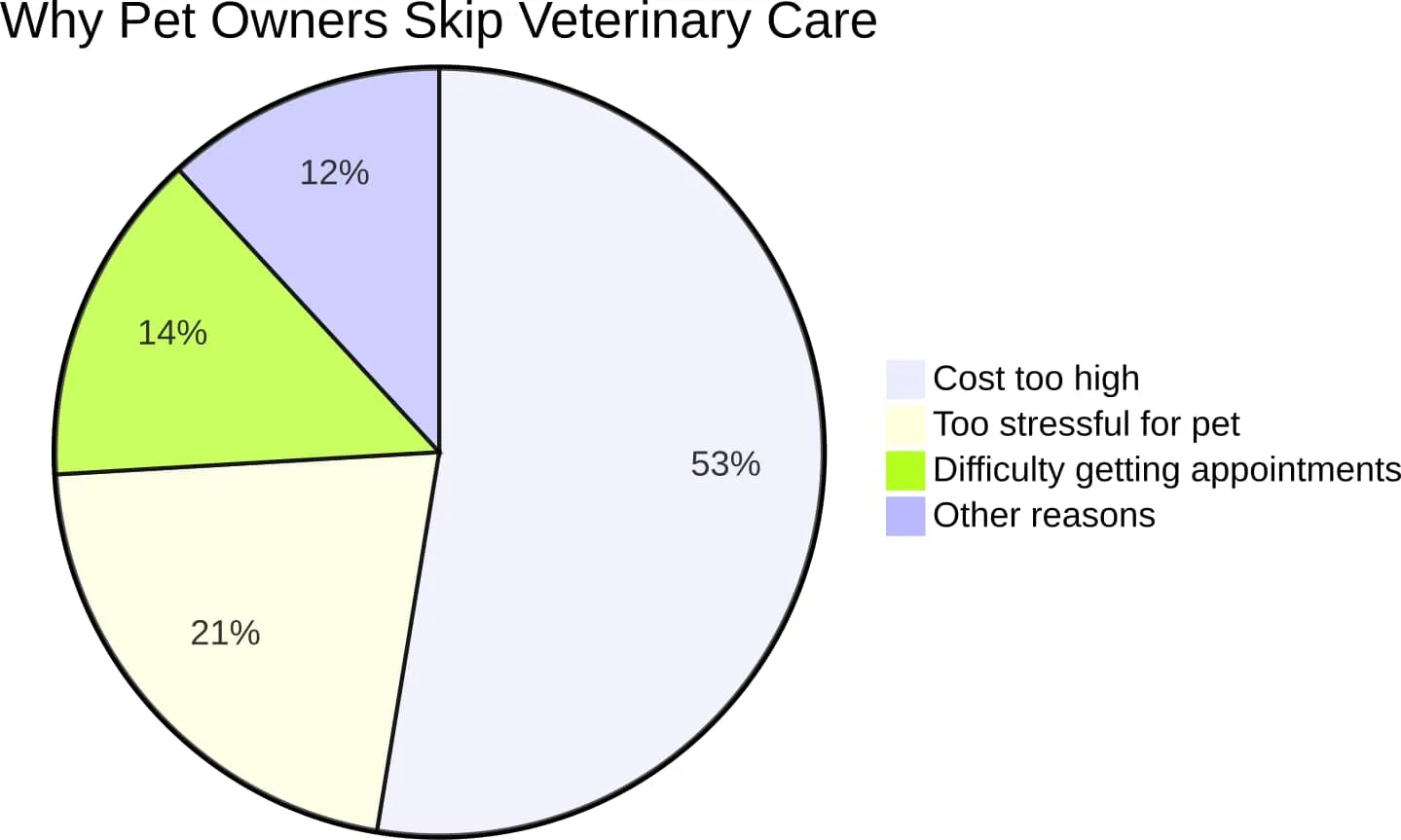
Here’s what many practices miss: More than half of U.S. pet owners have skipped needed veterinary care in the past year, with 71% citing cost as the key factor.
The solution isn’t lowering prices—it’s communication. Offer treatment alternatives. Discuss payment plans. Be transparent about costs upfront. Only a fraction of pet owners report having been offered payment plan options, yet most would welcome them.
Implement Local Partnership Marketing
Cross-promote services. Offer referral incentives. Host joint community events. Local partnerships expand reach without massive ad spend.
Track What Actually Matters
Marketing without measurement wastes money. 78% of practices don’t track client acquisition costs and 36% don’t have a marketing plan.
That’s a visibility problem, not a budget problem. Track where new clients come from. Measure appointment conversion rates. Calculate the actual cost of acquiring each client.
| Metric | What It Tells You | How to Use It |
|---|---|---|
| Client Acquisition Cost (CAC) | Cost to gain one new client | Determine marketing ROI |
| Website Conversion Rate | Visitors who book appointments | Optimize website effectiveness |
| Email Open Rate | Engagement with communications | Refine messaging and timing |
| Review Response Rate | How quickly you engage feedback | Improve reputation management |
Focus on Client Retention
Acquiring new clients costs more than keeping existing ones. Yet pet-owner adherence with recommended treatments fell from 29% to 22% between 2013 and 2016, while annual visits by pet-owners dropped from 4.4 to 3.2.
The fix? Better communication and experience. Improve appointment availability. Streamline check-in processes. Follow up after visits. These operational improvements are marketing—they create the experience that generates referrals and positive reviews.
Prepare for AI-Driven Search
Search behavior is changing fast. Creating authoritative, well-structured content on your website is increasingly important. Answer common questions thoroughly. Use clear headings and concise explanations that search engines can easily parse and quote.
Moving Forward: Building Your Marketing Plan
Effective veterinary marketing in 2026 isn’t about doing everything—it’s about doing the right things consistently. Start with digital fundamentals: a functional website, optimized Google Business Profile, and systematic email communications.
Add social media where your clients actually are. Build partnerships locally. Address cost concerns transparently. And measure everything so you know what works.
The practices thriving right now aren’t necessarily spending more on marketing. They’re spending smarter, meeting pet owners where they already are, and creating experiences worth talking about.