

Quick Summary: Effective restaurant marketing in 2026 blends digital strategies with community engagement to drive revenue and build loyalty. From optimizing local SEO and leveraging social media to hosting fundraisers and creating targeted promotions, restaurants can attract new customers while retaining existing ones. The most successful approaches combine consistent online presence with authentic local partnerships and data-driven campaigns.
The restaurant industry faces unique challenges right now. With costs for some proteins climbing 20 to 80 percent and nearly all input expenses rising simultaneously, operators can’t afford to waste money on marketing that doesn’t work.
Here’s the reality: most customers make dining decisions online before they ever step foot in your establishment. That means your marketing strategy determines whether seats stay filled or remain empty.
This guide covers practical, proven marketing ideas specifically designed for restaurants operating in 2026. No fluff, no outdated tactics—just strategies that drive measurable results.
Understanding Your Restaurant Marketing Budget
Before diving into specific tactics, you need to establish a realistic marketing budget. According to the U.S. Small Business Administration, local businesses should start with modest test campaigns—such as a $100 Facebook ad budget—to evaluate effectiveness before scaling.
Location significantly impacts how much restaurants typically allocate to marketing. Rural restaurants often spend 3–5% of revenue on marketing efforts, while suburban establishments invest 4–7%. Restaurants in larger cities may dedicate 10–15% of revenue, particularly during the first year of operation.
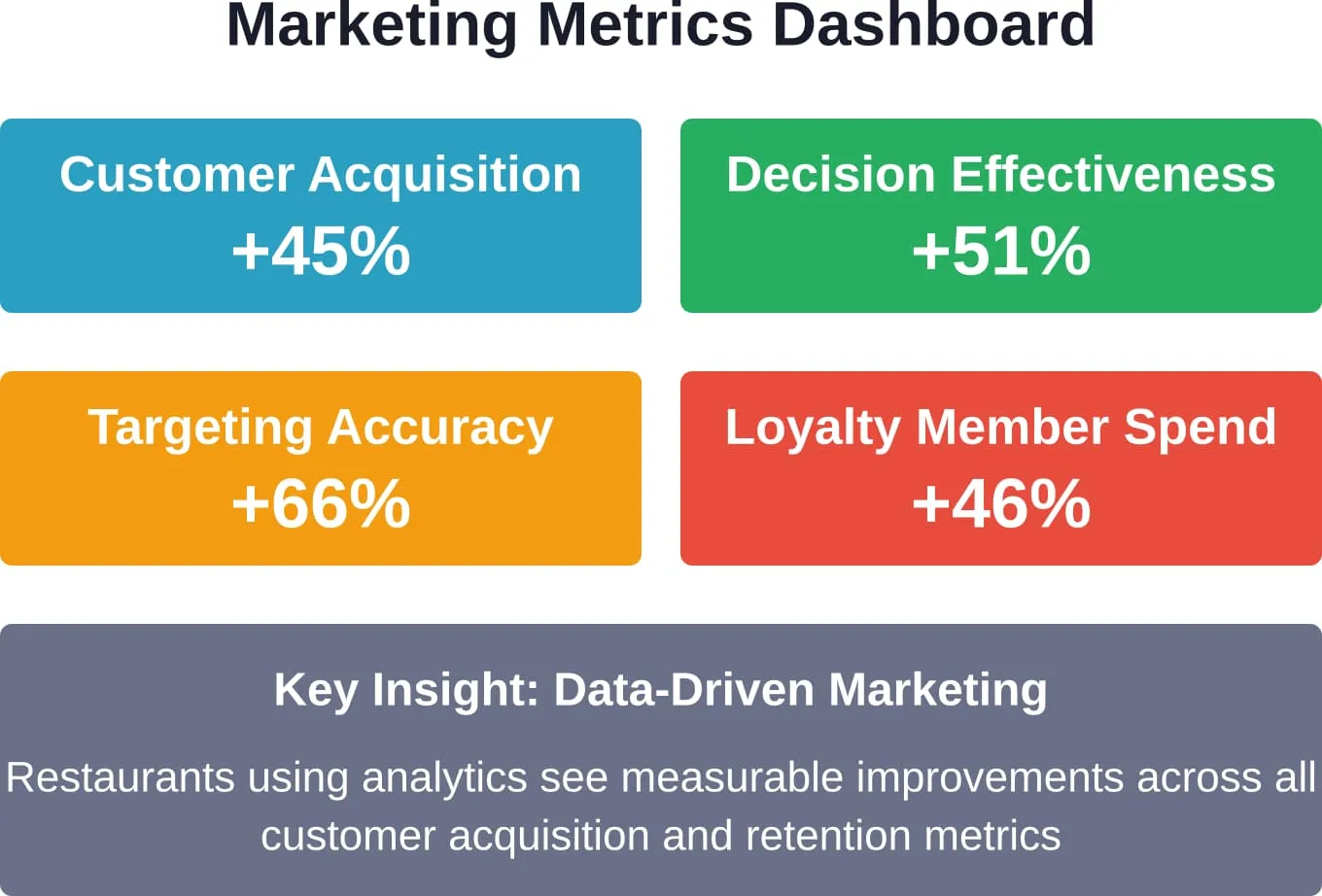
The key isn’t necessarily spending more—it’s spending smarter. Data-driven marketing approaches have demonstrated improvements in customer acquisition and decision-making effectiveness when marketing strategies are properly implemented.
Build a Digital Foundation That Works
Optimize for Local Search
When someone searches “restaurants near me,” you want your establishment appearing at the top. Local SEO determines whether potential diners discover your restaurant or your competitor’s.
Start with your Google Business Profile. Claim it, verify it, and fill out every single field. Add high-quality photos of your dishes, update your hours religiously, and respond to every review—positive or negative.
But here’s what many miss: consistency across platforms. Your name, address, and phone number must match exactly everywhere they appear online. Even small discrepancies confuse search algorithms and hurt your rankings.
Create a Website That Converts
Your website serves as your digital storefront. It needs to load fast, look professional on mobile devices, and make it absurdly easy for visitors to take action—whether that’s making a reservation, ordering takeout, or viewing your menu.
That transformation starts with a functional website.
Essential elements include:
- Clear, updated menu with prices
- Prominent reservation or ordering buttons
- Location and hours visible without scrolling
- Mobile-responsive design
- Page load time under three seconds
Skip the overly complicated designs. Hungry people want information fast.
Social Media Strategies That Actually Generate Business
Social media isn’t just about posting pretty food photos anymore. It’s become a complete operating system for restaurant marketing in 2026.
Platform Selection and Focus
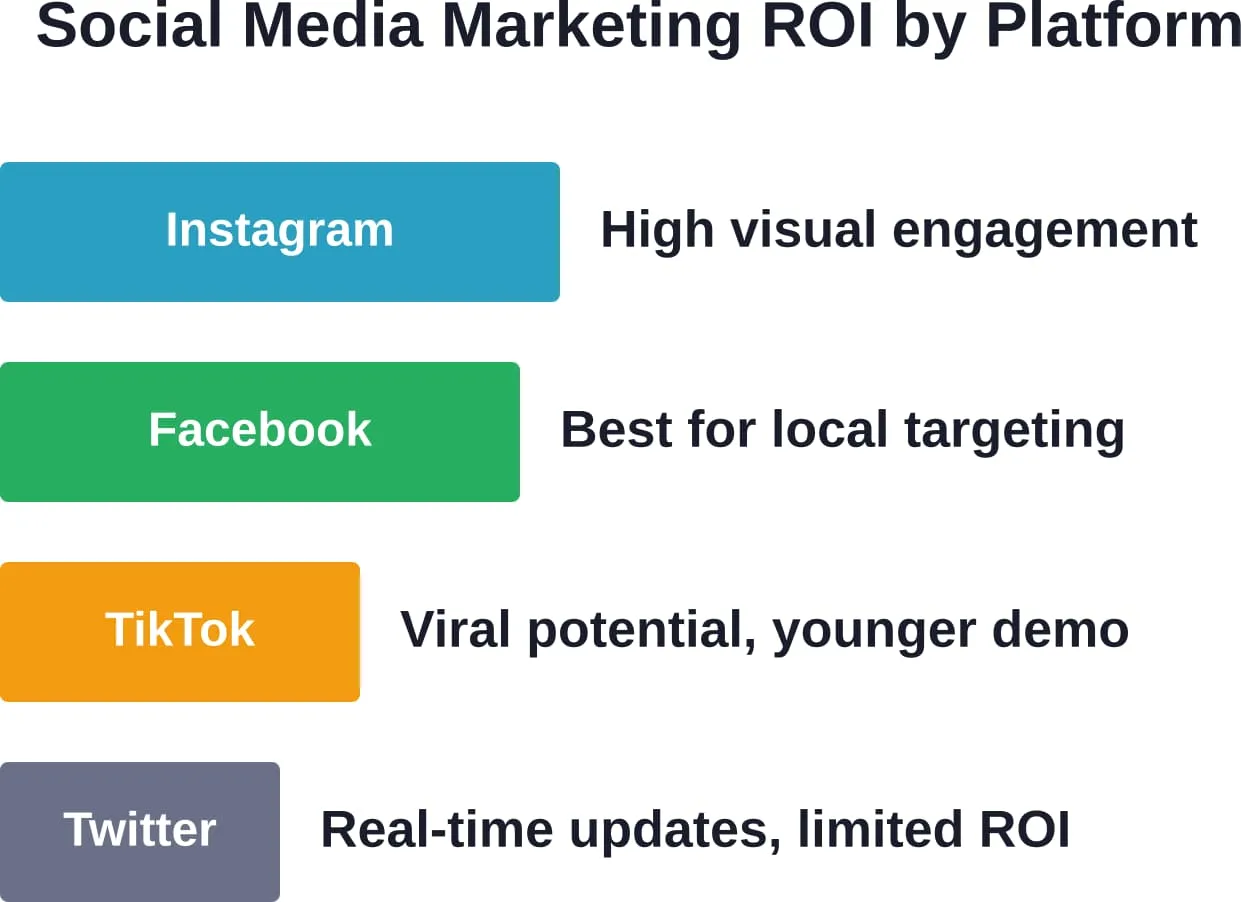
Not all platforms deliver equal returns for restaurants. Instagram and Facebook remain dominant for food businesses, but the strategy for each differs significantly.
Instagram works brilliantly for visual storytelling—showcasing dishes, behind-the-scenes content, and creating aspirational dining experiences. Facebook excels at community building, event promotion, and reaching slightly older demographics who often have more disposable income.
The U.S. Small Business Administration notes that Facebook offers specific options to market to local users, making it particularly valuable for restaurants drawing customers from within a 75-mile radius.
Content That Drives Foot Traffic
Consistency beats perfection every time. Community discussions emphasize that dropping consistent content matters more than waiting for the perfect shot.
Create a content calendar mixing:
- Daily specials with professional food photography
- Behind-the-scenes staff stories
- Customer testimonials and user-generated content
- Limited-time offers that create urgency
- Chef tips or recipe teasers
Some operators find that posting high-quality photos of specials directly drives customer visits. The visual appeal triggers immediate cravings and decision-making.
AI-Powered Customer Engagement
AI chatbots have become accessible to independent operators in 2026, not just large chains. A chatbot integrated into your website or social media profiles handles reservations, answers menu questions, and promotes current offers 24 hours daily—without requiring staff overhead.
For potential guests browsing at 11 PM while deciding where to book for the weekend, that instant response can close the sale before they move on to a competitor.
Email Marketing That Fills Tables
Email remains one of the highest-ROI marketing channels for restaurants. It’s direct, measurable, and you own the list—unlike social media followers that belong to the platform.
Build your email list through:
- Table tent signup cards offering a welcome discount
- Website popup for first-time visitors
- Receipt includes signup incentive
- WiFi access in exchange for email
Segment your list based on customer behavior. First-time visitors receive different messages than regulars. Weekend brunch customers get different promotions than weekday lunch crowds.
Send regular but not excessive emails—once or twice weekly hits the sweet spot for most restaurants. Monday emails promoting weekend specials, Thursday emails highlighting upcoming events.
Loyalty Programs That Actually Work
Customer retention costs far less than acquisition. Well-designed loyalty programs have been shown to improve customer retention and repeat visits.
| Loyalty Program Type | Best For | Implementation Complexity | Customer Appeal |
|---|---|---|---|
| Point-based systems | Fast casual, coffee shops | Medium | High |
| Visit-based punch cards | Small independents | Low | Medium |
| Tiered membership | Fine dining, upscale casual | High | High |
| Spend thresholds | High-volume establishments | Medium | Medium |
The design matters enormously. Make earning rewards achievable but not too easy—you want customers returning regularly to hit their next milestone, not cashing out after one visit.
Digital loyalty programs integrated with your POS system track automatically and send personalized offers. They cost more upfront but deliver significantly better data and customer engagement than manual punch cards.
Community Partnerships and Local Marketing
Local restaurants thrive through community connections. These partnerships generate goodwill while driving measurable business.
Charity Fundraising Events
Partner with local charities to host regular fundraising events. This creates cross-promotion opportunities while supporting causes your community cares about.
Structure these simply. For example, designate every third Thursday from 4–6 PM where 10% of food sales benefit a local organization like No Kid Hungry. The charity promotes the event to their supporters, driving traffic you wouldn’t otherwise reach.
Advertise how the organization benefits and the impact these events create. Customers feel good about dining with purpose, and they’ll return for regular visits after experiencing your food.
Local Business Collaborations
Cross-promote with complementary businesses. Partner with nearby theaters, bowling alleys, entertainment venues, or hotels to create package deals.
Offer theater-goers a pre-show dining discount. Create special rates for hotel guests. These partnerships expose your restaurant to customers already planning an outing and looking for dining options.
The relationships work both ways—you send customers to partner businesses, they send customers to you. Everyone benefits.
Become a Local Landmark
Establish your restaurant as the go-to venue for community gatherings. Host regular trivia nights, live music, book clubs, or business networking events.
These recurring events create predictable traffic on traditionally slow nights and build a community of regulars who view your establishment as their place.
Promotion Ideas That Drive Immediate Revenue
Strategic promotions create urgency and give customers a reason to choose your restaurant today instead of someday.
Time-Sensitive Offers
Limited-time specials work because they force decision-making. Create seasonal menus, weekend-only dishes, or flash sales announced via social media and email.
Happy hour remains effective when structured properly. Target the slow periods—typically weekday afternoons—with compelling food and drink specials that bring in customers when tables would otherwise sit empty.
First-Time Customer Incentives
Give new customers a compelling reason to try your restaurant. Offer a percentage off their first visit or a free appetizer with entree purchase.
The goal isn’t profit on visit one—it’s converting first-timers into regulars. If the food and experience deliver, that initial discount pays for itself many times over through repeat business.
Referral Programs
Turn existing customers into your sales force. Offer incentives when they bring friends—both the referrer and the new customer receive something valuable.
This works because people trust personal recommendations more than any advertisement. Your satisfied customers become authentic advocates who deliver pre-sold prospects.
Influencer Marketing Beyond the Big Names
Influencer marketing has evolved dramatically. You don’t need celebrity chefs or accounts with millions of followers to see results.
Micro-influencers—local food bloggers with smaller but engaged audiences—often deliver stronger ROI than major names. Their audiences trust their recommendations and they’re far more affordable (or willing to work for complimentary meals).
Look for influencers whose audience demographics match your target customer. A family-friendly restaurant benefits more from parent bloggers than nightlife influencers, regardless of follower counts.
Set clear expectations upfront. Provide a complimentary experience in exchange for honest coverage—specify deliverables like Instagram posts, stories, or blog features, but don’t demand fake enthusiasm. Authentic content converts better than obvious advertisements.
Online Reviews and Reputation Management
Reviews directly impact revenue. Potential customers read them religiously before choosing where to dine, and negative reviews cost you business every single day they remain unaddressed.
Actively encourage satisfied customers to leave reviews. Train staff to mention during service: “If you enjoyed your meal, we’d love it if you’d share your experience on Google.” Simple verbal requests work.
Respond to every review—positive and negative. Thank people for positive feedback. Address negative reviews professionally, acknowledge the issue, and offer to make it right.
Never argue with reviewers publicly. Even when they’re completely wrong, your response demonstrates to future customers how you handle problems. Grace under pressure builds trust.
Event Marketing That Fills Seats
Restaurants have become the go-to venues for group events beyond just dining. Corporate meetings, birthday parties, rehearsal dinners, networking events—these group bookings generate significant revenue and introduce your restaurant to new customers.
Create packages specifically designed for events. Offer private dining spaces, customized menus, and simplified billing for event organizers. Make booking easy with dedicated event coordinators or streamlined inquiry forms.
Promote your event capabilities through:
- Dedicated event page on your website
- Partnerships with event planners and corporate coordinators
- Venue listing services that connect restaurants with event organizers
- Social media showcasing past successful events
Each event exposes dozens of attendees to your restaurant. If they enjoy the experience, they’ll return for regular dining and recommend you for their own future events.
Seasonal and Holiday Marketing
Capitalize on holidays and seasons with targeted marketing campaigns. These occasions already have customers planning special meals—you just need to position your restaurant as the obvious choice.
Create special menus for major holidays: Valentine’s Day, Mother’s Day, Thanksgiving, New Year’s Eve. Promote these weeks in advance through email, social media, and your website.
Don’t limit yourself to major holidays. Create your own food holidays around seasonal ingredients, cultural celebrations, or fun themes. Taco Tuesday became an industry standard because restaurants made it one.
Seasonal menu rotations give regulars a reason to return. Winter comfort foods, spring vegetables, summer grills, fall harvest—each season brings new ingredients and menu opportunities that create freshness and excitement.
Paid Advertising That Actually Works
Organic reach continues declining across social platforms. Paid advertising fills the gap, but only when executed strategically.
Facebook and Instagram Ads
The U.S. Small Business Administration recommends small businesses start with a modest $100 budget to test campaign effectiveness before scaling. That’s solid advice—run small tests, measure results, then invest more in what works.
Target ads geographically to people within reasonable driving distance. A restaurant in downtown Austin doesn’t benefit from impressions in Houston. Narrow your radius to your actual service area.
Use compelling food photography and clear calls-to-action. “Book your table now” or “Order online today” tell viewers exactly what action to take.
Google Ads for Local Intent
Google Ads capture people actively searching for restaurants right now. Target keywords like “restaurants near me,” “best Italian food [your city],” or “date night restaurants [neighborhood].”
These searchers have high intent—they’re hungry and ready to make a decision. Your ad at that moment can capture business that would otherwise go to competitors.
Turn Restaurant Marketing Into Qualified Leads With Lengreo
Restaurant marketing ideas should do more than create short bursts of attention. Lengreo can help hospitality and food service businesses build a more structured marketing process through SEO, PPC, content marketing, B2B lead generation, LinkedIn and email outreach, and appointment setting.
This can be useful when a business needs better search visibility, more relevant contacts, or a clearer follow-up process after someone shows interest. Lengreo’s work can help connect marketing activity with actual sales conversations instead of leaving campaigns as one-off efforts.
Lengreo can support this through:
- SEO and content marketing for online visibility
- PPC campaigns for targeted demand
- B2B lead generation for relevant offers
- LinkedIn and email outreach to selected business contacts
- Digital marketing strategy for clearer campaign direction
- Appointment setting with qualified prospects
Reach out to Lengreo to turn restaurant marketing ideas into a more organized lead generation process.
Building a Brand Identity That Resonates
Marketing tactics mean nothing without a clear brand identity. What makes your restaurant different? Why should customers choose you over dozens of alternatives?
Your brand encompasses everything: your cuisine style, service approach, atmosphere, values, and personality. It’s not just a logo—it’s the complete experience and emotional connection customers have with your establishment.
Define your brand clearly:
- What cuisine or dining experience do you specialize in?
- What values drive your business (local sourcing, sustainability, family recipes)?
- Who is your ideal customer?
- What feeling should customers have when they dine with you?
Every marketing decision should reinforce this brand identity. Consistency builds recognition and trust over time.
Photography and Visual Content
Restaurants are inherently visual businesses. High-quality photography isn’t optional—it’s essential for every marketing channel.
Invest in professional food photography for your menu, website, and social media. These images appear hundreds or thousands of times—spending a few hundred dollars for professional shots pays for itself immediately.
That said, authentic behind-the-scenes content often outperforms overly polished images on social media. Mix professional hero shots with real-time kitchen activity, staff interactions, and customer experiences.
Video content continues gaining importance. Short clips showing food preparation, plate presentations, or restaurant atmosphere engage viewers more effectively than static images. They don’t need Hollywood production value—authentic smartphone videos perform excellently.
Data and Analytics
Marketing without measurement wastes money. Track everything you can to understand what actually drives business.
Essential metrics include:
- Reservation sources (how customers found you)
- Email open and click rates
- Social media engagement and reach
- Website traffic and conversion rates
- Promotion redemption rates
- Customer acquisition cost per channel
Most POS systems integrate with marketing platforms to track which campaigns drive actual sales, not just impressions or clicks. That connection between marketing activity and revenue is crucial.
Data-driven marketing can improve targeting accuracy for new offers and product launches according to hospitality industry best practices. You stop guessing what customers want and start knowing based on their actual behavior.
Staffing Your Marketing Efforts
Someone needs to own marketing execution. In small operations, that’s often the owner initially. As you grow, dedicated marketing becomes necessary.
Options include:
- Hiring a part-time marketing coordinator
- Contracting with a specialized restaurant marketing agency
- Training existing staff to handle specific channels
- Using freelancers for specialized needs (photography, copywriting, design)
Whatever structure you choose, consistency matters more than perfection. A decent campaign executed consistently beats a brilliant campaign that runs sporadically.
Compliance and Truth in Advertising
Restaurant marketing must comply with Federal Trade Commission standards. According to the FTC, all advertising claims must be truthful, non-deceptive, evidence-based, and fair.
For food advertising specifically, nutrient content claims require meeting specified standards. Comparative claims like “reduced” or “less” require a minimum 25% difference in the relevant nutrient according to FTC enforcement policy.
Health claims demand solid scientific substantiation. Don’t make claims about health benefits, weight loss, or disease prevention unless you have legitimate evidence backing them.
The penalties for deceptive advertising aren’t worth the risk. Keep marketing honest and substantiated.
Moving Forward With Your Restaurant Marketing
Restaurant marketing in 2026 requires a blend of digital sophistication and authentic community connection. The establishments that thrive combine data-driven decision-making with genuine relationships and exceptional experiences.
Start with the foundations: optimize your local search presence, build an email list, and create consistent social media content. Layer in loyalty programs, community partnerships, and strategic promotions that give customers compelling reasons to choose your restaurant.
Don’t try implementing everything simultaneously. Pick three to five strategies that fit your resources and target customers, execute them consistently for 90 days, measure results, then expand from there.
The restaurants winning in today’s competitive environment aren’t necessarily the ones with the biggest budgets. They’re the ones that understand their customers deeply, communicate value clearly, and deliver experiences worth talking about.
Track your results religiously. Marketing effectiveness shows up in reservation numbers, order volumes, and revenue growth. If a strategy isn’t moving those numbers after a fair test period, adjust or abandon it for something that will.
What matters most is taking action. The perfect marketing plan executed never helps no one. A solid plan implemented consistently builds momentum, generates learning, and drives measurable business growth.
Start today with one new tactic. Build from there. Your next regular customer is searching for a restaurant right now—make sure they find yours.