


Quick Summary: Property management marketing in 2026 requires a strategic mix of digital tactics—from hyperlocal SEO and AI-powered lead capture to video content, referral partnerships, and transparent fee practices. With the global proptech market projected to reach $104.57 billion by 2034 and over 30% of U.S. housing occupied by renters, effective marketing drives visibility, fills vacancies faster, and attracts quality property owners in an increasingly competitive landscape.
The property management industry is more competitive than ever. More players are entering the space, tenants expect seamless digital experiences, and property owners demand measurable results.
Generic marketing doesn’t cut it anymore. Posting occasional social media updates or relying on word-of-mouth won’t scale a modern property management business.
What works now? A strategic blend of hyperlocal tactics, AI-powered tools, video storytelling, and transparent pricing. The global proptech market is set to grow from $44.59 billion in 2026 to $104.57 billion by 2034, according to MIT Center for Real Estate research. That growth brings new tools—and new expectations.
This guide breaks down the marketing ideas that property managers are using right now to fill vacancies faster, attract quality owners, and outpace competitors.
Why Property Management Marketing Matters More Than Ever
Over 30% of housing units in the U.S. are occupied by renters, a percentage that continues to grow. That’s a massive addressable market—but it also means more competition for eyeballs.
Property managers face a dual marketing challenge: attracting tenants to fill units quickly and convincing property owners that your firm is the right partner. Both require trust, visibility, and proof.
Here’s the thing though—traditional tactics like newspaper ads or generic Craigslist posts no longer deliver the same ROI. Tenants search on mobile devices, compare properties on social media, and expect instant responses. Owners evaluate management firms based on online reviews, website professionalism, and digital presence.
The shift is clear: marketing has moved from passive advertising to active engagement across multiple digital channels.
Coordinate Your Marketing With Lengreo
Property management marketing works better when owners, landlords, and tenants can quickly understand the services and take the next step. Lengreo helps structure the website, campaigns, and tracking so inquiries are easier to follow and improve.
Need More Property Owner Inquiries?
Lengreo can help with:
- refining service, location, and owner pages
- improving SEO for property management searches
- setting up paid campaigns for qualified inquiries
- tracking forms, calls, and campaign performance
👉 Contact Lengreo to discuss your marketing setup.
Top Marketing Ideas for Property Management in 2026
Let’s break down the specific tactics driving results right now. These aren’t theoretical—they’re being implemented by property management firms that are scaling successfully.
1. Hyperlocal SEO to Capture Local Search Traffic
When someone searches “property management near me” or “apartments for rent in [neighborhood],” appearing in those local results is critical. Local SEO ensures your business shows up in Google’s map pack and organic results for geo-specific queries.
Start with the basics: claim and optimize your Google Business Profile. Add accurate business hours, high-quality photos of properties, and encourage satisfied clients to leave reviews. Consistency matters—make sure your name, address, and phone number match across every online directory.
But don’t stop there. Create neighborhood-specific landing pages on your website. For example, if you manage properties in multiple districts, build dedicated pages for each: “Property Management in Downtown District,” “Apartments in Riverside Neighborhood,” and so on. Include local keywords naturally, highlight neighborhood amenities, and showcase properties in that area.
Voice search is rising too. People ask their devices full questions: “What’s the best property management company in Springfield?” Optimize for these conversational queries by including FAQ sections and natural-language content on your site.
2. Video Marketing to Showcase Properties and Build Trust
Video content dominates engagement across platforms. Short property tours, client testimonials, and educational content perform exceptionally well on social media and YouTube.
For rental listings, skip the static photo galleries. Create brief video walkthroughs—even smartphone footage works if it’s steady and well-lit. Highlight key features: updated kitchens, spacious closets, natural light, parking availability. Keep videos under 90 seconds for maximum retention.
Consider a regular video series aimed at property owners. Topics might include “5 Ways We Maximize Your Rental Income” or “How We Handle Tenant Screening.” These build authority and help warm prospects before they contact you.
Community discussions suggest that video content helps properties stand out in crowded feeds. Tenants report feeling more confident about booking a tour after watching a walkthrough, and owners appreciate seeing a face behind the firm.
3. AI Chatbots for Instant Lead Capture
Speed matters in lead conversion. When a prospect lands on your website at 9 p.m. on a Saturday, they won’t wait until Monday morning for a response. AI chatbots provide instant engagement 24/7.
Modern chatbots handle common questions: What’s your average vacancy rate? Do you manage single-family homes? What are your fees? They can also qualify leads by asking a few key questions and route high-intent prospects directly to your team.
The result? Fewer missed opportunities and better data on what prospects care about. Some platforms integrate directly with CRM systems, so every conversation feeds into your lead pipeline.
According to MIT research on AI in property management, firms that adopt AI tools early are seeing measurable improvements in operational efficiency and lead response times. The technology is no longer experimental—it’s becoming standard.
4. Targeted Social Media Advertising
Organic social media reach is limited. Paid campaigns let property managers target specific demographics with precision.
For tenant acquisition, platforms like Facebook and Instagram allow targeting by age, location, household income, and even life events (like recent moves). Adults under 35 years old account for more than 50% of the rental population, making social platforms especially effective for reaching younger renters.
For owner acquisition, LinkedIn offers robust targeting for real estate investors and property owners. Craft ads that speak directly to their pain points: “Tired of dealing with late-night maintenance calls?” or “Maximize rental income with professional management.”
Keep creative simple and direct. Highlight a single benefit, use high-quality visuals, and include a clear call to action. Test multiple ad variations to see what resonates—platforms provide detailed analytics on performance.
5. Email Marketing Nurture Sequences
Not every prospect is ready to sign immediately. Email nurture sequences keep your firm top-of-mind while providing value over time.
For property owners, create a series that educates: email one explains your management process, email two shares a case study of increased rental income, email three addresses common objections, and email four offers a free consultation.
For prospective tenants, send updates on new listings, neighborhood guides, or move-in tips. Personalization helps—segment your list by property type, location, or budget range.
Automation platforms make this scalable. Set up sequences once, and they run in the background, nurturing leads while the team focuses on closings and operations.
6. Online Reviews and Reputation Management
Reviews influence decisions at every stage. Prospective tenants check ratings before booking tours. Property owners evaluate management firms based on testimonials and online sentiment.
Actively request reviews from satisfied clients. After a successful lease signing or a smooth property handover, send a polite request with direct links to Google, Yelp, or Facebook. Make it easy—don’t ask clients to hunt for your profile.
Respond to every review, positive or negative. Thank reviewers for their feedback and address concerns professionally. Public responses show prospects that the firm is attentive and accountable.
Negative reviews happen. The key is handling them well. Acknowledge the issue, offer to resolve it offline, and follow through. Prospective clients pay attention to how problems are managed, not just to the complaints themselves.
7. Referral Programs and Partner Networks
Word-of-mouth remains powerful, but it needs structure to scale. Formal referral programs incentivize satisfied clients to send new business.
For tenants, offer a rent credit—commonly between $250 and $500—for successful referrals. Make the terms clear: credit applies after the referred tenant signs a lease and completes their first month.
For property owners, consider tiered rewards: a discount on management fees for the first referral, a larger bonus for multiple referrals. Track referrals systematically so rewards are delivered reliably.
Partner networks expand reach. Build relationships with real estate agents, mortgage brokers, and local businesses. Agents often know investors who need management services. Brokers work with buyers who may convert properties to rentals. Cross-promotion benefits everyone.
8. Educational Webinars and Workshops
Webinars position property management firms as industry experts. Topics that resonate with owners include tax strategies for rental properties, navigating local rental regulations, and maximizing property value before listing.
Promote webinars through email lists, social media, and local real estate groups. Keep sessions focused—45 minutes is ideal. Leave time for Q&A to address specific concerns.
Record every session. Repurpose the content into blog posts, social media clips, and lead magnets. One webinar can generate weeks of content.
Organizations like IREM offer skill-building courses and professional development resources for property managers. Partnering with recognized bodies or mentioning alignment with industry best practices adds credibility.
9. Remarketing Campaigns for Warm Audiences
Most website visitors don’t convert on their first visit. Remarketing keeps your brand visible as they continue browsing elsewhere online.
Set up pixel tracking on key pages: property listings, service descriptions, contact forms. When visitors leave without converting, serve them targeted ads across Google Display Network, Facebook, and Instagram.
Tailor messaging based on behavior. Someone who viewed single-family listings might see ads emphasizing your expertise managing standalone homes. Someone who browsed your fees page might see a testimonial about transparent pricing.
Frequency matters. Cap impressions to avoid ad fatigue—showing the same ad dozens of times annoys rather than persuades.
What Property Managers Should Avoid in Marketing
Not every tactic delivers. Some approaches that worked five years ago now waste budget or damage credibility.
Generic Listings on Every Platform
Blasting the same listing description across Craigslist, Zillow, Apartments.com, and Facebook without customization feels lazy. Each platform has a different audience and format. Tailor headlines, highlight different features, and adjust tone.
Ignoring Mobile Optimization
Most property searches happen on smartphones. If your website loads slowly, has tiny buttons, or requires constant zooming, visitors leave. Test your site on multiple devices and fix usability issues immediately.
Overpromising in Ads
The Federal Trade Commission has increased scrutiny on rental advertising practices. In December 2025, the FTC sent warning letters to 13 property management software providers nationwide following a $24 million settlement over deceptive rental price advertising. In March 2026, the FTC proposed rulemaking to address unfair or deceptive rental housing fee practices.
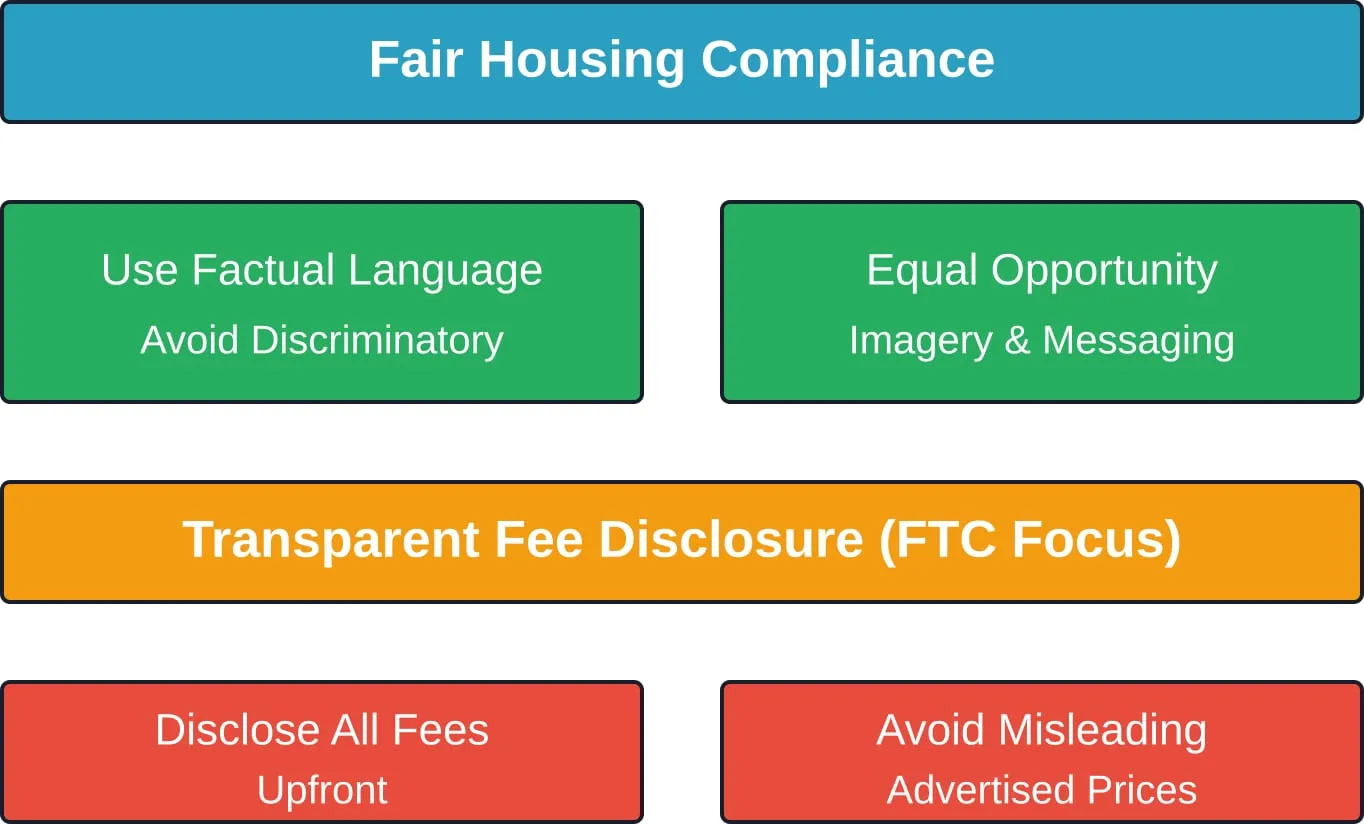
The lesson? Transparency isn’t optional. Disclose all fees upfront. Don’t advertise prices that exclude mandatory charges. Clear, honest advertising builds trust and avoids regulatory trouble.
Neglecting Follow-Up Speed
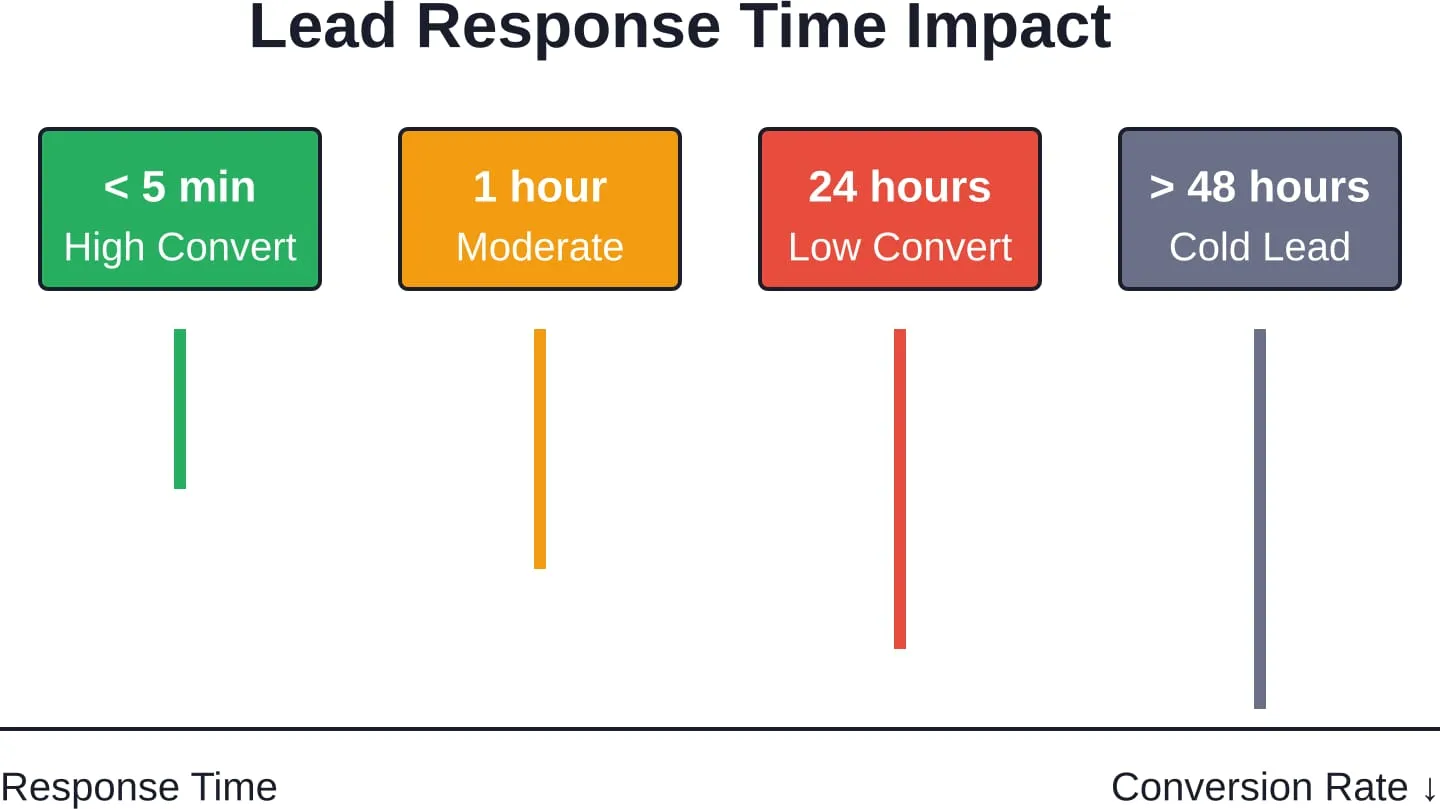
Leads go cold fast. Waiting 24 hours to respond to an inquiry dramatically reduces conversion rates. Implement systems—automated texts, chatbots, or dedicated staff—that ensure every lead gets a response within minutes, not hours.
Proptech Tools That Enhance Marketing Efforts
Technology platforms streamline operations and improve marketing outcomes. The proptech market is expanding rapidly—from $44.59 billion in 2026 to a projected $104.57 billion by 2034—and new tools emerge constantly.
AI and Automation Platforms
AI tools handle repetitive tasks, from scheduling property tours to sending follow-up emails. Chatbots qualify leads, CRM systems track interactions, and marketing automation platforms manage email campaigns without manual effort.
MIT research highlights that AI integration should be strategic, not piecemeal. Firms that develop governance frameworks and train staff on AI tools see better adoption and measurable ROI improvements.
Virtual Tour and 3D Visualization
Platforms like Matterport create immersive 3D walkthroughs. Prospective tenants explore properties remotely, reducing the need for in-person tours and shortening decision timelines.
Virtual tours are especially effective for out-of-town renters or busy professionals. They filter out unqualified leads—people who tour virtually and then book an in-person visit are typically more serious.
Property Management Software with Marketing Integrations
Modern property management platforms integrate with marketing tools. Listings sync automatically to major rental sites, tenant inquiries feed into CRM systems, and analytics dashboards show which marketing channels drive the most leads.
Centralized data eliminates silos. Marketing teams see which properties get the most interest, operations teams prioritize high-traffic units, and executives track ROI across campaigns.
Building a System Around Your Marketing Ideas
Individual tactics deliver results, but a coordinated system multiplies impact. Here’s how to connect the pieces.
Define Clear Goals and Metrics
What does success look like? More tenant applications? Higher owner acquisition rates? Faster vacancy fills? Set specific, measurable goals for each campaign.
Track metrics that matter: cost per lead, lead-to-close conversion rate, average days on market, and customer acquisition cost. Avoid vanity metrics like social media follower counts unless they correlate with business outcomes.
Allocate Budget Strategically
Not every channel requires the same investment. Allocate more budget to tactics that deliver measurable ROI. If Google Ads consistently generate qualified owner leads, increase spend there. If Facebook ads underperform, test new creative or shift budget elsewhere.
Reserve a portion—10-15%—for experimentation. Test new platforms, try different ad formats, or pilot emerging tools. Innovation requires room to fail.
Develop Content Calendars
Consistency builds trust. Plan content weeks or months in advance: blog posts, social media updates, email newsletters, and video releases.
Align content with seasonal trends. Highlight move-in specials before summer, share winterization tips in the fall, and promote tax-related webinars in early spring.
Train and Empower the Team
Marketing isn’t just the marketing department’s job. Leasing agents, maintenance staff, and property managers all interact with prospects and clients. Equip them with talking points, branded materials, and training on how to reinforce marketing messages.
IREM offers skill badges and professional development courses that help property management staff develop specialized skills without the time commitment of full certifications. Investing in training improves service quality and strengthens the brand.
| Marketing Tactic | Primary Audience | Key Benefit | Typical ROI Timeline |
|---|---|---|---|
| Local SEO | Tenants & Owners | Long-term organic visibility | 3-6 months |
| Video Marketing | Tenants & Owners | High engagement, builds trust | Immediate |
| AI Chatbots | Both | 24/7 lead capture | 1-2 months |
| Social Media Ads | Tenants | Precise demographic targeting | 1-3 months |
| Email Nurture | Owners | Warms cold leads over time | 2-4 months |
| Referral Programs | Both | Leverages existing clients | Ongoing |
Measuring Marketing Success in Property Management
Analytics separate effective campaigns from budget drains. Track performance rigorously and adjust based on data.
Key Performance Indicators
Monitor these KPIs regularly:
- Lead volume: How many inquiries per channel per month?
- Lead quality: What percentage convert to tours or signed agreements?
- Cost per acquisition: How much does it cost to acquire one tenant or one managed property?
- Average days on market: How quickly do vacancies fill?
- Customer lifetime value: What’s the total revenue from an average tenant or owner relationship?
Attribution Modeling
Prospects rarely convert from a single touchpoint. They might see a Facebook ad, visit the website, read reviews, receive an email, and then schedule a tour. Attribution models help assign credit across the customer journey.
Use multi-touch attribution if your CRM supports it. This provides a clearer picture of which channels assist conversions, not just which ones close deals.
Regular Reporting and Iteration
Review performance monthly. What’s working? What’s underperforming? Are there seasonal patterns? Use insights to refine targeting, creative, and budget allocation.
Marketing isn’t set-and-forget. Continuous iteration based on real data drives sustained growth.
Staying Compliant and Ethical in Marketing
Fair housing laws and advertising regulations apply to all property management marketing. Violations carry serious consequences.
Fair Housing Act Requirements
The Fair Housing Act prohibits discrimination based on race, color, national origin, religion, sex, familial status, or disability. Marketing materials must comply—avoid language or imagery that suggests preference or limitation.
For example, phrases like “perfect for young professionals” or “ideal for families” can imply discrimination. Stick to factual descriptions of properties and amenities.
Transparent Fee Disclosure
As noted earlier, the FTC is cracking down on deceptive rental fee practices. Always disclose total move-in costs, including deposits, application fees, and mandatory charges. Don’t advertise a low rent price while hiding hundreds of dollars in fees.
Transparency builds trust and avoids regulatory trouble. Property managers who lead with honesty differentiate themselves in a market where hidden fees frustrate renters.
Data Privacy and Consent
Email marketing and chatbot tools collect personal information. Ensure compliance with data privacy laws like GDPR (if applicable) and state-level regulations. Obtain explicit consent before adding contacts to email lists, and provide easy opt-out mechanisms.
Conclusion: Building a Marketing System That Scales
Effective property management marketing in 2026 isn’t about chasing every trend or posting content for the sake of activity. It’s about building a strategic system that attracts the right tenants, convinces quality property owners to trust your firm, and delivers measurable growth.
The tactics outlined here—hyperlocal SEO, video storytelling, AI-powered lead capture, transparent fee practices, referral programs, and data-driven iteration—work because they address real pain points and leverage modern technology.
But tactics alone won’t scale a business. Success requires coordination: clear goals, consistent execution, rigorous tracking, and a willingness to adapt based on what the data shows.
The property management market is growing, competition is intensifying, and tenant expectations are rising. Firms that invest in smart, ethical, and strategic marketing will capture market share. Those that rely on outdated methods or ignore compliance risks will fall behind.
Start with one or two high-impact tactics from this guide. Test, measure, refine, and expand. Marketing isn’t a project with an endpoint—it’s an ongoing system that powers sustainable growth.
Ready to attract more owners and fill vacancies faster? Implement these marketing ideas systematically, track your results, and watch your property management business scale.