

Quick Summary: Print companies can drive growth through strategic marketing that blends digital channels with traditional tactics. Key approaches include building an optimized web-to-print storefront, leveraging personalized direct mail with QR codes, showcasing capabilities on LinkedIn and Instagram, implementing email campaigns to nurture leads, and demonstrating value through educational content that positions the shop as a trusted expert.
The printing industry isn’t disappearing—it’s evolving. But standing out in a crowded market demands more than quality equipment and fast turnaround times. Smart marketing separates print shops that thrive from those barely surviving.
Digital saturation has created a unique opening. As digital marketing becomes more crowded, many brands are rediscovering the impact of well-executed print, which remains a powerful way to capture attention, build trust and stand out from competitors. Yet most print businesses still struggle to communicate their value effectively.
Here’s the thing: successful print marketing in 2026 isn’t about choosing between digital and traditional channels. It’s about orchestrating both to create a marketing system that runs continuously, generates qualified leads, and converts prospects into loyal clients.
Build a Web-to-Print Storefront That Works Around the Clock
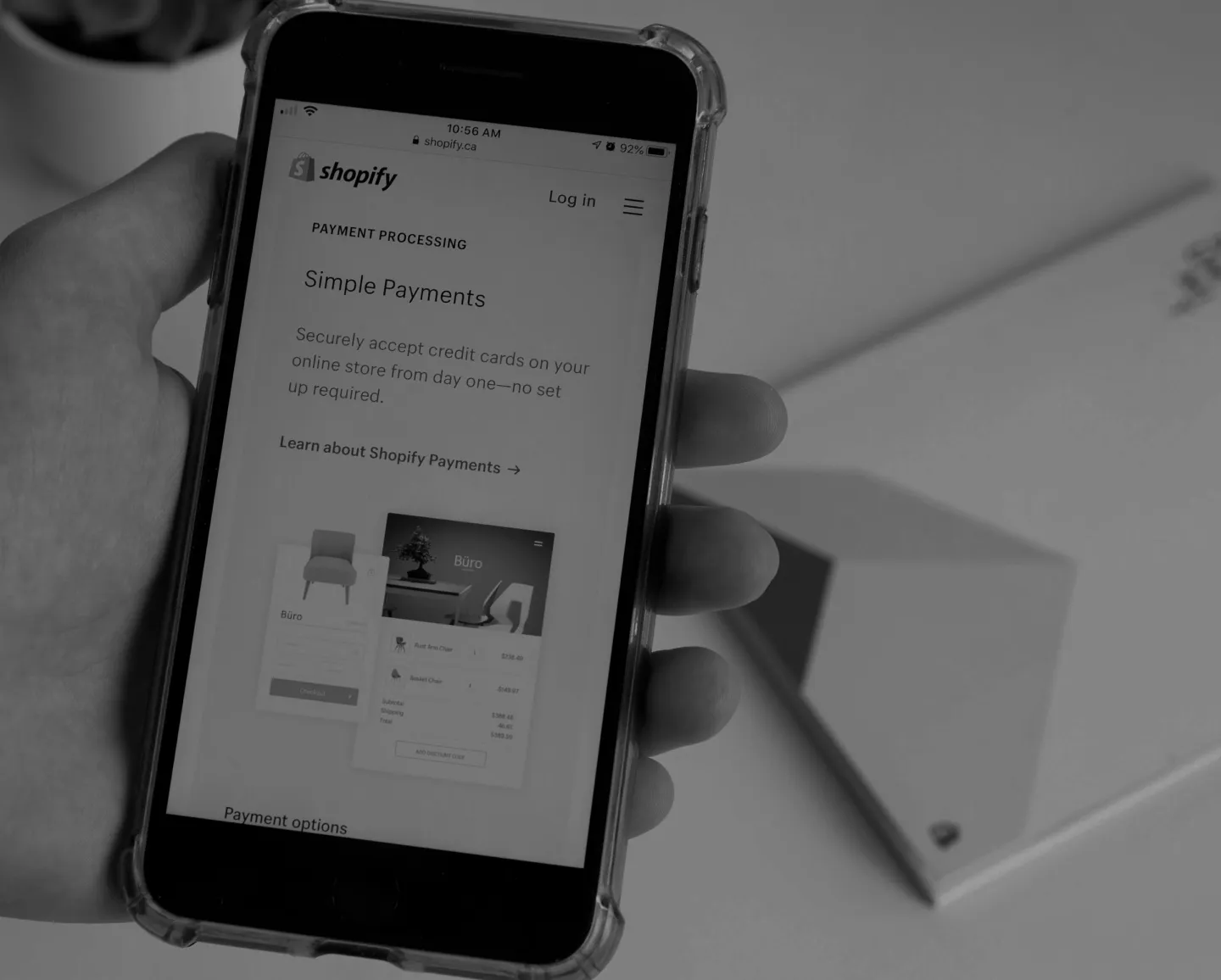
Print shop owners today have an opportunity that didn’t exist a decade ago: to compete for new business and build stronger customer relationships through web-to-print marketing. The global web-to-print software market reflects this shift—valued at USD 27.92 billion in 2026 and projected to reach USD 36.38 billion by 2031.
Think of a web storefront not as “just another website” but as a strategic asset. Unlike a physical location, your storefront never closes and can win new customers at any hour, in any region, without extra staffing.
Real success stories validate this approach. One client recently sent an email campaign featuring tips for direct mail strategy, and within moments of delivery, a customer replied: “YES, YES, YES, we need new ideas for direct mail. I would love to talk to you about updating and/or creating better marketing pieces.” That is not a marketing outcome—that is a sales conversation, opened by an email.
SEO Basics That Drive Traffic
Search engine optimization (SEO) ensures that when customers search for print products, your storefront shows up, though for many small print shops, SEO can feel intimidating.
Make sure product pages include the terms customers actually search for—”custom signage,” “business card printing,” “poster printing online”—using clear titles, descriptions, and headers that reflect how customers want to order print products.
Most printing companies see measurable improvements in engagement from email marketing within the first 60 to 90 days, while SEO results for local and niche keywords typically surface within 3 to 6 months.
Bring Printer Marketing Into One Setup With Lengreo
Lengreo helps companies connect website development, SEO, paid ads, lead generation, demand generation, and content marketing. For printers, this can mean clearer service pages, better local or B2B visibility, and stronger quote request paths.
Lengreo organizes the basics: what the website says, how people find it, where inquiries come from, and which campaigns are worth improving.
Need More Print Job Inquiries?
Lengreo can help with:
- improving service, product, and quote pages
- setting up SEO and paid traffic campaigns
- tracking quote requests and lead sources
- supporting content and lead generation work
👉 Contact Lengreo to discuss your marketing setup.
Leverage Direct Mail to Demonstrate Capabilities
A well-produced direct mail piece from a printer is simultaneously a marketing message and a capabilities demonstration. Physical mail creates impressions digital cannot replicate and integrates powerfully with digital channels.
Direct mail has become even more powerful thanks to updated targeting tools and data driven mailing lists, allowing companies to personalize campaigns by location, customer behavior, or demographics for highly focused outreach.
The data backs this up. Direct mail delivers strong response rates that outperform email marketing, with response rates reaching 27% when integrated with email campaigns. And flyers remain particularly effective: flyers can influence consumer buying decisions, with studies showing that direct mail integration and personalization drive measurable engagement.
Interactive Print That Connects Offline to Online
Print is no longer static—it is interactive, with seamless integration of print and digital channels defining 2026 trends.
Use personalized direct mail, QR-enabled mailers, and custom packaging to deliver messages that speak directly to your customers’ interests and needs. Print postcards, packaging, or promotional posters with scannable codes that activate web-based content.
These hybrid print experiences allow marketers to track performance, extend engagement beyond the physical piece, and connect offline materials with online journeys.
Social Media That Showcases Print Quality
LinkedIn, Facebook, and Instagram each serve distinct functions within a printer’s marketing ecosystem: LinkedIn builds B2B credibility and puts expertise in front of procurement managers, marketing directors, and business owners; Facebook maintains community presence and local brand awareness; Instagram showcases the visual quality of work to audiences who respond to craftsmanship, with content strategy across all three prioritizing education and demonstration over promotion.
Consistency matters. The most important things to remember are to remain consistent with posting, alternate the types of posts created frequently, create fresh, relevant content, and engage with followers.
Content Ideas That Build Authority
Content marketing plays a crucial role in establishing printing companies as industry experts and building trust with potential customers by creating and sharing valuable and informative content such as blog posts, articles, infographics, and videos.
Consider these approaches:
- Behind-the-scenes production videos demonstrating quality control
- Case studies showing how print solved a client’s marketing challenge
- Design tutorials that educate younger designers on print specifications
- Samples showcasing sustainable materials or cost-effective options
Many younger designers grew up designing websites or apps, so when you teach them the basics of designing for print, they may be more likely to recommend print to their clients.
| Platform | Primary Function | Content Focus | Typical Audience |
|---|---|---|---|
| B2B credibility | Industry insights, case studies | Decision-makers, procurement | |
| Visual showcase | Print samples, design work | Designers, creative professionals | |
| Local presence | Community engagement, events | Local businesses, general public |
Email Campaigns That Nurture Long-Term Relationships
Email marketing is a powerful digital marketing strategy that allows printing companies to nurture leads, build customer relationships, and drive repeat business.
Segmentation creates relevance. Segment your lists and send personalized content, reorder reminders, sales incentives, and exclusive deals. Segment your audience based on industry, company size, or interests to deliver relevant messages—for example, manufacturers may receive emails on industrial-grade printing, while startups get content on cost-effective prototyping.
Printing companies should track email open and response rates, website search rankings for local and service-specific keywords, new inbound inquiries sourced from organic search, social media engagement on educational content, direct mail response rates, and new client acquisition directly attributable to marketing activity.
Demonstrate Value Through Educational Marketing
Marketing today is less about pure promotion, and more about providing education, a live experience, or high-impact visuals that can be shared on social media.
Find ways to demonstrate the many different ways printed materials can reinforce digital marketing channels. This positions the print shop as a strategic partner rather than just a vendor.
Host Events and Pop-Ups
Don’t wait for people to visit the showroom in your facility to see samples of everything your print shop can produce—open an immersive pop-up “store” at a local business event or in a trade show booth to let visitors see all of the products that can be digitally printed and personalized.
You don’t have to host events yourself to make a favorable impression; if you help the event planner for a local business organization create buzzworthy backdrops, collateral, and visuals, you should be able to get some visibility for your company.
Personalization Through Variable Data Printing
Personalization has shifted from a competitive advantage to a customer expectation, with the rapid growth of variable data printing (VDP) being one of the most influential commercial printing trends shaping 2026.
By combining customer data analytics with advanced digital presses, businesses can deliver highly relevant messaging at scale, with personalized print improving engagement, increasing response rates, and driving stronger conversions.
Variable Data Printing (VDP) is changing the way businesses approach printing customization by making it possible to personalize every printed piece in a single production run, integrating data like names, locations, or images directly into designs so each item feels designed for its recipient.
Sustainability as a Competitive Edge
Sustainability is no longer optional in commercial printing, with the widespread shift toward environmentally responsible practices being one of the most influential printing industry trends in 2026.
Sustainability is driving increased use of recycled materials, eco-friendly inks, energy-efficient equipment, and waste-reduction strategies, making green printing a key competitive advantage.
In 2026, expect to see more printers offering carbon-neutral printing, soy-based inks, and FSC-certified paper—a win-win for the environment and your brand’s reputation.
For buyers concerned about the sustainability of print, create samples of what’s possible with environmentally friendly or reusable printed products; for potential customers who believe printing is too costly, show them economical options for producing attention-getting prints.
| Sustainable Practice | Business Benefit | Customer Appeal |
|---|---|---|
| Recycled & FSC-certified paper | Meets eco-conscious client requirements | Aligns with corporate ESG goals |
| Soy-based & eco-friendly inks | Reduces environmental liability | Appeals to green consumers |
| Carbon-neutral workflows | Competitive differentiation | Strengthens brand reputation |
| Energy-efficient equipment | Lower operating costs | Demonstrates commitment to planet |
Streamline Operations to Free Time for Marketing
You can spend more time guiding the development and execution of a print shop marketing program once you have built a smooth-running workflow for both business and production; the less time wasted on repetitive tasks and resolving miscommunication-related production crises, the more time you will have to focus on print shop marketing.
Investing in Print MIS (Management Information Systems) and workflow automation isn’t just an operational decision—it’s a marketing enabler. When production runs smoothly, capacity exists for strategic marketing activities.
Track What Matters and Refine Continuously
New contact form submissions, phone calls, and RFPs sourced from digital channels are the clearest indicator of marketing ROI.
Tracking which new clients first found you through organic search, email, social, or direct mail ties marketing spend directly to revenue growth.
Additional metrics to monitor:
- Blog page views, social media shares, and newsletter engagement rates measure whether thought leadership content is building the authority that drives long-term competitive advantage.
- Repeat business rates and customer lifetime value reflect whether your marketing program is strengthening existing relationships as effectively as it attracts new ones.
Adapt Messaging to Customer Segments
The first step in crafting an effective marketing strategy is understanding who your target market is—whether they’re businesses looking for services to help with their marketing materials, or individuals needing printing services for personal projects—because knowing who you’re targeting is crucial as it informs all marketing efforts and enables tailoring messages so they resonate deeply with your audience.
Before diving into digital marketing strategies, it is essential for printing companies to have a clear understanding of their target audience; identifying the specific needs, preferences, and pain points of their target market will help tailor digital marketing efforts to resonate with their audience through market research, analyzing customer data, and creating buyer personas, which are effective methods to gain insights that enable creating relevant and compelling campaigns that attract and engage potential customers.
Retention Programs That Build Loyalty
A business should offer customer incentive programs to increase repeat purchases, retain customers, and attract new ones through word-of-mouth marketing, with loyalty programs, subscription discounts, and referral incentives driving repeat business and reducing client attrition.
Customer retention can be more profitable than acquisition.
Practical retention tactics include:
- Offer exclusive discounts, deals, and incentives to repeat customers.
- Use surveys and reviews to improve services.
- Encourage referrals by rewarding satisfied customers.
Send personalized calendars, posters, gift boxes, or greeting cards to your best customers and prospects, with promotional products that can be worn or used in the office or home being less likely to be discarded.
Industry Trends Shaping Print Marketing in 2026
The print-on-demand market in 2026 is driven by personalization, AI-powered trend forecasting, and social-first selling strategies. Understanding broader industry movements helps position marketing messages effectively.
One of the most influential commercial printing trends shaping 2026 is the rapid growth of variable data printing (VDP), as personalization has shifted from a competitive advantage to a customer expectation.
The 3D printing market is experiencing significant growth, with adoption expanding across manufacturing and production sectors. While this represents a different segment, it signals growing customer comfort with advanced printing technologies.
The broader commercial printing market shows resilience: the commercial printing market shows steady growth trajectory with ongoing expansion driven by digital adoption and personalization trends.
Common Marketing Mistakes Print Shops Make
Understanding what doesn’t work helps avoid wasted resources:
- Competing solely on speed: Don’t overly focus on the speed of your printers; most of your competitors are saying the same thing.
- Neglecting brand updates: If you haven’t changed your branding or tagline since your print shop was founded 30 years ago, it’s probably time for an update; unless you specialize in classic letterpress, manual screen printing, or vintage products, your logo probably shouldn’t look like a relic from the past.
- Channel silos: All your channels should complement each other; most companies silo their channels, which makes no sense.
- Ignoring measurable outcomes: Success in digital marketing requires continuous monitoring, analysis, and adaptation to stay ahead of the curve.
Conclusion
Marketing a print business effectively in 2026 requires orchestrating multiple channels into a cohesive system. Web-to-print technology expands reach beyond geographic boundaries. Personalized direct mail demonstrates capabilities while driving digital engagement. Social platforms build authority when content educates rather than just promotes. Email nurtures relationships that convert prospects into repeat clients.
As the digital landscape continues to evolve, printing services must adapt not just to survive but to thrive, with the intersection of creativity, innovation, and marketing savvy presenting a potent formula for success, requiring understanding your market, leveraging the right tools, and consistently delivering value that speaks volumes, allowing businesses to navigate through the noise and connect with their audience on a deeper level.
The print industry is transforming, not dying. Shops that embrace strategic marketing—treating it as essential infrastructure rather than an afterthought—position themselves for sustained growth. Start with one or two tactics from this guide, measure results rigorously, and expand from there.
Now’s the time to implement these marketing ideas and demonstrate exactly what makes your print shop indispensable.