


Quick Summary: Oral surgeons can grow their practice through a mix of digital marketing (SEO, paid ads, social media), strong referral networks with general dentists, patient education content, and reputation management. Research shows 86% of oral surgeons maintain social media accounts, while 74% of those aged 25-35 use Facebook and Instagram. Effective marketing balances online visibility, trust-building content, and seamless patient experiences to attract both direct patients and referral sources.
The oral surgery landscape has shifted. Patients research procedures online before booking, general dentists evaluate digital presence when choosing referral partners, and competition for complex cases has intensified.
Marketing an oral surgery practice requires a different approach than general dentistry. The patient journey involves higher stakes, longer decision cycles, and a dual audience: direct patients seeking wisdom teeth removal or implants, plus referring dentists who send pathology cases and reconstructive work.
This guide walks through practical marketing ideas that address both channels. Some tactics deliver quick wins. Others build long-term authority and referral momentum.
Build a Website That Converts Consultation Requests
The website serves as the digital storefront. Most patients visit before calling, and referring dentists evaluate online presence when deciding where to send cases.
Start with mobile optimization. Over half of healthcare searches happen on phones. Pages should load in under three seconds, forms should auto-fill, and phone numbers should be tap-to-call.
Essential Website Elements
Every oral surgery site needs clear procedure pages for wisdom teeth extraction, dental implants, bone grafting, and pathology treatment. Each page should explain the procedure, recovery timeline, and what to expect during consultation.
Include surgeon credentials prominently—board certification, hospital affiliations, and specialty training matter to both patients and referring dentists. Testimonials and before-after documentation (where appropriate) build trust.
Make the call-to-action obvious. “Schedule Consultation” buttons should appear above the fold on every page. Include multiple contact methods: phone, online form, and text messaging if available.
Promote Oral Surgeon Services With Lengreo
Oral surgeons need marketing that clearly presents procedures, patient information, and consultation options. Lengreo aligns website pages, SEO, paid ads, content, lead generation, appointment setting, and tracking into one practical setup, making it easier for potential patients to find and reach out.
Need More Patient Inquiries?
Lengreo can help with:
- improving service, procedure, and contact pages
- setting up SEO and paid campaigns
- tracking calls, forms, and appointment requests
- supporting content and lead generation workflows
👉 Contact Lengreo to discuss your marketing setup.
Dominate Local Search Results
Local SEO determines whether the practice appears when someone searches “oral surgeon near me” or “wisdom teeth removal [city name].” According to U.S. Bureau of Labor Statistics data, 3,540 oral surgeons worked in offices of dentists as of May 2023, making local differentiation critical.
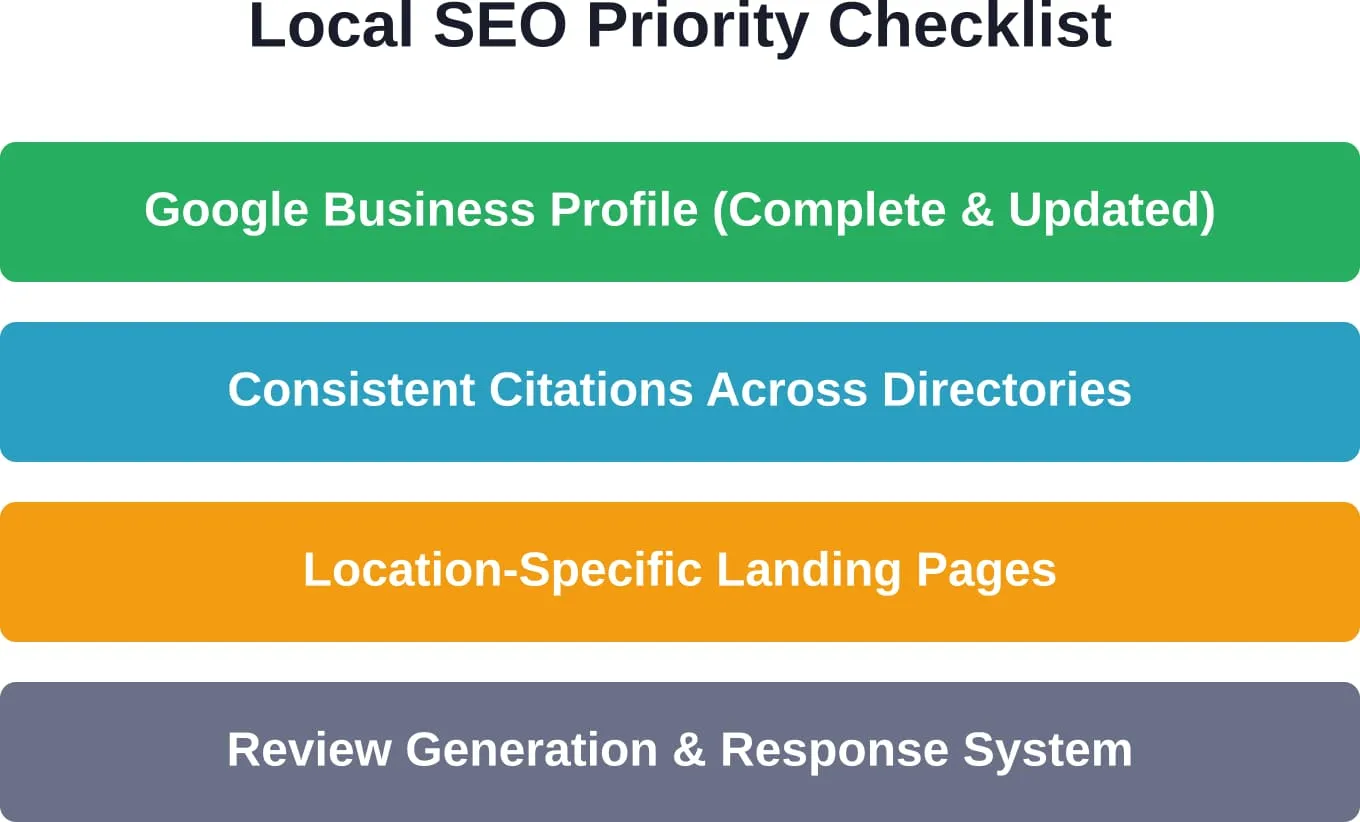
Claim and optimize the Google Business Profile. Add accurate hours, services, photos of the office and team, and respond to every review. Post updates monthly—procedure spotlights, new technology, or patient education tips.
Location-Specific Content Strategy
Create pages targeting specific cities or neighborhoods served. Instead of one generic “About” page, build “Oral Surgery in [Neighborhood]” pages that mention local landmarks and explain why patients from that area choose the practice.
Build citations across healthcare directories—Healthgrades, Vitals, Zocdoc, and insurance provider directories. Consistent NAP (name, address, phone) across all listings signals credibility to search engines.
Strengthen Referral Relationships with General Dentists
Referrals from general dentists remain the primary patient source for most oral surgery practices. Marketing to this audience requires a different playbook than direct-to-patient campaigns.
Start with consistent communication. Send quarterly newsletters highlighting complex cases handled, new techniques adopted, or continuing education opportunities. Include case studies that show problem-solving approach and outcomes.
Make Referrals Frictionless
Dentists refer to surgeons who make their lives easier. Offer same-day consultations for urgent cases. Provide detailed post-op reports within 24 hours. Return patients quickly with clear follow-up instructions.
Create a referral portal where dentists can submit cases digitally, attach radiographs, and track patient status. Send referring dentists updates at key milestones—consultation scheduled, procedure completed, patient cleared to return for restorative work.
Host CE courses or lunch-and-learns at the practice. Demonstrate new technology, discuss complex case planning, or review implant failure prevention. This positions the surgeon as an educator and trusted resource.
Leverage Social Media Strategically
Research from the National Institutes of Health shows 86% of oral surgeons maintain social media accounts, with 74% of those aged 25-35 active on Facebook and Instagram. But presence alone doesn’t drive results—strategy matters.
Focus platforms on audience. Facebook reaches older patients considering implants. Instagram attracts younger patients researching wisdom teeth removal. LinkedIn connects with referring dentists and builds professional credibility.
Content That Actually Performs
Educational posts outperform promotional content. Explain why wisdom teeth become impacted, show what bone grafting accomplishes, or demonstrate how surgical guides improve implant placement accuracy.
Video content generates the highest engagement. Record 60-second procedure explanations, patient testimonials (with consent), or office tours that reduce first-visit anxiety. According to NIH research, 65% of oral surgery residents use social media as a medical information source—leverage this trend.
Share team culture and community involvement. Patients want to see the humans behind the scrubs. Post volunteer work, staff achievements, or behind-the-scenes moments that humanize the practice.
But there’s a caveat. The same NIH research found 70% of patients develop unreasonable expectations from idealized social media images. Balance aspirational content with realistic education about outcomes, recovery timelines, and individual variation.
Run Targeted Paid Advertising Campaigns
Organic reach takes time. Paid ads deliver immediate visibility for high-intent searches and specific demographics.
Google Ads work best for bottom-funnel searches—”emergency tooth extraction,” “dental implant consultation,” or “wisdom teeth removal cost.” These searchers have clear intent and convert at higher rates than general awareness campaigns.
Facebook and Instagram Ads for Awareness
Social ads introduce the practice to people who haven’t started active searching. Target demographics likely to need services: 18-25 year-olds (wisdom teeth), 50+ adults (implants), or specific ZIP codes near the practice.
Use lead generation forms within the platform. Patients can request consultations without leaving Facebook or Instagram, reducing friction. Follow up within one hour—response speed directly impacts conversion rates.
Set realistic budgets based on market competition. In competitive metro areas, expect higher cost-per-click. In smaller markets, modest budgets can dominate local awareness. Test campaign performance quarterly and reallocate budget to top performers.
Publish Educational Content That Answers Real Questions
Content marketing builds authority and captures search traffic from patients researching procedures. Focus on questions patients actually ask during consultations.
Create comprehensive guides for major procedures: “What to Expect During Wisdom Teeth Removal,” “Dental Implant Timeline from Start to Finish,” or “Bone Grafting Explained.” Answer every common question in one resource.
Blog Strategy That Drives Traffic
Publish consistently—two articles monthly minimum. Cover procedure variations, recovery tips, technology updates, and patient concerns. Each post should target a specific search query and deliver genuinely useful information.
Update existing content annually. Search engines favor fresh information. Add new research findings, update statistics, and improve clarity based on patient questions received since initial publication.
Use video to enhance written content. Embed short explainer videos in blog posts. Text provides SEO value and scannability; video builds trust and understanding for visual learners.
Build and Showcase Online Reviews
Reviews influence both direct patients and referring dentists. Most people read reviews before booking, and strong ratings increase search visibility.
Make review requests systematic, not random. Send automated requests 7-10 days post-procedure—after recovery begins but while experience remains fresh. Provide direct links to Google, Facebook, and Healthgrades in the request.
Respond to Every Review
Thank patients for positive feedback. Acknowledge specific details they mentioned—it shows authentic engagement. For negative reviews, respond professionally and quickly. Offer to discuss concerns offline and demonstrate commitment to resolution.
Showcase reviews throughout the website. Add testimonials to procedure pages, create a dedicated reviews page, and highlight Google rating in the header. Social proof reduces decision anxiety.
| Review Platform | Primary Audience | Impact on SEO | Request Priority |
|---|---|---|---|
| Google Business Profile | Direct patients searching locally | High—directly affects local pack ranking | Highest |
| Direct patients, community visibility | Moderate—social signals matter | High | |
| Healthgrades | Patients comparing surgeons | Low—limited search visibility | Medium |
| Yelp | Urban markets, younger demographics | Low—limited healthcare search use | Low |
Offer and Promote Financing Options
Cost concerns prevent many patients from scheduling needed procedures. Transparent pricing and flexible payment options remove this barrier.
Partner with healthcare financing companies like CareCredit or LendingClub. Promote these options prominently on the website, in social media posts, and during consultation scheduling calls.
Create cost estimate pages for common procedures. While individual cases vary, providing ballpark ranges helps patients budget and reduces sticker shock during consultation. Include information about insurance coverage and what documentation is needed for claims.
Track What Actually Drives Growth
Marketing without measurement wastes resources. Track lead sources, conversion rates, and cost per patient acquisition for every channel.
Use call tracking numbers for different marketing sources. Assign unique phone numbers to paid ads, website, and referral relationships. This reveals which channels generate phone consultations.
Monitor website analytics monthly. Which pages drive the most consultation requests? Where do visitors drop off? What search terms bring traffic? Use this data to refine content strategy and identify quick wins.
Create Procedure-Specific Landing Pages
Generic service pages underperform. Dedicated landing pages for each major procedure improve search rankings and conversion rates.
Build separate pages for wisdom teeth extraction, dental implants, bone grafting, jaw surgery, and pathology treatment. Each should include procedure overview, benefits, risks, recovery timeline, cost information, and clear call-to-action.
Match landing pages to paid ad campaigns. When someone clicks an ad for dental implants, send them to the implant page, not the homepage. Message match reduces bounce rates and improves conversion.
Implement Post-Procedure Follow-Up Systems
The patient relationship shouldn’t end when sutures come out. Systematic follow-up improves outcomes, generates reviews, and creates referral opportunities.
Automate post-op check-ins via text or email. Day one: pain management reminder. Day three: check-in on recovery progress. Day seven: review request. Day thirty: referral request for friends or family needing similar care.
Use follow-up communication to educate about additional services. A patient who completed wisdom teeth removal may need implants in the future or know someone who does. Stay top-of-mind through valuable, non-pushy communication.
Final Thoughts on Oral Surgery Marketing
Marketing an oral surgery practice requires balancing direct patient acquisition with professional referral relationships. Digital tactics like SEO, paid advertising, and social media build visibility among patients researching procedures independently. Traditional relationship building with general dentists maintains the referral pipeline that drives complex case volume.
Start with foundational elements—a conversion-optimized website, strong Google Business Profile, and systematic review generation. These deliver consistent results with modest ongoing effort. Layer in content marketing, paid advertising, and social media as resources allow.
Track everything. Marketing without measurement wastes money and misses opportunities. Know which channels generate consultations, which consultations convert to cases, and which cases prove most profitable.
The oral surgery market continues growing as the population ages and implant adoption increases. The U.S. Bureau of Labor Statistics projects 4% employment growth for dentists from 2024-2034 (as fast as average), with oral surgeons are expected to benefit from increased demand for complex procedures such as dental implants. Practices that invest in strategic marketing now position themselves to capture this growth.