


Quick Summary: Effective marketing for fitness clubs combines member retention tactics, community building, and smart digital outreach. Data shows that referral programs, social media engagement, and personalized communication drive measurable membership growth while reducing acquisition costs. The most successful clubs focus on creating authentic experiences that turn members into promoters rather than chasing endless new leads.
The fitness industry entered 2025 with serious momentum. According to the 2025 HFA Global Report, 91% of operators expect revenue to grow, over 83% anticipate improved profitability, and a majority project continued membership gains. That optimism came from somewhere real—clubs that figured out how to connect with members beyond just providing equipment.
But here’s the thing. Growth doesn’t come from a single tactic or one brilliant campaign. It comes from understanding what actually makes people join, stay, and tell their friends.
Why Retention Matters More Than Acquisition
Most fitness clubs obsess over new member acquisition. That’s not wrong, but it’s incomplete.
According to IHRSA’s Profiles of Success, the average health club has an annual attrition rate of 28.6%. That means nearly three out of every ten members walk away each year. Acquiring new members costs significantly more than keeping existing ones—industry data shows a 60%-70% success rate when selling to existing customers versus new prospects.
The math is straightforward. If retention improves by just a few percentage points, the entire business model shifts. Fewer resources spent chasing replacements means more invested in member experience, which creates a virtuous cycle.
What Drives Member Retention
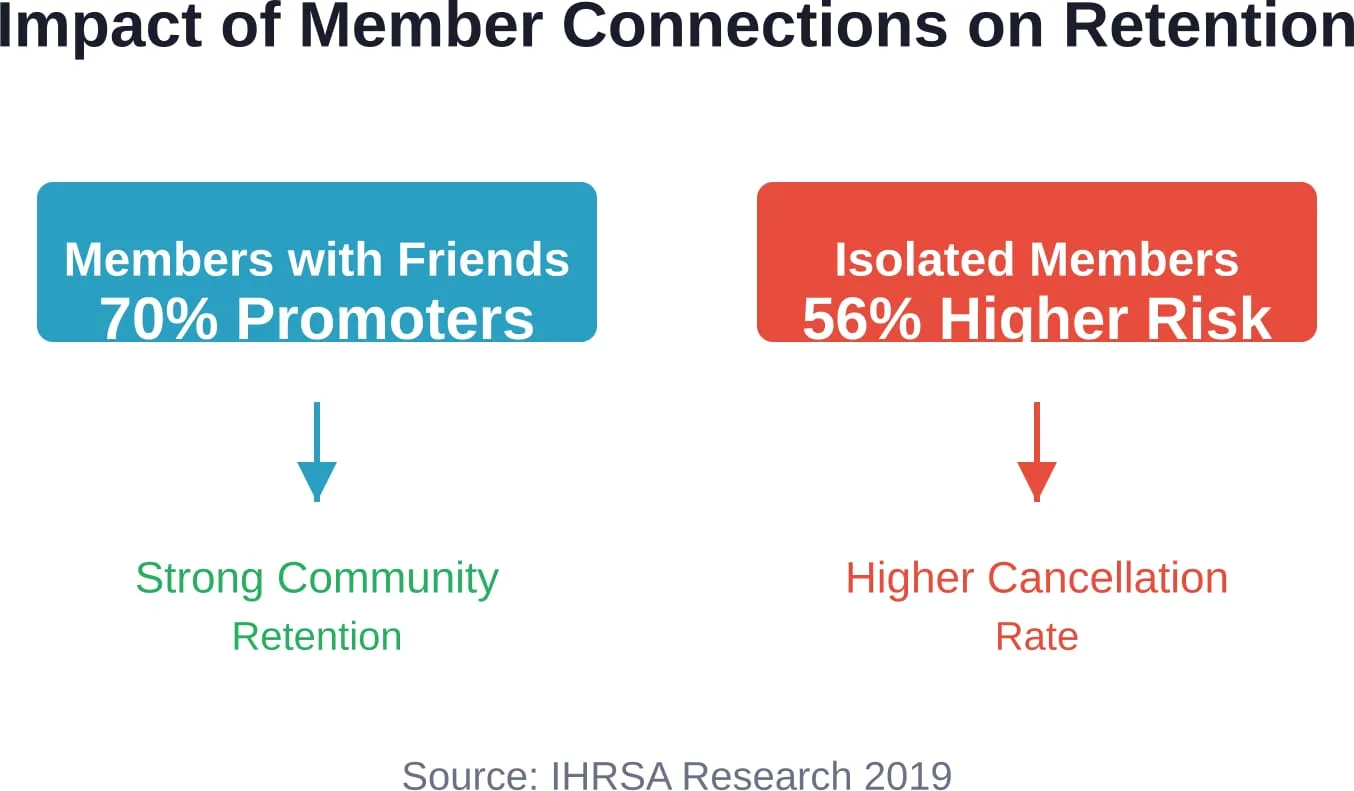
IHRSA research reveals some striking patterns. Members who make new friends at the club are far more likely to become promoters. Research shows that members who form social connections exhibit significantly higher retention and become brand advocates. Research indicates that staff engagement significantly impacts member attendance frequency.
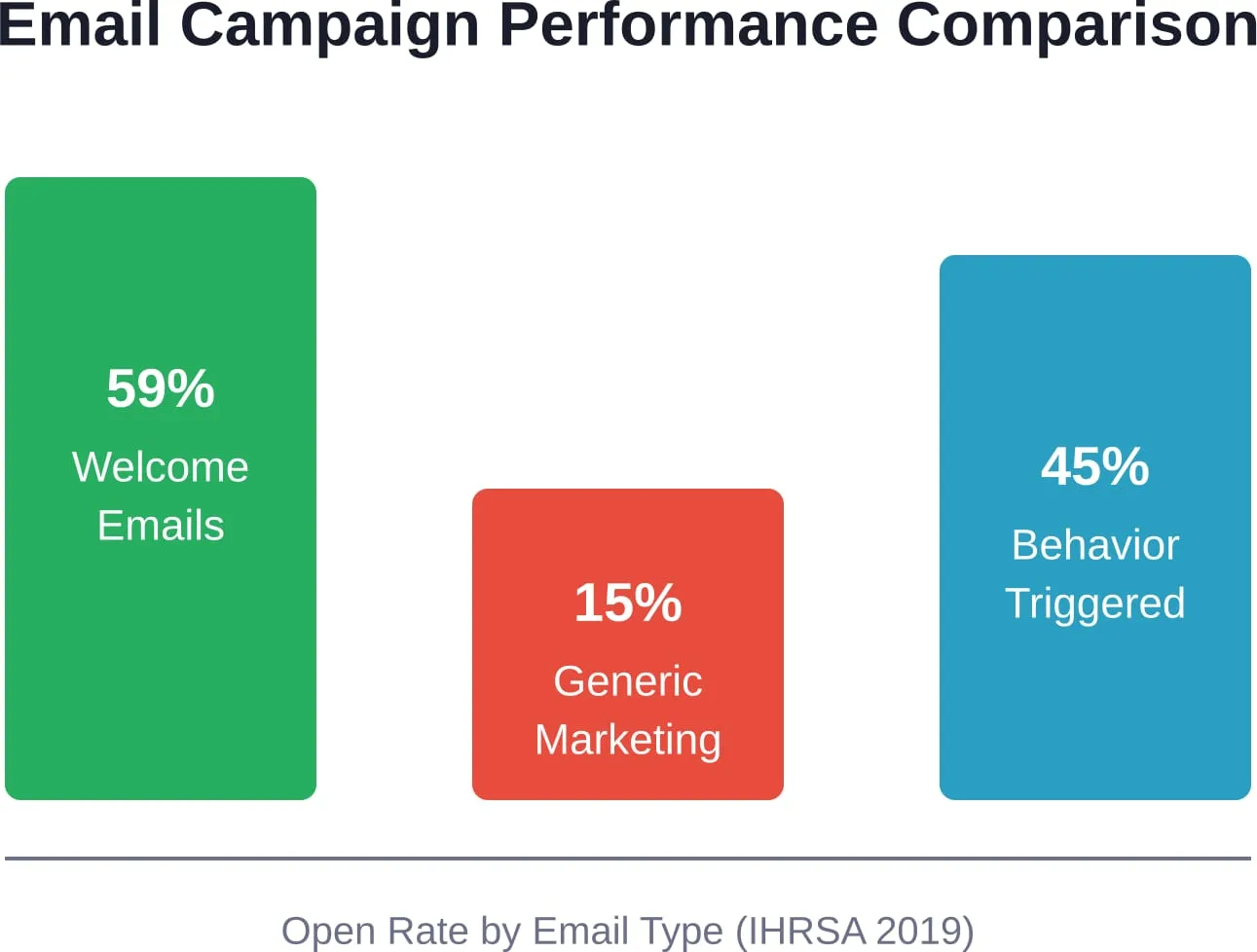
Communication matters too. Club members place high value on direct communication from staff members. Not marketing blasts—actual communication. Welcome emails achieve significantly higher open rates compared to standard marketing emails. That gap tells the whole story about what people actually want from fitness clubs.
Optimize Fitness Club Marketing With Lengreo
Fitness clubs need marketing that clearly presents classes, memberships, trainers, locations, and contact paths. Lengreo helps connect website development, SEO, paid ads, content, lead generation, appointment setting, and tracking into one cohesive system, making it easier to attract and manage inquiries.
A structured setup ensures campaigns and website pages work together to bring more members in efficiently.
Need More Membership Inquiries?
Lengreo can help with:
- improving class, membership, and booking pages
- setting up local SEO and paid traffic campaigns
- tracking calls, forms, and appointment requests
- supporting content and lead generation workflows
👉 Contact Lengreo to discuss your marketing setup.
Build a Referral Program That Actually Works
Referral programs get talked about constantly. Most fail because they’re either too complicated or offer rewards nobody wants.
The best referral programs make it stupid-simple for current members to bring friends. Think “unlimited guest privileges for the first month” rather than “earn 50 points toward a water bottle after three successful conversions.”
Structure Your Referral Incentives
Dual-sided incentives work better than one-way rewards. When both the referrer and the new member get something valuable—like a month of discounted personal training or a free fitness assessment—conversion rates climb.
Community discussions consistently highlight referrals as the highest-performing marketing tactic for fitness clubs. According to fitness industry professionals, referrals deliver significant value by eliminating acquisition costs while bringing pre-qualified leads.
Social Media Strategy Beyond Posting Selfies
Social media for fitness clubs isn’t about stock photos of dumbbells or motivational quotes over sunset backgrounds. Those perform terribly.
What works: member spotlights, trainer content that demonstrates expertise, and facility highlights that show real people doing real workouts. Posting four to five times weekly with this mix creates consistency without overwhelming feeds.
Content That Drives Engagement
Fitness challenges work exceptionally well on social platforms. Launch a 21-day challenge with a specific goal—mobility improvement, strength progression, or habit formation. Participants post progress using a branded hashtag, creating organic reach while building community.
Live content beats polished promotional videos. Behind-the-scenes clips of trainers preparing for classes, quick form-check videos, or member transformation stories (with permission) generate more genuine interest than professional ad campaigns.
Fitness apps have revolutionized how clubs engage members digitally. According to IHRSA, fitness apps ranked second among most-used app categories at 51%, even beating social media apps. Clubs that integrate app-based communication and scheduling see measurably better engagement.
Email Marketing That Members Actually Open
That 59% open rate for welcome emails versus 15% for regular marketing emails reveals something critical: timing and personalization matter enormously.
Segment Your Email Strategy
New members need different communication than long-term members. Create distinct tracks:
- Welcome sequence: onboarding, facility tour reminders, class introductions, trainer profiles
- Engagement recovery: triggered when attendance drops, offering check-ins or specialty class invitations
- Milestone celebrations: anniversary messages, personal record acknowledgments, loyalty rewards
- Re-engagement campaigns: targeted offers for lapsed members with specific return incentives
Avoid the spray-and-pray approach. Monthly newsletters with generic fitness tips perform poorly compared to targeted messages based on actual member behavior and preferences.
Local Partnerships That Build Community Presence
Fitness clubs thrive when they’re embedded in the local community, not just occupying space in it.
Partner with complementary businesses—physical therapists, chiropractors, healthy restaurants, sports equipment stores. Cross-promotion works when both businesses serve overlapping but non-competitive audiences.
Community Event Marketing
Host or sponsor local events. A Saturday morning community workout in a public park costs almost nothing but generates significant visibility. Charity fitness events—5K runs, workout fundraisers, wellness fairs—position the club as community-focused rather than purely transactional.
Pop-up classes at local businesses during lunch hours introduce the club to people who might never walk through the door otherwise. A 30-minute express workout at a nearby office complex creates direct exposure to potential members.
Founding Member and Limited-Time Offers
Urgency works when it’s authentic. Founding member offers for new locations or major renovations create genuine scarcity—the offer truly expires, and early adopters get lasting benefits.
Avoid fake urgency. “This week only” promotions that repeat monthly destroy credibility. Better approach: tie offers to specific outcomes rather than arbitrary discounts. “Join before January 10th and receive six weeks of personal training included” performs better than “20% off memberships” because it connects the offer to tangible value.
Low-Commitment Trial Offers
Free trials can feel awkward and high-pressure. Low-cost intro offers often convert better—”21 days for $21″ or “two weeks unlimited classes” gives prospects enough time to experience club culture without the pressure of a zero-cost trial that feels like it demands immediate commitment.
Technology Solutions for Member Engagement
Technology isn’t just operational infrastructure. It’s a retention tool when used correctly.
IHRSA research emphasizes that understanding attrition rates requires technology solutions. Clubs need to track when members stop attending, which services they use, and what communication they respond to. Manual tracking fails at scale.
Fitness Apps and Personal Training Access
The SPLITFIT app model demonstrates how technology reduces barriers to personal training. The SPLITFIT app demonstrates how technology reduces barriers to personal training by offering pay-as-you-go personal training sessions at $20 per session across network locations. That’s market expansion through accessibility.
Apps also enable automated check-ins, class booking, workout tracking, and direct communication with trainers. Members who engage through apps attend more frequently because friction drops to nearly zero.
| Marketing Tactic | Cost Level | Time to Results | Retention Impact |
|---|---|---|---|
| Referral Programs | Low | 1-3 months | High |
| Social Media Engagement | Low to Medium | 2-4 months | Medium to High |
| Email Segmentation | Low | Immediate | High |
| Community Partnerships | Low | 3-6 months | Medium |
| Paid Advertising | High | Immediate | Low to Medium |
| Member App Integration | Medium to High | 2-3 months | High |
Content Marketing That Builds Authority
Fitness clubs that publish valuable content position themselves as experts, not just vendors of gym access.
Create a blog covering training techniques, nutrition basics, injury prevention, and workout programming. Video series demonstrating proper form or explaining exercise science build trust and demonstrate trainer expertise.
Guest Posts and Expert Features
Feature guest posts from local physical therapists, nutritionists, or sports medicine professionals. This cross-promotes both parties while providing genuine value to members and prospects.
Client success stories—documented with before-and-after measurements, personal testimonials, and specific program details—provide social proof that’s far more compelling than generic advertising.
Optimize Local Search Presence
When someone searches “gym near me” or “fitness classes in [city],” appearing at the top isn’t optional.
Claim and optimize Google Business Profile completely. Add accurate hours, services, photos of actual facilities (not stock images), and respond to every review within 24 hours. Reviews carry real weight—ask early members for feedback after their first class and milestone visits.
Local SEO Tactics
Include location-specific keywords naturally throughout website content. Create separate pages for different services—personal training, group classes, nutrition coaching—rather than cramming everything onto one generic “services” page.
Build citations on local business directories, fitness-specific platforms, and community websites. Consistency matters—ensure name, address, and phone number match exactly across all listings.
Create Fitness Challenges and Engagement Campaigns
Monthly or quarterly fitness challenges keep members engaged and create natural content for social media and email marketing.
Structure challenges around achievable goals—complete 20 classes in 30 days, improve mile time by 10%, add 50 pounds to total deadlift. Track progress publicly (with permission) on leaderboards or social media.
Challenges work because they add gamification and community accountability. Research indicates that members who participate in group challenges and community activities show significantly lower cancellation risk.
Paid Advertising with Precise Targeting
Paid ads work when targeting is tight and offers are specific. Broad demographic targeting (“women 25-45 interested in fitness”) wastes budget.
Better targeting combines demographics with behavioral signals—people who recently moved to the area, engaged with competitor pages, searched for fitness-related terms, or visited wellness websites.
Ad Creative That Converts
Lead with outcomes, not features. “Lose 20 pounds in 12 weeks with personalized coaching” beats “state-of-the-art equipment and 50+ classes weekly.” People buy results, not amenities.
Test different offers: free week trial, discounted founding membership, complimentary fitness assessment, guest pass for you and a friend. Track which converts best for specific audiences.
Staff Training as Marketing Investment
Friendly, engaged staff members are walking marketing assets. That finding about two staff interactions creating one additional visit isn’t trivial—it means staff behavior directly impacts revenue.
Train staff on member engagement, not just exercise instruction. Remembering names, asking about goals, checking in after missed sessions—these small actions compound into retention.
Empower staff to solve problems immediately. If a member complains about broken equipment or overcrowded classes, staff should have authority to offer immediate compensation—free personal training session, class credit, guest passes—without requiring manager approval.
Measure What Matters
Marketing without measurement is just expensive guessing.
Track these metrics religiously: cost per lead, lead-to-trial conversion rate, trial-to-member conversion rate, average member lifetime value, monthly attrition rate, net promoter score, and member attendance frequency.
Most clubs track new memberships but ignore lifetime value. A member who stays three years and refers two friends is exponentially more valuable than one who signs up, attends for six weeks, and disappears. Marketing should optimize for lifetime value, not just initial acquisition.
Final Thoughts
Marketing ideas for fitness clubs succeed when they prioritize member experience over clever campaigns. The data is clear: retention matters more than acquisition, community beats isolation, and authentic communication outperforms promotional noise.
Start with what’s already working in the industry. Build referral systems that make sharing effortless. Use technology to reduce friction and track member behavior. Train staff to engage authentically. Create content that demonstrates expertise rather than just promoting services.
The fitness clubs thriving in 2026 aren’t necessarily those with the biggest marketing budgets. They’re the ones that figured out how to make members feel connected, supported, and successful. That’s marketing worth investing in.