

Quick Summary: Car salespeople can drive more deals through multi-channel marketing: personalized video walkthroughs sent via email and text, hyper-local social media content showcasing inventory and satisfied customers, community event sponsorships that build trust, and strategic follow-up sequences that nurture leads. Combining digital tactics with authentic relationship-building creates a sustainable pipeline.
The automotive sales landscape has shifted dramatically. Buyers research online, compare prices across platforms, and arrive at dealerships armed with information. Standing out as a car salesman requires more than a firm handshake and product knowledge—it demands strategic marketing that reaches customers where they spend their time.
Traditional prospecting still matters, but the salespeople closing the most deals are those who’ve built a digital presence that works around the clock. These marketing ideas span social platforms, video content, community engagement, and systematic follow-up strategies that turn cold leads into referrals.
Why Marketing Matters for Individual Car Salespeople
Dealerships invest in broad marketing campaigns, but individual salespeople who develop their own marketing systems consistently outperform peers who rely solely on floor traffic.
Here’s the thing though—when customers request information online or walk onto the lot, they’re often already halfway through their buying journey. The salesperson who’s been visible throughout that journey, providing value before the first handshake, starts with a trust advantage competitors can’t match.
Building a personal brand as a trusted automotive advisor creates repeat business and referrals. One satisfied customer who sees regular, helpful content becomes an advocate who sends friends and family directly to a specific salesperson, bypassing the dealership’s general inquiry system.
Coordinate Car Marketing With Lengreo
Car sales need marketing that clearly explains inventory, financing options, promotions, and contact steps. Lengreo helps connect website development, SEO, paid ads, content, lead generation, appointment setting, and tracking into one practical setup.
This approach makes it easier for potential buyers to understand offerings and for teams to measure which channels generate real inquiries.
Need More Vehicle Inquiries?
Lengreo can help with:
- improving inventory, financing, and contact pages
- setting up SEO and paid campaigns
- tracking calls, forms, and lead sources
- supporting content and lead generation workflows
👉 Contact Lengreo to discuss your marketing setup.
Social Media Marketing Ideas That Actually Work
Social platforms offer the most direct connection between salespeople and potential buyers. But generic posts about “great deals” get scrolled past. Content that educates, entertains, or showcases real customer stories cuts through.
1. Video Walkarounds of Fresh Inventory
When new vehicles arrive, record a 60-90 second walkthrough highlighting features buyers actually care about—cargo space, tech features, fuel economy, safety systems. Post to Instagram Reels, TikTok, Facebook, and YouTube Shorts.
Tag the video with the make, model, and local area. Buyers searching for specific vehicles in the region will discover the content. Include pricing transparency when possible—the FTC’s focus on truthful pricing means transparency builds trust rather than creating objections.
2. Customer Delivery Photos and Testimonials
With permission, photograph customers at delivery with their new vehicle. Tag them in the post so their network sees it. This social proof is powerful—friends seeing someone they know purchased from a specific salesperson significantly increases inquiry rates.
Keep captions authentic. Instead of “Another happy customer!” try “Helped the Martinez family find the perfect SUV for their growing family. Congrats on the new ride!” Specificity feels genuine.
3. Behind-the-Scenes Dealership Content
Show the service department preparing a vehicle for delivery, the finance process (without sensitive details), or how trade-in appraisals work. Demystifying the car-buying process reduces anxiety that prevents people from taking the first step.
Answer common questions through short videos: “How does leasing actually work?” or “What documents do I need to bring?” Position yourself as an educator, not just a seller.
4. Local Community Content
Post about local events, high school sports, community fundraisers. Automotive purchases are deeply local—buyers want to work with someone who’s part of their community. Sponsoring a Little League team or participating in a charity drive creates content while building genuine connections.
Geographic relevance matters for local search optimization. Posts mentioning specific neighborhoods, schools, or landmarks help content surface when locals search for automotive options nearby.
Video Content Strategies for Lead Generation
Video has become the dominant content format, and car sales is a naturally visual industry. The barrier to entry has never been lower—modern smartphones shoot broadcast-quality footage.
Personalized Video Responses to Inquiries
When a lead fills out an online form or texts about a specific vehicle, respond with a brief personalized video. Walk to the vehicle on the lot, say their name, show the exact car they inquired about, and invite them to schedule a test drive.
This approach stands out dramatically. While competitors send generic text responses, a personalized video creates an immediate connection. Conversion rates on video responses consistently outperform text-only follow-up.
Comparison Videos That Answer Real Questions
Buyers often narrow choices to two or three models. Create side-by-side comparison videos: “Honda CR-V vs Toyota RAV4: Which SUV is Right for You?” or “Leasing vs Financing: Breaking Down the Real Costs.”
These videos serve double duty—they help fence-sitters make decisions while attracting search traffic from people researching those exact questions. Optimization for search means using the comparison terms in the video title, description, and spoken content.
Customer Testimonial Videos
Written reviews matter, but video testimonials carry exponentially more weight. At delivery, ask satisfied customers if they’d be willing to share a brief testimonial on camera. Keep it simple: “What were you looking for?” and “How was your experience working with us?”
Real faces, authentic voices, and genuine enthusiasm can’t be faked. Prospective buyers watching a testimonial from someone like them—same age bracket, similar vehicle needs—see themselves in that success story.
Email Marketing Tactics That Convert
Email remains one of the highest-ROI marketing channels. The key is segmentation and value—blasting generic promotions to entire lists generates unsubscribes, while targeted, helpful emails generate appointments.
Segment by Buyer Stage
Divide email lists into categories: active shoppers, past customers due for replacement, service-only customers, and old leads who went cold. Each segment needs different messaging.
Active shoppers want inventory updates matching their criteria. Past customers want maintenance reminders, trade-in value updates, and exclusive loyalty offers. Cold leads might re-engage with educational content about market changes or new model releases.
Value-First Newsletters
Monthly or bi-weekly emails should lead with useful information: seasonal maintenance tips, local gas price trends, new safety technology explanations, or insurance discount opportunities. Embed soft calls-to-action within valuable content rather than leading with sales pressure.
A newsletter that consistently provides value keeps the salesperson top-of-mind. When recipients eventually need a vehicle, there’s no question who they’ll contact first.
Automated Follow-Up Sequences
Map out a follow-up sequence for new leads: immediate personalized video response, day-three email with relevant inventory, week-two educational content about financing options, month-one market update. Automation tools handle the scheduling while the salesperson focuses on personalizing each touchpoint.
According to industry discussions, consistent follow-up is where most salespeople fail. A systematized approach ensures no lead falls through the cracks due to manual tracking errors.
| Email Type | Best Timing | Primary Goal | Key Content |
|---|---|---|---|
| Welcome Email | Immediately after lead capture | Build trust, set expectations | Introduction, what to expect next, direct contact info |
| Inventory Match | 24-48 hours post-inquiry | Show relevant options | 3-5 vehicles matching criteria with photos, specs, pricing |
| Educational Content | Day 5-7 | Address common concerns | Financing guide, trade-in process, warranty info |
| Social Proof | Day 10-12 | Reduce purchase anxiety | Customer testimonials, reviews, delivery photos |
| Urgency Builder | Day 14-16 | Encourage action | Inventory status updates, limited-time offers, appointment availability |
Community Event Marketing Ideas
Digital marketing creates reach, but in-person events build relationships that digital can’t replicate. Community involvement positions salespeople as neighbors first, sellers second.
Host Educational Workshops
Organize free workshops on topics that attract potential buyers: “First-Time Car Buyer’s Guide,” “Understanding Your Vehicle’s Maintenance Needs,” or “How to Get Top Dollar for Your Trade-In.” Host at the dealership or partner with local libraries or community centers.
Attendees aren’t in buying mode during the workshop, but the expertise demonstrated builds credibility. When they’re ready to purchase, the educator they learned from becomes the obvious choice.
Sponsor Local Teams and Events
Youth sports teams, charity runs, school fundraisers—these sponsorships create goodwill while generating marketing visibility. Provide banner sponsorships, donate vehicles for raffles, or offer free car washes as fundraiser prizes.
The marketing value isn’t immediate; it’s cumulative. Being a recognized community supporter means when any participant or parent needs a vehicle, there’s already a relationship foundation.
Car Care Clinics
Offer free car care clinics teaching basic maintenance: checking tire pressure and tread, understanding dashboard warning lights, seasonal preparation tips. Invite service department technicians to demonstrate proper techniques.
Participants drive away with useful knowledge and a positive association with the dealership. Service customers often become sales customers when replacement time arrives.
Charity Drives and Fundraisers
Organize donation drives for local causes—food banks, coat drives, school supply collections. Use the dealership lot as a collection point and promote across social channels.
Community service marketing works because it’s genuine. People support businesses that support their community. The marketing benefit is a byproduct of real positive impact.

Search Engine Optimization for Local Visibility
When local buyers search for specific vehicles or dealerships, appearing in those results generates high-intent traffic. Individual salespeople can optimize for local search even without controlling the dealership’s main website.
Google Business Profile Optimization
Some dealerships allow individual salespeople to create separate Google Business Profiles as automotive consultants or specialists. If permitted, optimize the profile completely: professional photo, detailed description of specialties, service area, regular posts about inventory and tips, and consistent responses to reviews.
Location-specific keywords matter. Instead of generic “car sales,” use “Honda sales specialist in [city]” or “truck expert serving [county].” Geographic specificity helps the profile surface for local searches.
Online Review Generation
Reviews drive local search rankings and influence buyer decisions. Develop a systematic process for requesting reviews from satisfied customers. At delivery, explain how helpful reviews are and offer simple instructions for leaving feedback on Google, Facebook, and dealer review sites.
Respond to every review—positive ones with thanks and acknowledgment of specifics they mentioned, negative ones with professional accountability and offers to resolve issues. Prospective buyers read responses as much as the reviews themselves.
Create Location-Specific Content
If maintaining a personal website or blog, create content targeting local search terms: “Best Family SUVs for [City] Winters,” “Fuel-Efficient Commuter Cars for [Region] Traffic,” or “Where to Find Certified Pre-Owned Trucks Near [Landmark].”
This hyper-local content attracts traffic from buyers researching in specific areas. It positions the salesperson as a local expert who understands regional needs and conditions.
Referral Program Marketing Ideas
Existing customers represent the highest-quality lead source. They’ve experienced the service firsthand and their recommendations carry more weight than any advertising.
Formalize Referral Incentives
Create a clear referral program: past customers who refer someone who purchases receive a defined reward—gift cards, service credits, cash bonuses, or charitable donations in their name. Make the program simple to understand and easy to participate in.
Promote the program through email signatures, delivery paperwork, follow-up emails, and social media. Many satisfied customers would happily refer friends if reminded and incentivized.
Stay in Touch After the Sale
Most salespeople lose touch with customers post-delivery. Implement a long-term follow-up system: thank-you note at delivery, 30-day check-in call, birthday and holiday cards, service reminders, and periodic market updates about their vehicle’s trade-in value.
Staying top-of-mind means when customers’ circumstances change—growing family needs a bigger vehicle, lease ending, friend mentions shopping—the salesperson they remember is the one they contact.
Create Exclusive Customer Events
Host appreciation events for past customers: car care clinics, holiday gatherings, preview nights for new models, or family-friendly outings like movie nights or sporting events. Encourage customers to bring friends.
These events deepen relationships with existing customers while creating natural opportunities for introductions to potential new buyers in a low-pressure social setting.
Leveraging AI and Technology Tools
According to NADA resources, AI applications are being explored for dealership operations, from streamlining workflows to boosting marketing performance. Individual salespeople can access many of these tools without dealership-wide implementation.
AI-Powered Lead Qualification
AI tools can analyze incoming leads, prioritizing hot prospects based on engagement signals, inquiry details, and behavioral patterns. This allows salespeople to focus effort where conversion probability is highest rather than treating all leads equally.
Automated scoring systems flag leads who’ve visited the website multiple times, opened several emails, or searched for specific high-availability inventory—behaviors indicating purchase readiness.
Chatbot Pre-Qualification
Implementing chatbots on personal websites or social media pages captures leads outside business hours and answers common questions instantly. When a salesperson isn’t available to respond immediately, a chatbot keeps the conversation going and collects contact information for follow-up.
Modern AI chatbots handle increasingly complex conversations, guiding potential buyers through initial questions about financing, trade-ins, and inventory before connecting them with the salesperson for personalized service.
Predictive Analytics for Timing
Tools analyzing customer data can predict optimal contact timing—when past customers might be ready to replace vehicles based on typical ownership cycles, when service customers might convert to sales prospects, or when inquiries are most likely to respond based on historical patterns.
This predictive approach transforms reactive follow-up into proactive outreach at moments when receptivity is highest.
Content Marketing Through Multiple Channels
Diversifying content across platforms maximizes reach. Some buyers prefer video, others read blogs, and many engage through multiple touchpoints before making contact.
Start a Podcast or YouTube Series
Regular video or audio content builds authority. A weekly series answering viewer questions, discussing automotive news, reviewing vehicles, or interviewing satisfied customers creates an ever-growing library of searchable content.
Long-form content allows deeper dives into topics than social media snippets. A 15-minute podcast episode explaining the entire car-buying process or comparing lease programs provides value that short posts can’t match.
Write Blog Posts Targeting Buyer Questions
Identify common questions buyers ask—about financing terms, warranty coverage, maintenance costs, vehicle features—and write detailed answers as blog posts. Optimize each post for search engines with relevant keywords, clear structure, and comprehensive information.
This content attracts organic search traffic from people researching those exact questions. When they find thorough, helpful answers without sales pressure, trust forms before the first direct contact.
Create Downloadable Guides
Offer valuable downloadable resources in exchange for email addresses: “Complete Guide to Trade-In Values,” “New vs. Used: Cost Comparison Calculator,” or “Maintenance Schedule Checklist for Your Vehicle.”
These lead magnets attract prospects earlier in their research phase while building an email list of qualified leads for nurture campaigns.
| Marketing Channel | Time Investment | Cost | Lead Quality | Best For |
|---|---|---|---|---|
| Social Media (organic) | High (daily) | Low | Medium | Brand building, community engagement |
| Video Content | Medium (weekly) | Low-Medium | High | Showcasing inventory, building trust |
| Email Marketing | Medium (scheduled) | Low | Very High | Nurturing existing leads, past customers |
| Community Events | High (monthly/quarterly) | Medium | High | Local brand building, relationship depth |
| Paid Ads (social/search) | Low (automated) | Medium-High | Medium-High | Scaling reach quickly, promoting specific offers |
| Referral Programs | Low (systematic) | Medium (rewards) | Very High | Leveraging satisfied customer networks |
Paid Advertising Strategies That Work
While organic reach builds over time, paid advertising generates immediate visibility. Strategic ad spending targets buyers actively searching for vehicles.
Hyper-Targeted Facebook and Instagram Ads
Social platforms offer precise targeting: geographic radius around the dealership, age ranges matching typical buyers for specific vehicles, interests related to automotive topics, and behaviors like recent vehicle research.
Create ads showcasing specific inventory with compelling offers. Drive traffic to landing pages with clear calls-to-action—schedule test drives, request quotes, or claim limited-time incentives. Track which ads generate actual leads and sales, not just clicks.
Google Search Ads for High-Intent Keywords
Buyers searching for “[make/model] for sale near me” or “best [vehicle type] deals in [city]” demonstrate purchase intent. Google Search ads place listings at the top of results for these high-value searches.
Keep ad copy focused on differentiators: specific pricing, exclusive inventory, unique financing options, or standout service. Direct clicks to dedicated landing pages matching the ad’s promise rather than generic homepage traffic.
Retargeting Campaigns
Most website visitors don’t convert on first visit. Retargeting ads follow visitors across the web, keeping the dealership and specific vehicles top-of-mind. These ads remind browsers about vehicles they viewed or offer new incentives to return.
Retargeting works because it focuses budget on people who’ve already demonstrated interest rather than cold audiences. Conversion rates on retargeting campaigns typically outperform initial prospecting ads.
Understanding Advertising Compliance
The FTC has focused significantly on automotive advertising practices. Recent enforcement actions stress truthful and transparent pricing. All advertising must clearly disclose fees, avoid bait-and-switch tactics, and represent offers accurately.
Marketing materials claiming specific prices must honor those prices. Promotional offers must clearly state terms, limitations, and expiration dates. Compliance isn’t just legal protection—it builds buyer trust in an industry often plagued by skepticism about advertising claims.
Text Message Marketing for Immediate Engagement
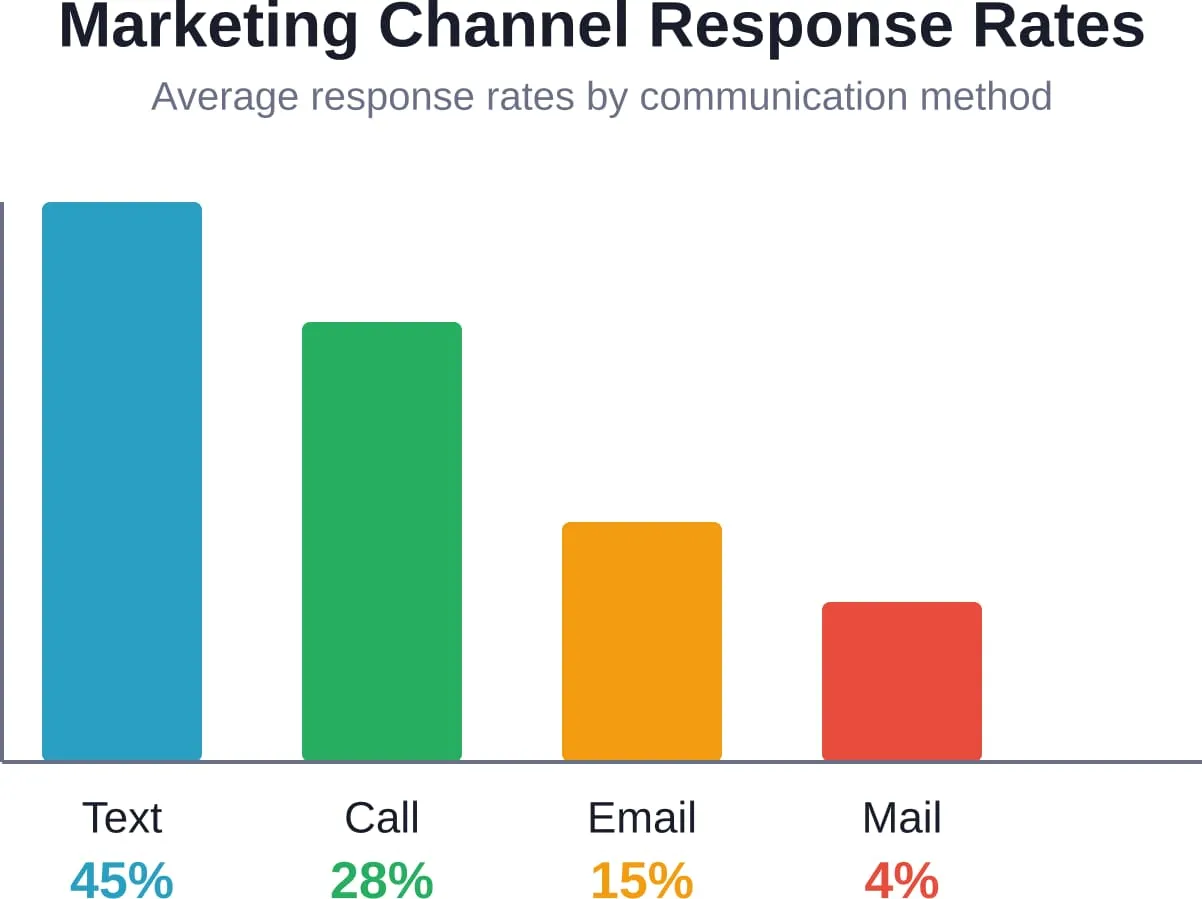
Text messaging has become a preferred communication channel, especially for younger buyers. Response rates on text messages far exceed email.
Get Permission First
Always obtain explicit consent before texting leads or customers. During initial contact or at delivery, ask if text messaging is their preferred communication method and confirm the number.
Include opt-out instructions in every marketing text. Compliance with messaging regulations protects both the salesperson and the dealership from potential penalties.
Use Texts for Time-Sensitive Updates
Text messaging works best for timely information: “The vehicle you inquired about just arrived—want to see it today?” or “Your trade-in value estimate is ready. Call me when you have a minute.”
Keep messages personal and conversational, not robotic. Texts should feel like communication from a real person, not automated marketing blasts.
Video Texts Make an Impact
Modern smartphones handle video messaging easily. Sending a brief personal video via text combines the immediacy of texting with the connection of video. Walk to the car a lead asked about and send a 30-second video tour directly to their phone.
This personalized approach dramatically increases response rates compared to generic text messages. It demonstrates effort and genuine interest in helping the specific customer.
Building a Personal Brand That Stands Out
In a commoditized industry where multiple dealerships sell the same vehicles at similar prices, personal brand becomes the differentiator. Buyers choose to work with salespeople they know, like, and trust.
Develop a Consistent Online Presence
Use the same professional photo, bio, and contact information across all platforms—social media, email signatures, business cards, review sites, and dealership profiles. Consistency reinforces recognition and professionalism.
The bio should communicate specialties: “Specializing in helping first-time buyers navigate financing” or “Truck and commercial vehicle expert serving contractors and small businesses.” Clear positioning attracts ideal customers.
Share Your Story
Personal connection drives relationships. Share why you’re in automotive sales, what you love about helping buyers, and personal interests that create common ground. People buy from people they relate to.
This doesn’t mean oversharing—maintain professionalism—but authentic glimpses of personality make a salesperson memorable. The person who also coaches youth soccer or volunteers at animal shelters becomes more than just a seller.
Position as an Expert, Not Just a Salesperson
Salespeople transact; experts advise. Consistently providing valuable information—market insights, buying tips, maintenance advice, technology explanations—positions a salesperson as a trusted advisor rather than someone pushing inventory.
When expertise is established, buyers seek advice rather than resisting sales pitches. The dynamic shifts from convincing to consulting, which benefits everyone involved.
Measuring Marketing Effectiveness
Marketing without measurement wastes resources. Tracking which efforts generate results allows doubling down on what works and abandoning what doesn’t.
Track Lead Sources
Ask every lead how they found out about the dealership and the specific salesperson: social media, search engine, referral, event, ad, or walk-in. Log this information in a CRM system or simple spreadsheet.
Over time, patterns emerge showing which marketing channels generate the most leads and, more importantly, the highest-quality leads that actually convert to sales.
Monitor Conversion Rates
Track not just lead volume but conversion percentages at each stage: inquiry-to-appointment rate, appointment-to-test-drive rate, test-drive-to-sale rate. Identifying where prospects drop off reveals opportunities for improvement.
A low inquiry-to-appointment rate might indicate poor initial follow-up. A low test-drive-to-sale rate could signal issues with vehicle presentation or closing techniques. Data pinpoints problems.
Calculate ROI on Paid Marketing
For any paid advertising, track spend versus sales generated. A Facebook ad campaign that costs $500 but generates three sales with $3,000 in commissions shows clear positive ROI. An ad that costs $500 and generates zero sales needs adjustment or discontinuation.
Return on investment isn’t just financial—consider time investment too. A marketing activity that consumes ten hours weekly but generates minimal results might not justify the opportunity cost, even if monetary expense is low.
Staying Compliant With Marketing Regulations
Automotive sales faces significant regulatory oversight. Marketing practices must comply with federal and state regulations to avoid legal issues and maintain customer trust.
FTC Rules on Automotive Advertising
The Federal Trade Commission enforces rules against deceptive advertising. In March 2026, the FTC warned multiple auto dealership groups about deceptive pricing practices, stressing the need for truthful and transparent pricing.
Marketing claims about price must be accurate and complete. Advertised prices must include all required fees or clearly disclose which fees are additional. “Bait-and-switch” tactics—advertising vehicles not actually available or at false prices—violate FTC regulations.
Privacy and Data Security
The FTC’s Safeguards Rule, part of the Gramm-Leach-Bliley Act, requires automobile dealers to protect customer information. Salespeople collecting customer data through marketing activities must ensure that information is stored securely and used only for authorized purposes.
Email lists, phone numbers, financial information collected during finance discussions—all require appropriate data security measures. Breaches can result in regulatory penalties and severe damage to reputation.
Truth in Advertising Standards
All marketing claims must be substantiated. Statements about fuel economy, safety ratings, vehicle capabilities, or warranty coverage must be accurate and verifiable. Testimonials must reflect genuine customer experiences.
When unsure about the legality of specific marketing language or claims, consult with dealership management or legal counsel before publication. Compliance protects both the individual salesperson and the dealership from liability.
Creating a Sustainable Marketing System
One-off marketing efforts generate temporary results. Sustainable success requires systems that consistently generate leads and maintain relationships without requiring constant reinvention.
Build Weekly Marketing Routines
Establish regular marketing habits: Monday morning social media planning, Tuesday video recording, Wednesday email newsletter drafting, Thursday review follow-up, Friday lead outreach. Routines ensure marketing happens consistently rather than sporadically when time permits.
Consistency compounds. Weekly video posts might feel like they’re generating little immediate response, but after six months, there’s a substantial library of searchable content working around the clock.
Leverage Templates and Automation
Create templates for common marketing communications: new lead welcome emails, appointment confirmations, follow-up sequences, customer check-ins. Templates ensure consistency while reducing time spent recreating similar messages.
Marketing automation tools handle repetitive tasks—scheduled social posts, email sequences, birthday reminders—freeing time for personalization and direct sales activities. Automation handles the system; salespeople add the human touch.
Continuously Test and Improve
Marketing is iterative. Try different video formats, test various email subject lines, experiment with social media posting times, and compare results. Keep what works, discard what doesn’t, and continuously optimize.
The market changes—buyer preferences shift, platforms evolve, economic conditions fluctuate. Marketing systems must adapt rather than becoming rigid processes that lose effectiveness over time.
Conclusion: Building a Marketing System That Drives Long-Term Success
The car salespeople consistently hitting targets and building sustainable careers are those who’ve recognized that sales and marketing are inseparable. Traditional prospecting alone can’t compete with systematic marketing that generates inbound leads, maintains past customer relationships, and builds personal brands that transcend individual dealerships.
Start with one or two tactics from this guide—perhaps personalized video responses to leads and a consistent social media posting schedule. Master those before adding complexity. Marketing momentum builds gradually, but once established, it creates compounding returns that transform sales careers.
The automotive retail landscape continues evolving. Dealerships face unprecedented change in technology, consumer behavior, and competitive pressure. Individual salespeople who adapt marketing strategies to meet buyers where they are—online, in their communities, and through trusted relationships—will thrive regardless of industry shifts.
Track results, adjust strategies based on data, and maintain consistency even when immediate payoff isn’t visible. Marketing is a long game that rewards patience and persistence. The salesperson planting seeds today reaps harvests for years to come.
Ready to transform your sales approach? Choose three marketing ideas from this guide and implement them this week. Schedule time for content creation like you’d schedule customer appointments—because building your marketing system is building your future income.