

Quick Summary: Automotive marketing in 2026 demands a hybrid approach combining digital innovation with genuine human connection. From leveraging AI-powered personalization and software-defined vehicle content to building local community trust and optimizing for hybrid vehicle shoppers, successful strategies now balance technological advancement with the enduring power of word-of-mouth and transparent, data-responsible practices.
The automotive landscape has shifted dramatically. Before setting foot in a dealership, modern car buyers have already watched video reviews, scrolled through Reddit threads, compared specifications across multiple tabs, and asked their social networks for recommendations.
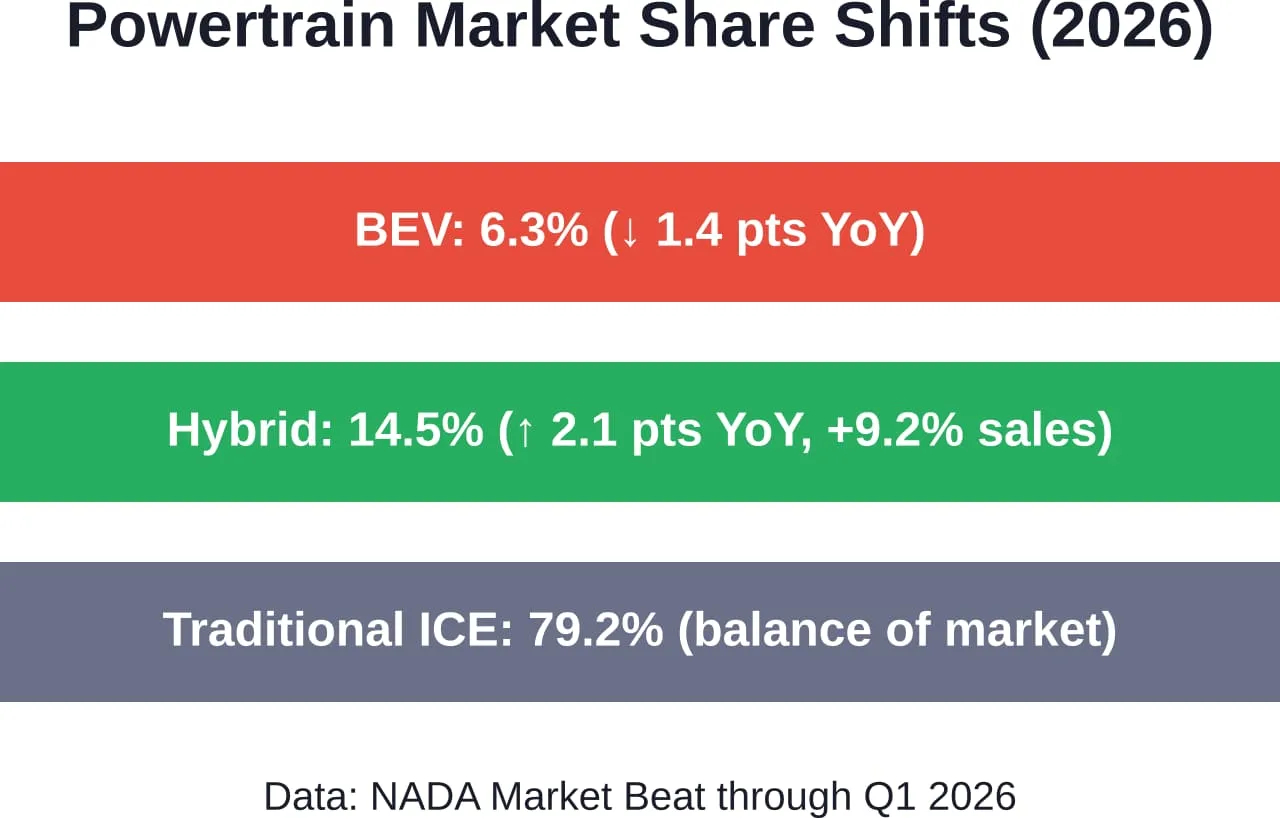
According to data from the National Automobile Dealers Association, new light-vehicle sales reached a seasonally adjusted annual rate of 15.6 million units year-to-date through April 2026, down 6.7% year-over-year. Meanwhile, hybrid vehicles are surging—with sales up 9.2% and representing 14.5% of all new vehicles sold through April 2026, a gain of 2.1 percentage points versus the prior year.
Battery electric vehicle sales declined following the expiration of federal tax credits, with BEV market share totaling 6.3% through the first three months of 2026, down 1.4 percentage points compared to the same period last year. These numbers tell a story: consumers are reassessing their choices, and automotive marketers must adapt quickly.
This isn’t about throwing the old playbook out entirely. It’s about understanding which tactics still work, which need refinement, and which emerging strategies deserve immediate attention.
The Modern Automotive Buyer Journey
Car shopping has become a marathon of research. Most buyers spend weeks—sometimes months—gathering information before initiating contact with a dealer.
They read online reviews, watch walkaround videos, participate in enthusiast forums, and compare pricing across multiple markets. A 2023 survey showed that 81% of consumers say they will reassess their budget over the next 12 months as they sought more personalized experiences, while 68% were specifically reassessing spending in the automotive category.
But here’s the thing: despite all this digital activity, the final transaction still typically happens in person. The challenge for automotive marketers is bridging that gap between online research and showroom visit.
Trust plays an outsized role. The same survey found that 76% of consumers will remain loyal to companies providing better data security. In practical terms, this means transparency about how customer information gets used matters just as much as the quality of the marketing message itself.
Personalization at Scale
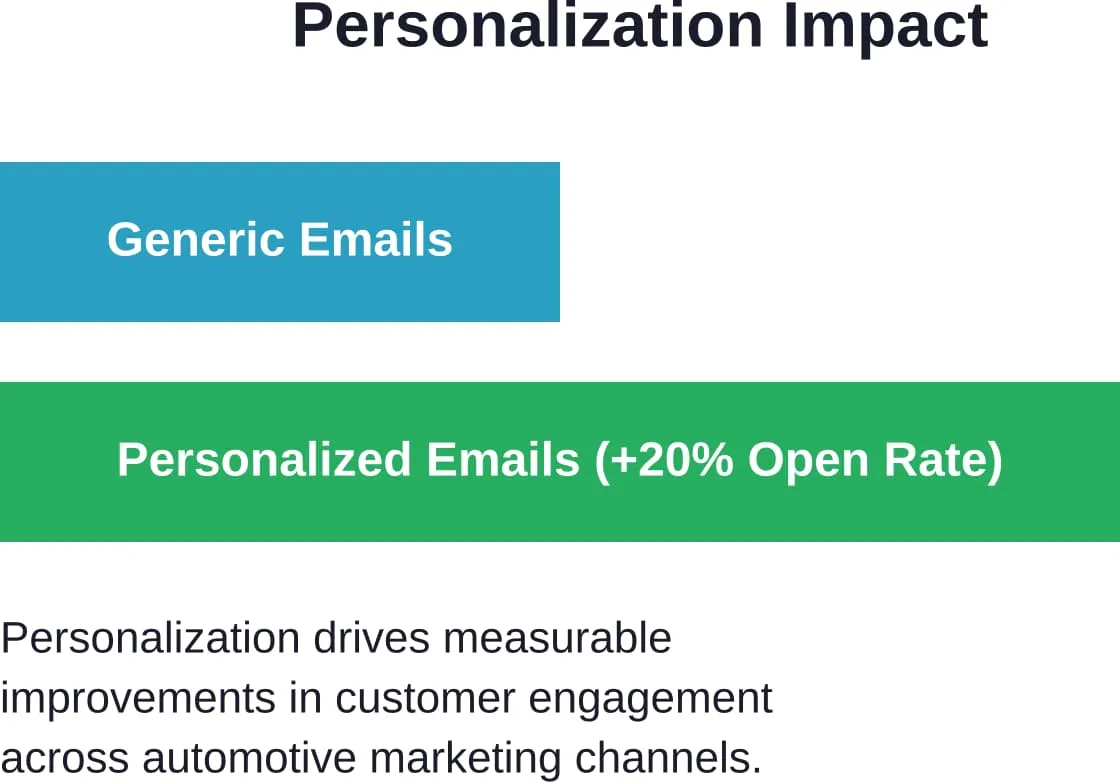
Generic mass marketing doesn’t cut it anymore. Personalized emails can boost open rates by 20%, and automotive brands that tailor their messaging to individual customer preferences see measurably better engagement.
This goes beyond inserting a first name into an email template. Real personalization means tracking which vehicle models a prospect viewed on the website, understanding whether they’re researching hybrid versus traditional powertrains, and adjusting follow-up communications accordingly.
One practical approach: segment email lists based on behavior. Someone who spent fifteen minutes configuring a hybrid SUV receives different content than someone who downloaded a financing guide for a performance sedan.
Marketing automation platforms make this manageable at scale. The key is feeding these systems accurate data and establishing clear rules for how different customer actions trigger different marketing responses.
Promote Automotive Business With Lengreo
Automotive businesses need marketing that explains services, inventory, promotions, and contact paths clearly. Lengreo aligns website development, SEO, paid ads, content, lead generation, appointment setting, and tracking into a single practical system.
This makes it easier for potential buyers to find information and for teams to track which campaigns bring the best leads.
Need More Vehicle Inquiries?
Lengreo can help with:
- refining service, inventory, and contact pages
- setting up local SEO and paid campaigns
- tracking calls, forms, and lead sources
- supporting content and lead generation workflows
👉 Contact Lengreo to discuss your marketing setup.
Hybrid Vehicle Marketing: Riding the Wave
With hybrid market share reaching 13.9% through Q1 2026 (up 1.7 percentage points year-over-year) and raw sales volume up 7.8% year-over-year in first-quarter 2026, smart marketers are doubling down on hybrid-focused campaigns.
The value proposition writes itself: better fuel economy, lower emissions than traditional vehicles, and none of the range anxiety associated with pure battery electrics.
Effective hybrid marketing emphasizes practical benefits. How much will customers save annually on fuel? What does the total cost of ownership look like over five years? How does the hybrid powertrain perform in real-world driving conditions?
Content marketing works particularly well here. Detailed comparison guides, cost calculators, and owner testimonial videos provide the information hybrid-curious shoppers actively seek during their research phase.
Don’t ignore local incentives. Many regions offer tax credits, HOV lane access, or reduced registration fees for hybrid vehicles. Prominently featuring these benefits in regional campaigns improves conversion rates.
Software-Defined Vehicles and Feature Marketing
According to McKinsey research, software-defined vehicles (SDVs) represent significant market value, with artificial intelligence driving significant improvements. The shift toward software-defined vehicles creates entirely new marketing opportunities.
According to McKinsey analysis, vehicles with level 2 ADAS could make up 52 percent of vehicle sales by 2030. Level 3 autonomous driving vehicles are projected to reach 16% by 2035.
Marketing these advanced features requires education. Most consumers don’t understand the SAE autonomy levels or what capabilities come standard versus optional. Clear, jargon-free explanations build confidence.
Video content shines here. Demonstrate adaptive cruise control managing stop-and-go traffic. Show lane-keeping assist handling a long highway drive. Let potential customers see the technology working in realistic scenarios.
Over-the-air updates represent another marketing angle. Unlike traditional vehicles that remain static after purchase, software-defined vehicles improve over time. This ongoing value delivery can be positioned as a key differentiator.
Local SEO and Community Engagement
National advertising builds brand awareness, but local search engine optimization drives showroom traffic. When someone searches “hybrid SUV dealer near me,” appearing in those top results matters more than any billboard.
Google Business Profile optimization is non-negotiable. Complete every field, add high-quality photos of the dealership and inventory, and respond promptly to reviews—both positive and negative.
Speaking of reviews: 95% of people read online reviews before making purchasing decisions. Actively encouraging satisfied customers to leave reviews, while professionally addressing negative feedback, directly impacts conversion rates.
Community engagement extends beyond digital presence. Sponsoring local sports teams, participating in community events, and supporting local charities builds genuine goodwill that translates into customer loyalty.
According to automotive community discussions on Reddit, one effective tactic is to showcase mechanics and service team personalities on social media. People trust businesses where they feel connected to the actual humans working there. Photos of team members volunteering, celebrating milestones, or simply being authentic build that connection.
| Local SEO Tactic | Impact Level | Time Investment | Cost |
|---|---|---|---|
| Google Business Profile Optimization | High | Medium | Free |
| Customer Review Management | High | Ongoing | Low |
| Local Sponsorships | Medium | Low | Medium |
| Community Event Participation | Medium | Medium | Low-Medium |
| Location-Specific Content | Medium-High | Medium | Low |
Social Media Marketing That Actually Works
Social media for automotive dealerships isn’t just posting glamour shots of inventory. Platforms work best when treated as interactive social spaces rather than digital billboards.
Leverage User-Generated Content
Encourage customers to share photos with their new vehicles, tag the dealership, and tell their story. Repost these (with permission) to highlight real customer experiences, build social proof, and engage networks beyond your own followers.
Celebrate Customer Deliveries
Take photos with customers during vehicle delivery and tag them in posts. This not only provides social proof but also makes customers feel valued and extends your reach through their personal networks.
Use Live Streaming and Virtual Events
Live streaming and virtual events are effective engagement tools. Industry research indicates that 87% of marketers see a positive impact from virtual events, making them powerful for driving engagement and generating leads.
Showcase Staff and Community Involvement
Highlight mechanics, their personalities, and community contributions. Posting about charitable work, discounted auto repairs for local causes, or volunteering helps differentiate your dealership and strengthen brand reputation.
Choose the Right Platform
- Facebook: Effective for reaching older demographics
- Instagram: Ideal for visual storytelling
- TikTok: Engages younger audiences, particularly Generation Z, who are influencing new trends in automobile purchasing
This approach positions social media as a genuine community and engagement tool rather than just an advertising channel.
Video Marketing and Virtual Showrooms
Video isn’t optional anymore. It’s the primary content format for product research across demographics.
- Effective automotive video marketing spans multiple formats. Detailed walkaround videos showcase exterior and interior features. Test drive videos demonstrate performance characteristics. Comparison videos help shoppers understand differences between similar models.
- Production quality matters less than authenticity. A smartphone video from a sales consultant who genuinely knows the product often outperforms an overproduced commercial.
- Virtual and augmented reality represent the cutting edge. Virtual showroom experiences let customers explore vehicles from home, configure options in real-time, and get a realistic sense of the product before visiting in person.
- 360-degree interior views work particularly well. Shoppers want to see cargo space, understand seat comfort, examine dashboard layouts, and check visibility—all things a static photo can’t adequately convey.
- YouTube SEO deserves specific attention. Optimize titles, descriptions, and tags for the search terms prospects actually use. Create playlists organized by vehicle type, feature category, or customer need.
Referral Programs and Word-of-Mouth
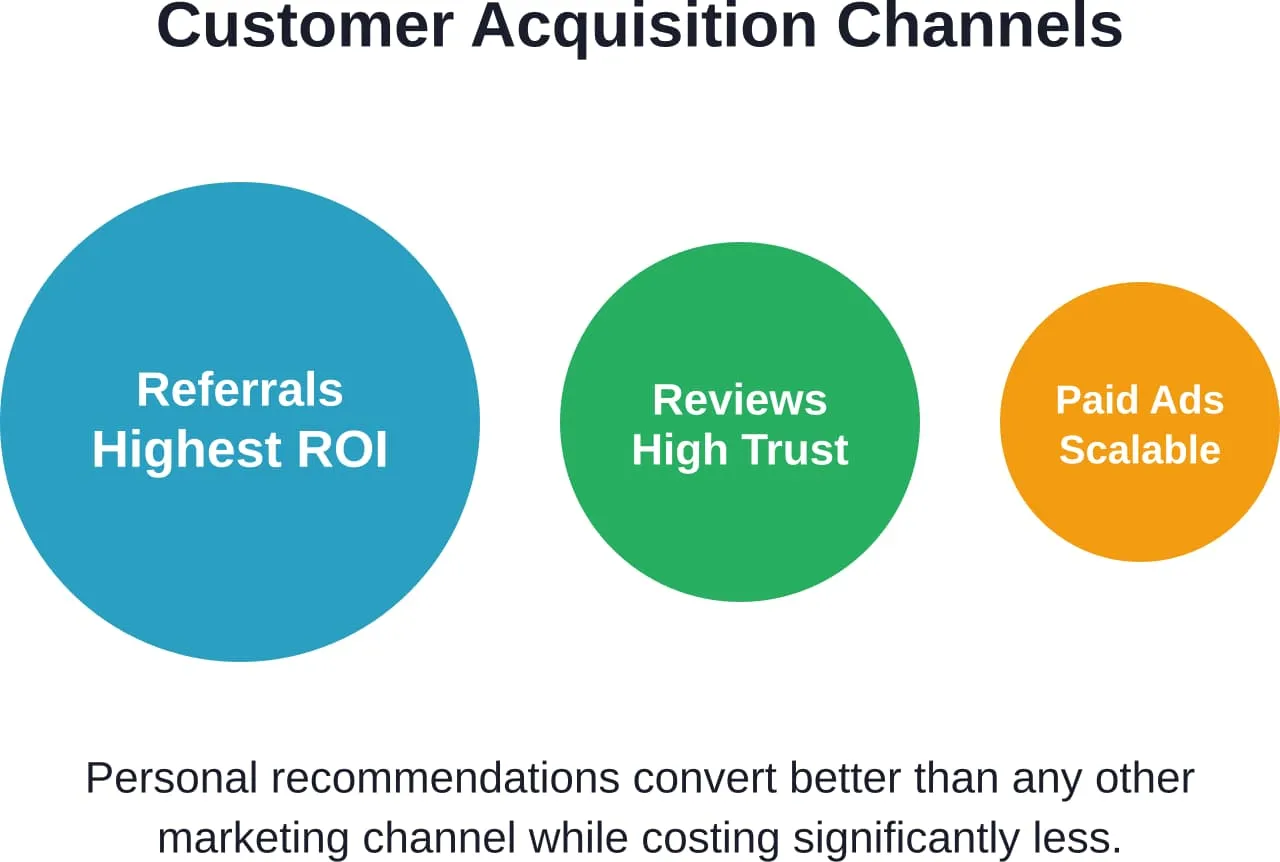
No marketing channel converts better than personal recommendations. Building systems that encourage and reward referrals amplifies the most powerful form of advertising.
Formal referral programs work. Offer both the referring customer and the referred customer tangible benefits—commonly $100 cash or service credit when a purchase happens. Make the process simple and transparent.
But informal word-of-mouth matters just as much. Exceptional service experiences naturally generate recommendations. Going beyond basic expectations—staying late to complete a purchase, solving a problem quickly, following up after delivery—creates stories customers share with friends.
Social proof extends beyond referrals. Display positive reviews prominently on the website. Share customer testimonials on social media. Feature satisfaction ratings in advertising.
Community discussions on Reddit consistently emphasize showing mechanics and their personalities, donating time to community causes, and helping charities with discounted auto repairs. These actions build reputation that drives referrals organically.
Data-Driven Marketing with Responsible Practices
Connected vehicle technology enables unprecedented data collection in the coming years. This creates both opportunities and responsibilities.
Customer data enables better targeting, personalized experiences, and more relevant messaging. But 76% of consumers prioritize companies that demonstrate strong data security practices.
Transparent data policies matter. Clearly explain what information gets collected, how it’s used, and who has access. Give customers control over their data and honor opt-out requests promptly.
Analytics should inform strategy without becoming invasive. Track which marketing channels drive showroom visits. Measure which email campaigns generate test drive bookings. Understand which content formats keep website visitors engaged longest.
A/B testing optimizes campaigns systematically. Test different email subject lines, landing page layouts, call-to-action buttons, and ad creative. Let data guide decisions rather than assumptions.
Attribution modeling helps allocate budget effectively. Understanding whether that sale came primarily from search ads, social media, email nurture, or referral ensures marketing dollars flow to the highest-performing channels.
AI-Powered Marketing and Automation
Artificial intelligence has moved from a buzzword to a practical tool for automotive marketing. It enhances customer interactions, sales forecasting, and operational efficiency.
Chatbots for Customer Engagement
Chatbots handle initial customer inquiries 24/7, answer common questions, schedule test drives, and qualify leads before passing them to human sales staff. This increases response speed and frees salespeople to focus on high-value interactions.
Predictive Analytics for Proactive Outreach
Predictive analytics identify which leads are most likely to convert, when customers might be ready to upgrade, and which inventory will move fastest. These insights allow teams to engage proactively at optimal times.
Dynamic Pricing for Maximum Impact
Dynamic pricing algorithms adjust offers based on inventory levels, market demand, competitor pricing, and individual customer profiles. This helps maximize both sales volume and profit margins.
AI-Assisted Content Generation
Content generation tools can draft vehicle descriptions, blog posts, and social media updates. Human editing remains essential to maintain quality, brand voice, and authenticity.
Augmentation, Not Replacement
The key is using AI to augment human efforts. AI handles repetitive tasks and data processing, while human marketers provide strategy, creativity, and relationship-building to drive meaningful engagement and sales.
Email Marketing That Converts
Email remains one of the highest-ROI marketing channels when executed properly. The difference between effective and ignored automotive emails comes down to relevance and timing.
- Segmentation enables relevance. Create lists based on where prospects are in the buying journey. Someone who just started researching receives educational content. Someone who test drove last week gets financing information and inventory availability updates.
- Triggered emails based on behavior work exceptionally well. Abandoned website configuration? Send a follow-up email with that exact configuration and an offer to discuss. Customer’s lease ending in ninety days? Proactive outreach about upgrade options.
- Subject lines determine open rates. Test different approaches: questions, urgency, curiosity, personalization. Avoid spam triggers and excessive punctuation.
- Mobile optimization is mandatory. Over half of email opens happen on mobile devices. Ensure templates render properly on small screens and calls-to-action are easily tappable.
- Value-first content builds relationships. Not every email should push for a sale. Share helpful maintenance tips, local driving condition updates, or new feature tutorials for current owners. This positions the dealership as a trusted resource rather than just a vendor.
| Email Type | Purpose | Best Timing | Key Metric |
|---|---|---|---|
| Welcome Series | Nurture new leads | Immediately after signup | Engagement rate |
| Abandoned Configuration | Recover lost interest | 24 hours after exit | Return rate |
| Test Drive Follow-Up | Convert to purchase | Same day or next morning | Response rate |
| Service Reminders | Maintain relationship | Proactive, before due | Appointment bookings |
| Lease-End Notifications | Upgrade opportunities | 90 days before end | Conversion rate |
| Educational Content | Build trust | Regular cadence | Click-through rate |
Search Engine Marketing and Paid Advertising
Organic search brings long-term traffic, but paid search ads capture high-intent shoppers immediately. Someone searching “2026 hybrid SUV inventory” is ready to buy soon.
Google Ads campaigns need tight geographic targeting. Auto purchases happen locally, so showing ads to people hundreds of miles away wastes budget. Set radius targeting around the dealership and adjust bids based on proximity.
Keyword selection balances competition and intent. Broad terms like “SUV” cost more and convert worse than specific phrases like “certified pre-owned Highlander hybrid.”
Ad extensions improve performance. Location extensions show address and distance. Call extensions enable one-click phone calls. Sitelink extensions direct to specific inventory pages.
Remarketing campaigns re-engage website visitors who didn’t convert. Someone who spent time on the site researching a particular model sees targeted ads for that vehicle as they browse other sites.
Social media advertising offers powerful targeting options. Reach people based on demographics, interests, behaviors, and life events. Someone who recently moved might need a vehicle. New parents might want a safer SUV.
Video ads on YouTube and social platforms drive awareness efficiently. Short, compelling creative that stops the scroll performs best. Lead with the hook, deliver value quickly, and include clear calls-to-action.
Green Marketing and Sustainability Messaging
Environmental concerns influence purchase decisions for a growing segment of buyers. Marketing sustainability effectively requires authenticity rather than greenwashing.
- Hybrid and electric vehicle marketing naturally incorporates environmental benefits. But sustainability messaging extends beyond powertrain choice.
- Highlight eco-friendly dealership practices: solar panels, EV charging stations, recycling programs, paperless transactions. These operational commitments resonate with environmentally conscious consumers.
- Lifecycle analysis information helps educated buyers. What’s the total environmental impact including manufacturing and end-of-life disposal? Some consumers want this depth.
- Zero-emission vehicles are projected to account for 50% of new passenger car sales in certain markets. Positioning the dealership as knowledgeable about this transition builds credibility.
- But avoid exaggeration. Making unsubstantiated environmental claims damages credibility and potentially violates advertising regulations. Stick to verifiable facts.
Compliance and Regulatory Considerations
Automotive advertising faces regulatory scrutiny that marketers must navigate carefully. The National Highway Traffic Safety Administration publishes guidelines for using Government 5-Star Safety Ratings in advertising.
These guidelines apply to manufacturers, dealers, and advertising agencies across all media: print, online, mobile, television, and radio. Only safety ratings, scores, and language suggested by official guidelines should appear in advertisements.
The government 5-star logo may be used in advertisements along with star safety ratings and overall vehicle scores. But misrepresenting these ratings or using them in misleading ways violates guidelines.
Truth in advertising regulations require that all claims be substantiated. Fuel economy figures must match EPA ratings. Performance claims need verification. Financing offers must clearly disclose terms.
Accessibility matters both legally and ethically. Websites must be navigable for users with disabilities. Video content should include captions. Image alt text enables screen readers.
Privacy regulations continue evolving. GDPR in Europe, CCPA in California, and various other frameworks impose requirements around data collection, storage, and usage. Non-compliance brings significant penalties.
Measuring Marketing Effectiveness
What gets measured gets improved. Establishing clear metrics and tracking performance separates effective marketing from wasted budget. Key tactics include:
- Track KPIs based on campaign objectives: brand awareness (reach, impressions, engagement), lead generation (cost per lead, lead quality), and sales campaigns (conversion rate, revenue attribution)
- Use website analytics to understand visitor behavior, including traffic, time spent on pages, exit points, and heatmap click activity
- Implement call tracking with unique numbers for different campaigns to identify which tactics drive inquiries
- Integrate with a CRM to create closed-loop reporting, following leads from initial website visit through nurture, test drives, and purchase to measure true ROI
- Maintain regular reporting through monthly dashboards to highlight trends, wins, and opportunities for strategic adjustments
- Benchmark performance against industry standards, using sources like NADA for context on dealership performance, market trends, and sales figures
Emerging Trends and Future Preparation
The automotive market continues evolving. Preparing for emerging trends positions dealerships ahead of competitors.
Online purchasing behavior is changing, particularly among Generation Z consumers. Research shows this generation is driving trends toward online automobile purchasing, with significant implications for dealerships that have historically dominated local markets.
There remains a gap in academic research examining large online purchases like automobiles relative to other e-commerce categories. But the trend is clear: digital-native generations expect seamless online experiences.
Dealerships that provide extensive online inventory, transparent pricing, virtual tours, online financing pre-approval, and home delivery options position themselves competitively.
Subscription models represent another shift. Rather than owning vehicles outright, some consumers prefer paying monthly for access to a vehicle with flexibility to switch models. Marketing these programs requires different messaging.
Autonomous vehicle marketing will evolve as higher automation levels reach consumers. Currently, Level 2 ADAS dominates, but as Level 3 adoption grows toward a projected 16% by 2035, explaining these capabilities becomes crucial.
The key is staying adaptable. Monitor emerging technologies, test new platforms, and remain willing to pivot when data shows new approaches outperforming established tactics.
Conclusion
Automotive marketing in 2026 requires balancing technological innovation with timeless fundamentals. The data is clear: hybrid vehicles are surging while pure electrics decline. Connected vehicle technology enables unprecedented personalization. Software-defined vehicles create new feature marketing opportunities. And Generation Z consumers are reshaping purchase behavior toward digital-first experiences.
But amid all this change, certain truths remain. Personal recommendations still convert better than any advertising. Transparency about data practices builds essential trust. Local community engagement creates lasting relationships. And exceptional service generates word-of-mouth that no marketing budget can buy.
The dealerships that will thrive are those that embrace both realities. Leverage AI for efficiency and personalization. Optimize for local search and mobile experiences. Create video content that educates and engages. Build referral programs that reward loyalty.
And simultaneously: show up at community events. Respond thoughtfully to every review. Train staff to build genuine relationships. Deliver service so remarkable that customers can’t help telling friends.
Real talk: there’s no single magic strategy. Success comes from executing multiple tactics consistently, measuring what works, and adapting quickly when market conditions shift.
Start by auditing current marketing efforts against the strategies outlined here. Identify gaps. Prioritize based on potential impact and available resources. Test, measure, refine, and scale what works.
The automotive market will continue evolving. Autonomous capabilities will advance. Powertrain preferences will shift. New generations with different expectations will enter the market. Staying informed, remaining flexible, and keeping customers at the center of every decision positions any dealership for long-term success.