


Quick Summary: Aircraft service marketing requires a multi-channel approach combining digital strategies, relationship building, and technical expertise demonstration. Successful campaigns leverage targeted content, industry partnerships, data analytics, and personalized outreach to reach decision-makers in aviation maintenance, repair, and overhaul sectors. The most effective strategies focus on building credibility through case studies, certifications, and thought leadership while addressing the industry’s critical technician shortage and aging fleet challenges.
Marketing aircraft maintenance, repair, and overhaul services isn’t like promoting consumer products. The aviation industry operates under strict regulations, long procurement cycles, and an audience that demands proof of expertise before making decisions.
With commercial aviation passenger demand growing 10.4% in 2024 and a significant aircraft production backlog, the MRO sector faces unprecedented opportunity—and competition. Airlines are flying older airframes longer, which means maintenance demands are climbing fast.
Here’s the challenge: the aviation maintenance industry faces a critical technician shortage, with workforce challenges expected to intensify. That’s creating both obstacles and openings for service providers who can market effectively.
So how do aircraft service businesses cut through the noise and reach the right decision-makers?
Understanding the Aircraft Service Marketing Landscape
The MRO industry is in the middle of a transformation. Current maintenance hour demands are substantial and are projected to increase significantly over the coming decades due to aging fleets and delayed aircraft deliveries driven by aging fleets and delayed aircraft deliveries.
Manufacturers have reduced aircraft delivery schedules, with production delays affecting fleet management decisions, forcing airlines to keep older aircraft in service longer. More flight hours on aging airframes means more frequent, more complex maintenance work.
But here’s the thing—growth doesn’t automatically translate to profitability. Competition is fierce, margins are tight, and clients expect flawless execution. Marketing becomes the differentiator between service providers who thrive and those who struggle for scraps.
Who Makes the Buying Decisions
Aircraft service procurement typically involves multiple stakeholders: maintenance directors, fleet managers, operations executives, and procurement specialists. Each has different priorities.
Maintenance directors care about technical capability and regulatory compliance. Operations executives focus on turnaround time and minimizing aircraft-on-ground situations. Procurement teams want competitive pricing and proven track records.
Effective marketing speaks to all these concerns simultaneously while establishing trust at every touchpoint.
Promote Aircraft Service Marketing With Lengreo
Aircraft service providers need marketing that clearly presents maintenance, repair, certifications, and contact paths. Lengreo integrates website pages, SEO, paid ads, content, lead generation, appointment setting, and tracking into a single connected system, helping attract qualified clients.
Need More Maintenance or Repair Inquiries?
Lengreo can help with:
- improving service, certification, and contact pages
- setting up local SEO and paid campaigns
- tracking calls, forms, and inquiry sources
- supporting content and lead generation workflows
👉 Contact Lengreo to discuss your marketing setup.
Digital Marketing Strategies That Generate Qualified Leads
Digital channels have become essential for reaching aviation decision-makers. Most research happens online long before any sales conversation begins.
Search Engine Optimization for Technical Services
Aviation professionals search for specific technical capabilities: “Boeing 737 MAX maintenance,” “Rolls-Royce engine overhaul,” “avionics upgrade services.” Ranking for these high-intent keywords puts your business in front of prospects actively seeking solutions.
Content should demonstrate technical depth without overwhelming readers. Detailed service pages covering specific aircraft types, engine families, and maintenance procedures signal expertise to both search engines and potential clients.
Case studies documenting complex repairs, turnaround times, and client outcomes provide the proof points that convert researchers into inquiries.
Targeted Digital Advertising
Paid search and display advertising can reach decision-makers researching maintenance options. Geographic targeting matters—focus ad spend on regions where fleet operators and airlines are based.
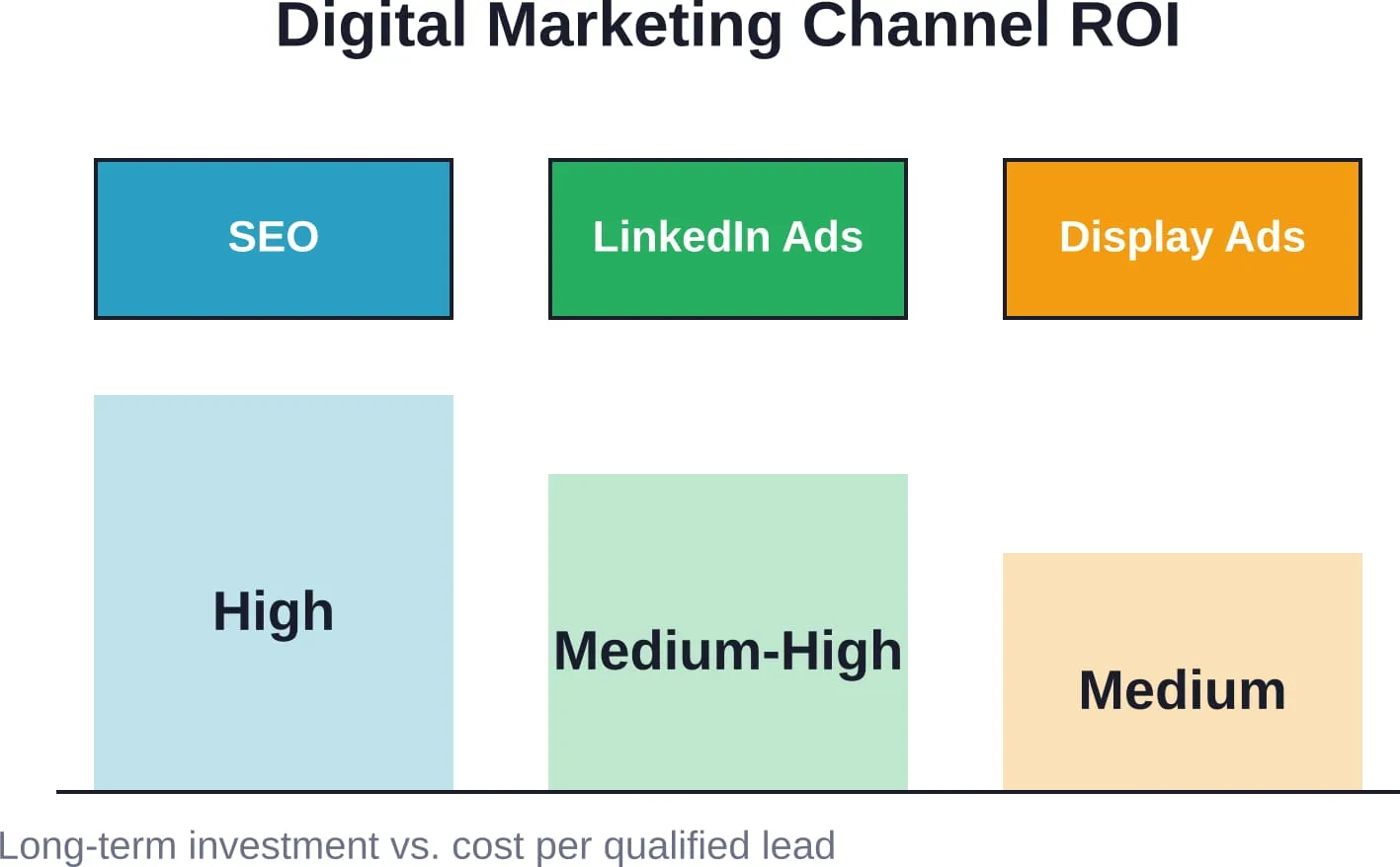
LinkedIn advertising works particularly well for B2B aviation services. Target job titles like Director of Maintenance, VP of Operations, Fleet Manager, and Technical Services Manager. Industry-specific targeting filters help avoid wasting budget on irrelevant audiences.
Retargeting campaigns keep your brand visible to website visitors who didn’t convert initially. Aviation procurement cycles are long; staying top-of-mind throughout the research phase increases conversion likelihood.
Email Marketing to Decision-Makers
Email remains highly effective for B2B aviation marketing. Build segmented lists based on aircraft type operated, maintenance needs, and geographic location.
Personalized outreach performs significantly better than generic blasts. Reference specific aircraft in their fleet, upcoming maintenance intervals, or regulatory compliance deadlines relevant to their operations.
Industry analyses report that targeted email segments can achieve open rates above 35% and click-through rates around 2-3%—substantially higher than untargeted campaigns.
Content Marketing That Establishes Technical Authority
Aviation professionals want to work with experts. Content marketing demonstrates that expertise while building organic search visibility.
Technical Blog Content and Guides
Create in-depth content addressing common maintenance challenges: corrosion prevention, avionics upgrades, engine performance optimization, compliance with airworthiness directives.
Long-form guides (2,000+ words) covering complex topics in detail tend to rank well in search results and get shared within the industry. They also serve as lead magnets—gate them behind email capture forms to build your database.
Regular publication schedules keep your brand visible and give prospects reasons to return to your site repeatedly.
Video Content Showcasing Capabilities
Video walkthroughs of your facilities, equipment, and processes build confidence in your capabilities. Show hangar space, tooling, test equipment, and team expertise.
Time-lapse videos of major overhauls or complex repairs demonstrate capability while generating engagement on social media. Keep videos under three minutes for maximum completion rates.
Customer testimonial videos add credibility that written quotes can’t match. Seeing a maintenance director explain how you solved their problem carries tremendous weight.
Case Studies and White Papers
Document successful projects in detailed case studies: the challenge, your solution, results achieved, and client feedback. Include specific metrics: turnaround time, cost savings, performance improvements.
White papers on industry trends—predictive maintenance adoption, technician workforce development, aging fleet management—position your business as a thought leader beyond just service provision.
These assets work throughout the sales cycle: early in research, during evaluation, and as justification materials prospects share internally with stakeholders.
Building Relationships Through Industry Engagement
Aviation remains a relationship-driven industry despite digital transformation. Personal connections still matter tremendously.
Trade Show and Conference Presence
Major industry events like MRO Americas, Aircraft Interiors Expo, and regional aviation conferences gather decision-makers in concentrated time and space. Booth presence provides visibility, but strategic attendance goes beyond that.
Speaking opportunities at these events establish thought leadership. Sponsor networking events to facilitate relationship building in less formal settings.
Follow up systematically with everyone you meet. Immediate post-event contact while conversations are fresh significantly improves conversion rates.
Industry Association Involvement
Active participation in organizations like the Aeronautical Repair Station Association, National Business Aviation Association, or regional aviation councils builds credibility and expands networks.
Committee involvement and leadership positions raise your profile. Regular attendance at chapter meetings keeps you connected to local aviation communities where word-of-mouth referrals happen.
Strategic Partnerships
Partnerships with OEMs, parts suppliers, and complementary service providers create referral channels. Authorized service center status with manufacturers adds credibility and opens doors.
Collaborations with aviation training institutions can help address the technician shortage while building your talent pipeline—a win that also generates positive PR.
Leveraging Data and Technology in Marketing
The aviation industry increasingly relies on data-driven decision-making. Marketing should reflect that analytical approach.
Predictive Maintenance Messaging
Predictive maintenance represents a significant industry trend. Companies investing significantly in AI report business gains at rates of 60%, according to industry analyses.
Marketing messages highlighting your predictive capabilities, data analytics services, and proactive maintenance programs resonate with forward-thinking operators looking to reduce unscheduled downtime.
Real talk: many organizations have struggled with AI implementation—seven of ten respondents reporting minimal or no impact from AI. Position your services as practical, proven applications rather than experimental technology.
CRM and Marketing Automation
Customer relationship management systems help track interactions across long sales cycles typical in aviation. Automated nurture sequences keep prospects engaged without constant manual effort.
Segment contacts by aircraft type, maintenance schedule, geographic location, and engagement level. Tailor messaging accordingly rather than broadcasting identical content to everyone.
Lead scoring helps prioritize sales follow-up on prospects showing higher engagement and fit.
Analytics and ROI Tracking
Track which marketing channels generate qualified leads and convert to clients. Aviation sales cycles can stretch months or years, so attribution modeling needs to account for multiple touchpoints.
Calculate customer acquisition cost by channel. Shift budget toward higher-performing tactics and away from those that don’t deliver.
Monitor website behavior: which service pages get the most traffic? Where do visitors drop off? What content correlates with inquiry form submissions? Use these insights to refine messaging and calls-to-action.
Addressing the Technician Shortage in Marketing
The industry’s workforce challenges create both marketing obstacles and opportunities.
Recruitment Marketing
Attracting skilled technicians requires dedicated marketing efforts beyond traditional job postings. Showcase your work environment, career development opportunities, and company culture.
Highlight training programs, mentorship opportunities, and advancement paths. Aviation technicians want to work on interesting aircraft with cutting-edge systems—show them you offer that.
Partner with technical schools and A&P programs. Sponsor students, offer internships, and build pipelines of emerging talent.
Positioning Workforce Strength
Your team is a competitive advantage. Marketing should emphasize technician experience, certifications, and specializations.
Profile senior technicians in content marketing. Their expertise reassures clients while building team pride and retention.
Address the industry shortage directly in client communications: explain how you’re maintaining capacity and capability despite market constraints. Transparency builds trust.
| Marketing Tactic | Best For | Timeline | Resource Needs |
|---|---|---|---|
| SEO & Content Marketing | Long-term visibility and authority | 6-12 months for results | Moderate (ongoing content creation) |
| LinkedIn Advertising | Reaching specific decision-maker titles | Immediate traffic, 2-3 months for optimization | High (ad spend + management) |
| Trade Show Presence | Relationship building and brand awareness | Event-dependent, 3-6 month follow-up cycle | High (booth, travel, staffing) |
| Email Campaigns | Nurturing existing contacts and leads | Ongoing with immediate engagement metrics | Low to Moderate (list building + design) |
| Case Studies | Converting late-stage prospects | Immediate use once created | Moderate (production time + client coordination) |
Compliance and Credibility in Messaging
Aviation marketing must navigate regulatory requirements and industry expectations around accuracy.
Highlighting Certifications
FAA repair station certificates, OEM authorizations, ISO certifications, and industry accreditations should feature prominently in marketing materials. They’re table stakes for serious consideration.
Explain what these certifications mean in plain language. Decision-makers outside maintenance departments may not understand the significance of specific approvals.
Transparent Capability Statements
Be specific about what aircraft types, systems, and services you’re equipped and authorized to handle. Overstating capabilities damages credibility and creates operational problems.
AOPA guidance indicates that messaging claiming “we can make you a pilot in just 40 hours” represents questionable transparency in the flight training industry The same principle applies to maintenance services—realistic timelines and scope build trust.
Safety and Quality Messaging
Safety is paramount in aviation. Marketing should emphasize quality systems, safety culture, and track records without sounding generic.
Specific safety metrics—accident-free days, audit results, customer satisfaction scores—carry more weight than vague claims about commitment to excellence.
Social Media Strategy for B2B Aviation
Social media works differently for aviation services than consumer brands, but it still matters.
LinkedIn for Professional Networking
LinkedIn is the primary social platform for B2B aviation marketing. Share technical content, company updates, industry news, and thought leadership.
Engage with posts from clients, prospects, and industry organizations. Comment thoughtfully on relevant discussions rather than just broadcasting your own content.
Employee advocacy amplifies reach—encourage technicians, sales staff, and executives to share company content from their personal profiles.
Visual Platforms for Showcasing Work
Instagram and Facebook work for visually showcasing aircraft work, facility capabilities, and team culture. Behind-the-scenes content humanizes the business.
Aviation enthusiasts follow these platforms actively. While they may not all be decision-makers, the aviation community is interconnected—visibility with enthusiasts can lead to professional opportunities.
Industry Discussion Forums
Community discussions on platforms like LinkedIn groups, specialized aviation forums, and industry-specific social networks provide opportunities to demonstrate expertise.
Answer technical questions, share insights on regulatory changes, and contribute to industry conversations. This builds reputation more effectively than promotional posts.
Measuring Marketing Success
Aviation marketing ROI can be challenging to measure given long sales cycles, but it’s essential.
Key Metrics to Track
Website traffic and specifically traffic to service-specific pages indicates awareness-building effectiveness. Track organic search rankings for target keywords monthly.
Lead generation metrics matter most: inquiry form submissions, quote requests, phone calls from tracking numbers. Measure lead quality, not just quantity—are inquiries from qualified prospects?
Sales cycle length from first contact to contract signing provides insight into nurture campaign effectiveness. Shortening this timeline improves cash flow and resource utilization.
Customer Acquisition Cost
Calculate total marketing spend divided by new customers acquired. Break this down by channel to understand which tactics deliver the best return.
Compare acquisition cost to customer lifetime value. Aviation clients often represent recurring revenue over years—high acquisition costs can be justified if retention is strong.
Client Retention and Referrals
Repeat business rates indicate satisfaction and operational excellence. Marketing can support retention through regular communication, educational content, and relationship maintenance.
Referral rates show how well you’ve built reputation. Ask satisfied clients for introductions to colleagues at other operators. Formal referral programs with incentives can accelerate this.
Building a Marketing Strategy That Works
Aircraft service marketing isn’t about flashy campaigns or viral content. It’s about consistently demonstrating technical expertise, building relationships with decision-makers, and proving your value through documented results.
The MRO market is growing substantially—maintenance hour demand is doubling over the next two decades. But that growth brings intensified competition and operational challenges, particularly around workforce availability.
Successful marketing strategies combine multiple channels: search-optimized content that attracts researchers, targeted advertising that reaches decision-makers, relationship-building at industry events, and analytics that guide continuous improvement.
Start with the fundamentals: a website that clearly communicates capabilities, case studies that document results, and systematic follow-up with prospects. Layer in more sophisticated tactics—marketing automation, video content, thought leadership—as resources allow.
The aviation industry values expertise, reliability, and proven track records above all else. Marketing that consistently reinforces these qualities—through every piece of content, every client interaction, every industry engagement—builds the reputation that drives sustainable growth.
Ready to elevate your aircraft service marketing? Begin by auditing your current efforts against the strategies outlined here. Identify the biggest gaps, prioritize tactics that align with your capabilities and target clients, and commit to consistent execution over the next 6-12 months.