


Instagram might look casual on the surface, but behind the scenes, it’s one of the sharpest tools for business growth – if you know how to use it well. It’s not about chasing every new feature or copying what influencers do. It’s about making smart, consistent moves that align with how people actually use the platform. In this article, we’re cutting through the noise and walking you through strategies that help brands grow, connect, and sell – without burning out or getting buried in the feed.
What Instagram Marketing Really Means
Instagram marketing today goes far beyond chasing likes or trying to go viral. It’s about showing up in a way that builds trust, drives action, and supports your broader business goals. Whether you’re selling products, offering services, or simply trying to stay visible in a crowded space, Instagram is where people go to discover, compare, and connect with brands they’re curious about.
The platform isn’t just a visual feed anymore – it’s a hybrid of a search engine, marketplace, and communication tool. Done right, Instagram marketing helps you build awareness, grow an engaged community, and move people from interest to action. It’s less about gaming the algorithm and more about creating content that feels relevant, useful, and human.
How We Help Brands Grow on Instagram and Beyond
At Lengreo, we don’t believe in one-size-fits-all when it comes to digital marketing. Every brand has its own voice, audience, and pace, and that’s exactly how we approach Instagram strategy. Whether we’re building content campaigns, running outreach, or tying social media into a larger demand generation engine, our goal is always the same: to help you connect with the right people and turn that attention into measurable growth.
We’ve worked with startups, scaleups, and enterprise brands across industries like SaaS, cyber security, fintech, and eCommerce. For many of them, Instagram is more than a branding tool – it’s a channel that drives leads, builds trust, and supports conversion at every stage of the funnel. Our team blends strategy, content, outreach, and performance tracking to make sure your presence on Instagram actually moves the needle. If you’re looking for tailored support, not templated advice, we’d be glad to talk.
What’s Actually Working: Top Instagram Strategies That Drive Results
There’s no shortage of Instagram advice out there, but not all of it holds up when you’re trying to grow a real business, not just gain likes. What works now is less about hacks and more about alignment: showing up where your audience is, with content that makes sense for how they use the platform. Here’s a breakdown of the most effective strategies brands are using right now to grow and convert on Instagram.

1. Know Who You’re Talking To (and Why That Matters More Than Ever)
Before you post a single thing, you need to be crystal clear on who your audience is. This isn’t just a box to check – it drives every decision you make on Instagram.
Start by asking:
- What kind of content do they engage with?
- What problems are they trying to solve?
- Are they here to be entertained, educated, inspired, or all three?
Dig into your Insights. If your audience is mostly 35+ professionals, memes and trendy reels may not hit. On the flip side, Gen Z isn’t going to sit through a five-minute Reel or Feed video explainer. Tailoring your content to their behavior and interests will make your posts feel relevant instead of random.
You don’t have to guess either. Use polls, Q&As, DMs, and comment threads to ask what people want more of. The answers are usually there – you just need to listen.
2. Go Beyond Aesthetics: Build a Visual Identity That Feels Cohesive
Instagram is still a visual platform at heart, but looking good isn’t the same as being effective. A polished aesthetic might catch the eye, but what really sticks is a visual identity that feels intentional and recognizably yours. That means going beyond trendy filters or matching color palettes and focusing instead on the kind of content and design choices that reflect who you are as a brand.
Maybe it’s the way you photograph your products, the tone of your visuals, or the layout you use across Reels, Stories, and feed posts. The goal is to create a sense of visual consistency without becoming repetitive.
If you’re sharing tips or product info, keep your graphics clean and easy to absorb. Use fonts, icons, or colors that feel like a natural part of your brand’s voice. When someone can recognize your post without seeing your name, you’re doing it right. That kind of visual memory builds trust over time, and that’s what turns casual scrollers into long-term followers.
3. Use Stories to Stay Present Without Being Pushy
Stories have become one of Instagram’s most effective tools for staying top-of-mind. The 24-hour time limit creates urgency, but the informal nature lets you show up without overthinking it.
Here’s what Stories are great for:
- Behind-the-scenes moments (real ones, not polished).
- Quick updates or announcements.
- Polls and stickers to boost interaction.
- Sharing UGC or customer feedback.
- Promoting new posts or blog content.
They’re also perfect for showing the human side of your brand. The algorithm may reward Reels more aggressively, but Stories build real connection, and that’s something no algorithm update can kill.
4. Start Using Reels or Get Left Behind
Let’s be honest. Instagram wants to be TikTok, and Reels are its weapon of choice. Whether you like it or not, if you’re not posting Reels, you’re missing out on major organic reach.
That doesn’t mean every Reel has to be a dance or lip-sync. In fact, most businesses do better by staying true to their lane.
Effective Reels ideas:
- Product demos in under 30 seconds.
- Quick tips or how-tos.
- Behind-the-scenes clips.
- Transformation or before/after videos.
- Voiceovers explaining a problem and solution.
Keep them vertical, engaging in the first 3 seconds, and always have a hook. The key is to educate, entertain, or solve something fast.
5. Turn Your Profile Into a Functional Sales Page
Your Instagram profile isn’t just a placeholder or a formality – it’s a mini landing page that can either pull people in or push them away. When someone taps through to your profile, they should immediately understand who you are, what you do, who you serve, and why it matters. And just as importantly, they should know exactly where to go next, whether that’s visiting your website, booking a call, or checking out a product.
To make that happen, your bio needs to be sharp and to the point, using the kind of language your audience actually understands. Include keywords that clearly reflect your niche or industry, and keep your profile photo simple and instantly recognizable.
A good link-in-bio setup should guide people to the right destination based on their intent – whether they’re browsing, buying, or just looking for more info. Story Highlights can work like a quick tour of your brand, offering snapshots of what you offer, answering FAQs, and sharing a bit of social proof.
6. Tap Into Influencer & Brand Collaborations Without Overdoing It
Partnering with creators is still one of the best ways to expand your reach, but it only works when it’s done right. Flashy influencers with massive followings aren’t always better. What matters is alignment.
Look for people who:
- Share your audience’s values and interests.
- Already talk about topics related to your product or service.
- Have strong engagement, even if the follower count is modest.
- Create content that feels natural, not like a paid pitch.
Same goes for brand-to-brand collabs. Partner with companies that complement, not compete with, your offerings. A fitness brand and a health snack brand, for example, can create great cross-promotion opportunities without stepping on each other’s toes.
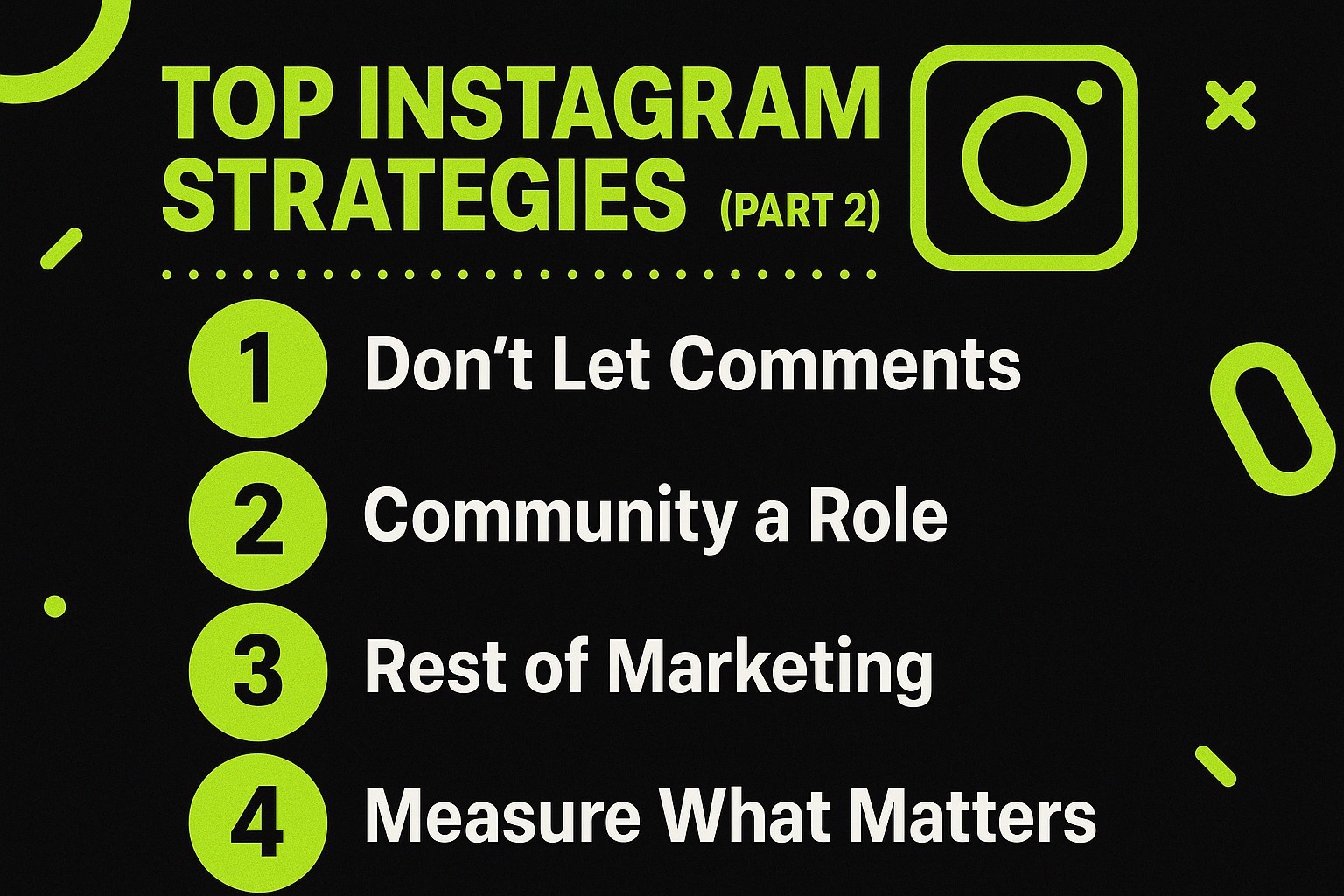
7. Don’t Let Comments and DMs Pile Up
People don’t always want to fill out a contact form or wait for a newsletter. They’ll ask you questions right in the comments or DMs, and how you respond says a lot about your brand.
Instagram is more than just a content channel. It’s also a customer service tool.
Here’s how to handle Instagram messages and comments in a way that actually builds connection: respond quickly when someone shows interest or asks a question – saved replies can speed things up without making it feel robotic.
Don’t ignore short comments either. A simple “Thanks!” or quick reaction keeps the conversation going and shows you’re paying attention. If you’re dealing with high volume, automation tools can help, but the tone should still feel human.
The goal is to keep the momentum going without making it feel transactional.
8. Give Your Community a Role
Some of the most effective Instagram accounts aren’t just broadcasting – they’re co-creating with their audience. That’s where user-generated content (UGC) comes in.
Encourage followers to share their experience with your product, tag you, or use a branded hashtag. Repost their content (with credit), highlight them in Stories, or build a whole campaign around their input.
Why it works:
- Builds social proof without you saying a word.
- Strengthens community and loyalty.
- Creates a steady stream of authentic content.
Just make sure it’s a two-way street. If someone takes the time to tag you, don’t ignore it. That kind of feedback loop builds long-term trust.
9. Make Instagram Work With the Rest of Your Marketing
Instagram works best when it’s not doing all the heavy lifting alone. Link it to the other parts of your strategy – your website, email funnel, content hub, or ad campaigns.
A few ways to connect the dots:
- Share newsletter signups via Stories and Highlights.
- Link blog content with “read more” CTAs.
- Repurpose podcast or webinar clips as Reels.
- Turn long-form posts into Story series.
- Retarget Instagram engagers with paid ads.
The platform is powerful, but it’s not where most transactions happen. Think of it as the top of the funnel and keep building pathways to your owned assets.
10. Measure What Actually Matters
Vanity metrics look good, but they don’t always move the needle. Don’t just chase likes or follower counts. Focus on what actually supports your business.
Track things like saves, shares, story completion rates, click-throughs from your bio link or stickers, leads, or sales tied to content.
Review monthly, not daily. Patterns matter more than one-off spikes. And if something isn’t working, tweak one variable at a time so you know what caused the change.
The Wrap-Up: It’s Not About Luck, It’s About Showing Up
You don’t need to post daily. You don’t need to follow every trend. What you do need is a clear purpose, a plan, and a willingness to show up consistently.
If you focus on the basics – understanding your audience, showing up with value, and keeping the experience human – you’ll start to see real traction. Instagram isn’t a silver bullet, but it’s still one of the best platforms out there to build awareness and move people from interest to action.
Stick with it. Adapt when needed. And remember: the goal isn’t to go viral. It’s to stay visible, trustworthy, and relevant.