


Quick Summary: Increasing SEO traffic requires a multi-pronged approach combining technical optimization, high-quality content creation, and strategic promotion. According to Google’s official documentation, creating helpful, people-first content while following search essentials forms the foundation, but sustainable growth also demands proper site architecture, backlink acquisition, and consistent content updates. Most sites can expect measurable traffic improvements within several months when implementing comprehensive SEO strategies, though timelines vary based on competition level and current site authority.
Getting more people to visit a website through search engines isn’t about gaming the system anymore. Google’s ranking algorithms have evolved to reward sites that genuinely help users, not those trying clever tricks.
But here’s the thing—understanding what Google wants and actually implementing effective strategies are two different challenges. Sites compete for visibility in an increasingly crowded digital space where simply having good content isn’t enough.
This guide breaks down exactly how to increase search traffic using methods that align with how search engines actually work in 2026. No gimmicks. No outdated hacks. Just strategies backed by Google’s own documentation and proven results.
Understanding SEO Traffic Fundamentals
SEO traffic represents visitors who find a website through organic search results rather than paid advertisements. When someone types a query into Google or Bing and clicks a result, that visit counts as organic traffic.
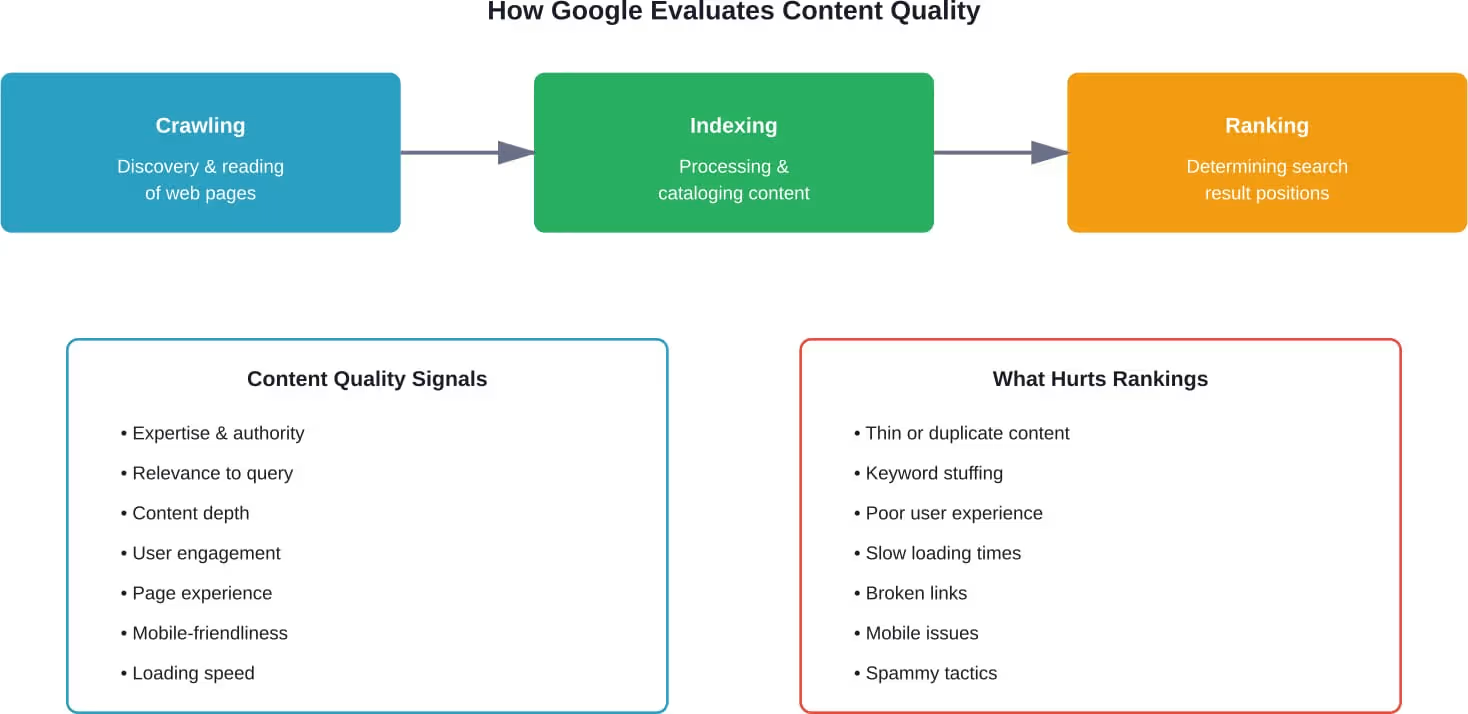
According to Google’s Search Central documentation, automated ranking systems prioritize helpful, reliable information created to benefit people. This means search engines evaluate content quality, relevance, and trustworthiness before deciding which pages deserve top positions.
The process works in stages. First, Google discovers pages through crawling—following links across the web and reading content. Next comes indexing, where search engines process and catalog information. Finally, ranking algorithms determine which indexed pages appear for specific queries.
Real talk: getting indexed doesn’t guarantee traffic. Millions of pages sit in Google’s index but never receive meaningful visits because they don’t rank well enough to appear on the first search results page.
Why Traditional SEO Advice Falls Short
Many older SEO guides focus heavily on keyword density, meta tags, and technical tweaks while glossing over content quality. That approach worked a decade ago but delivers diminishing returns now.
Google’s systems have become sophisticated enough to understand context, user intent, and content depth. Simply stuffing keywords into paragraphs won’t fool modern algorithms. The search engine evaluates hundreds of signals to determine whether content truly answers what people are searching for.
Increase SEO Traffic With a Scalable Strategy
Growing SEO traffic requires a combination of technical improvements, content strategy, and continuous optimization.
LENGREO builds end to end SEO systems designed to scale traffic and improve performance over time.
- keyword research and content planning
- technical SEO optimization
- ongoing growth and scaling
If you want to grow your organic traffic consistently, get a free consultation with LENGREO.
Strategy 1: Create People-First Content
Google’s documentation explicitly states that ranking systems prioritize content created to benefit people rather than manipulate search rankings. This philosophy shift has massive implications for content strategy.
People-first content directly addresses what searchers want to know. It answers questions thoroughly, provides actionable information, and demonstrates genuine expertise. Search engines can detect when content exists solely to rank rather than to help.
Testing this principle means asking whether content would still be valuable if search engines didn’t exist. Would someone reading the article gain useful knowledge or find solutions to their problems? If the honest answer is no, the content needs reworking.
Implementing Content Depth
Comprehensive coverage matters more than word count alone. A 1,000-word article that thoroughly addresses a specific question often outperforms a 3,000-word piece that rambles without focus.
Look at what currently ranks for target keywords. What topics do those pages cover? What questions do they answer? Creating content that goes deeper or provides clearer explanations gives search engines reason to rank new material higher.
Strategy 2: Target Long-Tail Keywords
Long-tail keywords represent longer, more specific search phrases that typically have lower search volume but higher conversion potential. Instead of targeting “SEO” (extremely competitive), focusing on “how to improve local SEO for restaurants” narrows the competition significantly.
These specific phrases often indicate stronger search intent. Someone searching “SEO” might just be browsing, but someone searching “how to fix crawl errors in Google Search Console” likely needs immediate help with a specific problem.
Long-tail keyword strategy also aligns with voice search growth. The global market for speech and voice recognition is projected to grow from $17 billion in 2023 to around $83 billion by 2032. People use more conversational language when speaking to voice assistants, creating opportunities for content that matches natural speech patterns.
Strategy 3: Optimize Technical SEO Elements
Technical SEO ensures search engines can efficiently crawl, index, and understand site content. Google’s SEO Starter Guide emphasizes making sites accessible to search engine crawlers as a foundational requirement.
Core technical elements include proper site structure, clean URLs, XML sitemaps, robots.txt configuration, and mobile responsiveness. Sites with technical issues face uphill battles regardless of content quality.
| Technical Element | Impact on SEO | Priority Level |
|---|---|---|
| Mobile responsiveness | Required for mobile-first indexing | Critical |
| Page load speed | Affects rankings and user experience | High |
| XML sitemap | Helps discovery of pages | High |
| HTTPS security | Ranking signal and trust factor | High |
| Structured data | Enables rich results | Medium |
| Canonical tags | Prevents duplicate content issues | Medium |
Core Web Vitals Matter
Google’s Core Web Vitals measure real-world user experience across loading performance, interactivity, and visual stability. According to Google Search Central, achieving good Core Web Vitals helps with search success and ensures better user experience.
The three Core Web Vitals metrics are Largest Contentful Paint (LCP), Interaction to Next Paint (INP), and Cumulative Layout Shift (CLS). Sites meeting recommended thresholds for all three metrics typically see better rankings than technically slower competitors.
Strategy 4: Build Quality Backlinks
Backlinks from other websites remain among the strongest ranking signals. When reputable sites link to content, search engines interpret this as a vote of confidence in that content’s quality and relevance.
But here’s what changed: link quantity matters far less than link quality now. Ten links from authoritative industry sites carry more weight than hundreds of links from low-quality directories or spam sites.
Earning quality backlinks requires creating content worth linking to—original research, comprehensive guides, unique data, or genuinely helpful resources that others naturally want to reference.
Practical Link Building Approaches
Guest posting on relevant industry sites provides backlink opportunities while demonstrating expertise. Creating visual content like infographics or data visualizations increases link potential since other sites often embed and credit visual content.
Broken link building involves finding broken links on other sites and suggesting content as a replacement. Digital PR tactics that earn media mentions also generate high-authority backlinks from news sites.
Strategy 5: Update Content Regularly
Fresh, updated content signals to search engines that a site remains actively maintained and relevant. According to guidance for improving site rankings, updating content regularly helps maintain and improve positions.
This doesn’t mean changing dates without substantive updates. Search engines detect when only publication dates change without content improvements. Meaningful updates add new information, refresh outdated data, improve clarity, or expand coverage.
Setting a content audit schedule helps identify which pages need updates. Pages ranking on the second or third search results page often need only minor improvements to break into top positions.
Strategy 6: Improve Page Experience
Google’s page experience signals encompass mobile-friendliness, safe browsing, HTTPS security, and intrusive interstitial guidelines. According to Google’s documentation on understanding page experience in search results, ranking systems reward content that provides good page experience.
Pages that load quickly, work well on mobile devices, and don’t assault visitors with pop-ups create better experiences that translate to better rankings. Site owners should evaluate page experience holistically across multiple factors rather than focusing on just one or two elements.
Strategy 7: Use Google Search Console Data
Google Search Console provides direct insights into how a site performs in search results. The performance report shows which queries drive traffic, which pages rank, and where opportunities exist.
Pages appearing in positions 5-15 for relevant queries represent low-hanging fruit. Small improvements often push these pages into top positions where they capture significantly more clicks. Search Console data reveals exactly which pages need attention.
The URL Inspection Tool helps diagnose indexing issues for specific pages. When pages aren’t appearing in search results, this tool explains why—whether due to robots.txt blocks, noindex tags, or other technical barriers.
Strategy 8: Optimize for Featured Snippets
Featured snippets appear at the top of search results, above traditional organic listings. Earning snippet positions drives substantial traffic increases since these boxes command prime visibility.
Structured content formatting improves snippet potential. Using clear headers, numbered lists, tables, and concise definitions helps search engines extract snippet-worthy content. Directly answering common questions in 40-60 words increases snippet likelihood.
Strategy 9: Improve Internal Linking
Internal links help search engines discover pages, understand site structure, and distribute ranking authority throughout a site. Google’s documentation notes that making links crawlable helps search engines find other pages via the links on existing pages.
Strategic internal linking passes authority from strong pages to newer or less-visible content. Every page should be reachable through internal navigation within 3-4 clicks from the homepage.
Descriptive anchor text in internal links provides context to search engines about linked content. Instead of generic “click here” links, specific phrases like “technical SEO audit checklist” tell search engines what the destination page covers.
Strategy 10: Create Topic Clusters
Topic cluster strategy organizes content around core themes with a comprehensive pillar page linking to related subtopic pages. This structure signals topical authority to search engines while creating logical navigation for visitors.
A pillar page on “content marketing” might link to cluster pages covering “blog writing best practices,” “video content strategy,” and “email newsletter tips.” Each cluster page links back to the pillar, creating a strong internal linking structure.
Strategy 11: Leverage Local SEO Opportunities
For businesses serving specific geographic areas, local SEO strategies capture high-intent search traffic. According to Google’s guidance on improving local ranking, customers searching for businesses or places near their location find local results on Google Maps and Search.
Google Business Profile optimization remains critical for local visibility. Complete profiles with accurate information, regular posts, customer reviews, and photos improve local rankings significantly.
| Local SEO Factor | Implementation | Impact |
|---|---|---|
| Google Business Profile | Complete and verify listing | Appears in local pack results |
| Local citations | Consistent NAP across directories | Builds location authority |
| Local content | City/region-specific pages | Ranks for geo-targeted queries |
| Customer reviews | Encourage and respond to reviews | Influences local rankings |
| Location schema | Add LocalBusiness structured data | Enhances local search features |
Strategy 12: Optimize for Multiple Search Intents
Search intent represents what users actually want when entering queries. The same keyword can reflect different intents—informational (learning), navigational (finding a specific site), transactional (making a purchase), or commercial investigation (comparing options).
Understanding intent behind target keywords shapes content approach. Someone searching “best running shoes” wants product comparisons and buying guidance, not a history of footwear manufacturing.
Analyzing current top-ranking pages reveals what search engines believe matches user intent for specific queries. Content that better satisfies that intent has better ranking potential.
Strategy 13: Implement Structured Data
Structured data markup helps search engines understand content context and enables rich results features. Adding schema markup for reviews, recipes, events, products, and FAQs can trigger enhanced search result displays.
Rich results attract more clicks than standard listings because they provide additional visual information and take up more space on search results pages. FAQ schema, for example, displays question-and-answer pairs directly in search results.
Strategy 14: Monitor Competitors and Industry Trends
Understanding what competitors rank for reveals keyword opportunities and content gaps. Tools that analyze competitor rankings show which topics drive their traffic and where overlap exists.
But don’t just copy competitor content. The goal is identifying topics worth covering and then creating superior content that provides more value, better organization, or unique perspectives.
Industry trend monitoring helps create timely content that captures emerging search interest before competition intensifies. Being early to cover trending topics provides first-mover advantages.
Strategy 15: Promote Content Strategically
According to Google’s SEO Starter Guide, telling people about a site and being active in communities helps like-minded people discover content. While not a direct ranking factor, promotion drives initial traffic that can lead to natural backlinks and social signals.
Social media distribution extends content reach beyond organic search. Email newsletters maintain direct communication channels with audiences. Industry forums and communities provide opportunities to share expertise and drive targeted traffic.
Building Sustainable Promotion Strategies
Rather than one-time promotion bursts, sustainable strategies build ongoing traffic sources. Regular social media activity, email list cultivation, and community engagement create compound traffic growth over time.
Partnerships with complementary businesses or influencers introduce content to new audiences. Podcast interviews, webinar appearances, and collaborative content projects all generate exposure that translates to traffic and backlinks.
Measuring and Analyzing SEO Traffic Results
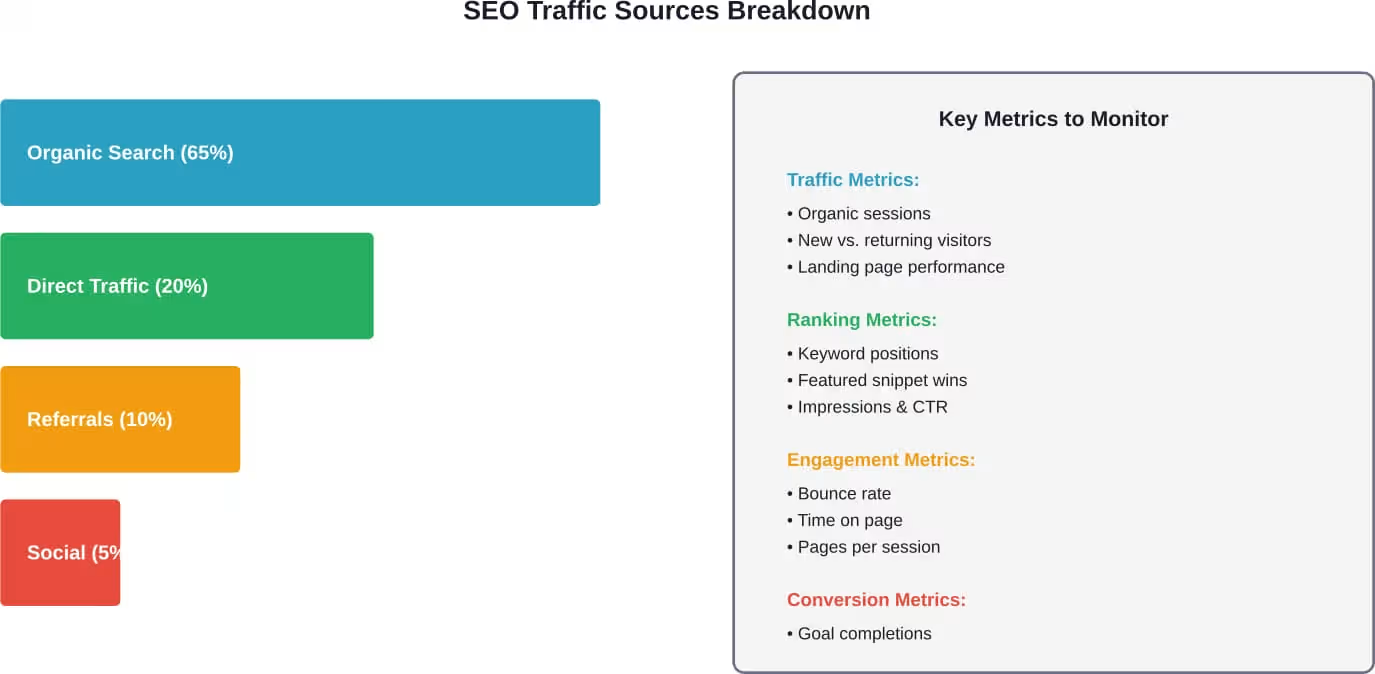
Tracking progress requires monitoring specific metrics beyond vanity numbers. Organic traffic growth matters, but so do rankings for target keywords, conversion rates from organic visitors, and engagement metrics like time on page and bounce rate.
Google Search Console and Google Analytics provide complementary data. Search Console shows search performance metrics—impressions, clicks, positions, and click-through rates. Analytics reveals visitor behavior after arriving—pages viewed, time spent, conversions completed.
Setting baseline measurements before implementing changes allows accurate assessment of strategy effectiveness. Not every change produces immediate results, so tracking trends over weeks and months reveals true impact.
Common SEO Traffic Mistakes to Avoid
Many sites sabotage their own SEO efforts through preventable mistakes. Targeting overly competitive keywords wastes resources that could go toward winnable opportunities. Neglecting mobile optimization alienates the majority of searchers who use smartphones.
Ignoring user intent creates content mismatch where pages target the right keywords but provide the wrong information. Pursuing low-quality backlinks triggers spam penalties rather than boosting rankings.
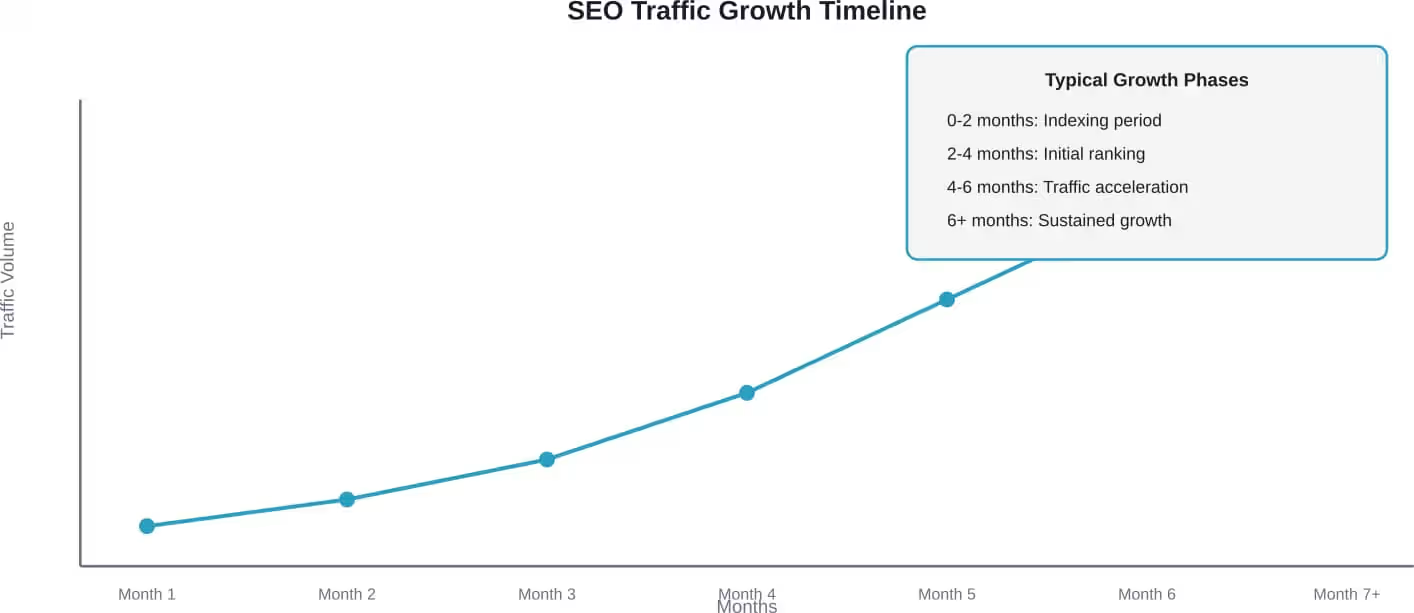
Expecting overnight results leads to premature strategy abandonment. SEO typically requires several months before significant traffic increases become visible. Patience and consistent execution matter more than quick fixes.
Conclusion
Increasing SEO traffic requires balancing multiple strategies—technical optimization, content excellence, and strategic promotion. No single tactic guarantees results, but combining approaches creates sustainable growth momentum.
Google’s own documentation emphasizes creating helpful, people-first content as the foundation. Technical elements like mobile responsiveness and page speed ensure search engines can properly access and evaluate content. Quality backlinks signal authority and relevance to ranking algorithms.
The websites that succeed long-term view SEO as ongoing investment rather than one-time project. Markets shift. Algorithms evolve. Competitors adapt. Continuous improvement and monitoring keep sites competitive in search results.
Start by auditing current performance through Google Search Console. Identify quick wins—pages ranking in positions 5-15 that need minor improvements. Build comprehensive content around topics where expertise exists. Fix technical issues blocking crawlers or hurting user experience.
Most importantly, remember that search engines ultimately serve users. Content that genuinely helps people find answers, solve problems, or make decisions will always have ranking potential regardless of algorithm changes. Focus on creating that value, and traffic growth follows naturally.