


Getting to the top of Google is less about clever tricks and more about doing the fundamentals well, consistently. Most ranking drops happen not because a site missed a secret tactic, but because it drifted away from what users actually need or what search engines can clearly understand.
In this guide, we will walk through SEO principles that still matter today and are unlikely to break with the next update. These ideas are practical, grounded, and designed to help your site grow visibility without chasing short-term wins or empty promises.
Why SEO Principles Still Matter
It’s tempting to chase new tactics, but without solid SEO principles, most of them don’t hold up. The basics are what everything else is built on. When your foundation is clear, meaning your content is aligned with intent, your site is technically sound, and your structure makes sense, everything else becomes easier to improve.
SEO principles bring focus. Instead of reacting to every algorithm change, you start making decisions based on what actually works long-term. They also keep you from falling into bad habits like keyword stuffing, chasing low-quality backlinks, or creating content that no one really wants to read. If you’re aiming for visibility that lasts, this is where it starts.
How We Apply Reliable SEO Practices at Lengreo
At Lengreo, we don’t just talk about SEO principles – we build our strategies around them. Everything starts with aligning content to user intent and business goals. Whether we’re working with a software company or a biotech startup, we begin by understanding what their audience is actually searching for and how Google interprets those signals. From there, we build targeted keyword strategies, structure content to support discoverability, and focus on creating clarity for both users and search engines.
Our approach is deeply rooted in technical precision too. We run full-scale audits to identify crawl issues, speed problems, and structural gaps, making sure nothing stands in the way of a site being properly indexed and ranked. But we don’t stop at traffic. We map SEO work to real outcomes like qualified leads and conversion rates.
We treat SEO as part of a broader system, not a silo. It connects directly to our lead generation, content marketing, and paid strategies. When all those moving parts follow the same core principles, results scale with them.
The Principles That Set Strong SEO Apart
Strong SEO isn’t about chasing trends or checking boxes. It’s about following principles that consistently lead to better visibility, better engagement, and better long-term growth. The best-performing sites aren’t doing one thing right – they’re getting the fundamentals right across the board. Here are the most common and proven practices to follow.
Start with Search Intent, Not Just Keywords
It’s tempting to chase keywords just because they have search volume. But rankings don’t mean much if your content doesn’t match what users are really looking for. That’s where search intent comes in.
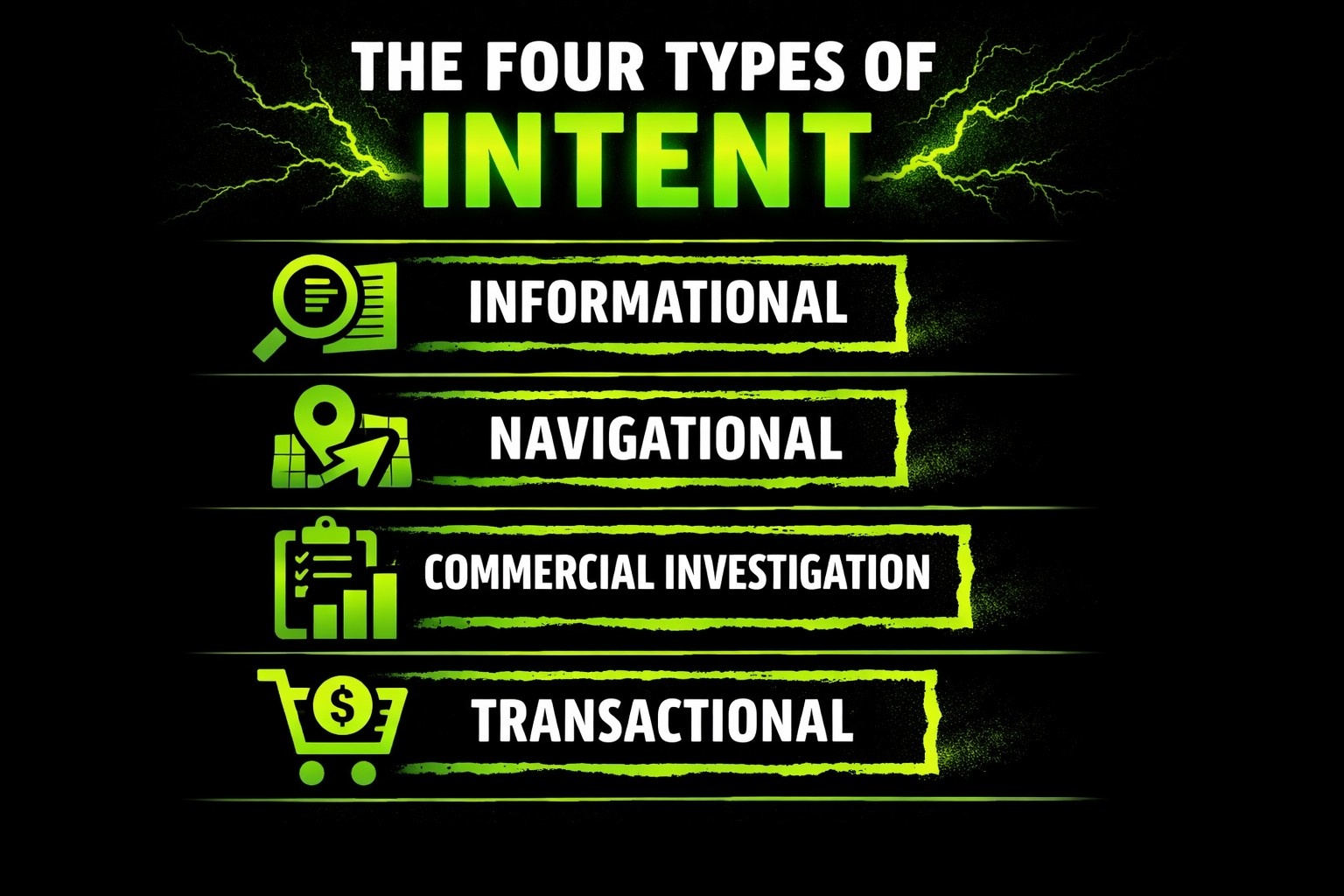
There are four primary types of intent:
- Informational: “How to clean solar panels”.
- Navigational: “LinkedIn login”.
- Commercial investigation: “Best laptops under $1000”.
- Transactional: “Buy running shoes online”.
Google has gotten very good at detecting intent behind a query. Your job is to recognize it too and match your content accordingly. An in-depth guide works well for informational queries. A product page is better for transactional ones.
Before creating a page, look at the top results for your target keyword. What’s already ranking? Blog posts? Product pages? Videos? That’s your benchmark.
One Topic Per Page: Keep It Clean and Clear
Trying to rank a single page for 10 different topics is a great way to rank for none of them. Instead, structure your site so each page focuses on one clear topic and one group of closely related keywords.
This is where keyword clustering comes in. You group similar keywords by shared intent and build one strong page around each cluster. For example:
Here’s how that looks in practice.
If you’re targeting keywords like “how to optimize PPC,” “benefits of PPC,” and “PPC bidding strategies,” you don’t want to lump them all onto one page. Instead, break them into focused topics. One page can cover practical optimization and bidding tactics, while another dives into the broader value and advantages of PPC. This way, each page aligns with a single intent and serves it fully, which gives both users and search engines a clearer experience.
This approach helps you avoid cannibalizing your own rankings and makes it easier for Google to understand what your page is about.
Write Like a Human, But Structure Like a Pro
Google doesn’t reward content that’s just long. It rewards content that helps people find answers quickly.
Here’s what helps:
- Clear, logical structure with subheadings.
- Short paragraphs that don’t overload the eye.
- Bullet points and bolded key terms.
- Internal links to related content.
Write with empathy, not keyword density. Ask yourself: “Would someone actually enjoy reading this?” or “Does this explain something better than what’s already out there?”
Good content balances depth with clarity. Don’t write a novel if a two-minute read solves the problem better.
Nail the Technical Foundations (Even If You Hate That Stuff)
Technical SEO doesn’t have to be scary. You don’t need to become a developer, but you do need to get the basics right.
Here’s what matters most:
- Site speed: Google prioritizes pages that load fast, especially on mobile. Compress images, use caching, and test your site with PageSpeed Insights.
- Mobile-first design: Your mobile version is what Google indexes first. Make sure it’s functional and complete.
- Crawlability: Ensure your robots.txt isn’t blocking key pages. Submit and update your sitemap.
- HTTPS: Secure sites are table stakes now. If you haven’t already moved to HTTPS, do it.
Small technical problems can create big ranking issues. Fixing them clears the way for your content to perform.
H1s, Titles, and Meta Descriptions Still Matter
Google may be smarter now, but your page’s titles and descriptions still do a lot of heavy lifting. They guide users to click and help search engines understand your content’s purpose.
A few quick wins include these ones.
Use your main keyword in your title, ideally toward the beginning. Keep titles under 60 characters. Write meta descriptions that feel like a mini pitch, not just a sentence from the intro. Stick to one H1 per page, and make sure it reflects the page topic.
Title tags help search engines understand page relevance, while meta descriptions do not affect rankings directly but influence click-through rates in search results.
Internal Links Aren’t Optional
Think of internal linking as building roads across your website. Without them, Google has to wander around aimlessly, hoping it finds the right path.
To make internal linking actually work, start by connecting your high-traffic pages to ones that could use a little more visibility. That flow of authority can give newer or underperforming content a real boost.
As you add links, pay attention to the anchor text – use wording that clearly tells both users and search engines what the linked page is about. And most importantly, only link when it makes sense. A relevant, natural connection between pages is always more effective than forcing a link just to tick a box.
You don’t need dozens of links per page. Even 2-5 well-placed internal links can improve discoverability and rankings.
E-E-A-T Isn’t Just a Trend
E-E-A-T is not a direct ranking factor, but it reflects how Google evaluates content quality, especially for topics that affect users’ health, finances, or safety.
Here’s how to show that your content deserves trust:
- Add clear author bylines with credentials or experience.
- Link to reputable sources.
- Share personal insights or case studies where relevant.
- Keep your content updated, especially stats or advice.
For YMYL (Your Money or Your Life) topics, these signals are essential. But even in less sensitive industries, they help build confidence and reduce bounce.
Link Building: Focus on Value, Not Just Volume
Backlinks still matter, but the old “more is better” mindset can backfire. One good backlink from a relevant, trusted source beats 50 spammy ones.
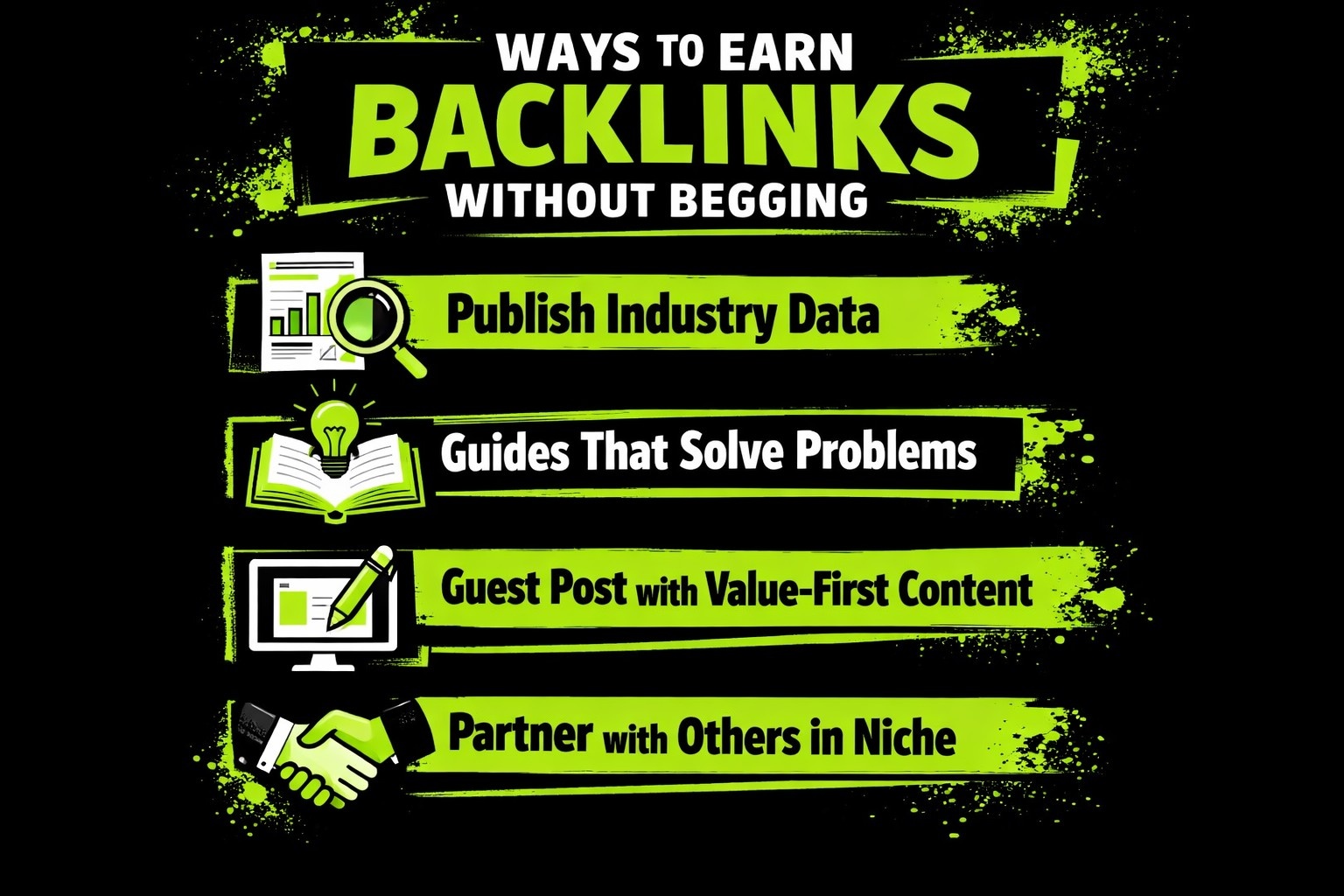
Ways to earn backlinks without begging:
- Publish industry data or original research.
- Create guides that solve real problems.
- Guest post with value-first content.
- Partner with others in your niche for mutual promotion.
Also, keep an eye on your backlink profile. Tools like Ahrefs or Semrush can help you spot toxic links and track the good ones.
Content Without Performance Tracking Is Guesswork
If you’re not checking how your pages perform, you’re basically flying blind. Google Search Console is your free dashboard for visibility.
You should regularly check which pages are gaining or losing clicks, keywords you’re ranking for (intentionally or accidentally), pages that Google can’t crawl or index, and mobile usability issues.
From there, adjust your strategy. Maybe a post is ranking for something you didn’t expect. That might be a clue to create spin-off content or tweak the page.
Stay Flexible as Google Evolves
Google’s algorithm is constantly changing. If you build your strategy only around what works today, you’ll get caught off guard when the rules shift.
What helps you stay ahead:
- Follow Google Search Central updates.
- Track traffic dips and gains with a critical eye.
- Prioritize long-term quality over short-term tricks.
Google wants to reward the best result, not the best-optimized trick. If your site focuses on solving real problems, staying relevant becomes easier.
Final Thoughts
Good SEO isn’t one big breakthrough. It’s a series of thoughtful decisions and consistent habits. The sites that rank well long-term usually aren’t the ones that found a secret trick. They’re the ones that made the right moves and kept showing up.
If you focus on what users need, make it easy for Google to understand your site, and keep your content helpful and fresh, rankings tend to follow.
It’s not always exciting. But it works.