


Content marketing is one of those things everyone talks about, but not everyone truly knows how to approach. You can post endlessly, experiment with formats, try to follow whatever trend pops up next, and still feel like nothing is moving forward. The truth is simpler. Good content starts with understanding people, not platforms, and choosing strategies that fit how they search, learn, and make decisions.
In this guide, we’ll break down the strategies that genuinely help you get noticed, build trust, and keep your audience coming back. No fancy jargon. No dramatic promises. Just a calm, practical look at what actually works today.
Before we dive deeper into the strategies themselves, it makes sense to show how these ideas work in practice. One of the clearest examples comes from our own approach at Lengreo, where content is treated as a central part of long term growth rather than a collection of scattered posts. This mindset shapes everything we do, and it’s a good starting point for understanding how an effective content system is built.
How We Approach Content Marketing at Lengreo
At Lengreo we treat content marketing as something much larger than publishing quick posts or chasing temporary traffic spikes. For us, content works only when it supports the entire growth engine. That means every article, landing page, outreach sequence, and campaign has a clear role in moving people from curiosity to confidence. We spend a lot of time understanding the real needs behind each audience segment, then shape our messaging and content around those insights. It helps us create material that feels personal, not generic, and drives the kinds of actions that actually matter for a business.
Over the years, we’ve seen that the strongest results come from pairing strategy with execution. We map the funnel, identify opportunities for intent driven content, and combine SEO, lead generation, and paid channels so everything works together instead of in separate silos. This approach lets us build content systems that bring qualified leads on a steady basis. In simple terms, we do not create content for the sake of activity. We create it to help our clients grow, close more deals, and communicate with clarity in a crowded digital world.

What Content Marketing Really Needs to Achieve
A solid content strategy starts well before you draft a headline or choose a format. Content is not just a visibility tool. It guides people from their first moment of curiosity to a point where they feel confident making a choice. When done right, content carries your audience through every stage of that relationship.
Awareness and Discovery
This is where people begin to recognize a problem or explore a topic for the first time. They might not know your brand yet, and that is completely normal. Here, content needs to clear the noise and help them understand what they are dealing with. Simple explanations, introductions, and quick insights shape this stage. You become the first voice that helps them make sense of things.
Consideration and Comparison
As understanding grows, people begin to compare their options. They look for depth, examples, and clarity. They are not ready for a sales pitch, but they do want guidance that helps them weigh their choices. Your job at this stage is to support that thinking process and give them a structured way to evaluate solutions.
Action and Decision Making
When someone is close to a decision, uncertainty becomes their biggest obstacle. They want proof, not pressure. Case studies, pricing explanations, demos, and transparent next steps help them feel confident. Content here removes doubt and shows what working with you practically looks like.
A complete content strategy supports all three stages without pushing too hard or leaving gaps.
Understanding Your Audience Before Creating Anything
Content that is built on assumptions rarely performs well. To create something truly useful, you need to understand who you are talking to and what shapes their decisions. This influences your tone, your topics, your platform choices, and even the way you structure your messages.
Looking Beyond Basic Demographics
Age and location help, but they do not explain much on their own. What truly matters is understanding:
- what motivates your audience
- what slows them down
- which channels they trust
- how they prefer to learn and process information
These insights bring your content closer to the real person behind the screen.
Observing Real Behavior
People often say one thing but do another. Behavior is a more reliable indicator. Analytics can show:
- the platforms they use most
- which topics hold their attention
- how they move through your website
- where they hesitate or leave
These signals help you refine your content approach with accuracy, not guesswork.
Finding the Problems They Care About Most
People are rarely searching for your brand directly. They search for the frustration or situation surrounding it. When your content connects with those early needs, you earn their attention before the buying conversation begins.
Mapping Content to the Buying Journey
People make decisions in steps, not leaps. Matching your content to how they think at each stage helps them move forward naturally.
Top of the Funnel: Curiosity
At this stage, your audience wants simple, helpful information. They are exploring, not committing.
Useful formats include:
- blog posts
- guides
- short videos
- infographics
These pieces introduce ideas and give people a reason to stay engaged.
Middle of the Funnel: Clarity
Now your audience is sorting through real options and wants structured information.
Effective formats include:
- comparison guides
- webinars
- product overviews
- frameworks
Here, you help them understand what matters and how to evaluate choices.
Bottom of the Funnel: Confidence
This is where doubt has to be removed with proof and detail.
Formats that help:
- case studies
- personalized demos
- landing pages
- email sequences
Your content here answers the final questions and reassures the buyer.

Choosing Content Types That Fit Your Goals
There is no single format that wins content marketing. The best mix depends on your audience and the role content plays inside your business.
Blog Content for Visibility and Trust
Blogs meet search demand, support long term SEO, and help you build authority. They also work well as educational pieces that shape understanding over time.
Video for Storytelling and Engagement
Video gives you space to show personality and explain ideas quickly. It is especially strong for product walk throughs, interviews, or visual explanations.
Podcasts for Depth and Connection
Audio allows people to learn on the go. It works well for deeper discussions or interviews with industry experts.
Social Content for Reach and Interaction
Short and contextual posts help keep your brand active. They also open conversations with your audience in a more informal way.
Interactive Content for Personalization
Quizzes, calculators, and assessment tools invite participation and reveal intent. These formats help you understand your audience on a more detailed level.
Understanding Search Intent
Before choosing topics, it helps to understand what people actually want when they land on a piece of content. Some arrive looking for a quick explanation, others compare options, and a few are trying to fix a problem immediately. When your content aligns with that intention, the experience feels smooth, not forced. When it doesn’t, users move on in seconds.
Common Intent Types
- seeking an explanation
- comparing available options
- reviewing experiences
- solving a specific challenge
Matching content to intent is one of the biggest differences between average strategies and those that actually work.
Gathering Ideas From Multiple Sources
Strong topics rarely come from guesswork. They appear when you pay attention to what your audience is already talking about. Sometimes it’s a debate happening in a community forum. Other times it’s a recurring request in customer support or a trend competitors are leaning into. Once you start listening across different places, patterns become clearer.
Where to Look for Inspiration
You can pull ideas from keyword tools, industry newsletters, active social threads, competitor content, or even internal user conversations. When the same themes show up across multiple sources, it usually means the topic matters.
Prioritizing Quality Over Volume
Publishing content just to stay busy usually leads to forgettable work. One in-depth piece that answers a real question tends to outperform dozens of thin posts. High quality material earns trust, ranks longer, and often brings consistent traffic without constant pushing.

Building a Content Calendar That Keeps You Consistent
A content calendar is not about making everything look neat. It’s a way to avoid last minute scrambling and keep the team focused on what actually matters. When you plan your topics ahead of time, every piece feels more intentional.
What a Solid Calendar Includes
- topic and core idea
- funnel stage
- content format
- owner
- deadlines
- CTA
- distribution plan
Even a simple spreadsheet can bring order to the entire workflow.
Why Publishing Consistently Matters
Consistency helps both the audience and search engines understand who you are. People start expecting new material from you, and algorithms reward the steady output. It also prevents the stress of trying to create under pressure.
Helpful Tools
Google Sheets, Notion, Trello, and Asana cover almost everything you need. The tool is not the important part. The habit is.
Creating Content That Feels Personal and Relevant
Most users skip anything that feels generic. Personalization makes content feel like it was created for someone specific rather than everyone at once, and that small shift changes how people interact with it.
Tailoring Based on User Behavior
Simple adjustments can make a big difference. Showing different CTAs depending on which pages someone visited, recommending articles based on past behavior, or highlighting industry specific case studies keeps the experience aligned with their needs.
Using Segmentation for Better Communication
Segmentation helps you send messages that feel precise. Breaking your audience into groups by job role, interests, company size, engagement level, or buying intent makes your content far more relevant.
Adjusting Tone to Each Channel
A LinkedIn post should not sound like a blog article, and a newsletter should not read like a landing page. Each channel has its own rhythm. Adapting your tone makes everything come across more naturally.
Promoting Content in a Natural Way
Publishing is only step one. Without thoughtful promotion, even the strongest content may go unseen. Distribution should feel intentional, not pushy.
Choosing Platforms That Matter
You do not need to be active everywhere. It’s more productive to choose two or three places where your audience already spends time and go deeper instead of wider.
Mixing Organic and Paid Promotion
Organic channels include blog posts, newsletters, and social updates. Paid channels like Google Ads, Meta, or LinkedIn can support them by accelerating reach.
Together, they form a balanced ecosystem that keeps your content visible and working for you.
Collaborating With Others
Guest podcast appearances, partner newsletters, and community collaborations help you tap into audiences you would not reach on your own. These partnerships work especially well for niche industries.
Measuring What Really Matters
It’s easy to drown in numbers, but real progress comes from tracking the right things. You want metrics that show whether your content is actually influencing behavior and improving the buyer journey.
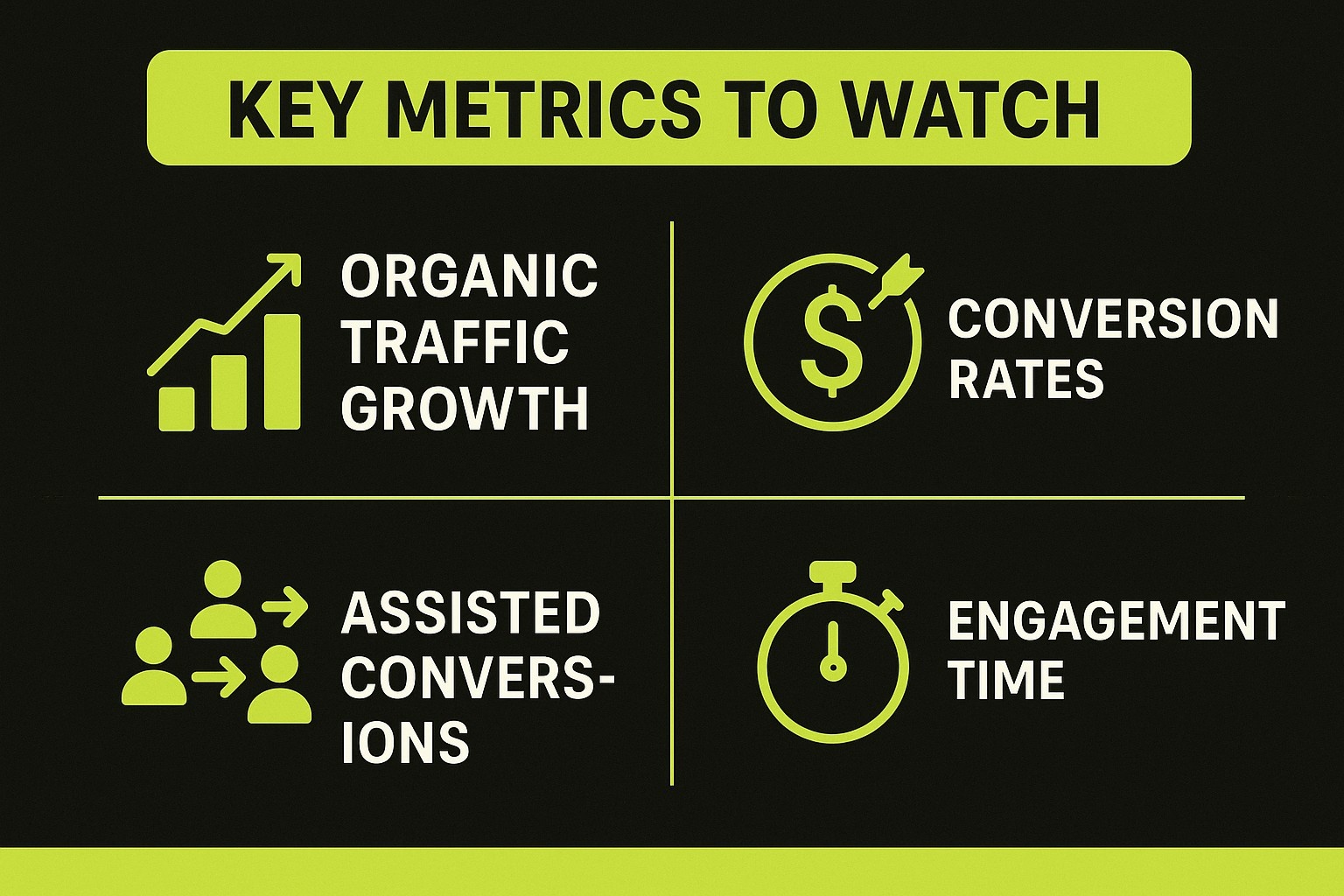
Key Metrics to Watch
- organic traffic growth
- conversion rates
- assisted conversions
- engagement time
- scroll depth
- email signups
- lead quality
These metrics focus on impact, not vanity.
Using Attribution Wisely
Content rarely works alone. A top of funnel post may spark curiosity, while a middle of funnel guide builds trust, and a bottom of funnel page drives action. Attribution helps you connect these dots instead of judging content in isolation.
Refining the Strategy Over Time
Good content strategies evolve. You drop what isn’t working, strengthen what does, and adapt as your audience and industry shift. The goal is progress, not perfection.
Conclusion
Content marketing works best when it feels less like a performance and more like a genuine effort to help people understand something, solve a problem, or make a better decision. The strategies we covered all come back to the same idea: clarity wins. When you know who you’re speaking to, what they need, and how your content supports their next step, everything becomes easier to measure, improve, and scale. There’s no perfect formula, because every audience behaves a little differently, but a consistent, thoughtful approach always pays off over time. Keep testing, keep listening, and let your content grow with the people you want to reach.