


Quick Summary: Shipping companies can boost growth through targeted digital marketing, strategic partnerships, and customer-centric campaigns. Effective tactics include optimizing social media presence, leveraging industry data for personalized outreach, and building referral programs. Combining these approaches with clear brand positioning helps shipping businesses stand out in a competitive logistics landscape.
Shipping companies face fierce competition in an industry that’s rapidly evolving. Traditional B2B sales methods aren’t enough anymore. Digital channels dominate consumer behavior—U.S. e-commerce reached $1.4 trillion in 2024, and delivery expectations have never been higher.
The challenge? Standing out when everyone’s shouting about reliability and speed. The solution lies in marketing strategies that connect with both business clients and end consumers, strategies that highlight what makes your shipping operation different.
Here’s the thing though—marketing for shipping companies isn’t just about running ads or posting on social media. It requires understanding your position in the supply chain, knowing exactly who you serve, and crafting messages that resonate with their pain points.
Understanding Your Market Position
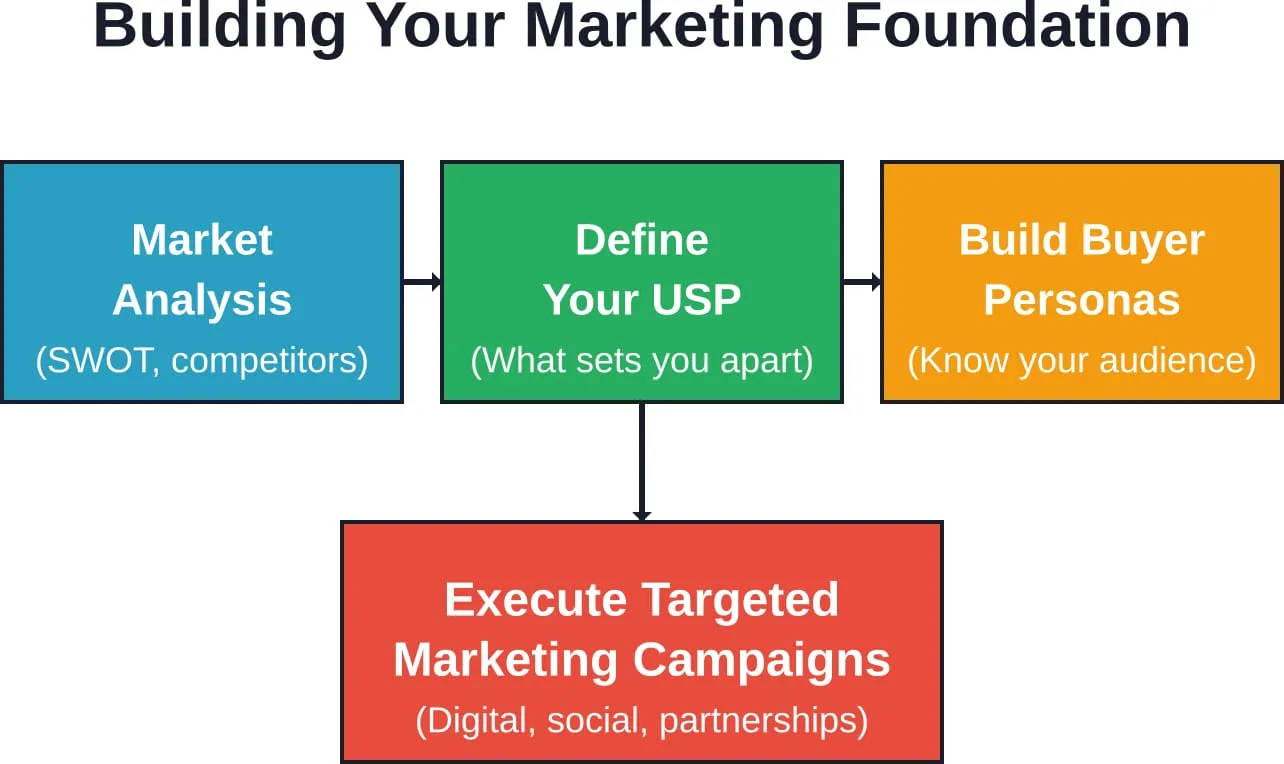
Before launching any campaign, shipping companies need clarity on where they stand. A SWOT analysis—examining strengths, weaknesses, opportunities, and threats—provides that foundation.
Start by identifying core competencies. Maybe you’ve built strong supplier relationships, invested in advanced tracking technology, or developed efficient last-mile delivery processes. These aren’t just operational details; they’re marketing assets.
Consider this: last-mile delivery represents approximately 50% of total shipping costs, yet it’s where customer experience is won or lost. Nearly 40% of consumer packaged goods customers churn due to unmet delivery expectations. If your company excels at this final stage, that’s a powerful differentiator worth promoting.
External opportunities matter too. Over 55% of U.S. consumers now prefer eco-friendly shipping alternatives. If sustainability is part of your operation, that preference represents a significant marketing angle.
Competitor analysis should follow. What messaging are rival companies using? Where are they advertising? More importantly, what gaps exist in their approach that you can fill?
Streamline Shipping Marketing With Lengreo
Shipping companies need marketing that clearly explains services, delivery areas, and contact options. Lengreo connects website development, SEO, paid ads, content, lead generation, appointment setting, and tracking into one practical system.
This makes it easier for customers to find services and for teams to measure which channels generate real inquiries.
Need More Service Inquiries?
Lengreo can help with:
- refining service, route, and contact pages
- setting up SEO and paid traffic campaigns
- tracking calls, forms, and lead sources
- supporting content and lead generation workflows
👉 Contact Lengreo to discuss your marketing setup.
Define Your Unique Selling Proposition
Every shipping company moves cargo from point A to point B. So why should clients choose yours?
Your unique selling proposition (USP) is the answer to that question. It might be specialized handling for fragile goods, guaranteed delivery windows, superior customer service, or technology that provides real-time visibility into shipments.
Real talk: generic statements like “reliable service” or “competitive rates” won’t cut it. Those are table stakes. Your USP needs to address specific client pain points that competitors ignore or handle poorly.
Think about the industries you serve. A shipping company focused on pharmaceutical logistics faces different challenges than one handling construction materials. Tailor your USP to reflect that expertise.
Develop Detailed Buyer Personas
Not all shipping clients are created equal. A manufacturing plant manager has different concerns than an e-commerce entrepreneur scaling their business. Marketing that tries to speak to everyone ends up connecting with no one.
Buyer personas are detailed profiles of your ideal customers. They include demographics, job roles, business challenges, decision-making criteria, and preferred communication channels.
For B2B shipping companies, personas might include:
- Supply chain managers at mid-sized manufacturers concerned about reliability and cost predictability
- E-commerce business owners needing flexible capacity and fast turnaround times
- Import/export coordinators managing international shipments who prioritize customs expertise and documentation accuracy
- Retail distribution managers focused on seasonal volume handling and delivery precision
Each persona requires different messaging. The supply chain manager wants data on on-time delivery rates and cost per shipment. The e-commerce owner cares about integration with their platform and scalability during peak seasons.
Create 3-5 detailed personas and build marketing campaigns specifically targeting each one.
Digital Marketing Strategies That Work
Digital channels have fundamentally changed how businesses find and evaluate shipping partners. Traditional media consumption in Europe dropped by 2.5 hours per week between 2009 and 2015, while digital consumption increased by 6.5 hours. That shift demands a digital-first marketing approach.
Website Optimization
Your website is often the first impression potential clients have of your company. It needs to load quickly, clearly communicate your services, and make it easy for visitors to request quotes or contact your team.
Include detailed service pages that explain what you handle, the regions you cover, and the industries you serve. Case studies showing how you’ve solved client problems build credibility. Testimonials from satisfied customers provide social proof.
Don’t forget mobile optimization. Decision-makers research vendors from their phones during commutes and downtime. A site that’s difficult to navigate on mobile loses those opportunities.
Search Engine Optimization
When businesses search for “freight forwarder for pharmaceutical shipments” or “shipping company with customs brokerage,” you want to appear on the first page of results. SEO makes that happen.
Start with keyword research. What terms do your target personas search for? Build content around those keywords—service pages, blog posts, guides, and FAQs that answer common questions.
Local SEO matters for shipping companies with regional focuses. Claiming and optimizing your Google Business Profile, building citations in business directories, and earning reviews all boost local search visibility.
Content Marketing
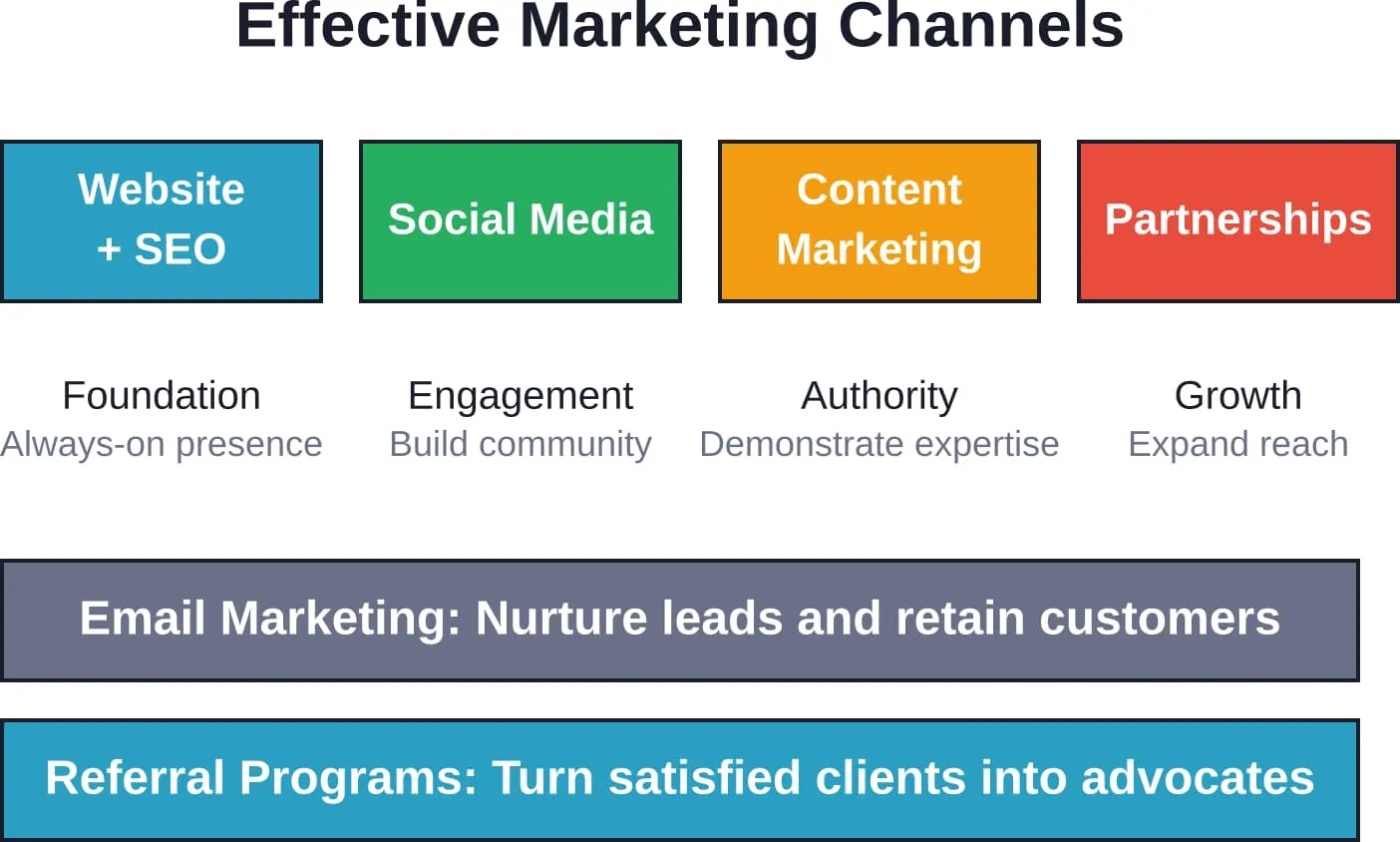
Content marketing positions your company as an industry expert while attracting potential clients through search engines and social media.
Blog posts, whitepapers, and guides that address shipping challenges educate your audience. Topics might include navigating customs regulations, choosing between shipping modes, managing seasonal volume spikes, or reducing damage claims.
The key is providing genuine value rather than thinly veiled sales pitches. Answer the questions your prospects are already asking. When they need a shipping partner, your company will be top of mind.
Social Media Strategies for Shipping Companies
Social media might seem like an odd fit for B2B shipping companies. But it’s where decision-makers spend their time—the average U.S. person spends 60 minutes daily on Facebook, Instagram, and Messenger.
The trick is understanding what content works in a shipping context.
LinkedIn for B2B Connections
LinkedIn is the primary social platform for B2B marketing. Share company updates, industry insights, and thought leadership content. Engage with posts from potential clients and industry partners.
Employee advocacy amplifies your reach. When team members share company content, it reaches their networks—people who might become clients or refer business your way.
LinkedIn groups focused on logistics, supply chain management, and specific industries you serve provide opportunities to participate in discussions and demonstrate expertise.
Visual Content That Engages
Shipping operations are inherently visual. Use that to your advantage. Behind-the-scenes photos of warehouses and loading operations humanize your business. Time-lapse videos of containers being loaded showcase efficiency. Infographics explaining shipping processes educate while entertaining.
Instagram and Facebook work for companies targeting small business owners and entrepreneurs. These audiences respond well to visual storytelling that shows the people and processes behind shipping services.
Content Ideas That Connect
Community discussions suggest several content approaches that resonate with shipping audiences:
- Quick packing tips that help shippers reduce damage and optimize container space
- Updates on port congestion, weather delays, or regulatory changes that affect shipping schedules
- Customer success stories showing how your services solved specific challenges
- Employee spotlights that introduce the people handling shipments
- Industry trend analysis that positions your company as a knowledge leader
Consistency matters more than frequency. Better to post twice a week reliably than daily for a month before going silent.
Building Strategic Partnerships
Partnerships extend your reach without proportional increases in marketing spend. The right alliances put your services in front of audiences that already need what you offer.
- Consider partnering with complementary businesses. E-commerce platform providers, packaging suppliers, customs brokers, and warehouse operators all serve overlapping customer bases. Co-marketing arrangements—joint webinars, shared content, reciprocal referrals—benefit both parties.
- Industry associations provide networking opportunities and credibility. Membership in organizations like freight forwarding networks or logistics councils signals professionalism and connects you with potential clients and partners.
- Technology partnerships are increasingly valuable. Integration with popular shipping platforms, inventory management systems, or e-commerce solutions makes your services easier to use and more attractive to tech-savvy clients.
Referral Programs That Generate Business
Satisfied customers are your best marketing asset. They understand the value you provide and can articulate it to peers facing similar challenges.
Formal referral programs incentivize that word-of-mouth marketing. The structure can be simple: existing clients who refer new business receive discounts on future shipments, account credits, or service upgrades.
The key is making referrals easy. Provide shareable links, referral cards, or email templates that clients can forward to contacts. Track referrals systematically and reward them promptly.
Some companies report that referral programs generate their highest-quality leads. Referred clients come in with built-in trust and realistic expectations, leading to higher conversion rates and better long-term retention.
Email Marketing for Lead Nurturing
Not every prospect is ready to become a client immediately. Email marketing nurtures those relationships over time, keeping your company top of mind until the moment they need shipping services.
- Build your email list through website sign-ups, content downloads, trade show contacts, and quote requests. Segment that list based on industry, company size, shipping needs, and engagement level.
- Send valuable content rather than constant sales pitches. Monthly newsletters with industry updates, quarterly market reports, or guides addressing common shipping challenges all provide value while maintaining contact.
- Automated email sequences work well for specific scenarios. When someone requests a quote but doesn’t convert, a follow-up sequence that addresses common objections and showcases your capabilities can win their business later.
Measuring Marketing Performance
Marketing without measurement is guesswork. Tracking key metrics reveals what’s working and where to adjust.
| Metric | What It Measures | Why It Matters |
|---|---|---|
| Website Traffic | Number of visitors and page views | Indicates overall visibility and interest |
| Conversion Rate | Percentage of visitors who request quotes or contact you | Shows how well your site motivates action |
| Cost Per Lead | Marketing spend divided by number of leads generated | Reveals efficiency of marketing investment |
| Customer Acquisition Cost | Total marketing and sales costs to win a new client | Determines profitability of growth efforts |
| Customer Lifetime Value | Total revenue a client generates over the relationship | Guides how much to invest in acquisition |
| Email Open Rate | Percentage of recipients who open email campaigns | Indicates relevance of subject lines and sender reputation |
| Social Media Engagement | Likes, comments, shares, and clicks on social posts | Shows content resonance and audience interest |
Review these metrics monthly at minimum. Look for trends rather than obsessing over week-to-week fluctuations. Marketing impact often takes time to manifest, especially in B2B contexts with longer sales cycles.
Use data to guide decisions. If LinkedIn generates three times more qualified leads than Facebook, shift resources accordingly. If certain content topics drive significantly more engagement, create more content in that vein.
Adapting to Industry Changes
The shipping industry evolves constantly. Regulations change, technology advances, customer expectations shift. Marketing strategies must adapt in parallel.
Stay informed about industry trends. Understanding market dynamics helps craft relevant messaging that resonates with prospects.
According to McKinsey & Company’s 2023 ‘The State of Organizations,’ 40% of people say that having unclear job duties is a significant factor in their company’s organizational inefficiency. For shipping companies, that translates into an opportunity: marketing that emphasizes clear communication, well-defined processes, and accountability resonates with prospects frustrated by disorganization at current providers.
Technology adoption creates marketing opportunities. Companies investing in real-time tracking, automated documentation, or predictive analytics can differentiate themselves through those capabilities. The challenge is communicating technical advantages in terms of business benefits clients care about.
Common Marketing Mistakes to Avoid
Some marketing approaches consistently fail for shipping companies. Avoid these pitfalls:
- Generic messaging. Saying you’re “reliable” and “affordable” is meaningless when every competitor claims the same. Specificity wins—actual on-time delivery percentages, cost comparisons for typical shipments, or case studies with measurable outcomes.
- Neglecting existing clients. Acquisition gets attention, but retention drives profitability. Regular communication with current clients, proactive problem-solving, and genuine appreciation for their business prevent churn and encourage referrals.
- Inconsistent presence. Marketing isn’t a one-time project. Companies that launch ambitious campaigns then go silent for months see minimal results. Consistency—even at reduced intensity—beats sporadic bursts.
- Ignoring mobile users. With nearly 40% of smartphone users now running ad blockers and most business research happening on mobile devices, sites that aren’t mobile-optimized lose opportunities before conversations even start.
- Failing to follow up. Lead generation without systematic follow-up wastes marketing investment. When someone requests a quote or downloads a resource, timely contact is critical. Many shipping deals go to competitors simply because they responded faster.
Practical Next Steps
Marketing transformation doesn’t happen overnight. Start with these concrete actions:
- Audit your current marketing presence. Review your website, social profiles, and any existing campaigns with fresh eyes. What’s working? What’s outdated or ineffective?
- Define 2-3 buyer personas based on your best current clients. What challenges do they face? How did they find you? What convinced them to choose your services?
- Choose one marketing channel to focus on first. It’s better to excel at LinkedIn than to have mediocre presences across five platforms.
- Create a content calendar for the next quarter. Plan posts, blog articles, or emails in advance so execution becomes routine rather than scrambling for ideas.
- Set up measurement systems. Install analytics tracking, create a simple spreadsheet to log leads and their sources, and commit to monthly reviews of the data.
The most successful shipping companies treat marketing as an ongoing strategic function rather than an occasional tactical expense. They understand that visibility, positioning, and relationship-building compound over time.
Conclusion
Marketing for shipping companies isn’t about flashy campaigns or viral content. It’s about clearly communicating value to the right audiences through channels they actually use. It’s about differentiation in a crowded market where many competitors look and sound identical.
The shipping companies that thrive combine strategic clarity with consistent execution. They understand their unique strengths, know exactly who they serve, and craft messages that resonate with those specific audiences. They measure results, learn from data, and adjust approaches based on what works.
Start with the fundamentals: clarify your positioning, define your audience, choose appropriate channels, and create valuable content. Build from there systematically rather than chasing every new marketing trend. The cumulative effect of sustained, focused effort outperforms sporadic bursts of activity every time.
Whether you’re a regional freight forwarder, an international shipping line, or a last-mile delivery specialist, effective marketing amplifies your operational excellence and puts your services in front of the clients who need them most. The question isn’t whether to invest in marketing—it’s how strategically you’ll deploy those resources.