


Quick Summary: Family practice marketing in 2026 requires a strategic mix of local SEO, patient reviews, social media engagement, and community outreach. According to the American Academy of Family Physicians, physicians who invest 15 minutes daily in digital presence-building can attract significant patient followings. The most effective strategies combine online visibility with traditional relationship-building, focusing on trust, accessibility, and consistent patient communication across multiple touchpoints.
Marketing remains uncomfortable for many family physicians. The word itself conjures images of aggressive sales tactics that feel at odds with the healing profession.
But here’s the thing—effective marketing for family practice isn’t about manipulation. It’s about making sure the patients who need care can actually find it.
The landscape has shifted dramatically. Patients now search online before booking appointments, read reviews obsessively, and expect digital-first experiences. Meanwhile, Primary care receives disproportionately low financial support relative to other specialties, according to the American Academy of Family Physicians. This funding gap means family practices operate on tighter margins and must be strategic about growth.
The good news? Small, consistent marketing efforts deliver measurable results. This guide covers what actually works.
Foundation: Building Trust Before Visibility
Every successful family practice marketing strategy starts with trust. Before throwing money at ads, practices need the fundamentals in place.
Patient Reviews: The Modern Referral System
Reviews function as digital word-of-mouth. Most potential patients read them before scheduling. Data from medical practice studies shows that practices with 20+ recent reviews see significantly higher conversion rates.
The key isn’t just collecting reviews—it’s responding to them. Handle negative reviews within 24 hours with a public acknowledgment and private resolution offer. This demonstrates accountability and often converts critics into advocates.
Real talk: asking for reviews feels awkward at first. But a simple request after a positive visit works. Some practices send automated follow-up emails with review links, while others train front-desk staff to mention it during checkout.
| Review Strategy | Time Investment | Impact Level |
|---|---|---|
| Automated email follow-ups | 15 min setup | High |
| Personal requests at checkout | 30 sec per patient | Very high |
| Responding to all reviews | 10 min weekly | Medium-high |
| Review monitoring software | 5 min daily | Medium |
Service Excellence: The Marketing Nobody Sees
Operational improvements drive organic growth more than any campaign. Reducing wait times, improving appointment availability, and enhancing staff communication create natural advocates.
Health systems using the Lean Startup methodology have identified significant improvement opportunities through rapid iteration and data-driven change management according to research cited by the Medical Group Management Association. The result? A 21% volume increase and 19% reduction in net investment per work relative value unit.
Translation: fixing broken processes is marketing. When patients have consistently positive experiences, they tell others.
Lengreo: Boost Your Marketing System
Family practices need marketing that clearly presents services, specialties, and appointment options. Lengreo connects website development, SEO, paid ads, content, lead generation, appointment setting, and tracking into a single practical system.
This ensures patients can easily find information and request appointments while teams can measure which campaigns produce real inquiries.
Need More Patient Inquiries?
Lengreo can help with:
- improving service, specialty, and contact pages
- setting up local SEO and paid traffic campaigns
- tracking calls, forms, and appointment requests
- supporting content and lead generation workflows
👉 Contact Lengreo to discuss your marketing setup.
Local SEO: Being Found When It Matters
Most family practice patients search locally. Ranking in the “map pack”—those three listings at the top of Google—can make or break patient acquisition.
Google Business Profile Optimization
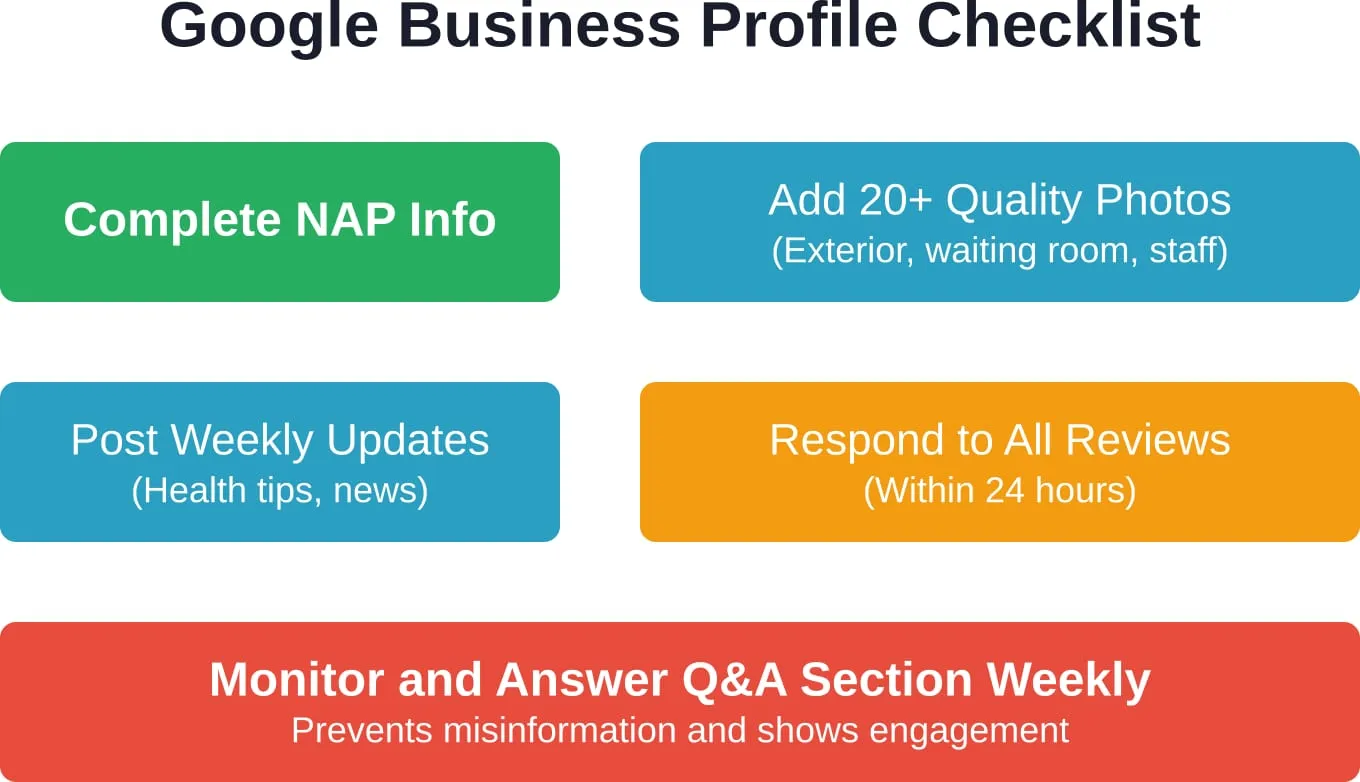
The Google Business Profile functions as a practice’s digital storefront. An incomplete profile signals neglect; a polished one builds confidence.
Essential optimization steps include:
- Accurate name, address, phone number (NAP) matching website exactly
- Complete business hours including holidays
- Category selection (“Family Practice Physician” as primary)
- High-quality photos: exterior, waiting room, exam rooms, staff
- Regular posts (weekly at minimum) about health tips, office updates, or seasonal reminders
- Rapid response to questions in the Q&A section
Comprehensive Google Business Profiles with multiple high-quality photos tend to receive higher engagement and click-through rates than sparse profiles. Photos humanize the practice and reduce patient anxiety about visiting a new provider.
Website Basics That Convert
The practice website serves one primary function: converting searchers into patients. Fancy design matters less than clear information and easy appointment booking.
Critical website elements include:
- Prominent phone number and “Book Appointment” button above the fold
- Insurance carriers accepted (specific names, not just “we accept most insurance”)
- Provider bios with photos—patients want to see who they’ll meet
- Clear service descriptions for family medicine scope
- Office location with embedded map and parking information
- Patient portal login link
Mobile responsiveness isn’t optional anymore. More than 60% of healthcare searches happen on mobile devices. A website that doesn’t load quickly or function smoothly on smartphones loses patients before they ever call.
Social Media: Engagement Without Burnout
Social media for family physicians can feel overwhelming. The key is strategic minimalism—choosing one or two platforms and maintaining consistent, manageable activity.
The 15-Minute Daily Method
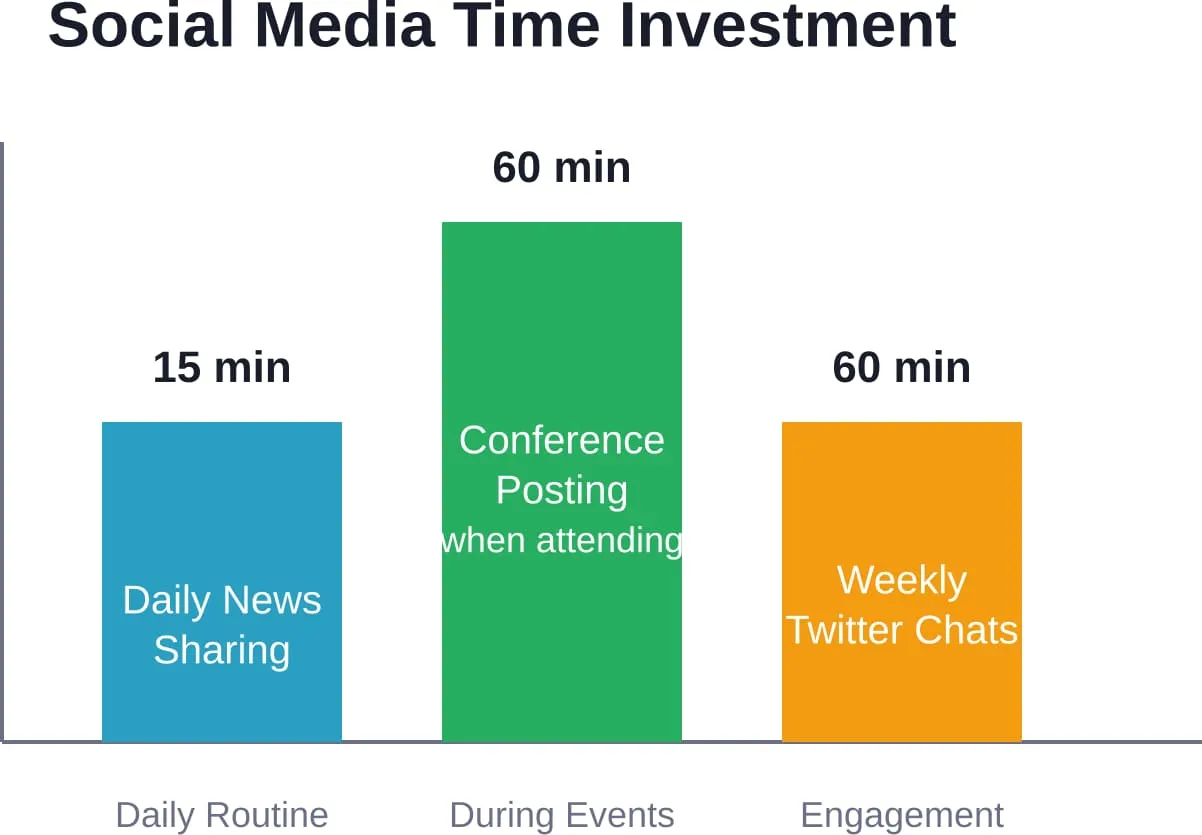
According to the American Academy of Family Physicians, Dr. Mike Sevilla attracted close to 30,000 followers on Twitter by spending approximately 15 minutes daily scanning health news and sharing relevant stories. At conferences, he dedicated about one hour daily to posting and retweeting, and participated in Twitter chats for roughly one hour weekly.
This time-boxed approach prevents social media from consuming clinic hours while maintaining presence.
Content That Resonates
Patients don’t want sales pitches. They want useful health information. Content that performs well includes:
- Seasonal health tips (flu prevention in fall, allergy management in spring)
- Myth-busting common misconceptions
- Behind-the-scenes glimpses that humanize the practice
- Patient success stories (with permission)
- Answers to frequently asked questions
Short, authentic videos outperform text posts. Even smartphone-quality clips of physicians explaining a health concept or staff introducing themselves build connection.
The American Academy of Family Physicians has noted that patients are increasingly using social media for health information and to research providers. While not overwhelming, that’s a significant segment worth reaching—especially younger parents.
Platform Selection Strategy
Not every platform makes sense for every practice. Consider patient demographics:
| Platform | Best For | Time Investment |
|---|---|---|
| All age groups, community building | 20 min daily | |
| Younger patients, visual storytelling | 15 min daily | |
| Twitter/X | Health news sharing, professional network | 15 min daily |
| Professional referrals, B2B connections | 30 min weekly | |
| TikTok | Gen Z patients, viral health education | High (video production) |
Starting with Facebook makes sense for most family practices given its broad user base and local community features.
Traditional Marketing That Still Works
Digital channels dominate discussions, but traditional marketing retains value—especially for family practices serving established communities.
Direct Mail Done Right
Direct mail generates measurable returns when targeted properly. Case studies demonstrate significant returns from direct mail; one doctor’s office generated over $40,000 in revenue from a single mailing according to industry reports.
Effective direct mail strategies include:
- New mover lists targeting families recently relocated to the area
- Medicare age-in lists for patients turning 65
- Radius mailings to neighborhoods within 3-5 miles of the practice
- Postcards with specific value propositions (“accepting new patients,” “same-day appointments available”)
The cost remains reasonable. Direct mail campaigns require investment in design, printing, and postage, with costs varying by volume and targeting specificity.
Community Involvement
Family practice thrives on local reputation. Community involvement builds recognition and trust simultaneously.
High-impact activities include:
- Health screenings at community events (blood pressure checks, glucose screening)
- Sponsoring youth sports teams or school programs
- Speaking at senior centers, schools, or civic organizations
- Participating in health fairs
- Partnering with local businesses for wellness programs
These activities generate goodwill that translates into patient loyalty and word-of-mouth referrals—still the most powerful marketing for family practices.
Patient Referral Programs
Current patients are the best source of new ones. Formal referral programs provide structure for this organic process.
Simple referral incentives that work include:
- Thank-you notes sent when a patient refers someone
- Small gift cards ($10-25) for referrals who complete a first visit
- Recognition in practice newsletters or social media (with permission)
- Loyalty benefits like expedited scheduling for active referrers
The Health Insurance Portability and Accountability Act (HIPAA) allows practices to communicate about products and services, though written authorization is generally required when marketing involves compensation from third parties according to HHS guidance. For internal referral programs where the practice provides the incentive directly, HIPAA compliance is straightforward.
Track referral sources during intake. This data reveals which patients generate the most referrals and helps measure program effectiveness.
Content Marketing: Establishing Authority
Educational content serves dual purposes: helping patients make informed decisions while demonstrating expertise.
Blog Strategy
A practice blog improves search engine visibility and provides shareable content. Posts don’t need to be lengthy—400-600 words addressing common patient questions works well.
High-performing blog topics include:
- “When to see a doctor for [common symptom]”
- Seasonal health guides
- Medication information and management tips
- Preventive care schedules by age group
- Insurance and billing process explanations
Publishing twice monthly maintains consistency without overwhelming practice resources. Physicians can outline posts in bullet form, with staff or contractors handling the actual writing.
Email Newsletters
Email newsletters keep the practice top-of-mind for existing patients. They also drive appointment scheduling for preventive care.
Effective newsletters include:
- Monthly or quarterly frequency (more frequent than that risks unsubscribes)
- Mix of health tips, practice news, and seasonal reminders
- Clear calls-to-action (schedule annual physical, get flu shot, update insurance information)
- Mobile-friendly formatting
Building an email list starts with intake forms. Adding a checkbox for newsletter opt-in captures addresses as patients join the practice.
Measuring What Matters
Marketing without measurement wastes resources. Track metrics that connect to actual practice growth.
Essential Metrics
Focus on these key performance indicators:
- New patient appointments scheduled (by source when possible)
- Website traffic and conversion rate
- Google Business Profile views and actions (calls, direction requests, website clicks)
- Review volume and average rating
- Social media engagement rate (not just follower count)
- Referral source data from intake forms
Most practices discover that 3-5 channels drive the majority of new patient acquisition. Double down on what works rather than spreading efforts too thin.
Patient Acquisition Cost
Understanding cost per new patient helps allocate marketing budget effectively. Calculate by dividing total marketing spend by new patients acquired in the same period.
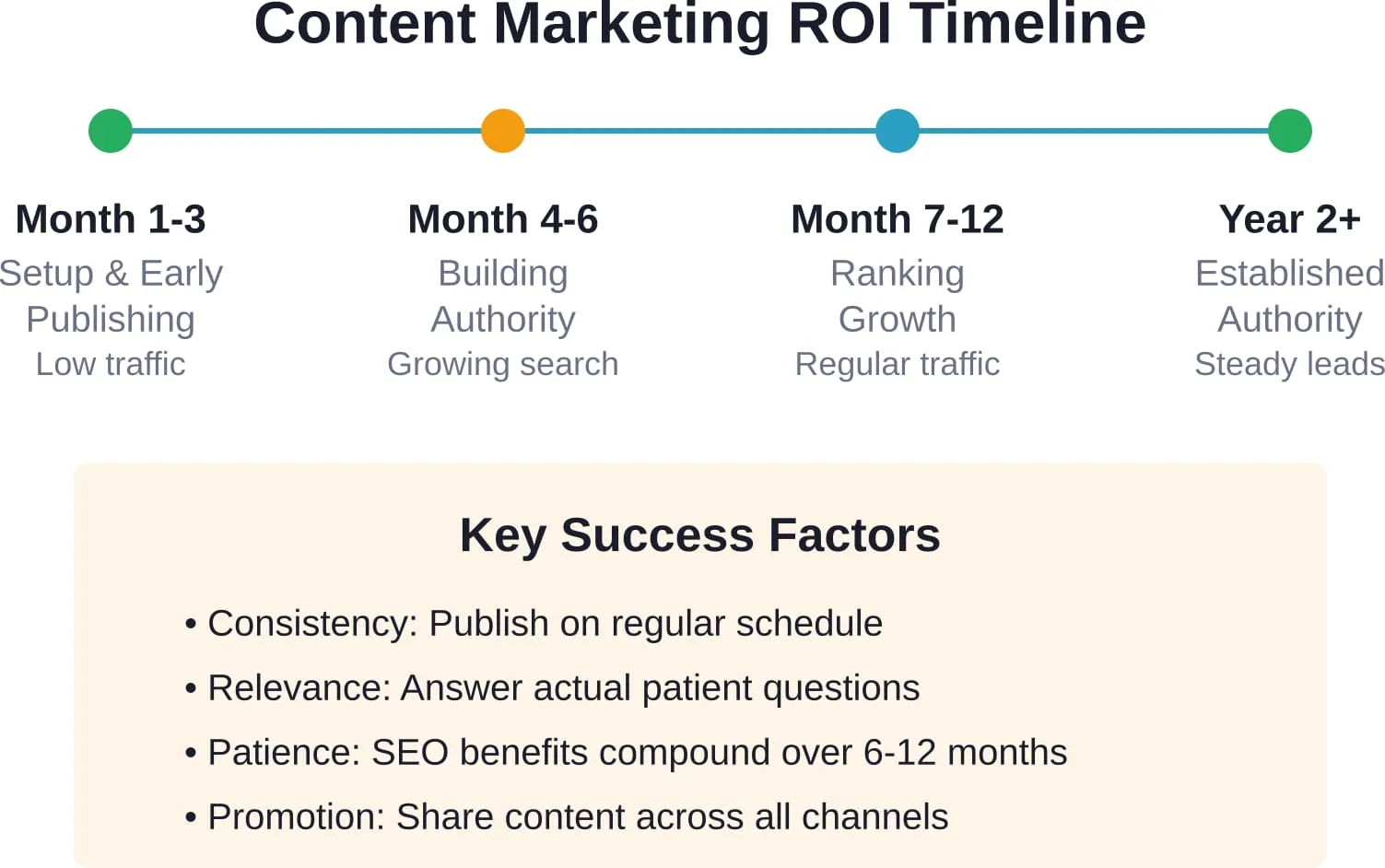
For family practices, typical patient acquisition costs range from $75-$300 depending on market competitiveness and marketing mix. Organic channels (SEO, referrals) cost less than paid advertising but require longer time horizons.
The lifetime value of a family practice patient—factoring in annual visits, preventive care, acute visits, and multi-year retention—generally exceeds $3,000-$5,000. This makes even higher acquisition costs defensible when the practice has capacity.
Compliance and Ethical Considerations
Healthcare marketing operates under stricter regulations than most industries. Staying compliant protects both patients and the practice.
HIPAA Boundaries
According to HHS guidance, HIPAA defines marketing as communication about products or services encouraging purchase or use. Generally, covered entities need written authorization before using protected health information for marketing purposes.
Practical implications include:
- Patient testimonials require written authorization
- Photos or videos featuring identifiable patients need consent forms
- General health information sharing doesn’t require authorization
- Communications about treatment alternatives or health-related services within the existing relationship generally aren’t considered marketing
When uncertain, consult with healthcare compliance counsel. HIPAA violations carry significant penalties.
Truth in Advertising
Medical advertising must be truthful and not misleading. Avoid superlatives (“best doctor,” “top practice”) unless backed by verifiable third-party recognition.
State medical boards enforce advertising regulations that vary by jurisdiction. Common requirements include disclaimers on testimonials and prohibitions on guarantee claims about health outcomes.
Building Sustainable Growth
Effective family practice marketing isn’t about viral moments or massive ad budgets. It’s about consistent, strategic effort across multiple channels that build trust and visibility over time.
Start with the foundation: excellent patient experiences, active review generation, and complete local SEO optimization. These high-impact, low-cost strategies deliver returns whether the practice invests $500 or $50,000 annually.
Layer in social media presence and content marketing that establish authority and keep the practice top-of-mind. These efforts compound—a blog post written today continues attracting patients two years later.
Add traditional marketing selectively based on patient demographics. Direct mail, community involvement, and local sponsorships remain effective for family practices serving established geographic communities.
The key is sustainability. Marketing initiatives that require excessive time get abandoned. Systems that integrate into existing workflows persist and deliver long-term results.
Family medicine operates on relationships—between physician and patient, practice and community. Marketing simply ensures those relationships have the chance to form by making the practice visible and accessible to those who need it most.
Start small, measure results, and scale what works. That approach serves practices better than expensive campaigns that fade after a few months. The family practices that grow consistently are those that view marketing not as an event but as an ongoing commitment to serving their communities better.