

Quick Summary: Effective event marketing in 2026 combines proven promotional tactics with emerging technologies like AI personalization and hybrid formats. Key strategies include early bird pricing, social media amplification, email segmentation, influencer partnerships, and data-driven ROI tracking. With the events industry projected to reach $1,464.29 billion in 2026, marketers who blend immersive experiences with measurable outcomes will capture attention and drive registrations.
The events industry isn’t just recovering—it’s exploding. Market size jumped from $1,338.77 billion in 2025 to $1,464.29 billion in 2026, a 9.4% compound annual growth rate that signals serious momentum. But here’s the catch: with more events competing for attention, generic promotion won’t cut it anymore.
Event marketing has evolved into a sophisticated discipline that blends technology, psychology, and creativity. Whether planning a corporate conference, product launch, or community festival, the right marketing mix determines whether the venue fills or stays empty.
This guide breaks down 47 practical marketing ideas organized by channel and objective. Some tactics cost nothing but time. Others require budget but deliver measurable returns. All of them work—when applied strategically.
Understanding the 2026 Event Marketing Landscape
Before diving into tactics, context matters. The event world has shifted dramatically.
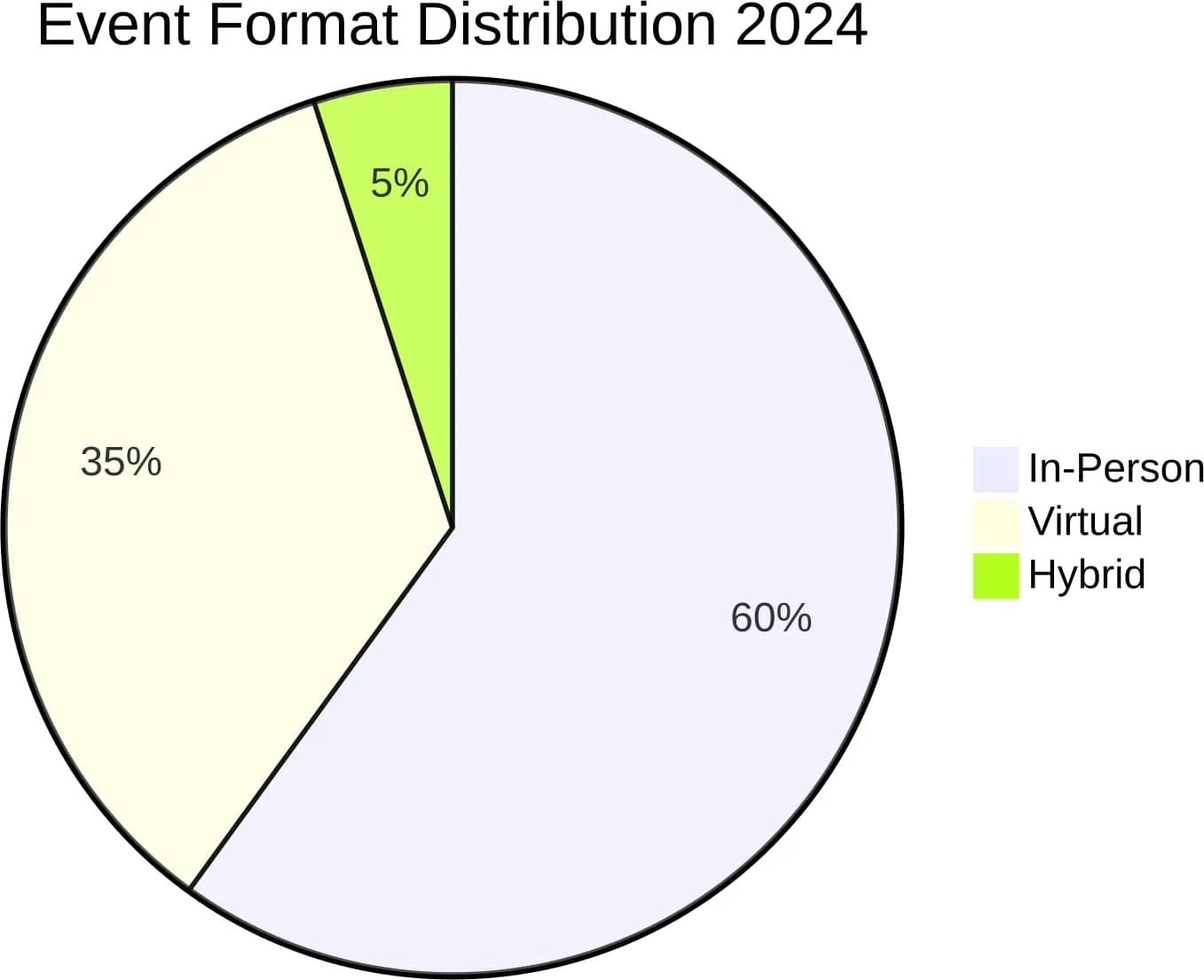
In-person events captured 60% of the market as of 2024, while virtual formats held 35% and hybrid events claimed 5%. Yet 82% of attendees prefer in-person experiences, and 59% of event professionals now view virtual events as permanent fixtures rather than temporary solutions.
The corporate events segment was valued at $369.65 billion in 2026 and is projected to reach $686.49 billion in 2031, growing at a 13.18% CAGR from 2026-2031.
Technology adoption accelerated. About 70% of event planners now use AI tools for personalization and logistics. Tracking end-to-end event ROI has become standard practice, with measurement now central to event evaluation. And personalization is emphasized as a core event strategy by event marketers.
What does this mean for promotion? Events compete on experience quality and relevance, not just topic or location. Marketing must communicate value clearly and reach audiences where they actually pay attention.
Set Up Event Marketing With Lengreo
Lengreo helps businesses build a clearer marketing setup through SEO, paid ads, website development, lead generation, and content support. For event teams, this can mean better landing pages, cleaner campaign tracking, and traffic channels that lead people toward registration, booking, or inquiry.
The focus is not just on coming up with more marketing ideas. Lengreo can help connect the website, ads, search visibility, and outreach so the campaign has a structure behind it.
Need a Clearer Way to Promote Events?
Lengreo can help with:
- building event landing pages and website sections
- setting up SEO and paid traffic campaigns
- tracking registrations, inquiries, and campaign results
- supporting content and lead generation work
👉 Contact Lengreo to discuss your marketing setup.
Pre-Event Marketing Ideas
The runway before an event determines attendance levels. Start promotion early and layer tactics over time.
1. Build a Dedicated Event Landing Page
Every event needs a conversion-optimized home base. The landing page should load fast, explain value instantly, and make registration frictionless.
Key elements include a clear headline stating the event name and value proposition, date and location (or virtual platform) above the fold, speaker headshots and credentials, agenda or session highlights, social proof like past attendee testimonials, and a prominent registration button that stays visible as visitors scroll.
Mobile optimization isn’t optional—most traffic comes from phones now. Test the page on multiple devices before launch.
2. Launch Early Bird Pricing
Scarcity drives action. Offer discounted tickets for the first 50 registrants or set a firm early bird deadline three weeks before the event.
This tactic serves two purposes: it generates initial registrations that create momentum, and it rewards enthusiastic supporters who commit early. Announce the discount expiration clearly to trigger urgency.
3. Create a Unique Event Hashtag
A branded hashtag unifies conversation across platforms and builds searchable archives. Keep it short, memorable, and specific enough to avoid confusion with unrelated topics.
One nonprofit conference used #ImpactSummit2025 across Twitter, Instagram, and LinkedIn, resulting in a 40% increase in user-generated content. Encourage speakers, sponsors, and attendees to use the hashtag before, during, and after the event.
Display the hashtag on all promotional materials, email signatures, and at the venue itself.
4. Segment Your Email List
Batch-and-blast emails underperform. Segmented campaigns drive 30% more opens and 50% more click-throughs than generic sends.
Divide the list by factors like past attendance history, job role or industry, geographic location, engagement level with previous emails, or content preferences indicated through past behavior.
Tailor messaging to each segment. A first-time prospect needs different information than a repeat attendee.
5. Develop Email Drip Campaigns
Single invitation emails get lost. Multi-touch sequences build awareness over time.
A typical drip campaign might include an announcement email six weeks out highlighting the big news, a speaker spotlight three weeks before featuring keynote bios, an agenda reveal two weeks out with session details, an early bird reminder one week before the discount expires, a final reminder 24-48 hours before the event to boost attendance rates, and post-event follow-up within 72 hours to maintain engagement.
Space emails strategically—too frequent creates unsubscribes, too sparse loses momentum.
6. Partner with Influencers and Industry Voices
Authentic endorsements expand reach beyond owned channels. Identify influencers whose audiences overlap with target attendees.
This doesn’t require celebrity partnerships. Micro-influencers with engaged niche communities often deliver better results than broad-reach accounts with passive followers.
Offer influencers complimentary tickets, speaker slots, or affiliate commission on registrations they drive. Track performance with unique discount codes or referral links.
7. Leverage Speaker and Sponsor Networks
Speakers and sponsors have vested interest in event success. Give them promotion assets they can easily share.
Create speaker toolkits containing social media graphics sized for each platform, pre-written posts they can customize, email templates to send their lists, and shareable video clips if available.
Make sharing effortless and most will participate.
8. Implement Retargeting Ads
Website visitors who don’t register immediately need reminders. Install tracking pixels on the event landing page to build retargeting audiences.
Display retargeting improves conversion likelihood compared to single touchpoint exposure. Run retargeting campaigns on Facebook, Instagram, LinkedIn, and Google Display Network.
Refresh ad creative weekly to avoid fatigue. Test different messages emphasizing various benefits—networking opportunities, speaker credentials, skill development, or exclusive access.
9. Publish Content Marketing Assets
Educational content attracts audiences while demonstrating event value. Create blog posts on topics related to event themes, podcast episodes interviewing confirmed speakers, infographics summarizing key data attendees will learn, or short video teasers showing what to expect.
Distribute this content through owned channels and pitch relevant pieces to industry publications as contributed articles.
10. Optimize for Local Search
For location-based events, local SEO drives nearby registrations. Create a Google Business Profile if the venue has a permanent location, include city and venue names in page titles and headers, build local backlinks from community sites and business directories, and encourage speakers to mention the event on their local profiles.
Geographic targeting helps capture people searching for events in specific cities.
Social Media Marketing Ideas
Social platforms remain primary discovery channels for events. But algorithms reward engagement, not just posting frequency.
11. Create Platform-Specific Content
Don’t post identical content everywhere. Tailor format and tone to each platform’s culture.
LinkedIn favors professional insights and industry thought leadership. Share speaker expertise, business case studies, and career development angles. Facebook supports longer-form community building and event pages with RSVP functionality. Instagram demands visual storytelling through photos, reels, and stories showing behind-the-scenes preparation. Twitter (X) rewards real-time updates, quick takes, and threaded conversations.
Match content type to platform strengths.
12. Run Countdown Campaigns
Visual countdowns build anticipation. Post daily or weekly countdown graphics highlighting different event elements.
For example, “30 days until [Event]: Meet keynote speaker [Name],” then “23 days: Check out the networking lounge,” then “16 days: Early bird pricing ends Friday.”
This provides fresh content angles while maintaining promotion consistency.
13. Host Social Media Contests
Giveaways generate engagement and expand reach. Offer free tickets, VIP upgrades, or exclusive experiences as prizes.
Entry mechanisms might include tagging friends in comments, sharing event posts, posting about why they want to attend with the event hashtag, or answering a question related to the event topic.
Contest rules must comply with platform policies. Review guidelines before launch.
14. Go Live with Q&A Sessions
Live video creates immediacy and authenticity. Host sessions where speakers answer questions about their upcoming presentations or the event team discusses what attendees can expect.
Promote live sessions in advance to build viewership. Save recordings for those who miss the real-time broadcast.
15. Share User-Generated Content
Let past attendees do the selling. Collect and reshare testimonials, photos from previous editions, video reactions, and written reviews.
Always credit original creators and ask permission before reposting. User-generated content provides social proof that marketing claims can’t match.
16. Utilize Stories and Reels
Short-form vertical video dominates social consumption. Create quick reels showing venue tours, speaker introductions, agenda highlights, or team preparation.
Stories disappear after 24 hours but generate high engagement. Use them for time-sensitive announcements, polls asking what attendees want to see, and behind-the-scenes glimpses.
17. Engage in Relevant Groups and Communities
Don’t just broadcast—participate. Join LinkedIn groups, Facebook communities, and Reddit subreddits where target audiences gather.
Add value through helpful comments and insights before mentioning the event. Blatant self-promotion gets ignored or banned. Genuine contribution builds credibility that makes event mentions welcome.
18. Collaborate with Event Partners
Cross-promotion multiplies reach. Partner with complementary organizations to share each other’s events.
Co-host social media takeovers where partners post from your account (and vice versa), run joint giveaways that require following both accounts, or create collaborative content that benefits both audiences.
Choose partners whose followers match your target attendee profile.
Paid Advertising Ideas
Organic reach has limits. Paid promotion accelerates awareness and targets specific demographics.
19. Facebook and Instagram Ads
Meta’s advertising platform offers granular targeting. Build audiences based on job titles, interests, behaviors, location, and demographics.
Test multiple ad formats including single image ads with strong calls to action, carousel ads showcasing different speakers or sessions, video ads with speaker clips or venue footage, and lead ads that collect registrations without leaving the platform.
Start with small budgets to test creative and targeting before scaling spend on winning combinations.
20. LinkedIn Sponsored Content
For B2B events, LinkedIn delivers decision-makers. Sponsored posts appear in target feeds alongside organic content.
LinkedIn’s targeting allows filtering by company size, industry, seniority level, job function, and specific companies. This precision justifies higher cost-per-click compared to other platforms when targeting is aligned with attendee profile.
21. Google Search Ads
Capture demand already searching for events. Bid on keywords like “[industry] conference 2026,” “events in [city],” “[topic] summit,” or “professional development events.”
Ad copy should match search intent closely. Include the event date, location, and primary benefit in headlines. Use sitelink extensions to highlight speakers, agenda, and early bird pricing.
22. YouTube Pre-Roll Ads
Video ads build awareness efficiently. Create 15-30 second spots highlighting event value and run them before videos on topics related to the event theme.
YouTube allows targeting by interests, search history, and channels viewers watch. Skip-through rates are high, so front-load the most compelling information in the first five seconds.
23. Programmatic Display Advertising
Display ads reach audiences across thousands of websites. Programmatic platforms use behavioral data to show ads to likely attendees.
Creative design matters enormously. Use eye-catching visuals, clear value propositions, and obvious calls to action. Test multiple sizes and formats to see what performs best across placements.
24. Sponsor Industry Newsletters
Newsletter sponsorships place event promotions in trusted sources. Identify newsletters that target audiences read regularly and purchase sponsored mentions.
These placements often outperform display ads because subscribers opted in and trust the publication. Provide a dedicated discount code to track conversions from each newsletter.
Content and SEO Marketing Ideas
Long-term visibility requires content that ranks in search results and provides ongoing value.
25. Launch an Event Blog
A blog section on the event website captures search traffic. Publish posts on topics attendees care about, industry trends related to event themes, speaker interviews and thought leadership, practical how-to guides, and recaps from previous editions with photos and key takeaways.
Optimize each post for relevant keywords and include clear calls to action driving readers to register.
26. Optimize Event Pages for SEO
Search engines drive discovery. Ensure the event landing page includes the event name and date in title tags and headers, location or “virtual” clearly stated, descriptive meta descriptions with target keywords, structured data markup for events (schema.org/Event), and fast loading speed with mobile responsiveness.
Build backlinks by getting listed in event directories, industry calendars, and partner websites.
27. Create Downloadable Resources
Gated content builds email lists. Offer valuable downloads like industry reports, session slide decks from past events, checklists or templates related to event topics, or e-books featuring speaker insights.
Require email registration to access downloads. This builds the prospect list for event promotion.
28. Produce Video Content
Video engages more deeply than text. Create speaker announcement videos introducing keynote presenters, venue walkthrough tours, testimonial compilations from past attendees, or educational mini-sessions previewing event content.
Publish videos on YouTube with optimized titles and descriptions, then embed them on the event website and share across social channels.
29. Start a Podcast Series
Podcasts build audience relationships over time. Launch a limited series featuring conversations with event speakers, industry experts on relevant topics, or interviews with past attendees about how the event impacted their work.
Each episode should end with an event registration call to action. Cross-promote the podcast on social media and email.
30. Publish Press Releases
Media coverage amplifies reach. Distribute press releases announcing the event launch, speaker confirmations, partnership announcements, or unique event features.
Target industry publications, local news outlets, and trade media. Include quotes from organizers or notable speakers and make contact information easily accessible for journalists who want more details.
Partnership and Community Marketing Ideas
Leverage existing networks and build new relationships that expand promotional reach.
31. Recruit Event Ambassadors
Passionate advocates spread word more effectively than ads. Identify enthusiastic past attendees or industry connectors and invite them to be official event ambassadors.
Provide ambassadors with exclusive perks like discounted tickets for themselves and friends, early access to speakers or sessions, recognition on the event website, and promotional materials to share.
Track their impact with unique referral codes.
32. Form Strategic Partnerships
Partner with organizations whose missions align with event goals. Trade associations, professional groups, educational institutions, and corporate sponsors all have communities that might benefit from attending.
Offer partners co-branding opportunities, discounted group rates for their members, or speaking slots in exchange for promotion to their networks.
33. Engage Professional Associations
Associations provide direct access to target audiences. Reach out to relevant associations about promoting the event through their newsletters, social channels, member emails, or event calendars.
Some associations charge for promotion; others will share events that provide clear value to members at no cost.
34. Create Referral Programs
Incentivize attendees to bring colleagues. Offer rewards for successful referrals such as discounted tickets for both referrer and referee, entry into exclusive prize drawings, or points toward future event tickets.
Make sharing easy with pre-written email templates and social posts registrants can personalize and send.
35. Host Pre-Event Meetups
Smaller gatherings build momentum for the main event. Organize casual networking meetups in key cities, virtual coffee chats on specific topics, or lunch-and-learns featuring speakers.
These pre-events give prospective attendees a taste of the value and community they’ll experience at the full event.
Engagement and Experience Marketing Ideas
Events sell better when audiences can preview the experience and feel connected to the community.
36. Build an Event App
Mobile apps enhance attendee experience before, during, and after events. Pre-event features include agendas and session details, speaker bios and social profiles, attendee networking and messaging, personalized schedule builders, and venue maps and logistics.
Promote the app immediately after registration to keep the event top-of-mind.
37. Create Interactive Polls and Surveys
Involvement builds investment. Ask prospective attendees what topics they want covered, which speakers they’re most excited about, what networking formats they prefer, or what would make the event valuable.
Share poll results to demonstrate that organizers listen to audience input. This collaborative approach increases commitment.
38. Design Shareable Graphics
Visual content spreads further than text. Create branded graphics attendees will want to share like “I’m attending [Event]” announcement images, quote cards featuring speaker insights, countdown graphics, or stats and facts related to event topics.
Size graphics appropriately for each social platform and make them available in a downloadable kit.
39. Gamify Registration and Promotion
Game mechanics drive participation. Create challenges such as register by a certain date to unlock bonus content, share the event on three platforms to enter a prize draw, or invite five colleagues to earn an exclusive experience.
Leaderboards showing top referrers or most engaged participants tap into competitive motivation.
40. Offer Virtual Previews
For hybrid or in-person events, virtual previews reduce registration friction. Host short webinars featuring speaker previews, virtual venue tours, or Q&A sessions with organizers.
These low-commitment touchpoints let prospects evaluate event value before purchasing tickets.
Hybrid and Virtual Event Marketing Ideas
Virtual and hybrid formats require specialized promotion that addresses unique attendee concerns.
41. Highlight Accessibility Benefits
Virtual attendance removes barriers. Emphasize advantages like no travel costs or time, ability to attend from anywhere globally, recorded sessions available for review, and accessibility features like captions and translations.
Position virtual tickets as premium access for those who can’t attend in person, not a consolation prize.
42. Showcase Technology Platform
Virtual attendees worry about technical difficulties. Demonstrate platform capabilities through video walkthroughs showing how to navigate virtual spaces, screenshots of networking features, testimonials about past virtual experiences, or trial access to explore the platform.
Reducing uncertainty increases virtual registration.
43. Create Virtual-Specific Networking
Networking drives event value. Design virtual networking opportunities like one-on-one video speed networking, topic-based breakout rooms, virtual happy hours or coffee breaks, or interest-based channels for async discussion.
Promote these features prominently—connection matters as much as content.
44. Offer Tiered Ticket Options
Hybrid events can serve different budgets and preferences. Create ticket tiers such as in-person full access, virtual full access at lower cost, single-day passes for focused attendance, or VIP experiences with exclusive perks.
Clear differentiation helps attendees choose the option that fits their needs and budget.
Measuring Event Marketing Success
Tracking performance separates guesswork from strategy. Tracking end-to-end event ROI has become standard practice, with measurement now central to event evaluation.
45. Define Key Performance Indicators
Start with clear metrics tied to business goals. Common KPIs include total registrations and conversion rate from visitors to registrants, cost per acquisition across channels, attendance rate (registrants who actually attend), engagement metrics like session attendance and questions asked, lead quality for B2B events, and revenue generated minus event costs.
Establish targets before launch to measure against.
46. Track Channel Performance
Not all promotion channels deliver equally. Use UTM parameters on links, unique discount codes per channel, and dedicated landing pages to track which sources drive registrations.
Analyze cost per registration and attendee quality by channel. Shift budget toward highest-performing sources.
47. Conduct Post-Event Surveys
Attendee feedback informs future marketing. Ask how attendees heard about the event, what factors influenced their decision to attend, which marketing messages resonated, and what would make them recommend the event to colleagues.
This qualitative data reveals what worked and what to improve.
| Marketing Channel | Best For | Typical Cost | Key Metric to Track |
|---|---|---|---|
| Email Marketing | Past attendees, warm leads | Low | Open rate, click-through rate |
| Social Media (Organic) | Building community, engagement | Low (time) | Engagement rate, shares |
| Social Media (Paid) | Targeted demographic reach | Medium | Cost per registration |
| Google Search Ads | Capturing existing demand | Medium-High | Conversion rate, CPA |
| Content Marketing | Long-term visibility, SEO | Medium (time) | Organic traffic, backlinks |
| Partnerships | Accessing aligned communities | Low-Medium | Registrations per partner |
| Influencer Collaborations | Credibility, niche audiences | Medium-High | Referral conversions |
Emerging Trends Shaping Event Marketing
The landscape continues evolving. Staying ahead of trends provides competitive advantage.
AI-Powered Personalization
About 70% of event planners now use AI tools for personalization and logistics. Applications include personalized email content based on attendee interests, chatbots answering registration questions instantly, predictive analytics identifying high-value prospects, and dynamic agenda recommendations matching attendee profiles.
AI handles routine tasks while freeing marketers for strategic work.
Immersive and Experiential Elements
Attendees seek memorable experiences. Immersive experiences are valued by attendees as important event elements.
Marketing should preview experiential components like virtual reality demos, interactive installations, gamified experiences, or unique venue features that differentiate the event.
Sustainability and Social Responsibility
Many event teams now prioritize diversity, equity, and inclusion. Environmental and social considerations influence attendance decisions.
Promote sustainability efforts such as carbon-neutral commitments, waste reduction initiatives, diverse speaker lineups, or accessibility accommodations. Values alignment drives registration among conscious consumers.
Data Privacy and Transparency
Attendees want control over personal data. Marketing should clearly communicate how registration information will be used, what data gets shared with sponsors, opt-in choices for communications, and security measures protecting attendee information.
Transparency builds trust that increases conversion rates.
Common Event Marketing Mistakes to Avoid
Even experienced marketers stumble. Watch for these pitfalls.
Starting Promotion Too Late
Last-minute marketing limits reach. Begin promoting at least 6-8 weeks before smaller events, 3-6 months for major conferences.
Early promotion builds awareness gradually rather than overwhelming audiences with urgent pleas.
Neglecting Mobile Optimization
Most event research happens on phones. Landing pages that don’t load quickly or display properly on mobile lose registrations.
Test every touchpoint on multiple devices before launch.
Ignoring Past Attendee Data
Past attendees are the easiest group to convert. Prioritize marketing to previous participants before chasing cold audiences.
Segment past attendees and craft messaging acknowledging their history with the event.
Overcomplicating Registration
Every form field reduces completion rates. Ask only essential information during initial registration—collect additional details later.
The faster someone can register, the more registrations will happen.
Failing to Follow Up
Marketing doesn’t stop at registration. Keep registrants engaged through pre-event emails, app notifications, and content that builds anticipation.
The period between registration and event day determines actual attendance rates.
Industry-Specific Event Marketing Approaches
Different sectors require tailored strategies.
B2B Corporate Events
Decision-makers evaluate ROI carefully. Marketing should emphasize business outcomes like skill development, industry insights, networking with decision-makers, or competitive intelligence.
LinkedIn and email dominate B2B promotion. Content marketing establishing thought leadership performs well.
Consumer and Community Events
Entertainment and experience drive attendance. Highlight fun elements, unique attractions, family-friendly features, or social opportunities.
Instagram and Facebook work best for consumer promotion. Visual content showing past event energy converts effectively.
Academic and Educational Events
Learning value matters most. Promote speaker credentials, continuing education credits, certification opportunities, or career advancement benefits.
Email and academic networks drive registrations. Early bird discounts appeal to budget-conscious educators.
Association and Membership Events
Community connection motivates members. Emphasize peer networking, association updates, member-exclusive perks, or governance participation.
Leverage association communication channels and member directories for promotion.
| Event Type | Primary Marketing Focus | Top Channels | Key Messaging |
|---|---|---|---|
| B2B Conference | ROI, networking, insights | LinkedIn, email, content | Business outcomes, thought leadership |
| Trade Show | Industry connections, product discovery | Trade media, partnerships | Exclusive access, latest innovations |
| Community Festival | Entertainment, family experience | Facebook, Instagram, local media | Fun, activities, local pride |
| Educational Summit | Learning, credentials, career growth | Email, academic networks | Expert faculty, skill development |
| Product Launch | Exclusivity, innovation, early access | PR, influencers, paid ads | First look, limited availability |
Building Long-Term Event Marketing Systems
One-off tactics deliver short-term results. Sustainable systems create compounding value.
Develop an Event Marketing Calendar
Map promotion activities across the entire event lifecycle. Include pre-event phases from announcement through final reminders, during-event real-time content and engagement, and post-event follow-up, testimonial collection, and early promotion for the next edition.
Repeatable calendars reduce planning time for recurring events.
Build Owned Audience Channels
Paid reach has ongoing costs. Invest in owned assets like email lists of past attendees and prospects, social media followings engaged with content, YouTube channels with educational videos, or blogs ranking for relevant search terms.
Owned channels reduce dependence on paid promotion over time.
Create Marketing Playbooks
Document what works. Build playbooks containing promotion timelines and milestones, proven email templates and subject lines, high-performing ad creative and targeting, partnership outreach scripts, or social media content calendars.
Playbooks help teams execute consistently and onboard new marketers quickly.
Invest in Marketing Technology
The right tools multiply efficiency. Core martech includes event management platforms with built-in marketing, email automation systems, CRM for lead tracking and nurturing, analytics tools measuring attribution, and social media management platforms.
Technology investments pay off through time savings and better data.
Conclusion
Event marketing in 2026 demands strategic thinking, creative execution, and relentless measurement. The industry’s growth to $1,464.29 billion signals opportunity, but also intensifying competition for attention.
Success comes from understanding target audiences deeply, choosing channels where they actually engage, creating compelling reasons to attend, removing friction from registration, and maintaining engagement from first awareness through post-event follow-up.
The 47 ideas covered here provide a comprehensive toolkit. Not every tactic fits every event—choose strategies aligned with goals, audience, budget, and timeline. Test rigorously. Double down on what works. Abandon what doesn’t.
Start planning the next event’s marketing now. Build owned audience channels. Document successes. Invest in systems that compound over time.
The events that fill seats and deliver ROI aren’t accidents. They’re the result of deliberate marketing executed consistently across multiple touchpoints. Apply these strategies, measure results, and refine based on data.
Ready to transform event marketing from guesswork to growth engine? Pick three ideas from this guide and implement them for the next event. Track performance. Adjust. Repeat. The compounding returns will speak for themselves.