


Quick Summary: Successful landscaping marketing in 2026 combines local SEO and Google Business Profile optimization with visual storytelling on social media, strategic Google Ads, and proactive review collection. Small landscaping businesses can compete effectively by focusing on partnerships, targeted content, and consistent branding across digital and traditional channels.
Marketing a landscaping business has changed dramatically over the past few years. The days of relying solely on word-of-mouth and truck lettering are long gone. Homeowners now begin their search online, and if a landscape company isn’t visible at that critical moment, the work goes to someone else.
The challenge? Most landscapers excel at transforming outdoor spaces but feel stuck when it comes to attracting a steady stream of new clients. Many businesses invest in marketing tactics that don’t deliver results, wasting time and money on strategies that worked years ago but fall flat today.
This guide presents marketing ideas specifically designed for landscaping businesses operating in today’s digital environment. These strategies are practical, tested, and tailored to the unique needs of landscape companies—whether operating as a solo crew or managing a team of 150 employees like the 2023 New York State Small Business Person of the Year, JOSH LandscapeCo.
Understanding the Landscaping Market Landscape
According to Bureau of Labor Statistics data, 564,160 landscaping and groundskeeping workers were employed in services to buildings and dwellings as of May 2023, earning an hourly mean wage of $19.46 (approximately $40,480 annually). The industry is substantial, competitive, and growing.
But here’s what that means for marketing: homeowners have options. Lots of them.
The businesses that thrive aren’t necessarily those with the best equipment or the most experienced crews. They’re the ones that show up first when homeowners search, demonstrate credibility through reviews and visuals, and make it easy to say yes.
Local SEO: The Foundation of Landscape Marketing
Local search engine optimization isn’t optional anymore. It’s the foundation that everything else builds on.
When someone searches “landscaping near me” or “lawn care in [city name],” search engines scan the web for businesses that match that location and service. Companies that have optimized their online presence properly appear at the top. Those that haven’t remain invisible.
Optimize for Location-Specific Keywords
Generic keywords like “landscaping services” won’t cut it. Focus on phrases that include geographic markers: “landscaping in Portland,” “lawn maintenance Beaverton,” “landscape design Lake Oswego.”
Build these location-specific terms into website content naturally. Service pages, blog posts, and even image file names should reflect the areas served.
Claim and Complete Google Business Profile
This free tool from Google is the single most important asset for local visibility. A complete profile includes:
- Accurate business name, address, and phone number
- Service area boundaries
- Business hours (including seasonal adjustments)
- High-quality photos of completed projects
- Regular posts about services, offers, and updates
Businesses with active, complete profiles rank higher in local search results and the map pack—the three businesses that appear with map pins at the top of search results.
Build Local Citations
Citations are mentions of the business name, address, and phone number across the web. Consistency matters more than quantity. Ensure information matches exactly across directories like Yelp, Angi, HomeAdvisor, and local chamber of commerce listings.

The Power of Online Reviews
Here’s a stat that should change how landscaping businesses operate: According to industry analysis, 87% of homeowners will not consider businesses rated under four stars. Reviews aren’t just nice to have—they’re deal-breakers.
Reviews influence search rankings and customer decisions simultaneously. Google’s algorithm favors businesses with more positive reviews, and homeowners trust peer recommendations more than any advertising message.
Build a Review Collection System
Don’t leave reviews to chance. Create a systematic process:
- Ask for reviews immediately after completing quality work
- Send a follow-up text or email with direct links to Google, Yelp, and Facebook
- Make it ridiculously easy—one click should take customers to the review form
- Respond to every review, positive or negative, professionally and promptly
The businesses that grow fastest in landscaping actively manage their reputation. They don’t wait for reviews to trickle in—they earn them through great work and ask for them systematically.
Social Media Marketing for Visual Impact
Landscaping is inherently visual. Social media platforms like Instagram and Facebook were practically designed for this industry.
According to HubSpot research cited in competitor content, 79 percent of people online use Facebook. That’s a massive audience of potential customers scrolling through feeds every day.
Show Before-and-After Transformations
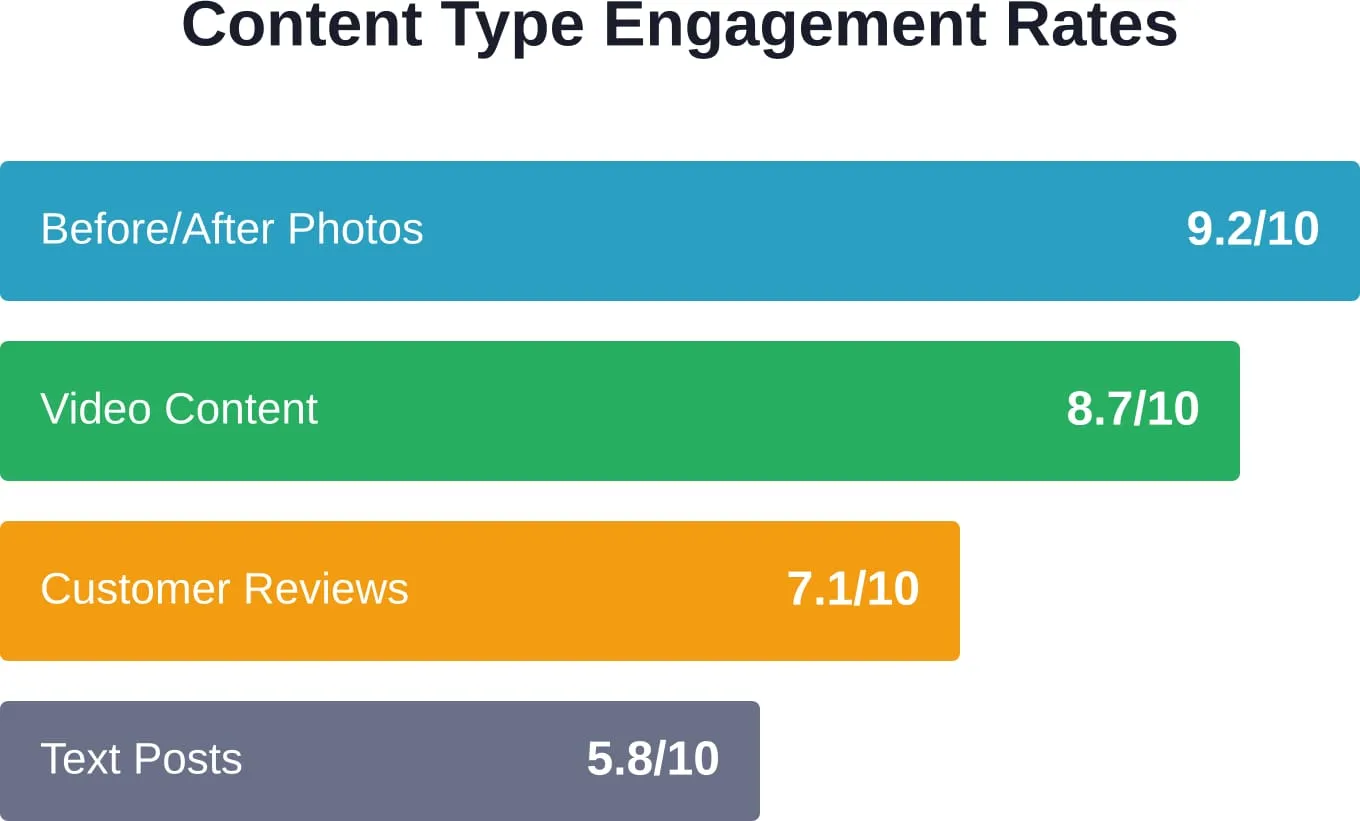
Nothing sells landscaping services like dramatic visual proof. Before-and-after photos demonstrate capability better than any sales pitch.
Post these consistently. Photograph every significant project from the same angles before work begins and after completion. Share them with captions that explain the challenge, the solution, and the outcome.
Use Short-Form Video Content
Video outperforms static images across every platform. Short clips showing work in progress, time-lapses of installations, or quick tips for lawn care generate higher engagement and reach.
These don’t require professional production. A smartphone and natural lighting work fine. Authenticity matters more than polish.
Engage with Local Community Content
Follow and interact with local businesses, community organizations, and neighborhood groups. Comment on posts, share local events, and position the business as an active community participant—not just a service provider.
Google Ads That Actually Generate Booked Jobs
Google Ads can be incredibly effective for landscaping businesses, or they can burn through budget with nothing to show. The difference comes down to targeting and intent.
Focus on High-Intent Keywords
Bid on search terms that indicate someone is ready to hire, not just browsing. Keywords like “landscaping company near me,” “hire lawn service,” and “landscape design quote” signal purchase intent.
Avoid broad terms like “landscaping ideas” or “lawn care tips”—those attract researchers, not buyers.
Use Location Extensions and Call Buttons
Mobile searchers represent a huge portion of landscaping leads. Enable click-to-call functionality and location extensions so potential customers can contact the business with one tap.
Set Realistic Budgets and Track Conversions
Start with modest daily budgets—$20 to $50 per day—and track which ads generate actual phone calls and form submissions. Cut underperforming keywords ruthlessly and reinvest in what works.

Content Marketing: Establishing Local Authority
Publishing helpful blog content positions a landscaping business as the local expert. It also feeds the search engine algorithm with fresh, keyword-rich material that improves rankings.
Write About Local Landscaping Challenges
Generic content about “10 landscaping trends” doesn’t move the needle. Write about problems specific to the region served:
- “Best Drought-Tolerant Plants for Phoenix Yards”
- “How to Prevent Lawn Disease in Seattle’s Wet Climate”
- “Landscaping Solutions for Colorado’s Clay Soil”
This content attracts local searchers and demonstrates specialized knowledge.
Create Seasonal Service Guides
Publish content aligned with seasonal needs: spring cleanup checklists, summer watering guides, fall aeration advice, winter protection tips. These pieces attract traffic year-round and position the business as a helpful resource.
Answer Common Customer Questions
Every landscaping business hears the same questions repeatedly. Turn those into blog posts and FAQ content. Questions like “How often should mulch be replaced?” or “What’s the best time to plant trees?” generate consistent search traffic.
Building Local Business Partnerships
Strategic partnerships create referral engines that generate consistent leads without ongoing advertising costs.
Partner with Complementary Service Providers
Real estate agents, pool companies, outdoor furniture retailers, home builders, and irrigation specialists all serve the same customer base. Establish referral relationships where both businesses benefit.
Offer joint promotions: “Buy plants here, get 10% off landscaping installation” creates value for customers and drives business to both partners.
Collaborate with Property Management Companies
Property managers need reliable landscaping services for rental properties and commercial buildings. One relationship can generate dozens of ongoing maintenance contracts.
Join Local Business Organizations
Chamber of commerce membership, BNI groups, and local trade associations provide networking opportunities and lend credibility. These organizations often maintain online directories that provide valuable citations and referral traffic.
Traditional Marketing That Still Works
Digital dominates, but traditional marketing tactics remain effective for landscaping businesses when executed strategically.
Yard Signs at Active Job Sites
Small, professional signs placed at properties during and after work serve as hyperlocal advertising. Neighbors see quality results and have immediate access to contact information. Always secure permission from property owners first.
Vehicle Wraps and Lettering
Trucks and equipment become mobile billboards. Professional vehicle graphics with business name, phone number, website, and services performed generate awareness every time crews drive to job sites.
Direct Mail to Target Neighborhoods
Unlike mass mailers, targeted postcards to specific neighborhoods where the business is already working create geographic clustering. The message: “We’re working in your area—now is the perfect time to schedule your project.”
Community Event Sponsorships
Sponsoring local sports teams, school events, or community festivals builds brand recognition and demonstrates community investment. The goodwill generated often translates to customer loyalty.
Email Marketing for Customer Retention
Acquiring new customers costs significantly more than retaining existing ones. Email marketing nurtures those relationships and generates repeat business.
Build an Email List Systematically
Collect email addresses from every customer. Add a signup form to the website. Offer something valuable in exchange—a free lawn care guide, seasonal checklist, or discount on future services.
Send Seasonal Reminders
Timely emails prompt customers to schedule services they need: “Time for spring mulch refresh,” “Schedule fall aeration now,” “Book snow removal before winter.” These reminders generate revenue from customers who intended to call but forgot.
Share Exclusive Offers
Reward email subscribers with exclusive discounts or early access to scheduling. This incentivizes signups and drives higher open rates.
Investing in a Professional Website
A website is often the first impression potential customers have of a landscaping business. Industry recommendations suggest investing at least $10,000 to create a professional, conversion-optimized site.
Essential Website Elements
A high-performing landscaping website includes:
- Mobile-responsive design (most traffic comes from phones)
- Fast loading speed
- Clear service descriptions with local keywords
- Prominent contact forms and click-to-call buttons
- Gallery of before-and-after photos
- Customer testimonials and reviews
- Service area maps
- Clear calls to action on every page
Optimize for Conversions
Traffic means nothing without conversions. Every page should guide visitors toward one action: calling, filling out a contact form, or requesting a quote. Remove distractions and make the next step obvious.
| Website Element | Impact on Conversions | Implementation Priority |
|---|---|---|
| Mobile Optimization | High | Critical |
| Click-to-Call Button | High | Critical |
| Before/After Gallery | High | High |
| Customer Reviews | High | High |
| Contact Forms | Medium | High |
| Service Area Map | Medium | Medium |
| Blog Content | Medium | Medium |
| Video Background | Low | Low |
Video Marketing for Landscaping Services
Video content generates higher engagement than any other format. Landscaping businesses have endless opportunities to create compelling video content.
Project Time-Lapses
Condense a full-day project into 30 seconds. Time-lapse videos show dramatic transformations and perform exceptionally well on social media.
Customer Testimonial Videos
Satisfied customers speaking on camera carry more weight than written testimonials. Keep these short—30 to 60 seconds—and authentic.
Educational How-To Content
Short videos explaining proper watering techniques, mulching methods, or seasonal maintenance tips position the business as an expert and generate organic reach.
Behind-the-Scenes Content
Show the crew at work, equipment in action, or the planning process for complex projects. This content humanizes the business and builds connection with the audience.
Leveraging Customer Referral Programs
Word-of-mouth remains one of the most powerful marketing channels. Structured referral programs amplify this natural process.
Offer Meaningful Incentives
Provide real value for referrals: discounts on future services, free seasonal maintenance, or cash rewards. The incentive should be significant enough to motivate action.
Make Referrals Easy
Don’t make customers work to refer to others. Provide referral cards they can hand to neighbors, shareable digital links, or a simple form on the website.
Thank and Recognize Referrers
Acknowledge customers who send business. Personal thank-you notes, public recognition on social media (with permission), or loyalty rewards build stronger relationships.
Grow Landscaping Leads With Lengreo
Marketing ideas for a landscaping business should help bring in prospects who are actually interested in the service, not just casual visitors. Lengreo can help landscaping companies make their marketing more focused and easier to connect with sales conversations.
For landscaping businesses, Lengreo can support:
- SEO for online visibility
- Content marketing support
- PPC campaign management
- B2B lead generation and prospect research
- LinkedIn and email outreach
- Appointment setting with qualified leads
👉Contact Lengreo to get more qualified leads for your landscaping business.
Measuring Marketing Performance
Marketing without measurement is just spending money and hoping. Track key metrics to understand what’s working and what’s not.
Essential Metrics to Monitor
Focus on these core indicators:
- Lead source (where inquiries originate)
- Cost per lead (marketing spend divided by leads generated)
- Conversion rate (percentage of leads that become customers)
- Customer lifetime value (total revenue from average customer)
- Return on ad spend (revenue generated per dollar spent)
Use Call Tracking
Assign unique phone numbers to different marketing channels—one for the website, another for Google Ads, another for direct mail. This definitively shows which channels generate phone inquiries.
Monitor Website Analytics
Google Analytics reveals which pages attract traffic, where visitors come from, how long they stay, and where they drop off. This data guides content and design improvements.
Common Marketing Mistakes to Avoid
Knowing what not to do saves time and money.
Inconsistent Branding
Using different logos, colors, or messaging across platforms creates confusion. Maintain consistent visual identity and voice everywhere the business appears.
Neglecting Mobile Users
Most landscaping searches happen on phones. Websites, emails, and ads that don’t display properly on mobile devices lose the majority of potential customers.
Ignoring Negative Reviews
Leaving negative reviews unaddressed signals indifference. Respond professionally, acknowledge concerns, and offer to resolve issues offline. This demonstrates customer service to everyone reading.
Spreading Budget Too Thin
Attempting every marketing channel simultaneously dilutes effectiveness. Focus on two or three channels, execute them well, then expand.
Failing to Track Results
Running marketing campaigns without tracking performance makes optimization impossible. Always know which channels generate returns and which waste money.
Marketing Budget Allocation for Landscaping Businesses
Budget allocation depends on business size and growth stage, but general principles apply across the industry.
| Marketing Channel | Recommended Budget % | Best For |
|---|---|---|
| Local SEO & Website | 25-30% | Long-term organic growth |
| Google Ads | 20-25% | Immediate lead generation |
| Social Media | 15-20% | Brand building & engagement |
| Review Management | 5-10% | Reputation & conversion |
| Email Marketing | 5-10% | Customer retention |
| Traditional (signs, vehicles) | 10-15% | Local brand awareness |
| Partnerships & Referrals | 5-10% | Low-cost lead generation |
For businesses under $1 million in annual revenue, marketing budgets typically range from 7-12% of gross revenue. As businesses grow and stabilize, this percentage often decreases to 5-8%.
Scaling Marketing as the Business Grows
Marketing needs evolve as landscaping businesses expand.
Under $500K: Foundation Building
Focus on essentials: claim and optimize Google Business Profile, build a basic website, collect reviews systematically, and establish social media presence. Marketing at this stage is primarily digital and owner-driven.
$500K to $1M: Strategic Expansion
Invest in professional website redesign, launch Google Ads campaigns, hire part-time marketing help, and implement email marketing. Begin tracking metrics more rigorously and optimize based on data.
Over $1M: Systematic Marketing
Build a marketing team or partner with specialized agencies. Implement CRM systems, sophisticated tracking, content marketing programs, and multi-channel campaigns. Marketing becomes a systematic business function rather than an occasional activity.
Seasonal Marketing Considerations
Landscaping demand fluctuates seasonally. Marketing should anticipate and respond to these patterns.
Spring: Peak Season Push
Spring brings maximum demand. Increase advertising spend, promote seasonal services aggressively, and focus on booking capacity quickly. Highlight spring cleanup, mulching, planting, and lawn renovation services.
Summer: Maintenance Focus
Shift messaging to maintenance contracts, irrigation services, and ongoing care. Target commercial properties and HOAs looking for reliable summer maintenance providers.
Fall: Preparation Services
Promote fall cleanup, aeration, overseeding, and winterization services. This is also prime time for securing spring project commitments—offer early booking discounts for next season’s work.
Winter: Planning and Retention
In regions with off-seasons, winter marketing focuses on maintaining customer relationships, planning spring campaigns, and securing early commitments. Offer design services, consultations, and project planning.
Emerging Marketing Trends for Landscaping
Staying ahead of trends provides competitive advantage.
Sustainability Messaging
Homeowners increasingly value environmental responsibility. Businesses like Garbage to Garden have built success around sustainability, employing 31 people and providing a $16.50 minimum hourly wage while focusing on environmentally conscious services.
Promote native plantings, water conservation, organic lawn care, and sustainable practices to attract environmentally conscious customers.
Smart Technology Integration
Smart irrigation controllers, robotic mowers, and landscape lighting controlled by apps appeal to tech-savvy homeowners. Positioning the business as a technology-forward service provider differentiates from traditional competitors.
Virtual Consultations
Video consultations save time for both businesses and customers. Offer virtual project assessments to qualify leads before scheduling in-person visits, improving efficiency and closing rates.
Taking Action on Landscaping Marketing
Marketing a landscaping business effectively requires consistent effort across multiple channels. The businesses that grow aren’t those that try every tactic simultaneously—they’re the ones that select appropriate strategies, execute them consistently, and optimize based on results.
Start with the foundation: claim and optimize Google Business Profile, build a professional website, and implement systematic review collection. These three elements alone will position most landscaping businesses ahead of local competitors.
From there, add channels strategically. Launch targeted Google Ads campaigns if immediate leads are needed. Build social media presence if brand awareness and engagement are priorities. Develop content marketing if long-term organic growth is the goal.
Track everything. Know which marketing channels generate leads, what those leads cost, and how many convert to paying customers. This data guides budget allocation and strategy refinement.
Most importantly, remember that marketing isn’t a one-time project—it’s an ongoing business function. The landscaping companies that thrive in 2026 and beyond are those that commit to consistent marketing execution, not those that launch sporadic campaigns and hope for the best.
The outdoor spaces are out there waiting to be transformed. With the right marketing strategies in place, those homeowners will find the right landscaping business to do it.