Quick Summary: Effective marketing for dentists combines digital strategies (SEO, Google Ads, social media) with community engagement and patient retention tactics. Focus on local visibility through Google Business Profile optimization, build trust with patient reviews and testimonials, and use email campaigns to maintain relationships. The most successful practices blend online and offline methods while tracking what drives actual appointment bookings.
Growing a dental practice takes more than clinical excellence and a clean office. The landscape has shifted—approximately 20-40% of dental offices are corporate or DSO-affiliated, leaving independent practices fighting for visibility. Traditional word-of-mouth doesn’t cut it anymore when patients research online before booking.
The reality? Standing out requires deliberate, repeatable marketing efforts grounded in what actually works. Not flashy gimmicks. Not trendy tactics that vanish in six months. Real strategies that connect with people searching for dental care right now.
Here’s the thing though—marketing for dental practices isn’t one-size-fits-all. What works for a pediatric clinic in a suburb won’t necessarily work for a cosmetic dentist downtown. But certain principles hold across the board.
Why Digital Marketing Matters for Dental Practices
Patients don’t flip through phone books anymore. They search “dentist near me” on their phones while standing in the grocery store. They compare Google reviews on their lunch breaks. They watch Instagram Reels about teeth whitening before deciding to book.
Digital marketing meets patients where they already spend time. But it does more than that—it levels the playing field. A solo practitioner with smart SEO can outrank a corporate chain with deep pockets. That’s power.
According to the American Dental Association’s Guidelines for Practice Success, seeking new patients is an ongoing part of growing a successful dental practice. The ADA emphasizes checking federal and state regulations that affect how dental practices can market before launching campaigns. Compliance isn’t optional.
And look, dental school prepares practitioners for clinical work. A 2021 ADEA survey of dental school seniors found that 90% or more were confident they were clinically prepared and had communication skills needed for practice. That gap in business and finance preparation? Marketing education falls right in there.
Local SEO: The Foundation of Dental Marketing
Local SEO puts practices in front of people actively searching for dental services in their area. It’s not glamorous. But it works.
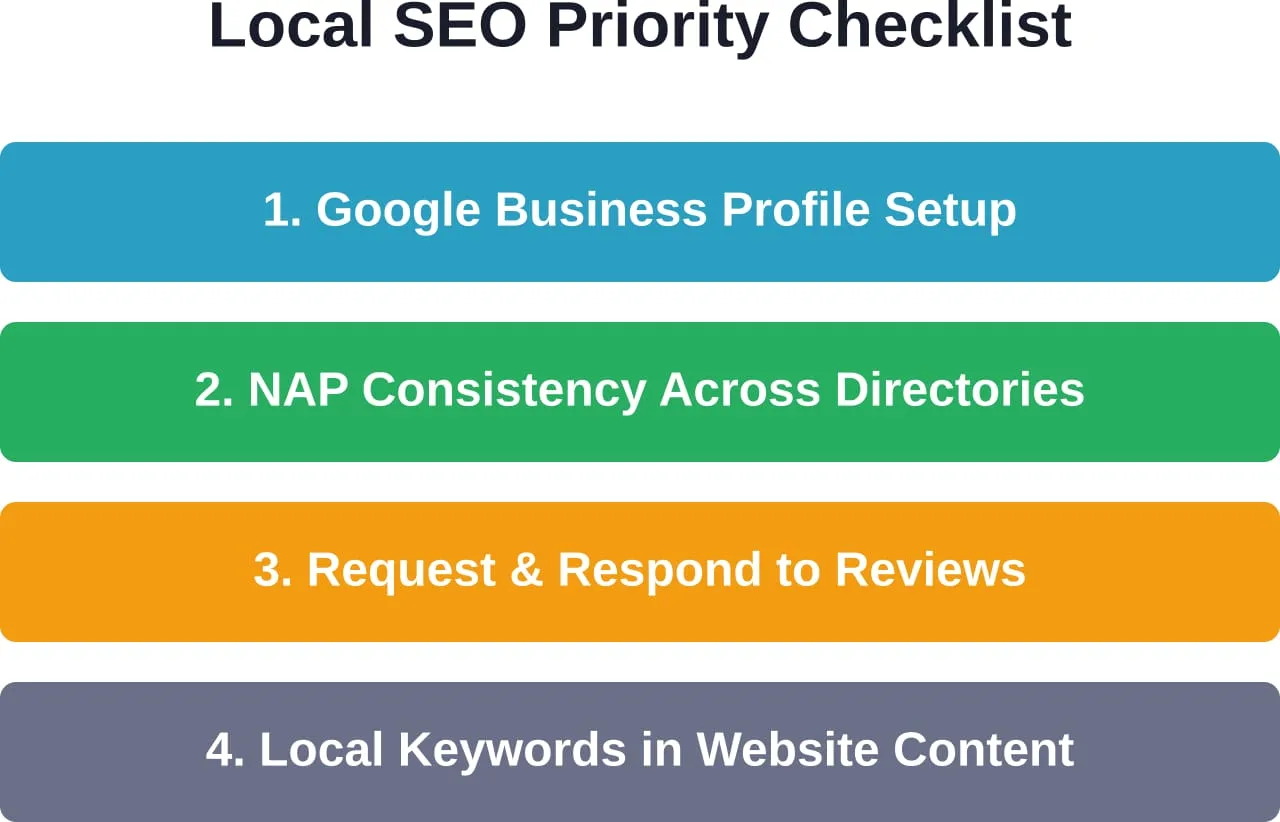
Start with Google Business Profile. This free tool determines whether someone clicks on the practice or scrolls past to a competitor. Claim the listing, verify ownership, and fill out every single field. Hours, services, photos, description—all of it.
Photos matter more than most realize. Upload images of the waiting room, treatment rooms, staff, and exterior signage. Make it feel real.
Consistency across online directories is critical. The practice name, address, and phone number (NAP) should match exactly on every platform—Yelp, Healthgrades, Zocdoc, Yellow Pages. Google notices discrepancies and penalizes rankings.
Reviews drive local rankings and conversions. Ask satisfied patients to leave feedback on Google. Don’t bribe them. Don’t write fake reviews. Just ask. Dentists who maintain strong ratings on these platforms consistently outperform competitors in local search results.
Using Local Keywords Effectively
Local keywords are search phrases that include location modifiers. “Emergency dentist Billings” converts better than generic “emergency dentist.” Location-specific terms signal to Google that the practice serves that area.
Embed these keywords naturally in website content. Service pages, blog posts, meta descriptions, headers—anywhere relevant. But don’t keyword-stuff. Write for humans first.
Ask happy patients to mention the suburb or neighborhood in their reviews. “Dr. Smith’s office in downtown Phoenix is fantastic” beats “Great dentist” for local SEO.
Google Ads for High-Intent Searches
Google Ads work when targeting high-intent keywords. People searching “emergency dentist near me” or “Invisalign consultation Chicago” are ready to book. They’re not browsing.
Focus and spend on specific services with clear intent. General terms like “dental office” burn the budget. Specific searches convert. Target cosmetic procedures, emergency services, or specialized treatments depending on what the practice offers.
Landing pages must match the ad. Someone clicking an ad for teeth whitening shouldn’t land on the homepage. Send them directly to the whitening service page with clear pricing (if comfortable sharing) and a booking button.
Set geographic targeting tight. A practice in one part of town doesn’t need ads showing 30 miles away. Keep the radius realistic based on where patients actually come from.
Patient Reviews and Testimonial Videos
Reviews build trust faster than any marketing copy. Prospective patients trust other patients more than they trust the dentist’s own claims. That’s just human nature.
Systematize review requests. After successful appointments, send a follow-up email thanking the patient and including direct links to Google, Yelp, or Facebook review pages. Make it easy. Most people who had a good experience will leave a review if asked—they just forget otherwise.
Respond to every review. Positive ones deserve thanks. Negative ones deserve professional, empathetic responses. Potential patients read both the reviews and how the practice responds. Grace under criticism signals professionalism.
Video testimonials take trust one step further. A smiling patient talking about their implant experience feels authentic in a way written reviews don’t. Film short 30-60 second clips with willing patients. Get written consent. Post them on the website, YouTube, and social media.
Social Media Marketing for Dental Practices
Social media isn’t about going viral. It’s about staying visible and building familiarity with the local community. When someone finally needs a dentist, they’ll remember the practice they’ve been seeing on Instagram for months.
Facebook and Instagram are the primary platforms for most dental practices. LinkedIn works for practices targeting professionals. TikTok can work for younger demographics if the content fits.
Instagram Reels and Stories
Short-form video dominates social algorithms right now. Instagram Reels offering quick oral health tips, behind-the-scenes office tours, or “a day in the life” content perform well.
Keep it casual. Nobody wants overly polished corporate content. Show staff personalities. Answer common questions. Demonstrate proper flossing technique. Introduce new team members.
Stories work for time-sensitive content—appointment openings, last-minute cancellations, seasonal promotions. They disappear after 24 hours, so they feel urgent.
Facebook Ads for Targeted Reach
Facebook’s targeting capabilities let practices reach specific demographics in specific locations. Target parents with young children for pediatric dentistry. Target adults 40+ for cosmetic procedures or implants.
According to competitive analysis, a practice that ran spring whitening bundles saw a 23% increase in bookings during March and April. Seasonal promotions paired with targeted ads push the undecided to act. Timing matters.
Test different ad formats—carousel ads showing before-and-after photos, video ads featuring testimonials, lead ads collecting appointment requests directly in Facebook. Track which formats drive actual bookings, not just clicks.
Email Marketing for Patient Retention
Acquiring a new patient costs more than retaining an existing one. Email keeps current patients engaged between appointments. Done well, it drives recall visits and increases case acceptance for treatment plans.
Segment the email list. Send different content to different groups. New patients get welcome sequences and first-visit information. Existing patients get oral health tips and recall reminders. Patients with incomplete treatment plans get follow-up messages.
Automated email campaigns save time. A study found that 69% of offices said automation could help reduce wasted time. Set up triggers—appointment confirmations, post-visit thank-yous, recall reminders six months after cleaning, birthday messages.
Educational content adds value beyond promotions. Share blog posts about cavity prevention, articles about the link between oral health and overall health, seasonal tips (sports mouthguards before football season, candy alternatives at Halloween).
| Email Type | Frequency | Goal |
|---|---|---|
| Welcome Series | 3 emails over 2 weeks | Orient new patients, set expectations |
| Recall Reminders | Every 6 months | Book cleaning appointments |
| Educational Newsletter | Monthly | Stay top-of-mind, provide value |
| Treatment Follow-Up | As needed | Increase case acceptance |
| Birthday Messages | Annually | Build personal connection |
Referral Programs That Actually Work
Word-of-mouth remains powerful. Referral programs systematize it. When patients refer friends or family, reward both parties:
- Keep the incentive simple: Discounts on next cleaning. Credit toward cosmetic procedures. Gift cards to local businesses. The specific reward matters less than making participation easy.
- Promote the program everywhere: On the website, in email signatures, on printed cards at checkout, in appointment reminder texts. Patients can’t participate if they don’t know it exists.
- Track referrals with a simple system: Ask new patients during intake how they heard about the practice. When someone mentions a referral, make sure both parties get their reward promptly.
Content Marketing and Blogging
Blogging positions the practice as a local authority on oral health. It also feeds SEO by creating keyword-rich pages that answer common questions:
- Write about topics patients actually search for: “How much do dental implants cost?” “What causes sensitive teeth?” “Do I really need to floss every day?” Answer thoroughly and honestly.
- Use patient questions as blog topics: If three people asked about teeth whitening options this week, hundreds more are googling it. Write that article.
- Update old posts annually: Search engines favor fresh content. A post from 2022 about dental insurance can be refreshed with current information for 2026. Change the date, update stats, republish.
SMS Reminders and Promotions
Text messages have open rates above 90%. Email hovers around 20-30%. For time-sensitive communications, SMS wins.
Appointment reminders via text reduce no-shows significantly. Send reminders 48 hours before and again 24 hours before. Include a link to confirm, reschedule, or cancel.
Promotional texts work for flash openings or last-minute availability. “We have two openings tomorrow afternoon—reply YES to the book.” Keep it short. Make the action clear.
Get explicit consent before texting. Regulations around SMS marketing are strict. Use opt-in forms on the website and in-office signup sheets. Let people opt out easily.
Community Partnerships and Local Events
Digital marketing dominates budgets, but offline community presence still matters. Visibility in the neighborhood builds trust that ads alone can’t:
- Partner with local schools for dental health education: Offer free screenings at back-to-school events. Sponsor little league teams. Present at parent-teacher meetings about children’s oral health.
- Participate in community health fairs: Set up a booth. Offer free toothbrushes and floss. Provide quick consultations or screenings. Collect contact information from interested attendees for follow-up.
- Collaborate with other local businesses: Coffee shops, gyms, salons—anywhere the target demographic frequents. Leave business cards or brochures. Offer mutual referral arrangements.
Seasonal Promotions That Drive Bookings
People procrastinate dental appointments until motivation strikes. Seasonal promotions create that motivation.
New Year brings resolution energy. Promote comprehensive exams and cosmetic consultations when people are thinking about self-improvement.
Spring cleaning extends to health. Market teeth whitening as part of spring refresh campaigns. Bundle cleanings with whitening at a discount.
The back-to-school season is perfect for pediatric marketing. Required dental exams for sports participation drive urgency. Promote quick appointments for busy families.
Holiday seasons focus on cosmetics. Everyone wants a bright smile for family photos. Push whitening, veneers, and orthodontic consultations before Thanksgiving.
Membership Plans for Uninsured Patients
Not everyone has dental insurance. In-house membership plans make care affordable while ensuring predictable revenue.
Structure plans to include preventive care—two cleanings, exams, and x-rays per year for a flat annual or monthly fee. Offer discounts on additional treatments. Price it competitively against insurance premiums.
Membership plans increase patient loyalty. People who pay upfront are more likely to use their benefits. They’re also more likely to accept treatment recommendations since they’re already invested.
Market these plans prominently. Feature them on the website homepage. Train front desk staff to explain them during scheduling calls. Include information in new patient packets.
| Marketing Strategy | Best For | Typical Timeline to Results |
|---|---|---|
| Google Business Profile SEO | All practices | 2-4 weeks |
| Google Ads | High-intent services | Immediate (with budget) |
| Facebook/Instagram Ads | Cosmetic services, new patient acquisition | 1-2 weeks |
| Email Campaigns | Patient retention | Ongoing/cumulative |
| Blogging/Content | Long-term SEO, authority building | 3-6 months |
| Referral Programs | Leveraging satisfied patients | Ongoing/varies |
Bring More Dental Leads to Your Pipeline With Lengreo
Marketing ideas for dentists should help turn online interest into real inquiries, not just add more content to the website. Lengreo can help dental businesses organize their marketing around clearer targeting, outreach, and follow-up.
Lengreo can support this through:
- SEO and content marketing
- PPC campaign management
- B2B lead generation
- LinkedIn and email outreach
- Appointment setting with qualified prospects
👉Contact Lengreo to build a more organized lead generation process for your dental business.
Tracking What Actually Works
Marketing without measurement is just spending money and hoping. Track everything. Know what drives appointments:
- Use call tracking numbers for different campaigns: Unique phone numbers for Google Ads, Facebook ads, and website listings reveal which channels drive calls. Many practice management software systems include call tracking.
- Ask every new patient how they found the practice: Train front desk staff to record this during intake. Simple options: Google search, social media, referral, insurance list, drove by.
- Monitor website analytics: Google Analytics shows which pages get traffic, how long people stay, and what they click. Look for patterns. If the teeth whitening page gets tons of traffic but few conversions, something’s off with the page or the offer.
- Calculate cost per acquisition for paid campaigns: Divide total ad spend by number of new patients acquired. If Google Ads costs $1,200 monthly and brings in 12 new patients, that’s $100 per patient. Compare that to lifetime patient value to determine if it’s sustainable.
Common Marketing Mistakes to Avoid
Some marketing approaches waste money or damage reputation. Avoid these pitfalls:
- Don’t buy fake reviews: Ever. Platforms detect patterns. Penalties include removed reviews, suspended listings, or outright bans. Plus it’s unethical. Just ask real patients for honest feedback.
- Don’t ignore negative reviews: Silence looks worse than the complaint. Respond professionally, acknowledge concerns, and offer to make it right offline. Prospective patients judge how problems are handled.
- Don’t spread the budget too thin: Better to dominate one or two channels than dabble ineffectively in six. Pick what fits the practice best—local SEO and Google Ads for most, social media if targeting specific demographics—and do those well.
- Don’t set unrealistic expectations: Marketing takes time. SEO builds over months. Brand awareness accumulates gradually. Practices that expect 50 new patients overnight from a Facebook ad end up disappointed and quit too soon.
Building a Brand Identity
Branding is more than a logo. It’s the entire experience patients associate with the practice—visual identity, messaging tone, values, and consistency across touchpoints.
According to the American Dental Association’s Guidelines for Practice Success, the purpose of your brand is to tell current and prospective patients how your practice is different from others in the area.
Visual consistency matters. Use the same colors, fonts, and style across the website, social media, printed materials, and office signage. Recognition builds familiarity. Familiarity builds trust.
The tone of voice should match the target audience. A pediatric practice can be playful and colorful. A cosmetic practice targeting professionals might be sleek and sophisticated. A family practice should feel warm and accessible.
The Shift Toward Private Equity and DSOs
The dental industry has changed dramatically. Approximately 20-40% of dental offices are corporate or DSO-affiliated, reflecting the broader trend away from solo private practices.
This consolidation makes marketing even more critical for independent practices. Competing against DSOs with centralized marketing budgets requires smarter strategy, not necessarily bigger spending.
Independent practices have advantages DSOs can’t replicate—personal relationships, community roots, flexibility to customize patient experience. Marketing should emphasize these strengths.
Moving Forward With Dental Marketing
Marketing a dental practice in 2026 requires balancing digital strategies with community presence, technical optimization with human connection, and patient acquisition with retention. The practices that succeed don’t necessarily spend the most—they spend strategically.
Start with the foundation: claim and optimize Google Business Profile, ensure website mobile-friendliness, establish consistent NAP across directories. Then layer in active strategies—Google Ads for high-intent searches, social media for brand building, email for retention, referral programs for leveraging satisfied patients.
Track everything. Measure what drives actual appointments, not just vanity metrics like likes or impressions. Adjust based on data. Double down on what works. Cut what doesn’t.
The dental industry continues shifting toward consolidation. Independent practices need smart marketing more than ever to compete. But they also have advantages—personal relationships, community trust, flexibility—that larger organizations struggle to replicate. Lean into those strengths.
Marketing isn’t optional anymore. It’s part of running a successful practice. The good news? It doesn’t require a massive budget or technical expertise. It requires consistency, authenticity, and a willingness to meet patients where they already are—searching online, scrolling social media, asking friends for recommendations.
Start small. Pick two or three strategies from this guide. Implement them consistently for six months. Measure results. Adjust and expand. That’s how sustainable growth happens.
Ready to take the next step? Audit the current online presence. Search for the practice name and location. What shows up? Is the Google Business Profile complete? Are reviews recent? Does the website load fast on mobile? Fix gaps before launching new campaigns. Strong fundamentals multiply the effectiveness of everything else.