

Quick Summary: Website development for roofing services combines strategic design, lead generation features, and mobile-first functionality to convert visitors into paying customers. A professional roofing website should showcase services with high-quality visuals, integrate lead capture forms and instant quoting tools, and maintain fast loading speeds across all devices. The right platform choice—whether WordPress, Squarespace, or specialized roofing builders—depends on your technical skills, budget, and growth plans.
Your roofing company’s website isn’t just a digital business card anymore. It’s the first place potential customers judge your professionalism, compare your services, and decide whether to call you or your competitor down the street.
But here’s the thing—most roofing websites fail spectacularly at their one job: turning visitors into leads. They’re either template disasters that scream “I spent $200 on Fiverr” or they’re beautifully designed monuments that don’t actually drive phone calls.
The difference between a roofing website that generates consistent leads and one that just sits there looking pretty comes down to strategic development. Not flashy animations. Not endless pages of content nobody reads.
Why Roofing Companies Can’t Afford Amateur Websites
According to an Adobe survey, 38% of people will abandon a site they consider poorly designed. That’s not a minor leak—that’s hemorrhaging potential customers before they even see your services.
And another 66% want to view websites with beautiful design and layout. Translation? Your roofing business is being judged on aesthetics whether you like it or not.
The roofing industry faces unique challenges. Government regulations tighten every year. Competition intensifies as new contractors enter the market. Recruitment remains a persistent headache. Against this backdrop, a website that actually works becomes a competitive advantage, not a luxury.
Studies show that 60 percent of clients acquire information about roofing businesses using search engines. If your website doesn’t rank, doesn’t load quickly, or doesn’t immediately communicate trustworthiness, you’ve already lost the majority of potential business.
Essential Features That Separate Converting Websites From Digital Brochures
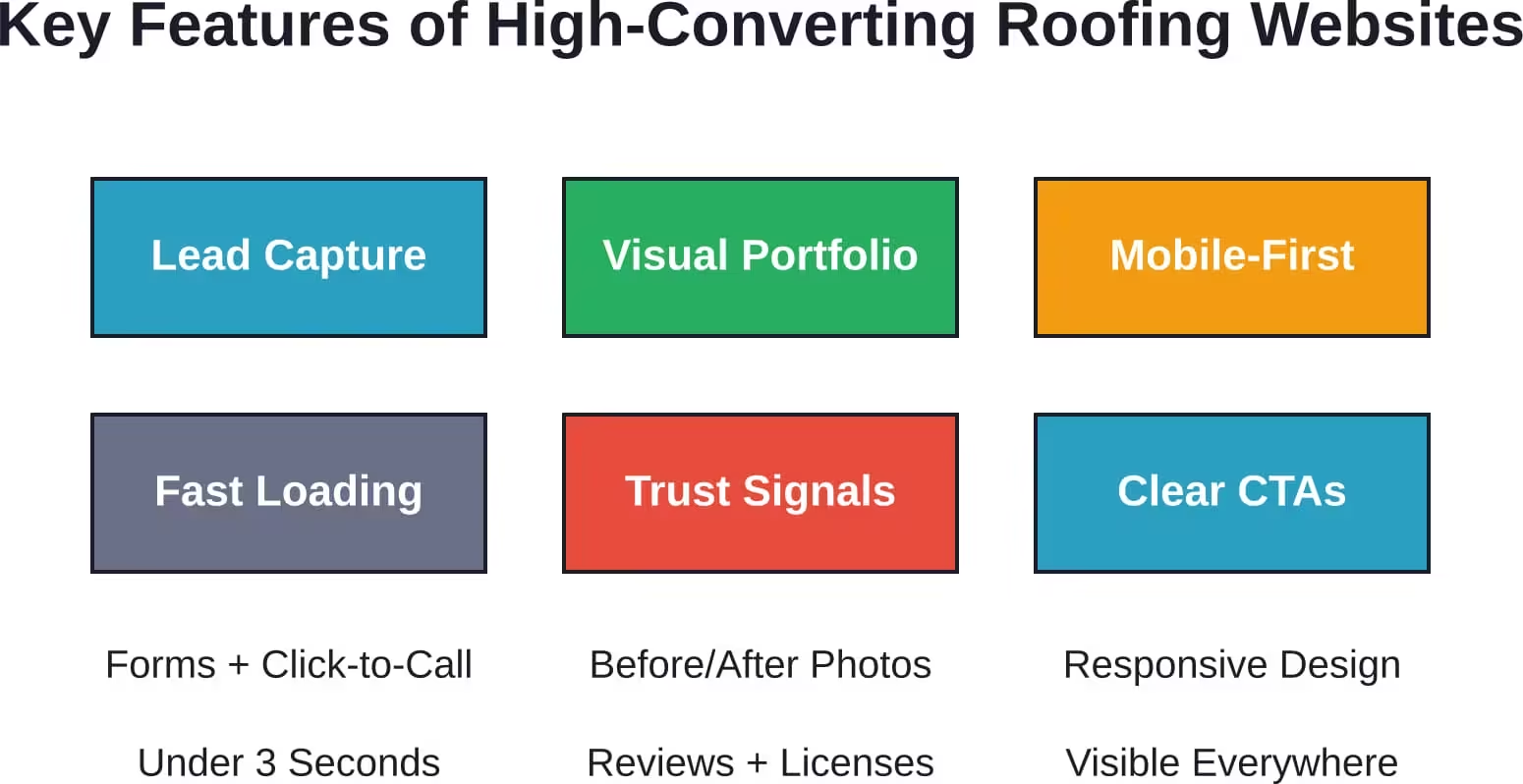
Real talk: the gap between a website that generates leads and one that wastes bandwidth comes down to specific, measurable features.
Lead Capture That Actually Works
Contact forms buried three clicks deep don’t cut it. The best roofing websites put lead capture front and center—visible above the fold on every page.
Phone numbers should be click-to-call on mobile devices. Because when someone’s roof is leaking, they’re not filling out a seven-field contact form. They’re calling the first number they see.
Quote request forms need to be simple. Name, phone, service type, zip code. That’s it. Research suggests that additional form fields can negatively impact conversion rates.
Service Showcase With Visual Proof
Homeowners don’t know the difference between architectural shingles and three-tab shingles. They do know what looks good.
High-resolution before-and-after photos of actual jobs build more trust than any paragraph of text about your “commitment to quality.” Project galleries should load quickly and display beautifully on mobile devices where most traffic originates.
Some specialized roofing website builders include manufacturer information—shingle styles, colors, warranty details—directly on the site. This positions contractors as knowledgeable partners rather than just labor providers.
Mobile-First Design Isn’t Optional
More than half of roofing website traffic comes from smartphones. If your site requires pinching and zooming to read text or tap buttons, you’re actively pushing potential customers toward competitors.
Mobile-first design means text is readable without zooming. Buttons are large enough to tap accurately. Forms work smoothly on touchscreens. Images scale appropriately without destroying load times.
Platform Selection: Matching Technology to Business Goals
The platform debate generates more confusion than clarity. WordPress versus Squarespace versus specialized roofing builders—each has legitimate use cases.
WordPress: Power and Flexibility
WordPress powers a significant portion of professional roofing websites. The appeal? Complete control over design, functionality, and scalability.
But that flexibility comes with complexity. WordPress requires ongoing maintenance, security updates, and technical knowledge. Community discussions frequently mention the learning curve and the need for quality hosting.
Premium themes and plugins range from $20 to $100+ as one-time or annual fees. Hosting adds another monthly cost. For roofing companies with in-house technical skills or budget for professional management, WordPress delivers unmatched customization.
Squarespace: Simplicity With Limitations
Squarespace appeals to contractors who want visual control without technical complexity. Templates are professionally designed and mobile-responsive out of the box.
The catch? Once a template is selected, switching becomes cumbersome. Moving to another platform later isn’t straightforward. Some users report slower load times, particularly with media-rich websites showcasing extensive project galleries.
Squarespace pricing includes: Basic Plan at $12/month, Core Plan at $17/month (for freelancers and entrepreneurs), and Advances Plan at $25/month (with additional features) if billed yearly.
Specialized Roofing Website Builders
Industry-specific platforms like RoofWebs has been providing websites for roofing contractors since 2007, celebrating 19 years of service. These builders understand roofing business needs without hand-holding.
Pre-built sections for manufacturer information, shingle styles and colors, warranty details, and service areas eliminate custom development. The team speaks the roofing industry’s language, reducing the back-and-forth typical with generalist developers.
The tradeoff? Less flexibility for unique branding or unconventional layouts. Specialized builders excel at proven conversion patterns but constrain creative experimentation.
| Platform | Best For | Technical Skill Required | Typical Cost Range |
|---|---|---|---|
| WordPress | Custom designs, full control | Moderate to High | $20-$100+/month |
| Squarespace | Quick launch, visual simplicity | Low | $12-$25/month |
| Roofing-Specific Builders | Industry features, fast setup | Low to Moderate | Variable by provider |
| Custom Development | Unique requirements, enterprise | Requires developer | $2,500-$10,000+ |
Build a Roofing Website That Actually Brings You New Inquiries
Picking a platform won’t fix weak results. What matters is whether the website is set up to support how your business attracts and converts potential clients. Lengreo builds websites with a clear focus on outcomes. Instead of treating the site as a standalone page, they develop it to support ongoing lead generation and business growth.
Get a Website Built to Support Real Client Acquisition
What you get with Lengreo:
- Focus on generating real business opportunities, not just traffic
- Strong alignment with your business goals and service structure
- Proactive approach throughout the project
- Consistent delivery aligned with timelines and scope
👉 Get a consultation with Lengreo to build a roofing website that supports your lead generation efforts.
Design Elements That Build Trust Instantly
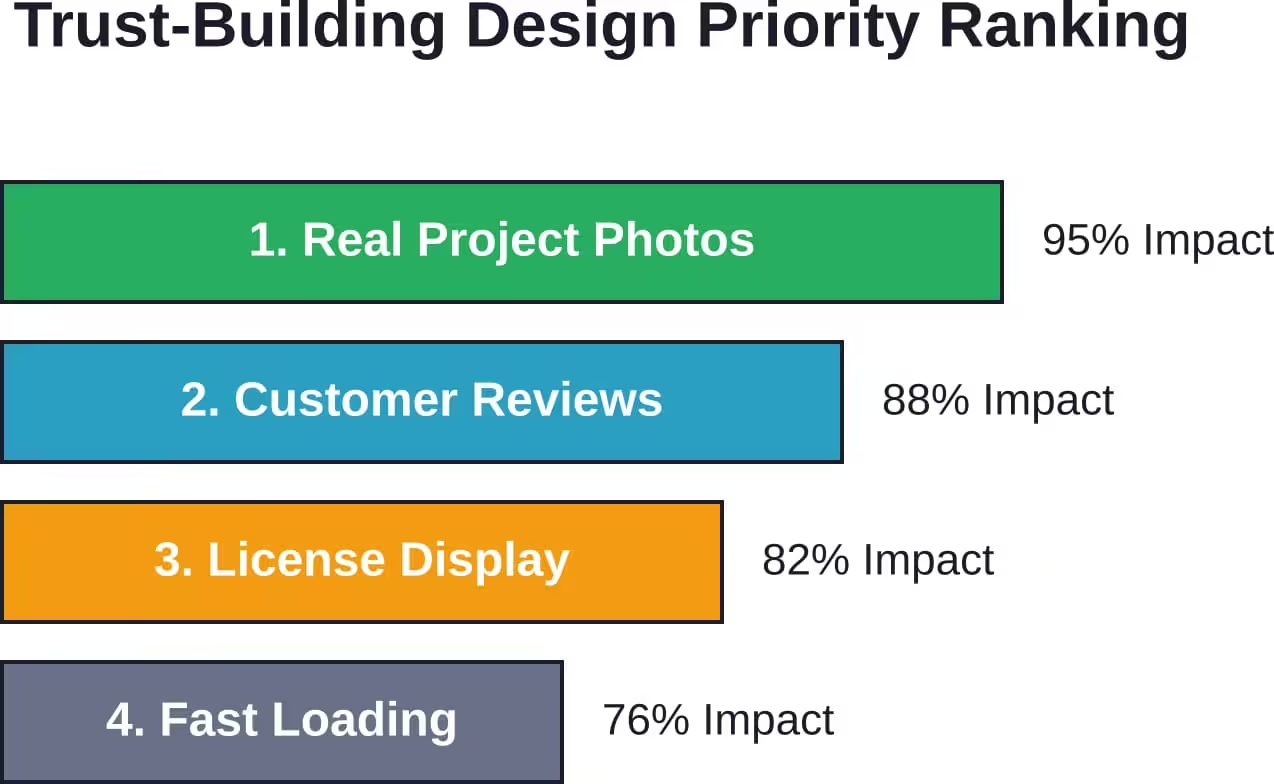
Trust doesn’t build gradually on roofing websites. It happens in the first three seconds or not at all.
Professional Photography Over Stock Images
Stock photos of models in hard hats destroy credibility instantly. Homeowners recognize generic imagery and interpret it as lack of real experience.
Authentic photos of actual crews, real projects, and local properties communicate legitimacy. Even smartphone photos of genuine work outperform polished stock imagery.
Social Proof Positioned Strategically
Reviews, testimonials, and ratings belong above the fold. Not buried at the bottom of an “About” page.
Google reviews, Better Business Bureau ratings, manufacturer certifications—these trust signals convert skeptical visitors into inquiry calls. Display them prominently.
Clear Licensing and Insurance Information
OSHA regulations establish fall protection requirements for roofing work. Standard 1926.501 addresses duty to have fall protection on walking/working surfaces 6 feet or more above lower levels. Displaying proper licensing and insurance coverage signals compliance and professionalism.
Homeowners increasingly understand contractor licensing requirements. Prominently displaying license numbers, insurance certificates, and safety certifications differentiates legitimate operators from fly-by-night crews.
Dark Themes and Visual Contrast
Dark-themed websites make roofing companies stand out in a sea of white backgrounds and generic templates. High contrast improves readability and draws attention to calls-to-action.
But dark themes require careful execution. Text must remain easily readable. Forms need sufficient contrast to be usable. Images should pop against dark backgrounds rather than disappearing.
Content Strategy Beyond Generic Service Descriptions
Most roofing websites fail at content. They list services in boring bullet points, copy competitor descriptions verbatim, and wonder why nobody calls.
Educational Content That Establishes Authority
Homeowners search for answers before they search for contractors. “How long does a roof replacement take?” “What’s the difference between repair and replacement?” “How do I know if I need a new roof?”
Answering these questions through blog posts, FAQs, and resource pages establishes expertise. It also captures search traffic earlier in the buyer journey, building relationships before the urgent need hits.
Location-Specific Service Pages
Generic “We serve the Greater Metro Area” content doesn’t rank in local search. Dedicated pages for each service area—with specific references to local landmarks, neighborhoods, and regional considerations—perform significantly better.
Content doesn’t need to be lengthy. Two hundred words about specific roofing considerations in a particular city (weather patterns, common architectural styles, local building codes) outran thin content spread across dozens of generic pages.
Manufacturer and Material Information
The National Roofing Contractors Association (NRCA) emphasizes staying current with roofing industry standards and building code requirements. Displaying manufacturer partnerships, material specifications, and installation guidelines positions contractors as knowledgeable professionals.
Including shingle styles and colors directly on websites—complete with visual samples and warranty information—helps homeowners make informed decisions before the initial consultation. This pre-education shortens sales cycles and improves close rates.
Technical Performance Considerations
Beautiful design means nothing if the website loads slowly or breaks on certain devices.
Page Speed as a Conversion Factor
Every second of load time costs conversions. Sites that load in under three seconds convert significantly better than those taking five or six seconds.
Image optimization makes the biggest impact. Roofing websites with extensive photo galleries often suffer from uncompressed images. Proper compression, lazy loading, and modern image formats (WebP) maintain visual quality while dramatically reducing load times.
Accessibility Beyond Compliance
Web accessibility isn’t just about legal compliance. It’s about reaching every potential customer, including those using assistive technologies.
Proper heading hierarchy, alt text for images, sufficient color contrast, and keyboard navigation support make websites more usable for everyone. These same practices also improve search engine optimization since crawlers interpret accessible markup more effectively.
Security and SSL Certificates
Browsers now flag non-HTTPS websites as “Not Secure.” This warning destroys trust before visitors even see content.
SSL certificates encrypt data transmission between browser and server. For roofing websites collecting contact information and quote requests, this encryption isn’t optional—it’s foundational to legitimate business operations.
Lead Generation Features That Drive Phone Calls
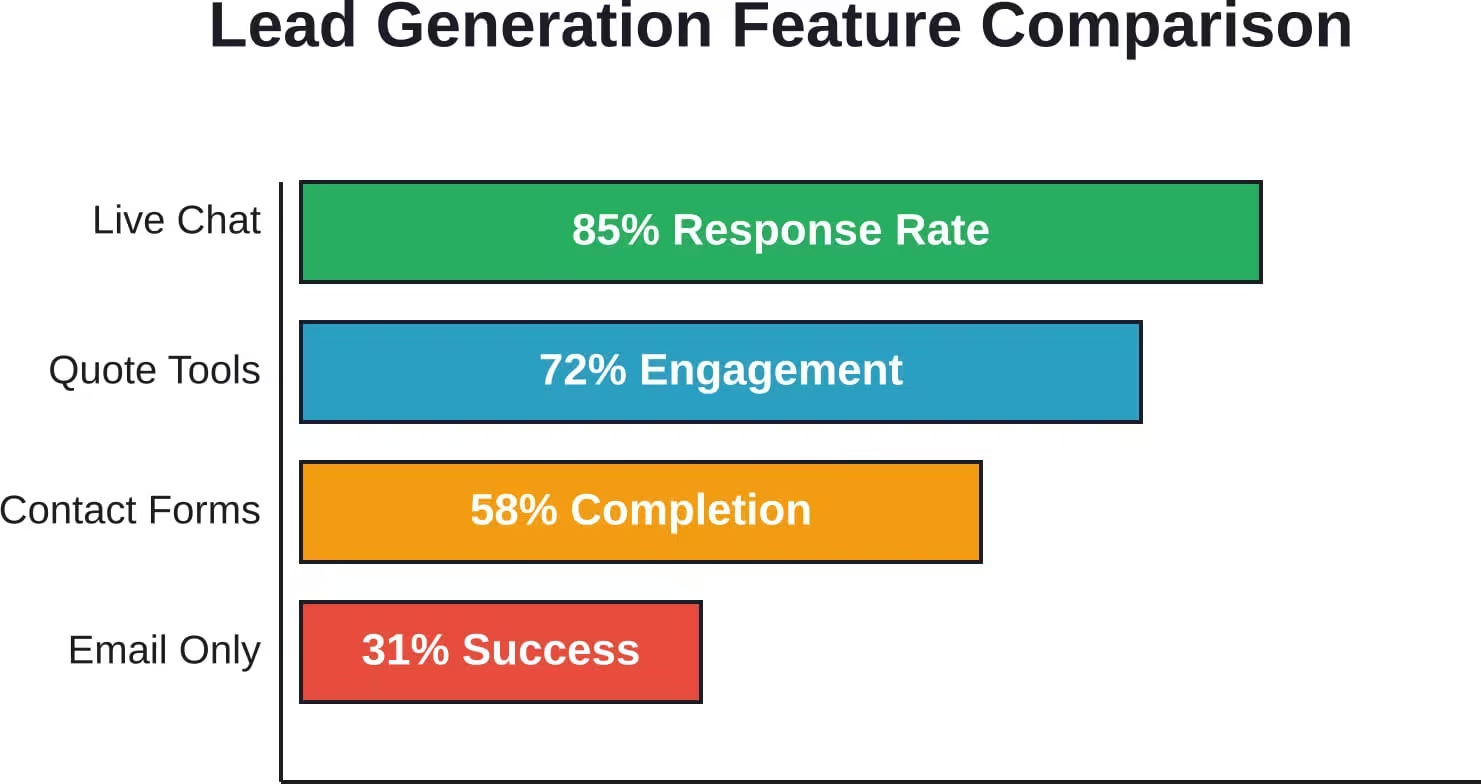
The ultimate measure of roofing website success isn’t traffic or time-on-site. It’s qualified leads that convert to jobs.
Live Chat and Instant Response
Chat functionality can allow contractors to engage website visitors from anywhere, potentially addressing visitor inquiries outside standard business hours.
Even automated chatbots that capture basic information and set expectations for follow-up timing outperform static contact forms. The perception of immediate response increases inquiry rates.
Instant Quote Calculators
Rough estimate tools based on roof size, pitch, and material selection provide immediate value to visitors. These calculators rarely produce final pricing, but they engage prospects and collect contact information for detailed quotes.
The psychology works because homeowners want ballpark numbers before investing time in consultations. Providing that transparency builds trust and generates qualified leads from people serious about moving forward.
Service Area Maps
Interactive maps showing coverage areas answer the fundamental question: “Do they even serve my location?”
Zip code lookup tools or clickable county maps immediately qualify or disqualify visitors. This saves time for both homeowners and contractors while improving the quality of incoming leads.
Ongoing Maintenance and Content Updates
Launching a website isn’t a one-time project. It’s the beginning of ongoing optimization and maintenance.
Regular Content Refreshes
Search engines favor fresh content. Adding new project photos, updating service descriptions, and publishing seasonal tips keeps websites relevant in search rankings.
A website showcasing projects from 2019 signals stagnation. Monthly updates—even simple blog posts or new portfolio entries—demonstrate active business operations.
Performance Monitoring
Analytics reveal what’s working and what’s failing. Which pages generate the most leads? Where do visitors drop off? What search terms bring qualified traffic?
Monthly review of basic metrics (traffic sources, top pages, conversion rates, bounce rates) guides strategic improvements. This data-driven approach beats guesswork every time.
Technical Updates and Security Patches
The NRCA emphasizes that roof system maintenance determines lifespan and cost-effectiveness. The same principle applies to websites.
Platform updates, plugin patches, security fixes—neglecting these maintenance tasks leads to broken functionality, security vulnerabilities, and eventually complete site failures. Regular maintenance prevents expensive emergency fixes.
Budget Considerations and ROI Expectations
Website development costs vary dramatically based on approach, platform, and complexity.
Initial Development Investment
DIY approaches using website builders minimize upfront costs but require significant time investment. Template-based solutions through platforms like Squarespace run $14-$23 monthly plus annual domain registration.
Professional custom development ranges from $2,500 to $10,000+ depending on features, design complexity, and content requirements. This investment includes strategic planning, custom design, professional copywriting, and technical implementation.
Ongoing Monthly Costs
Beyond initial development, websites incur monthly expenses for hosting, maintenance, security, and marketing.
One roofing web design company lists estimated monthly budgets ranging from $2,500-$5,000 per month up to $50,000+ per month depending on business size and goals.
Measuring Return on Investment
A roofing website that generates one additional job per month easily justifies its development and maintenance costs. Most residential roofing projects carry margins that dwarf website expenses.
Track lead sources religiously. Ask every caller how they found the company. Calculate cost-per-lead and cost-per-acquisition. These metrics reveal whether website investment generates positive returns or needs strategic adjustment.
| Investment Level | Initial Cost | Monthly Cost | Best For |
|---|---|---|---|
| DIY Builder | $0-$500 | $12-$50 | Startups testing the market |
| Template Professional | $1,000-$3,000 | $100-$300 | Established solo contractors |
| Custom Development | $5,000-$15,000 | $500-$2,000 | Growing companies |
| Enterprise Solution | $15,000+ | $2,500-$10,000+ | Multi-location operations |
Common Website Development Mistakes to Avoid
Certain mistakes plague roofing websites repeatedly. Learn from others’ failures.
Prioritizing Design Over Functionality
A gorgeous website that doesn’t generate leads is an expensive failure. Function trumps form every time.
Flashy animations, complex navigation, and artistic layouts often sacrifice usability. The best roofing websites balance professional aesthetics with straightforward functionality focused on lead capture.
Neglecting Mobile Experience
Testing websites only on desktop computers misses the majority user experience. Mobile traffic dominates, yet many roofing sites remain barely functional on smartphones.
Test ruthlessly on actual mobile devices—not just browser emulators. Forms should be easy to complete on small screens. Images should load quickly on cellular connections. Navigation should work smoothly with touch input.
Copying Competitor Content
Duplicating service descriptions from competitor websites tanks search rankings and eliminates differentiation. Search engines penalize duplicate content.
Original content tailored to specific service areas, company strengths, and target customers performs infinitely better than recycled generic descriptions.
Forgetting About Local SEO
Roofing is inherently a local business. Websites that ignore local search optimization miss their primary traffic source.
Google Business Profile optimization, local directory listings, location-specific content, and proper schema markup all contribute to local search visibility. These tactics matter more than national SEO strategies for service-area businesses.
Moving Forward With Strategic Website Development
Website development for roofing services isn’t about following templates or copying competitors. It’s about building digital infrastructure that consistently generates qualified leads and supports business growth.
The best roofing websites combine strategic design, compelling content, technical excellence, and conversion optimization. They showcase real work through authentic photography. They make contact effortless through multiple channels. They load quickly on every device.
Start with clear business goals. How many leads does the website need to generate monthly? What services deserve priority promotion? Which geographic areas matter most?
Match platform and development approach to technical skills, budget, and timeline. A well-executed template beats an abandoned custom project every time.
Invest in professional photography of actual projects. Optimize every image for fast loading. Write original content focused on local service areas. Display licenses, insurance, and certifications prominently.
Monitor performance monthly. Track what works. Fix what doesn’t. Test variations. Optimize continuously.
The roofing companies that treat websites as ongoing strategic assets rather than one-time expenses consistently outperform competitors still relying on referrals and yard signs alone.
Ready to build a roofing website that actually generates leads? Start by auditing current online presence, defining clear business objectives, and selecting a development approach that matches capabilities and budget. The investment in strategic website development pays dividends in consistent lead flow and reduced customer acquisition costs for years to come.