

Quick Summary: Website development for HVAC companies is crucial for lead generation in a $25.1 billion U.S. market growing at 5.6% annually. A professional HVAC website serves as a virtual sales representative, converting mobile-first traffic (76-80% of queries) into booked service calls through custom design, local SEO, and conversion-focused features tailored to heating and cooling contractors.
The HVAC industry isn’t what it used to be. The U.S. HVAC systems market is valued at approximately $25.1 billion in 2026, following several years of accelerated growth driven by electrification and federal incentives.
Most contractors still think of their website as an online business card. That’s leaving money on the table.
A properly developed HVAC website functions as your best salesperson—working 24/7, fielding inquiries, and converting visitors into scheduled service calls. But here’s the thing: more than 76% of all HVAC website queries now happen on mobile devices. If your site can’t handle that traffic, you’re losing leads before they even reach your phone number.
Why Website Development Matters for HVAC Businesses
Look, homeowners searching for emergency furnace repair at 11 PM aren’t browsing Yellow Pages. They’re on their phones, comparing contractors, reading reviews, and booking appointments before their first cup of coffee.
The numbers tell the story. Americans spend approximately $14 billion annually on HVAC services and repairs, with roughly 3 million system replacements happening each year. That’s significant market opportunity—but only if potential customers can find your business online.
HVAC systems account for up to 60% of building energy usage, which means energy efficiency standards drive purchasing decisions. The Department of Energy recently finalized updated appliance standards projected to save Americans approximately $33 billion over 30 years and reduce 134 million metric tons of CO2 emissions. Contractors who communicate expertise in high-efficiency systems through their websites position themselves to capture environmentally conscious customers.
Real talk: your competitors already understand this. The question isn’t whether you need a professional website—it’s whether yours converts better than theirs.
Build HVAC Websites That Work in Practice With Lengreo
Lengreo develops websites for HVAC companies where services, locations, and contact flows need to be clear and functional. The focus is on making the site easy to use, fast to load, and structured for real service-based use.
Need a Website for HVAC Services?
Lengreo can help with:
- structuring service pages
- improving local visibility
- simplifying navigation
- setting up contact and request flows
👉 Contact Lengreo to discuss your website and setup.
Core Elements of Effective HVAC Website Development
Building an HVAC website isn’t rocket science, but it requires specific elements that heating and cooling businesses need. Generic website templates don’t cut it.
Mobile-First Design Architecture
With over 76% of HVAC searches happening on mobile devices, responsive design isn’t optional anymore. Mobile-first development means building for smartphones first, then scaling up to tablets and desktops.
That means touch-friendly buttons, readable text without zooming, and fast load times even on slower cellular connections. Google prioritizes mobile-friendly sites in search rankings, so this directly impacts your visibility.
Conversion-Focused Contact Methods
The goal isn’t just traffic—it’s booked jobs. Every page needs clear calls to action with multiple contact options.
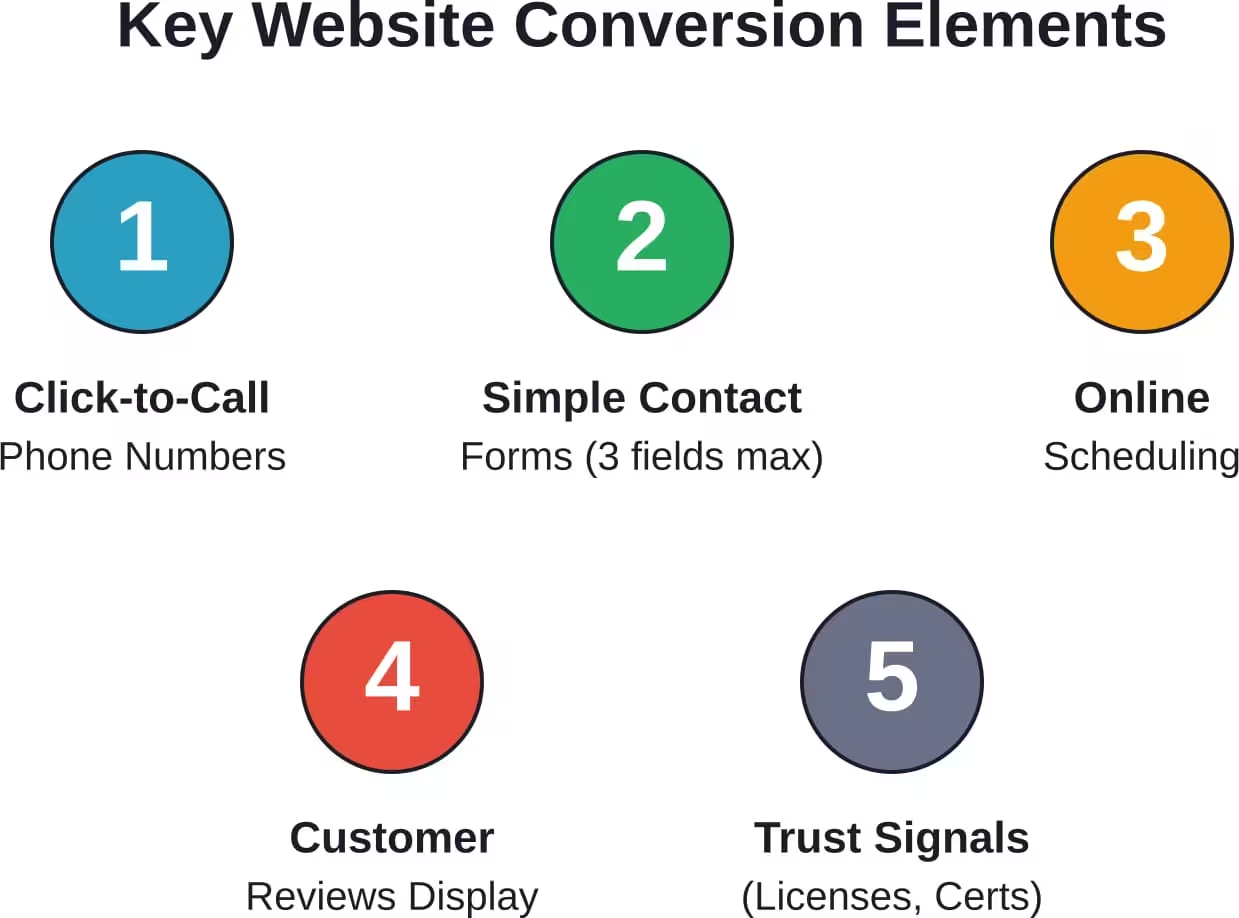
Phone numbers should be click-to-call on mobile. Contact forms should be short (name, phone, service needed—that’s it). Live chat functionality captures leads who won’t fill out forms. Online scheduling tools let customers book appointments without calling.
But wait. Don’t overwhelm visitors with too many choices. Research shows decision paralysis kills conversions. Pick 2-3 contact methods and make them prominent.
Service Area Pages and Local SEO
HVAC is a local business. Homeowners in Dallas don’t care about your excellent service in Denver.
Dedicated pages for each service area help search engines connect your business to local searches. These pages should include city names, nearby neighborhoods, and local landmarks. Add customer testimonials from that specific area when possible.
Google Business Profile integration ties everything together. When someone searches “AC repair near me,” proper local SEO gets your business in that map pack at the top of results.
Custom Development vs. Template-Based Solutions
Here’s where contractors often get stuck: custom design or website builder templates?
Template solutions cost less upfront—sometimes as low as $15-$50 for stock themes. But they come with limitations. Generic templates can prevent pages from ranking well because hundreds of other sites use identical code. Customization options are restricted, and the design may not align with HVAC-specific needs.
Custom development costs more initially but delivers websites built specifically for heating and cooling contractors. The design reflects your brand, not a generic template. Functionality matches how your business actually operates. And once built, the website is 100% yours—no ongoing template licensing fees.
| Feature | Template Solutions | Custom Development |
|---|---|---|
| Initial Cost | $15-$50 theme | Higher upfront investment |
| Customization | Limited options | Fully tailored design |
| SEO Performance | Generic structure | Optimized for HVAC searches |
| Ownership | Template licensing | 100% owned asset |
| Timeline | Quick setup | Longer development period |
| Long-term Value | Moderate | High ROI potential |
Platform Considerations
WordPress dominates HVAC website development for good reason. The platform offers flexibility, extensive plugin options for HVAC-specific features, and straightforward content management for contractors who aren’t tech-savvy.
Other platforms like Webflow provide design flexibility with visual builders. These work well for contractors who want more control over aesthetics without coding knowledge.
The platform matters less than the implementation. A poorly built WordPress site performs worse than a well-executed template site.
Essential Pages Every HVAC Website Needs
Certain pages aren’t optional—they’re fundamental to converting visitors into customers.
Homepage That Converts
The homepage has one job: communicate what you do and why visitors should choose you, fast. Most visitors decide within seconds whether to stay or bounce.
Lead with your unique value proposition. “24/7 Emergency HVAC Service” or “Licensed Technicians, No Overtime Charges” tells visitors immediately what sets you apart. Include service area coverage, years in business, and major certifications above the fold.
High-quality photos of actual technicians (not stock photos) build trust. Video testimonials outperform text reviews. And every homepage needs a clear call to action—preferably multiple CTAs as visitors scroll.
Service-Specific Landing Pages
Generic “Our Services” pages underperform. Dedicated pages for each major service category capture more specific search traffic.
Separate pages for furnace repair, AC installation, duct cleaning, preventive maintenance, and emergency services let you target keywords for each offering. Each page should explain the service, outline what customers can expect, list pricing factors (even if not exact prices), and include relevant certifications.
For commercial HVAC contractors, separate commercial and residential service pages. The decision-makers, concerns, and sales cycles differ completely.
About Page With Trust Signals
Homeowners invite HVAC technicians into their homes. Trust matters enormously.
The About page should showcase licensing, insurance coverage, industry certifications, and technician training. Photos of the team humanize your business. Years in business and number of customers served provide social proof.
ASHRAE (American Society of Heating, Refrigerating and Air-Conditioning Engineers) certifications demonstrate technical expertise. ENERGY STAR partnership shows commitment to energy efficiency. These credentials differentiate qualified contractors from unlicensed competition.
Technical Performance Requirements
Beautiful design means nothing if the site loads slowly or crashes under traffic.
Page Speed Optimization
Google considers page speed a ranking factor. More importantly, users abandon slow sites. Even one-second delays in load time significantly reduce conversion rates.
Image optimization makes the biggest impact for most HVAC sites. Photos should be compressed and properly sized—no uploading 5MB images straight from your phone. Lazy loading defers loading images until users scroll to them.
Code minification removes unnecessary characters from HTML, CSS, and JavaScript. Browser caching stores static resources so returning visitors load pages faster. Content delivery networks (CDNs) serve files from servers geographically closer to users.
Security and Compliance
SSL certificates (the padlock in browsers) are mandatory. Google flags sites without HTTPS as “not secure,” scaring away visitors. Many browsers now block non-HTTPS sites entirely.
Regular security updates prevent hacking. WordPress and plugins release security patches frequently—sites running outdated software become easy targets. Automated backups ensure recovery if something goes wrong.
For contractors collecting payment information online, PCI compliance requirements apply. Most payment processors handle this, but the website integration must maintain security standards.
Content Strategy for HVAC Websites
Technical performance gets visitors to your site. Content converts them into leads.
Educational Blog Content
Regular blog posts position contractors as local HVAC experts while capturing search traffic. Articles addressing common homeowner questions drive organic traffic.
Topics like “How Often Should I Replace My Air Filter” or “What SEER Rating Do I Need” target informational searches. When homeowners research these topics and find your site, they remember your brand when repair needs arise.
Updated energy efficiency standards create ongoing content opportunities. The Department of Energy finalized efficiency standards requiring 95% annual fuel utilization efficiency for residential gas furnaces starting in late 2028. Contractors who explain these changes build authority and capture homeowners researching compliant systems.
Service Area Content
Dedicated content for each service area improves local search visibility. City-specific blog posts, case studies from local projects, and neighborhood guides demonstrate local presence.
This content shouldn’t feel forced. Write naturally about serving specific communities, reference local landmarks, and include genuine customer stories from those areas.
Video Content Integration
Video testimonials outperform written reviews for building trust. Short explainer videos showing common repairs or maintenance procedures demonstrate expertise. Virtual facility tours introduce the team and build connection.
Video doesn’t require professional production. Smartphone footage works fine if the content provides value and audio quality is clear.
Lead Generation Features and Tools
The website exists to generate leads. Specific features dramatically improve conversion rates.
Online Scheduling Systems
Customers increasingly prefer booking appointments online rather than calling. Integrated scheduling tools let visitors see available time slots and book service calls directly.
Real-time availability syncing prevents double-bookings. Automated confirmation emails reduce no-shows. SMS reminders improve appointment adherence.
For emergency HVAC services, always provide prominent phone numbers alongside scheduling tools. Homeowners with no heat in winter won’t wait for an appointment confirmation email.
Live Chat and Chatbots
Live chat captures leads who prefer instant responses over phone calls or form submissions. Even basic chatbots answering frequently asked questions improve engagement.
The key is immediate response. Delayed chat responses frustrate visitors worse than no chat option at all. If live staffing isn’t feasible, chatbots should clearly state they’re automated and offer to connect visitors with a human during business hours.
Financing Information and Calculators
HVAC system replacements represent significant investments. ENERGY STAR-qualified residential central air conditioners carry a price premium compared to less efficient models, though efficiency improvements through higher SEER2 ratings reduce operating costs.
Financing options remove purchase barriers. Websites should clearly explain available financing terms, qualification requirements, and monthly payment estimates. Interactive calculators help homeowners estimate costs for different system options.
Integration With Digital Marketing Channels
The website doesn’t exist in isolation—it anchors broader digital marketing efforts.
Search Engine Optimization
SEO drives organic traffic without ongoing ad spend. Proper keyword research identifies what local customers actually search. Technical SEO ensures search engines can crawl and index the site properly. Content optimization targets those keywords naturally.
Local SEO matters most for HVAC contractors. Google Business Profile optimization, local citations, and location-based keywords drive nearby customers who need immediate service.
Pay-Per-Click Advertising Landing Pages
PPC campaigns direct traffic to the website. Generic landing pages waste ad spend—dedicated landing pages matching ad copy improve conversion rates significantly.
If the ad promises “$99 AC Tune-Up Special,” the landing page should lead with that offer, not general company information. Remove navigation menus to keep visitors focused on conversion. Include trust signals like certifications and reviews.
Email Marketing Integration
Email list building starts on the website. Newsletter signup forms, seasonal maintenance reminders, and exclusive offers encourage visitors to share contact information.
Automated email sequences nurture leads not ready to book immediately. A homeowner researching AC replacement in November might not purchase until next summer—email sequences keep the contractor top-of-mind when buying season arrives.
Measuring Website Performance
Development doesn’t end at launch. Ongoing measurement identifies improvement opportunities.
Analytics Setup and Tracking
Google Analytics tracks visitor behavior, traffic sources, and conversion paths. Proper setup requires goal tracking for key actions: form submissions, phone calls, appointment bookings, and email signups.
Call tracking numbers attribute phone leads to specific marketing channels. When different numbers appear on the website, Google Ads, and direct mail, contractors know which channels drive calls.
Heat mapping tools show where visitors click, how far they scroll, and where they abandon forms. This data reveals friction points killing conversions.
Key Performance Indicators
Traffic volume matters less than conversion rate. A site generating 500 visits and 15 leads outperforms one with 2,000 visits and 10 leads.
Track bounce rate (visitors leaving after viewing one page), average session duration, and pages per session. High bounce rates indicate irrelevant traffic or poor user experience. Low session duration suggests content doesn’t engage visitors.
Conversion rate by traffic source reveals which marketing channels deliver quality leads. Organic search might convert at 5% while social media traffic converts at 1%—that insight shapes marketing budget allocation.
A/B Testing for Continuous Improvement
Testing different headlines, CTA button colors, form layouts, and page structures identifies what resonates with the target audience. Even small improvements compound over time.
Test one element at a time to isolate what drives results. Changing headlines, images, and CTAs simultaneously makes it impossible to know which change improved performance.
Common HVAC Website Development Mistakes
Certain pitfalls repeatedly derail HVAC websites. Avoiding these saves time and money.
Prioritizing Aesthetics Over Function
Beautiful design that doesn’t convert wastes resources. The primary goal is generating leads, not winning design awards.
That doesn’t mean aesthetics don’t matter—professional design builds trust. But functionality takes priority. A simple site with clear CTAs outperforms a gorgeous site with buried contact information.
Neglecting Mobile Experience
With over 76% of HVAC searches happening on mobile, desktop-focused design alienates most potential customers. Testing must include actual mobile devices, not just browser responsive design tools.
Touch targets need adequate spacing. Text must be readable without zooming. Forms should minimize typing with dropdown menus and autofill support.
Missing Local SEO Elements
Generic websites fail to capture local search traffic. Every page should include city names, service areas, and local landmarks where natural.
Google Business Profile listings must match website information exactly—inconsistent business names, addresses, or phone numbers harm local rankings. Citations across online directories reinforce local relevance.
Outdated Content and Information
Websites advertising 2020 service specials in 2026 signal neglect. Outdated blog posts, broken links, and old testimonials erode trust.
Regular content updates demonstrate active business operation. Fresh blog posts improve SEO. Updated service offerings reflect current capabilities. Recent reviews show ongoing customer satisfaction.
Industry Standards and Compliance Considerations
HVAC contractors must navigate various standards affecting website messaging.
Energy Efficiency Standards
The Department of Energy regularly updates appliance efficiency standards. Current standards require residential gas furnaces to achieve 95% annual fuel utilization efficiency starting in late 2028, up from current requirements.
These standards reduce gas furnace energy consumption for residential buildings. Contractors should explain these standards on websites to educate customers about efficiency benefits and regulatory requirements.
ENERGY STAR certification indicates products meeting strict efficiency criteria. ENERGY STAR residential central air conditioners meet higher efficiency standards than baseline models, reducing annual energy consumption.
Homeowners researching replacement systems benefit from this context to make informed decisions about their options.
ASHRAE Standards for Design
ASHRAE (American Society of Heating, Refrigerating and Air-Conditioning Engineers) publishes design standards and guidelines for HVAC systems. Standards 62.1 and 62.2 establish minimum ventilation rates and acceptable indoor air quality for commercial and residential applications.
Commercial contractors should reference ASHRAE compliance in website content to demonstrate technical expertise and adherence to industry best practices. These standards address system design, indoor air quality, and building water systems management.
Future-Proofing Your HVAC Website
Technology evolves rapidly. Building adaptability into website development extends useful life.
Scalable Architecture
As businesses grow, websites must accommodate additional service areas, expanded service offerings, and larger content libraries. Scalable architecture prevents costly rebuilds.
Content management systems like WordPress handle growth well with proper planning. Hosting should support increased traffic as marketing efforts expand. Database structure must accommodate growing customer databases and content archives.
Integration Capabilities
Modern HVAC businesses use various software tools: scheduling systems, CRM platforms, accounting software, and marketing automation. Website integration with these tools streamlines operations.
API connections sync data between systems automatically. Form submissions flow directly into CRM databases. Scheduled appointments sync with dispatch software. Email signups trigger marketing automation sequences.
Emerging Technologies
Voice search optimization becomes increasingly important as smart speakers proliferate. Conversational keyword targeting captures voice queries differing from typed searches.
AI chatbots grow more sophisticated, handling complex customer service inquiries without human intervention. Video content continues gaining importance, with live streaming offering real-time customer engagement opportunities.
Augmented reality applications let homeowners visualize different HVAC equipment in their spaces before purchase. Progressive web apps blend website functionality with mobile app capabilities.
But here’s the thing: don’t chase every trend. Adopt technologies that solve real customer problems and improve business operations, not just novel features.
Taking Action on Website Development
The U.S. HVAC systems market is valued at approximately $25.1 billion in 2026, following several years of accelerated growth driven by electrification and federal incentives. With Americans spending $14 billion yearly on HVAC services and completing 3 million system replacements annually, market opportunity is substantial.
Contractors capturing this demand need websites functioning as virtual salespeople—converting mobile-dominant traffic into scheduled service calls around the clock. Generic templates and outdated designs leave money on the table.
Start by auditing your current website against the elements covered here. Does it perform well on mobile devices? Do clear calls to action appear on every page? Is local SEO optimization in place? Can visitors easily book appointments or request service?
If gaps exist, prioritize fixes based on impact. Mobile optimization and clear contact methods deliver immediate conversion improvements. Service area pages and blog content build long-term organic traffic. Integration with scheduling and CRM systems streamlines operations as lead volume grows.
The best time to improve your HVAC website was yesterday. The second best time is today. In a market projected to grow significantly by 2030, effective digital presence separates thriving contractors from those struggling to compete.
Your website works 24/7, captures leads while you sleep, and costs far less than traditional advertising per acquired customer. The question isn’t whether professional website development delivers ROI—it’s how quickly you’ll implement it.