


Quick Summary: Measuring SEO involves tracking key metrics like organic traffic, keyword rankings, conversions, and technical health using tools like Google Search Console and Google Analytics. Focus on metrics that align with business goals rather than vanity numbers, monitor performance over time to identify trends, and adjust strategy based on data-driven insights to improve search visibility and ROI.
Search engine optimization demands patience, consistent effort, and strategic execution. But here’s the challenge: how do professionals know whether their work actually drives results?
Without proper measurement, SEO becomes guesswork. Teams invest months optimizing content, building links, and fixing technical issues with no clear way to assess impact. The solution lies in tracking the right metrics with appropriate tools.
This guide breaks down exactly which SEO metrics matter, how to track them effectively, and what the data reveals about campaign performance.
Understanding SEO Performance vs. SEO Results
Before diving into specific metrics, it’s essential to distinguish between performance indicators and actual business results.
SEO performance focuses on search engine-specific metrics like rankings, impressions, and click-through rates. These indicators show how well a website competes in search results for targeted keywords.
SEO results, on the other hand, connect directly to business outcomes: conversions, revenue, qualified leads, and customer acquisition cost. According to Google Search Console documentation, understanding both categories creates a comprehensive picture of how audiences discover and experience websites.
Most successful campaigns track both. Performance metrics diagnose problems and identify opportunities. Result metrics prove ROI and justify continued investment.
Essential SEO Metrics to Track
Not all metrics deserve equal attention. Based on analysis of top-performing SEO campaigns, these measurements provide the most actionable insights.
1. Organic Traffic
Organic traffic represents visits originating from unpaid search engine results. It’s the most fundamental SEO metric because it directly reflects search visibility.
According to data from UNC School of Medicine’s 2025 web analytics, organic search drove approximately 76% of all sessions, while combined social media referrals accounted for approximately 1%. This reinforces that search engines remain the dominant discovery channel.
Track organic traffic trends over time rather than fixating on daily fluctuations. Month-over-month and year-over-year comparisons reveal whether SEO efforts generate sustainable growth.
Look for these patterns:
- Steady upward trajectory indicates healthy campaign progress
- Sudden spikes often correlate with specific ranking improvements
- Unexpected drops signal technical problems or algorithm updates
- Seasonal variations that repeat annually
2. Keyword Rankings
Keyword rankings show where pages appear in search results for targeted queries. Rankings directly influence visibility and click-through potential.
Research indicates that the first result in Google’s organic search ranking has significantly higher CTR than lower-ranked positions. This dramatic difference makes tracking ranking positions critical.
However, rankings alone don’t tell the complete story. A top ranking for a low-volume keyword with poor commercial intent delivers minimal business value. Prioritize tracking keywords that:
- Have meaningful search volume in the target market
- Demonstrate clear user intent aligned with business offerings
- Generate qualified traffic that converts
- Face realistic competition levels given current domain authority
According to industry analysis, achieving first page rankings typically takes approximately 6 months at campaign start, with faster results possible after a year of consistent optimization.
3. Click-Through Rate (CTR)
CTR measures the percentage of searchers who see a listing in results and click through to the website. According to Google Search Console Performance report documentation, this metric helps identify which pages achieve high versus low engagement from search results.
Strong CTR indicates compelling title tags and meta descriptions that resonate with searcher intent. Low CTR despite good rankings suggests messaging problems or SERP features capturing clicks.
Compare CTR across different pages and query types to identify optimization opportunities. Pages with high impressions but low CTR need improved meta content or schema markup.
4. Conversions and Goal Completions
Conversions connect SEO efforts to business outcomes. This metric tracks how many organic visitors complete desired actions like purchases, form submissions, downloads, or account registrations.
According to Moz’s professional SEO guide, tracking conversion rate alongside traffic volume prevents focusing solely on vanity metrics. A campaign that doubles traffic but halves conversion rate actually damages business performance.
Set up goal tracking in analytics platforms to monitor:
- Primary conversions (purchases, qualified leads)
- Micro-conversions (email signups, content downloads)
- Engagement milestones (video views, tool usage)
- Page depth and time on site for content consumption
5. Backlinks and Referring Domains
Backlinks represent links from external websites pointing to your content. Search engines use these as authority signals when determining rankings.
However, total backlink count can mislead. According to Backlinko’s SEO metrics analysis, focusing on referring domains provides better insight than raw backlink numbers. Multiple links from the same domain carry less weight than links from diverse, authoritative sources.
Track these backlink metrics:
- Total referring domains (trending upward indicates successful content marketing)
- Domain authority of linking sites
- Link acquisition rate over time
- Lost links that need replacement or relationship repair
6. Technical Health Metrics
Technical SEO issues prevent search engines from properly crawling, indexing, and ranking content. According to Google’s Core Web Vitals report documentation, technical performance directly impacts user experience and rankings.
Monitor these technical indicators:
- Page load speed and Core Web Vitals (LCP, INP, CLS)
- Mobile usability issues
- Crawl errors and indexing status
- XML sitemap health
- HTTPS implementation and security
- Duplicate content issues
Google Search Console provides real-world usage data for Core Web Vitals, showing how actual users experience site performance. The report groups URL performance by status: Poor, Needs Improvement, and Good.
Track and Measure SEO Performance Clearly
Measuring SEO requires more than tracking rankings, and LENGREO builds reporting systems that connect SEO performance with real business outcomes. Clear measurement allows you to understand what is working, where to invest more, and how to improve results.
- KPI and tracking setup
- analytics and dashboards
- performance insights
If you want clear visibility into your SEO results, get a free consultation with LENGREO.
Essential Tools for Measuring SEO
The right tools transform raw data into actionable insights. These platforms provide the foundation for comprehensive SEO measurement.
Google Search Console
Google Search Console stands as the most critical free tool for SEO measurement. According to official Google documentation, it shows exactly how sites perform in Google Search results.
The Performance report reveals:
- Total clicks from search results
- Impressions for each query and page
- Average CTR and position
- Performance comparisons across time periods, countries, and devices
- Query filtering to analyze branded versus non-branded traffic
Google recently introduced AI-powered configuration to streamline Performance report analysis, reducing the effort required to select, filter, and compare data.
Beyond performance tracking, Search Console identifies technical issues through Coverage reports, Core Web Vitals assessments, and mobile usability checks.
Google Analytics
While Search Console shows search-specific data, Google Analytics tracks complete user behavior after arrival. According to Google’s developer documentation on using Search Console and Analytics together, combining both tools creates a comprehensive picture of audience discovery and experience.
Analytics reveals:
- Organic traffic segmented by landing page, location, and device
- User engagement metrics like bounce rate, pages per session, and average session duration
- Conversion tracking and goal completions
- Behavior flow showing how visitors navigate through content
- Audience demographics and interests
The combination addresses data discrepancies between tools and provides context for performance changes.
Specialized SEO Platforms
Dedicated SEO tools offer capabilities beyond what free platforms provide. Popular options include Semrush, Ahrefs, and Moz Pro.
These platforms typically offer:
- Automated keyword rank tracking across locations and devices
- Competitor analysis and gap identification
- Backlink monitoring and link opportunity discovery
- Site audit tools that identify technical issues
- Content optimization recommendations
According to Semrush’s tracking methodology, their Position Tracking tool provides a visibility index based on click-through rate, showing site progress in Google’s top 100 results for tracked keywords.
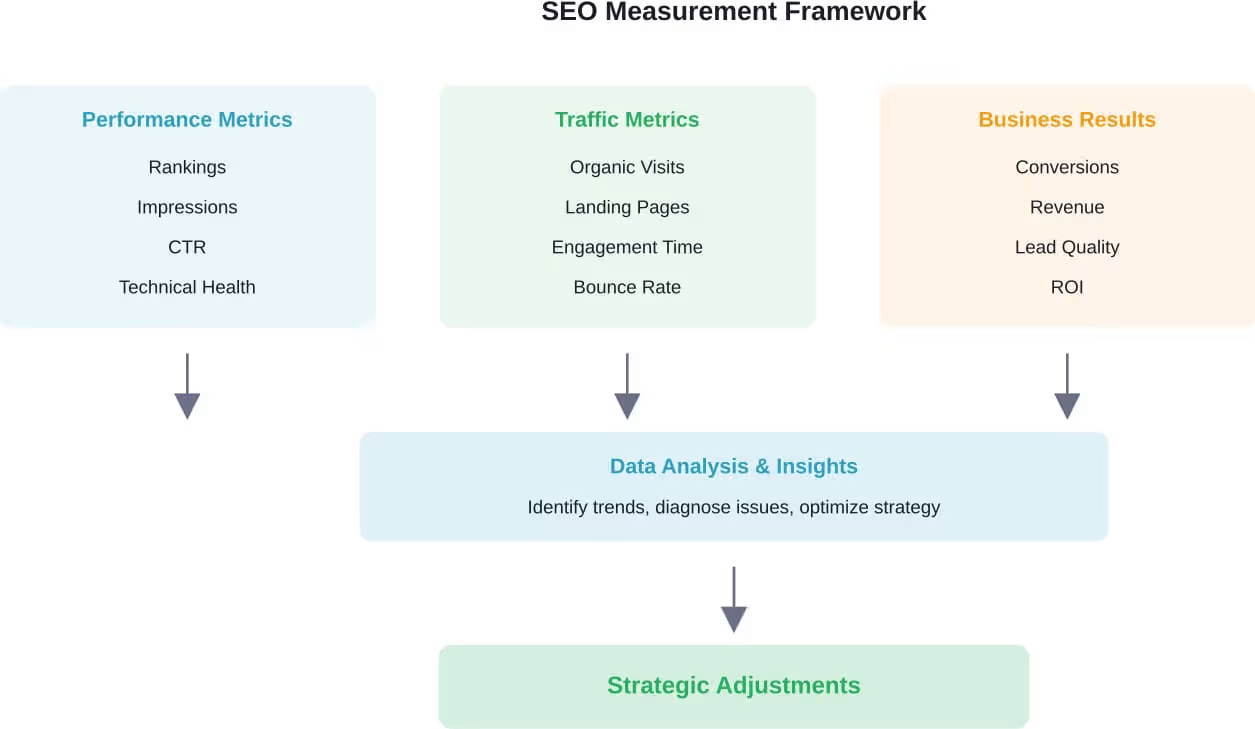
Setting Up Effective SEO Tracking
Proper tracking setup ensures accurate data collection and meaningful analysis. Follow these implementation steps.
Define Clear Goals and KPIs
Start with the end in mind. What business outcomes should SEO drive? According to Moz’s tracking guide, establishing goals before measurement prevents drowning in irrelevant data.
Align SEO KPIs with broader business objectives:
- E-commerce sites prioritize transaction value and conversion rate
- Lead generation businesses track form submissions and qualified leads
- Content publishers focus on pageviews, engagement time, and ad revenue
- SaaS companies measure trial signups and product activation
Document baseline metrics before optimization begins. This establishes benchmarks for measuring improvement.
Configure Analytics Properly
Accurate measurement requires correct tool configuration. Common setup mistakes include missing tracking codes, unfiltered bot traffic, and improper goal configuration.
Essential setup steps:
- Verify Search Console ownership for all site variations (www and non-www, HTTP and HTTPS)
- Connect Search Console to Analytics for unified reporting
- Configure Analytics goals for primary and secondary conversions
- Set up event tracking for engagement actions
- Implement UTM parameters for campaign tracking
- Create custom dashboards focused on SEO metrics
Establish Reporting Cadence
Regular reporting reveals trends that daily monitoring misses. Research indicates that a significant portion of institutional leaders want SEO reporting, but many do not receive regular updates.
Create reporting schedules appropriate to each metric:
- Weekly: Organic traffic trends, ranking changes for priority keywords
- Monthly: Comprehensive performance review, conversion analysis, backlink growth
- Quarterly: Strategic assessment, competitor comparison, ROI calculation
- Annual: Year-over-year performance, budget planning, strategy refinement
Automated reports save time but require human analysis to extract insights. Raw numbers don’t explain why changes occurred or what actions to take.
Analyzing and Interpreting SEO Data
Data collection means nothing without proper interpretation. These analysis techniques transform metrics into actionable intelligence.
Compare Across Time Periods
According to Google’s Performance report documentation, comparing data across different time periods reveals patterns and anomalies. Useful comparisons include:
- This week versus last week for recent changes
- This month versus last month for trend validation
- Year-over-year for seasonal pattern identification
- Last 24 hours versus previous 24 hours for immediate issue detection
Look beyond simple percentage changes. A 50% traffic increase sounds impressive until realizing it represents 10 additional visits from an extremely low baseline.
Segment by Dimensions
Aggregate data hides important details. Segment metrics by dimensions like:
- Landing page to identify top performers and underperformers
- Device type (mobile versus desktop) to spot optimization opportunities
- Geographic location for regional performance differences
- Query type (branded versus non-branded) to measure awareness versus discovery
- Search appearance (featured snippets, image results) to assess SERP feature capture
These segments often reveal that overall positive trends mask significant problems in specific areas.
Correlate Changes with Actions
Track major SEO activities alongside metric changes to identify cause-and-effect relationships. Did organic traffic increase after publishing cornerstone content? Did rankings improve following technical fixes?
Maintain an SEO activity log documenting:
- Content publication dates and topics
- Technical changes and deployments
- Link building campaigns and acquired links
- Algorithm updates and their timing
- Competitor activities and market changes
This historical context helps diagnose unexpected performance shifts and proves which tactics deliver results.
| Metric Category | Primary Tool | Update Frequency | Business Impact |
|---|---|---|---|
| Organic Traffic | Google Analytics | Real-time | Direct visibility indicator |
| Keyword Rankings | Specialized SEO platform | Daily | Competitive positioning |
| Click-Through Rate | Google Search Console | Daily (1-2 day delay) | SERP messaging effectiveness |
| Conversions | Google Analytics | Real-time | Revenue and lead generation |
| Backlinks | Specialized SEO platform | Weekly | Authority building progress |
| Core Web Vitals | Google Search Console | 28-day rolling average | User experience quality |
| Indexing Status | Google Search Console | Daily | Content discoverability |
Common Measurement Mistakes to Avoid
Even experienced practitioners fall into these measurement traps.
Obsessing Over Daily Fluctuations
Search rankings and traffic fluctuate naturally. Daily monitoring creates anxiety without providing actionable insights. Focus on weekly and monthly trends instead.
Tracking Irrelevant Keywords
Ranking #1 for keywords nobody searches wastes effort. Prioritize keywords with sufficient volume and commercial intent aligned with business offerings.
Ignoring Conversion Quality
High conversion volume means nothing if leads never close or customers immediately churn. Track downstream metrics like customer lifetime value and lead quality scores.
Attributing Everything to SEO
Traffic increases don’t always result from SEO. Seasonality, PR mentions, social media virality, and paid campaigns all drive organic-looking traffic. Correlation doesn’t prove causation.
Neglecting Mobile Performance
With mobile devices driving the majority of searches, desktop-only analysis misses critical performance issues. Always segment and analyze mobile metrics separately.
How Long Does SEO Measurement Take?
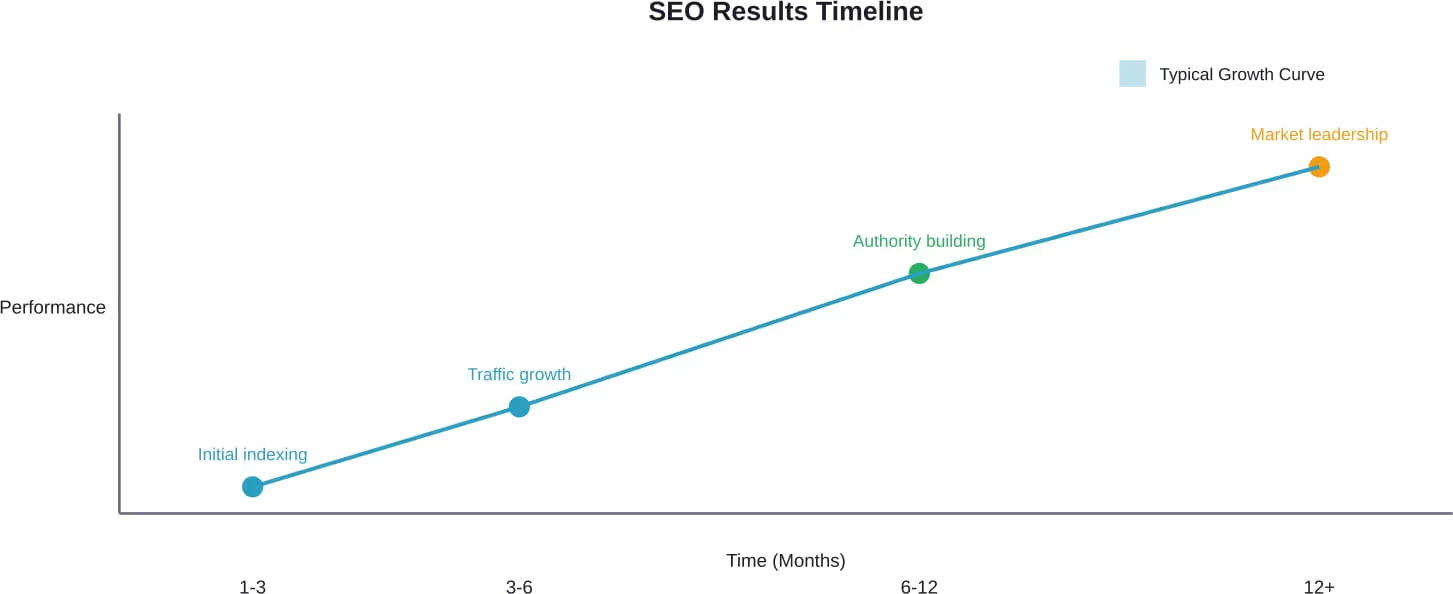
SEO operates on longer timelines than paid advertising. According to analysis of typical campaign progression, meaningful results require patience.
Expected timeframes include:
- 1-3 months: Initial indexing and minor ranking improvements for low-competition keywords
- 3-6 months: Noticeable traffic increases and page one rankings for moderate-competition terms
- 6-12 months: Significant authority building and rankings for competitive keywords
- 12+ months: Sustained growth and industry leadership positioning
However, these timelines assume consistent effort. Sporadic optimization delivers sporadic results.
That said, some changes produce faster feedback. Technical fixes that improve page speed or resolve indexing errors can impact rankings within weeks. Content updates targeting quick-win keywords sometimes rank within days.
Advanced Measurement Techniques
Beyond basic tracking, sophisticated approaches provide deeper insights.
Cohort Analysis
Group visitors by acquisition date to track how behavior evolves over time. Do users acquired six months ago engage differently than recent visitors? This reveals content aging and audience quality trends.
Multi-Touch Attribution
Customers rarely convert on first visit. Multi-touch attribution models track all touchpoints in the conversion journey, showing how organic search contributes alongside other channels.
Competitive Benchmarking
Measure performance against competitors rather than just historical baselines. Market share of search visibility reveals whether growth outpaces or lags industry trends.
Predictive Analytics
Machine learning models forecast future performance based on historical patterns. These predictions help set realistic goals and identify underperforming campaigns early.
Measuring SEO in the AI Search Era
Search evolves beyond traditional ten blue links. AI-powered features change how measurement works.
Google AI Overviews appear in a significant portion of search results. ChatGPT has hundreds of millions of weekly active users. These platforms can cite brands in AI-generated answers, creating new visibility opportunities.
According to recent analysis, generative engine optimization (GEO) requires tracking:
- Citations in AI-generated responses
- Visibility in featured snippets and knowledge panels
- Structured data implementation and enhancement
- Entity recognition and relationship building
Traditional metrics remain important, but supplementing them with AI visibility tracking provides a complete picture as search interfaces evolve.
Creating Actionable SEO Reports
Data becomes valuable when it drives decisions. Effective reports communicate insights clearly to diverse audiences.
Executive Reports
Leadership cares about business impact, not technical details. Focus reports on:
- Revenue and conversion trends
- Market share and competitive positioning
- ROI calculations and cost per acquisition
- Strategic recommendations with projected impact
Keep executive reports to one page with clear visualizations.
Tactical Reports
SEO teams need granular data for optimization decisions. Include:
- Page-level performance breakdowns
- Keyword ranking movements with search volume
- Technical issue identification and prioritization
- Content gap analysis
- Backlink acquisition and loss tracking
Stakeholder Reports
Content creators, developers, and marketing teams need context-specific insights. Tailor reports to show how their work impacts SEO and what they should prioritize.
| Report Audience | Key Metrics | Frequency | Format |
|---|---|---|---|
| Executive Leadership | Revenue, conversions, ROI, market share | Monthly or Quarterly | 1-page summary with charts |
| Marketing Team | Traffic, rankings, engagement, leads | Weekly or Monthly | Dashboard with trends |
| SEO Specialists | All metrics, technical health, opportunities | Daily monitoring, weekly analysis | Detailed spreadsheets and tools |
| Content Creators | Page performance, engagement time, conversions | Monthly | Top performers and improvements |
| Development Team | Core Web Vitals, crawl errors, indexing | As needed | Technical issue tickets |
Conclusion
Measuring SEO transforms optimization from guesswork into strategic execution. The metrics outlined here—organic traffic, keyword rankings, conversions, technical health, and backlinks—provide comprehensive visibility into campaign performance when tracked consistently.
Success requires more than collecting data. Proper tool configuration, regular analysis, and reporting tailored to specific audiences turn numbers into insights that drive better decisions.
Start with Google Search Console and Google Analytics as the foundation. Track metrics aligned with business goals rather than vanity numbers. Compare performance across time periods and segments to identify patterns. Document SEO activities to correlate actions with results.
Remember that SEO operates on longer timelines than paid channels. Meaningful results typically emerge after 3-6 months of consistent effort, with compounding returns over 12+ months. Monitor progress regularly but avoid overreacting to short-term fluctuations.
Ready to implement comprehensive SEO measurement? Configure Search Console and Analytics properly, establish baseline metrics, and create reporting schedules that keep stakeholders informed while driving continuous improvement.