


Quick Summary: Local link building is the strategic process of acquiring backlinks from geographically relevant websites to improve local search visibility. Research from Moz shows that links remain a significant ranking factor, with locally relevant backlinks strengthening your business’s authority within specific communities. Effective strategies include sponsoring local events, creating location-specific content, partnering with local organizations, and building relationships with regional media outlets.
Local businesses face a unique challenge when it comes to search visibility. While national brands can cast wide nets with their SEO efforts, regional companies need a more targeted approach.
That’s where local link building comes in. It’s the strategic process of acquiring backlinks from websites highly relevant to your specific geographical area, with the primary goal of enhancing online visibility and attracting more customers within the local community.
But does it actually matter? According to Stone Temple’s (now part of Perficient Digital) 2019 study examining 27,000 queries, which used Moz’s Link Explorer data, links continue to correlate strongly with ranking positions. The research demonstrates that while the search landscape evolves, the fundamental importance of quality backlinks hasn’t diminished.
Here’s the thing though—not all backlinks carry equal weight for local businesses. A link from a neighborhood news site or regional chamber of commerce often delivers more value than one from an unrelated national directory.
Why Geographic Relevance Matters for Backlinks
Local SEO backlinks differ from traditional link building in one critical way: geographic context matters more than sheer authority.
Search engines use backlinks alongside other signals to determine rankings for location-specific queries. When someone searches for “plumber near me” or “best coffee shop in Portland,” Google evaluates which businesses have strong connections to that geographic area.
Links from locally relevant sources send clear signals about where a business operates and serves customers. A bakery with backlinks from the local food blog, city event calendar, and neighborhood association demonstrates genuine community integration.
According to Moz’s correlation studies, links remain one of the most significant ranking factors alongside brand authority. Their 2021 correlation study found that links and brand continue to show strong correlation with SERP positions, even as Google’s algorithm grows more sophisticated.
The advantage for local businesses? Geographic relevance creates a natural filter. Instead of competing against every business in your industry nationwide, locally relevant backlinks help establish dominance within a specific service area.
Understanding Local Link Quality Over Quantity
How many local links does a business actually need? There’s no magic number.
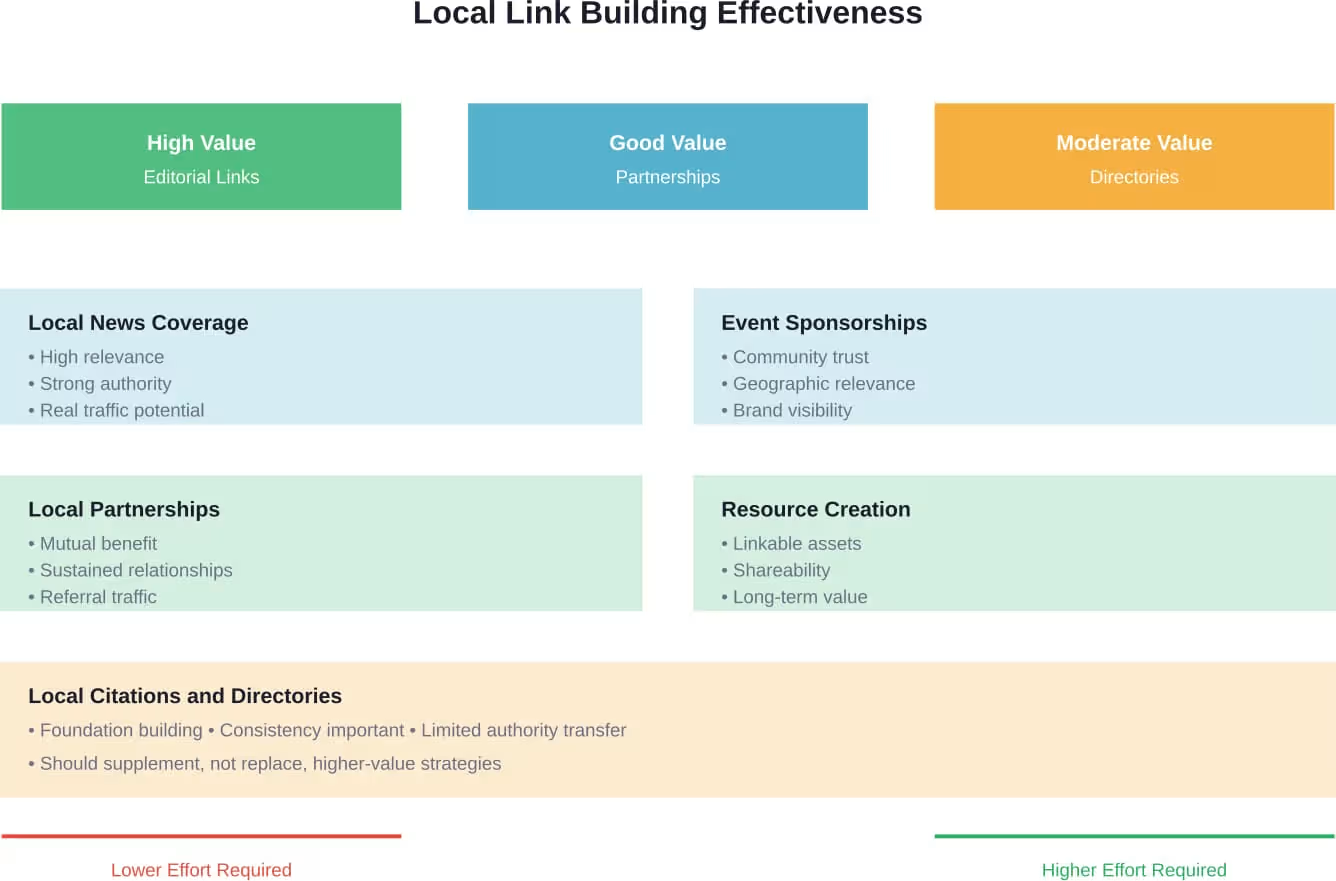
The research shows that quality trumps quantity consistently. One authoritative link from a city government website or established regional publication carries more weight than dozens of low-quality directory listings.
Link quality gets evaluated through several lenses:
- Relevance: Does the linking site serve the same geographic area?
- Authority: Is the source trusted and established within the community?
- Context: Does the link appear in meaningful content or just a list?
- Traffic potential: Could this link actually send customers to your business?
A single link from a popular local news story about your business event generates more value than being listed in fifty random directories. The news link brings relevance, authority, context, and real traffic—all four quality indicators working together.
This doesn’t mean directories have no place. But they shouldn’t form the foundation of a local link building strategy.
Get Local SEO and Link Building Support From Lengreo
Local link building usually works better when it is part of a wider SEO plan, not a separate tactic. Lengreo offers SEO services that include Local SEO, link building, keyword research, competitor analysis, website audits, and content planning. The company also positions itself as a broader B2B digital marketing partner, which can help when local search visibility needs to connect with lead generation and wider growth work.
Need Help With Local SEO and Link Building?
Lengreo can help with:
- Local SEO
- link building
- keyword research and competitor analysis
- website audits and optimizations
- content strategy and planning
👉 Contact Lengreo to discuss your local SEO goals and link building needs.
Local Citations vs. Backlinks: What’s the Difference?
Many people confuse local citations with backlinks. They’re related but distinct.
Citations are mentions of a business’s name, address, and phone number (NAP) on other websites. They may or may not include a clickable link. Common citation sources include Yelp, Yellow Pages, and industry-specific directories.
Backlinks are clickable hyperlinks that point from one website to another. All backlinks can be citations if they include NAP information, but not all citations are backlinks.
Both matter for local SEO, but they serve different purposes:
| Factor | Citations | Backlinks |
|---|---|---|
| Primary Purpose | Verify business location and contact info | Transfer authority and referral traffic |
| Link Required | No | Yes |
| Consistency Matters | Critical (NAP must match exactly) | Less critical |
| Best Sources | Directories, data aggregators | Editorial content, partnerships |
| Traffic Potential | Moderate | High |
Smart local businesses work on both simultaneously. Citations establish foundational presence, while backlinks build authority and drive traffic.
Strategic Local Link Research: Finding Opportunities
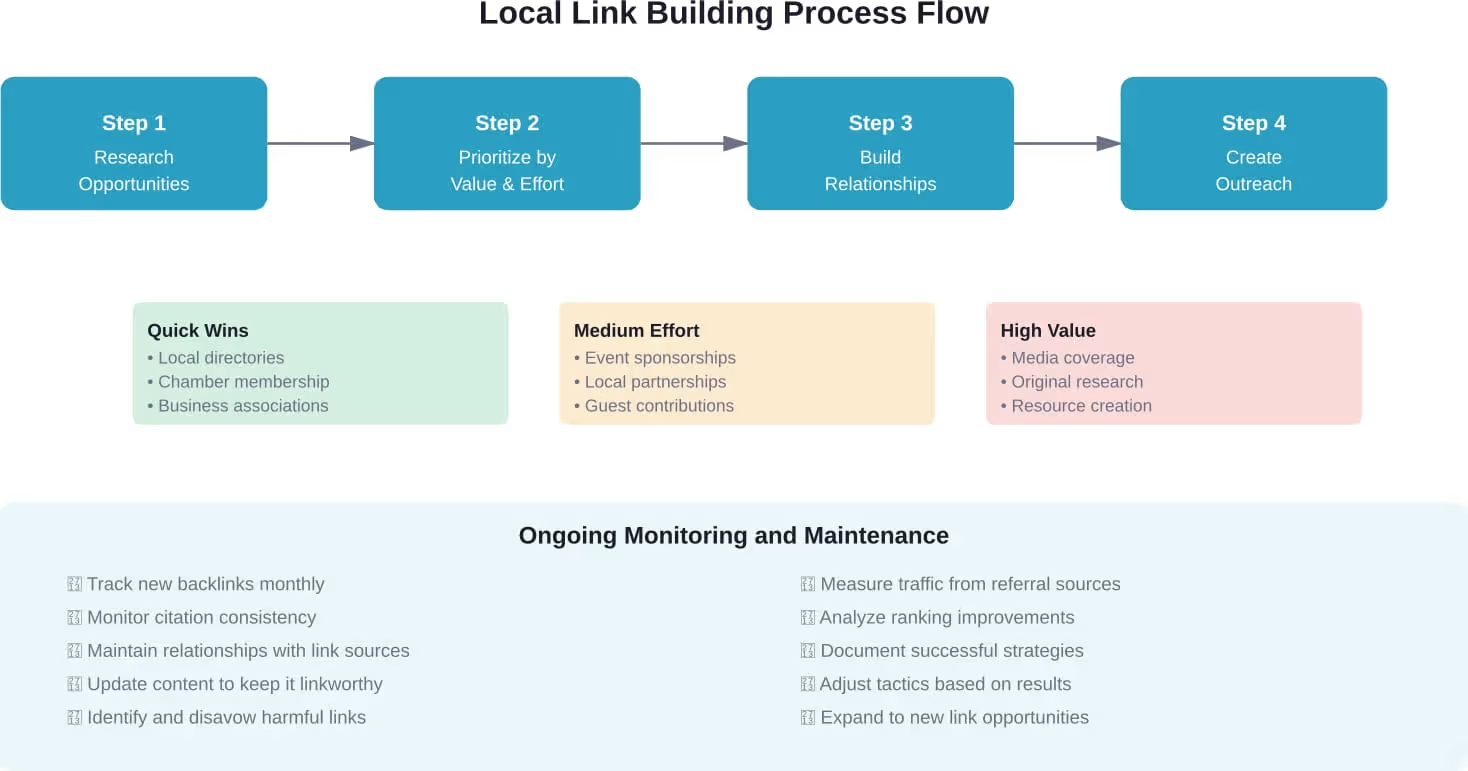
Before reaching out for links, identify where those opportunities actually exist in your local area.
Start by analyzing competitor backlink profiles. Tools like Moz’s Link Explorer can reveal which local sites link to competing businesses. If three competitors have links from the same local business association, that’s a clear signal to pursue membership or participation.
Look for patterns in successful local link profiles:
- Local news sites and regional publications
- Chamber of commerce and business associations
- Community event calendars
- Local resource pages (“best of” lists, directories)
- Educational institution pages (especially if you employ alumni)
- Nonprofit and charity organization websites
- Local government pages (business directories, permit listings)
- Neighborhood blogs and community forums
Create a spreadsheet tracking potential link sources. Include columns for domain authority, relevance score, contact information, and outreach status. This organized approach prevents duplicate efforts and helps measure which strategies yield results.
The most overlooked opportunities often hide in plain sight. That coffee shop down the street with a “local partners” page? The community center that lists sponsors? The high school that acknowledges scholarship donors? All potential link sources already connected to the local area.
Community Engagement Strategies That Build Links
The most effective local links come from genuine community involvement, not transactional outreach.
Sponsoring local events creates natural link opportunities. When a business sponsors a charity run, youth sports team, or community festival, organizers typically acknowledge sponsors on their websites with backlinks. These links carry geographic relevance, community trust, and often generate direct brand awareness.
But here’s where many businesses stumble—they sponsor once, get the link, and move on. Sustained community engagement builds relationships that yield ongoing link opportunities.
Event Sponsorship That Creates Links
Different sponsorship levels create different link opportunities:
- Title sponsorship: Premium link placement, often on homepage and event pages
- Category sponsorship: Links from specific event sections or activity pages
- In-kind sponsorship: Links from vendor or partner pages
Real talk: small businesses don’t need to break the bank. A local bakery providing free coffee for a 5K run might cost $200 but generates a backlink from the race website, social media mentions, and connections with other local sponsors.
Scholarship Programs
Creating a small local scholarship (even $500-1000) generates links from multiple sources:
- High school and college financial aid pages
- Local education foundations
- Community organization websites
- Regional scholarship databases
Educational institutions represent particularly valuable link sources due to their inherent authority and community standing.
Local Partnerships and Collaborations
Strategic partnerships with complementary local businesses create mutual link opportunities. A wedding photographer might partner with local venues, caterers, and florists—each linking to the others’ websites from “preferred vendor” pages.
These collaborative relationships work because they provide genuine value to customers while building local business networks.
Content-Based Local Link Acquisition
Creating content specifically designed to attract local backlinks represents a longer-term strategy with compounding returns.
Local Resource Pages and Guides
Comprehensive local guides naturally attract links from community members, organizations, and other businesses. Examples include:
- “Complete Guide to [City] Parks and Recreation”
- “Directory of [City] Nonprofit Organizations”
- “History of [Neighborhood] Architecture”
- “Seasonal Events Calendar for [Region]”
These resources serve genuine community needs while positioning the business as a local authority. When other organizations reference these guides, they link back naturally.
Original Local Research and Data
Publishing original research about the local area creates highly linkable assets. A real estate company might survey residents about neighborhood satisfaction. A restaurant could compile data on local dining trends. A fitness center might track participation in community wellness programs.
Original data attracts links because other content creators need sources to cite. Local journalists, bloggers, and organizations all search for credible local statistics to support their own content.
Expert Roundups Featuring Local Voices
Creating content that features other local experts generates links when those experts share the finished piece. Interview local business owners about industry trends. Ask community leaders to contribute insights. Feature local artists, chefs, or craftspeople.
Each contributor becomes a link opportunity when they share the content with their own audiences and link from their own websites.
Media Relations for Local Link Building
Local and regional media outlets represent some of the highest-value link sources available.
News sites typically have strong domain authority, clear geographic relevance, and they generate significant referral traffic. Getting featured in local media requires understanding what makes a story newsworthy.
Newsworthy Angles for Local Businesses
Journalists need stories, not advertisements. Frame business activities as news:
- Community impact: Charity work, local hiring initiatives, sustainability efforts
- Innovation: New services addressing community needs
- Local expertise: Commentary on industry trends affecting the region
- Milestone achievements: Anniversaries, expansions, awards
- Data and trends: Original research about local markets
A restaurant opening doesn’t make news. But a restaurant sourcing 100% of ingredients from farms within 30 miles? That’s a story about local agriculture, sustainability, and community economics.
Building Journalist Relationships
Effective media relations happen before needing coverage. Follow local reporters on social media. Comment thoughtfully on their articles. Offer expertise when they’re researching stories in your industry—even if it doesn’t directly benefit your business.
When journalists recognize a business owner as a reliable source, they reach out for quotes and commentary. Those mentions often include backlinks to the business website.
Press Release Distribution
Press releases work best when distributed through local channels rather than national wire services. Send releases directly to:
- Local newspaper editors and reporters
- Community news websites
- Regional business journals
- Neighborhood newsletters and blogs
- Industry-specific local publications
Include a direct contact for follow-up questions and make multimedia assets available (photos, videos, graphics) that make stories easier to publish.
Leveraging Local Organizations and Associations
Membership in local organizations creates straightforward link opportunities with built-in relevance.
Chamber of commerce memberships typically include a link from the member directory. Business improvement districts often list participating companies. Industry-specific local associations maintain member websites with backlinks.
But membership alone isn’t enough. Active participation multiplies link opportunities:
- Serving on committees gets listed on committee pages
- Speaking at events generates speaker bio links
- Contributing to newsletters creates byline links
- Hosting meetings earns links from event announcements
A business that simply pays dues gets one directory link. A business that actively participates might gain five or six links from various pages throughout the organization’s website.
| Organization Type | Link Potential | Additional Benefits |
|---|---|---|
| Chamber of Commerce | High | Networking, credibility, referrals |
| Industry Associations | High | Education, advocacy, partnerships |
| Rotary/Lions/Civic Groups | Moderate | Community connections, visibility |
| Business Improvement Districts | Moderate | Local promotion, event participation |
| Alumni Associations | Moderate | Talent recruitment, credibility |
Local Directory and Citation Management
While not the highest-value links, local directories and citations form an essential foundation.
Start with major data aggregators that feed information to other platforms. Accurate listings on these sites cascade to dozens of other directories:
- Google Business Profile
- Yelp
- Apple Maps
- Bing Places
Then expand to industry-specific directories relevant to your business type. A restaurant should appear in dining directories. A contractor needs presence in home service platforms. A retailer benefits from shopping directories.
Consistency matters more than volume. Ensure that business name, address, and phone number match exactly across all listings. Inconsistent NAP information confuses search engines and weakens the authority signal from citations.
Local Business Schema Markup
While schema markup isn’t a direct link, it reinforces the connection between business information across the web. Implement LocalBusiness schema on the website, including:
- Business name and type
- Complete address
- Phone number
- Operating hours
- Geographic service area
This structured data helps search engines connect citations and backlinks to the correct business entity.
Outreach Tactics That Generate Results
Once opportunities are identified, effective outreach converts them into actual backlinks.
Personalized Email Outreach
Generic outreach emails get deleted. Effective outreach demonstrates familiarity with the recipient and offers clear value.
Strong outreach emails include:
- Specific reference to their website or content
- Clear explanation of mutual benefit
- Easy next steps
- Local context that builds connection
Instead of “I’d like a link from your site,” try “I noticed your article about downtown parking challenges. Our business is sponsoring a new bike-share station next month that might interest your readers—would you consider mentioning it?”
In-Person Networking
Local link building benefits from face-to-face relationship building. Attending community events, business networking groups, and local conferences creates opportunities to build relationships that lead to backlinks.
When someone knows the business owner personally, they’re more likely to link, share, and collaborate.
Value-First Approach
The most effective outreach offers value before asking for anything. Share someone’s content. Make an introduction. Offer expertise. Provide a testimonial. Support their cause.
After establishing goodwill, link requests become natural extensions of existing relationships rather than cold asks.
Advanced Local Link Building Tactics
Once foundational strategies are in place, more sophisticated tactics can accelerate results.
Reclaiming Unlinked Brand Mentions
Businesses often get mentioned online without receiving a backlink. Local news articles, blog posts, and social media discussions might reference a business by name but not link to its website.
Tools can monitor brand mentions across the web. When an unlinked mention appears, reach out politely asking if they’d add a link for reader convenience. Many sites will add the link since they’ve already endorsed the business by mentioning it.
Broken Link Building with Local Focus
Local websites sometimes link to businesses that have closed or changed URLs. These broken links create opportunities.
Find local resource pages with broken links pointing to defunct businesses. Reach out to the site owner, alert them to the broken link, and suggest your business as a replacement if relevant.
This tactic works because it helps the website owner maintain a quality site while gaining a link for your business.
Creating Local Tools and Calculators
Interactive tools generate ongoing links as people discover and reference them. Examples for local businesses:
- Real estate agents: neighborhood comparison tool, mortgage calculator
- Contractors: project cost estimator, material calculator
- Financial advisors: retirement calculator, budget planner
- Fitness businesses: calorie calculator, workout planner
These tools attract links from local blogs, news sites, and community resources looking to provide value to their audiences.
Hosting Local Meetups and Workshops
Regular educational events position businesses as community hubs while generating recurring link opportunities. Each event creates potential links from:
- Event listing sites and calendars
- Attendee blogs and social shares
- Co-hosting organization websites
- Local news event announcements
A monthly workshop series generates new link opportunities twelve times per year, compounding over time.
Link Building Practices to Avoid
Not all link building tactics deliver positive results. Some can actively harm local search performance.
Low-Quality Link Schemes
Avoid these practices that violate search engine guidelines:
- Buying links from link farms or brokers
- Participating in excessive link exchanges
- Using automated link building tools
- Posting spammy comments with links
- Creating fake profiles or business listings
These tactics might generate quick links, but search engines identify and devalue them. Worse, they can trigger penalties that tank rankings.
Irrelevant Link Building
For local businesses, relevance matters more than raw link count. A link from a national blog about unrelated topics provides minimal value compared to one from a local source.
Focus outreach efforts on geographically or topically relevant sites rather than pursuing any link possible.
Inconsistent NAP Information
When building citations and directory links, ensure business information matches exactly across all platforms. Inconsistencies confuse search engines and dilute the authority signal from each citation.
If the website lists “123 Main Street,” don’t use “123 Main St.” in directories. If the phone number includes extensions, use them consistently everywhere.
Measuring Local Link Building Success
Effective measurement requires tracking both links acquired and business outcomes.
Key Metrics to Monitor
Track these indicators to evaluate link building performance:
| Metric | What It Shows | Target Trend |
|---|---|---|
| Total Referring Domains | Number of unique sites linking to you | Steady increase |
| Local Links | Backlinks from geographically relevant sources | Growing percentage |
| Domain Authority | Overall site authority (Moz metric) | Gradual improvement |
| Referral Traffic | Visitors arriving from backlinks | Increasing visits |
| Local Rankings | Position for local search terms | Rising positions |
| Branded Searches | People searching for business by name | Growing volume |
Attribution and ROI
Connect link building efforts to business outcomes. Track which backlinks generate the most referral traffic and whether that traffic converts to customers.
A link that drives 100 visitors who never convert delivers less value than one bringing 10 highly qualified leads who become customers.
Use UTM parameters on links when possible to track traffic sources precisely in analytics platforms.
Competitive Benchmarking
Compare link profiles against local competitors. If competitors have twice as many local backlinks, that gap represents opportunity.
Analyze which sites link to multiple competitors but not to your business—those represent prime outreach targets.
Adapting to AI and Evolving Search
Search behavior evolves continuously, with AI-driven search and large language models changing how people discover local businesses.
Voice search and conversational AI increasingly answer queries directly rather than presenting traditional search results. This shift doesn’t diminish the importance of backlinks, but it changes their context.
Strong backlink profiles still signal authority and trustworthiness—qualities that matter whether search engines present traditional results or AI-generated answers. When AI systems evaluate which businesses to recommend, link signals contribute to those decisions.
The fundamental principle remains constant: build genuine connections within local communities, both online and offline. Those connections generate backlinks naturally while creating business value beyond search rankings.
Building a Sustainable Local Link Strategy
Effective local link building requires consistent effort over time, not one-time campaigns.
Create a quarterly link building plan that includes:
- Monthly outreach to 10-15 potential link sources
- Quarterly content creation (guides, research, tools)
- Ongoing participation in 2-3 local organizations
- Annual event sponsorships or community initiatives
- Weekly monitoring of new mentions and link opportunities
Consistent small efforts compound into significant results over months and years.
Allocating Resources
For businesses with limited marketing budgets, local link building offers favorable ROI compared to paid advertising. Time investment matters more than financial expenditure.
A business owner spending two hours weekly on link building activities—attending one networking event, sending five outreach emails, creating one piece of content monthly—can generate meaningful results within 3-6 months.
When to Consider Professional Help
Some businesses benefit from hiring local SEO specialists or agencies, particularly when:
- Internal staff lacks time for consistent effort
- Competition in the local market is intense
- Previous DIY efforts haven’t generated results
- The business operates in multiple locations
Professional help accelerates results but requires vetting to ensure providers use ethical, sustainable tactics rather than risky shortcuts.
Real-World Implementation Timeline
What does realistic local link building progress look like?
- Month 1-2: Foundation building. Claim and optimize all major business listings. Join local chamber and relevant associations. Set up monitoring for brand mentions and competitor backlinks. Create initial list of 50 potential link sources.
- Month 3-4: Content creation and initial outreach. Publish first local resource guide or research piece. Begin personalized outreach to highest-priority targets. Sponsor first local event or organization. Start attending one networking event monthly.
- Month 5-6: Relationship nurturing and expansion. Follow up with initial outreach targets. Create second piece of linkable content. Engage with local media about potential story angles. Identify and reclaim unlinked mentions.
- Month 7-12: Scaling and optimization. Analyze which tactics generated best links. Double down on successful strategies. Expand content creation. Deepen relationships with key link sources. Begin seeing measurable ranking improvements.
This timeline assumes consistent effort. Sporadic attention produces sporadic results.
Conclusion: Building Local Authority Through Strategic Links
Local link building remains one of the most effective ways to improve search visibility and attract customers within specific geographic areas. Research from Moz consistently demonstrates the continued importance of links as a ranking factor, even as search algorithms evolve.
The businesses that succeed with local link building share common characteristics: they focus on genuine community engagement rather than transactional link exchanges, they create content and resources that serve real needs, and they maintain consistent effort over time.
Start with foundational tactics like optimizing business listings and joining local organizations. Build from there with content creation, event participation, and media relations. Track results, double down on successful strategies, and maintain the relationships that generate ongoing link opportunities.
Local link building isn’t a quick fix—it’s an investment in long-term search visibility and community presence. But for businesses committed to serving specific geographic areas, few marketing strategies deliver comparable returns.
Ready to strengthen your local search presence? Start by identifying five local organizations or publications that align with your business values. Reach out this week with offers of genuine value—expertise, sponsorship, or collaboration. Those initial conversations can become the foundation of a link building strategy that drives customers for years to come.