

Event marketing isn’t just about filling seats or sending invites. It’s about creating the kind of experience people want to be part of and talk about afterward. Whether you’re planning a niche industry meetup or a global hybrid summit, your strategy can’t rely on guesswork. You need structure, timing, and the right kind of creative energy to cut through the noise.
In this article, we’ll dig into the strategies that top teams use to drive results – not just in clicks or signups, but in real engagement and lasting brand value. No fluff, no outdated advice. Just a clear direction that works in today’s noisy world.
What Is Event Marketing and Why It’s Not Just About Filling Seats
Event marketing is exactly what it sounds like – using an event as a vehicle to promote your brand, product, or service. But the best event marketing doesn’t feel like a pitch. It feels like an experience people want to be part of.
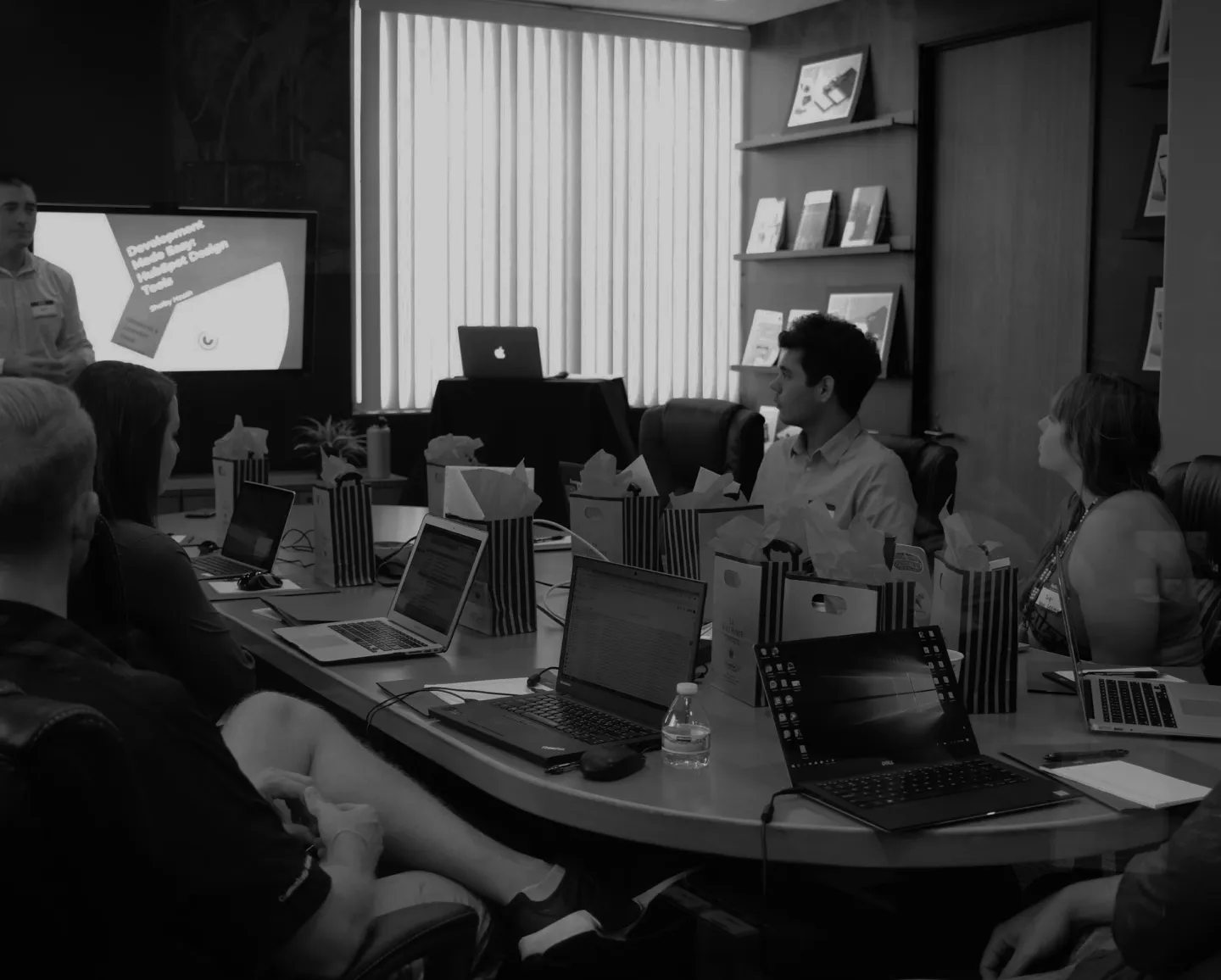
It could be a conference, webinar, trade show, product launch, workshop, or even something hybrid or virtual. What makes it different from traditional marketing is the level of real-time interaction. You’re not just sending messages out and hoping they land – you’re creating a space where people show up, engage, ask questions, and form actual connections with your brand.
In short, event marketing is less about blasting ads and more about creating moments that stick – moments that turn passive audiences into active participants. And when done right, those participants become advocates.
How We Help Brands Execute Event Marketing That Performs
At Lengreo, we don’t believe in one-size-fits-all marketing. Every event, like every business, has its own set of challenges and goals. That’s why we build marketing strategies around what actually drives performance – not around templates. Whether you’re launching a new product, generating qualified B2B leads, or growing a niche audience through industry events, we’re here to help connect the dots between strategy and execution.
We don’t just run campaigns from the outside. We take ownership of your outcomes – from lead generation and SEO visibility to paid outreach and landing page design. For events specifically, we’ve helped clients in industries like SaaS, biotech, and cyber security with lead generation and outreach to build pipelines..
The way we see it, marketing an event shouldn’t be about checking boxes. It should feel like momentum – with the right message, to the right people, at the right time. That’s where we come in.
Effective Event Marketing Strategies You Can Count On
Great events don’t just happen. Whether you’re running a B2B summit, launching a product, or hosting a community meetup, success comes down to execution, and behind that execution is strategy. Below are the most effective event marketing strategies that leading teams rely on to drive results. Each one tackles a different part of the journey, from planning and promotion to post-event engagement.

№ 1. Start with Why: Build Strategy Around Purpose, Not Just Attendance
Before you even pick a venue or design a landing page, stop and ask: what’s the actual business goal behind this event?
Too often, teams jump into execution mode without a clear purpose. A packed room might feel like success, but if it doesn’t move the needle for your brand, it’s just noise.
Think about whether your event is designed to:
- Generate qualified leads?
- Strengthen relationships with existing clients?
- Launch a new product?
- Build awareness in a specific market?
- Position your brand as a thought leader?
Once the “why” is clear, the rest of the strategy gets sharper. The type of content you create, the channels you invest in, even your speaker lineup – all of it should trace back to that core goal.
№ 2. Use Audience Insight as Your North Star
You can’t market to “everyone.” Not well, anyway.
Strong event marketing is hyper-targeted. It starts with detailed audience personas built from more than just demographics. The best event marketers know what their audience cares about and what triggers them to register, show up, and engage.
If your audience is CTOs at mid-sized SaaS companies, your messaging, visuals, and even event timing should reflect how they work and make decisions. If you’re reaching Gen Z creators, your content needs a different tone, platform mix, and energy altogether.
No template here – just focused, relevant outreach that feels tailored, because it is.
№ 3. Treat Your Event Timeline Like a Campaign, Not a Date
Think of your event like a story arc. There’s a beginning, middle, and end, and each part needs its own strategy.
Pre-Launch
This is where you start planting seeds. Teasers, “save the date” posts, behind-the-scenes shots, or early access sign-ups. The goal here isn’t just awareness, it’s momentum.
Launch and Registration Open
Once the event is official, shift into awareness and conversion. Paid ads, influencer collabs, speaker announcements, early-bird pricing – it’s your attention-grabbing window.
Campaign Mid-Point
This is where campaigns often fade. Keep engagement alive with countdown content, attendee spotlights, community shoutouts, or live Q&As. Keep showing people why it’s worth their time.
Final Push
A week out, urgency kicks in. Scarcity messaging, final speaker reveals, special offers – whatever moves fence-sitters to act.
Post-Event
Follow-ups, recap videos, thank-yous, feedback forms, and shareable moments keep the experience going. This is also your setup for the next event or upsell opportunity.
№ 4. Make Your Event Website (or Page) Actually Work
Your event website isn’t just a digital flyer. It’s the place where discovery turns into a decision.
A high-performing event landing page should:
- Load fast and look great on mobile.
- Clearly explain what the event is and why it matters.
- Include testimonials or social proof (if you’ve done it before).
- Offer simple, distraction-free registration.
- Use visual hierarchy to guide users to the CTA.
Good UX here isn’t optional. If people have to work to figure out how to sign up, they won’t. And don’t forget SEO – optimize your page with search intent in mind to catch people actively looking for events like yours.
№ 5. Let Content Carry the Conversation (Before, During, After)
You can’t rely on a single post or email blast to drive engagement. Content is the thread that connects every touchpoint of your event.
Types of content that pull weight:
- Speaker interviews (short clips or written).
- Behind-the-scenes footage (show the human side).
- Event trailers or teaser reels.
- Countdown visuals for social stories.
- LinkedIn carousels for insights and stats.
- Recap reels and highlight quotes post-event.
Content doesn’t just promote – it positions your event as something valuable and memorable, not just another webinar or conference.
№ 6. Go Hybrid with Intention, Not Just a Live Stream
Hybrid events aren’t just a leftover from the pandemic years – they’ve become a smart way to expand your audience when handled properly. But treating them as a simple live stream doesn’t cut it. Your remote attendees won’t feel connected if all they see is a static feed of a speaker on stage. Instead, you need to think of the virtual and in-person experiences as two separate tracks that just happen to run in parallel.
That means giving your remote audience something more than just a view. Think live chat support, interactive tools like real-time polls or virtual breakout rooms, and a host who speaks directly to them. These details help create a sense of inclusion, rather than leaving them on the sidelines.
And if you want to make the experience even more memorable? Consider mailing a pre-event kit or some branded swag to your virtual attendees. It’s a small touch, but it turns a passive viewing into something more tactile and engaging. When hybrid events are done with care, they don’t just reach more people – they hold their attention too.
№ 7. Get Smart with Paid Channels Without Burning Budget
Paid media can be your best friend – or a black hole for cash – depending on how you use it.
Effective paid strategies include:
- LinkedIn Ads with job title targeting for B2B audiences.
- Retargeting campaigns for page visitors who didn’t register.
- Lookalike audiences based on past event attendees.
- YouTube pre-rolls if you’re promoting content-rich experiences.
But here’s the catch: the creative matters just as much as the targeting. A bland banner won’t stop anyone from scrolling. Use motion, storytelling, or humor to earn that split second of attention.

№ 8. Make Social Media a Two-Way Street, Not a Megaphone
Event marketers often treat social media like a broadcast channel. It’s not. It’s a community-building tool, and your best friend for organic reach if you do it right.
Try creating a unique, searchable event hashtag, featuring speakers or partners in shared posts, and sharing “attendee spotlight” posts to make people feel seen.
And don’t underestimate post-event buzz. Share photos, attendee quotes, best-of clips, and keep the conversation alive even after the lights go down.
№ 9. Don’t Sleep on Email (Still One of the Best Tools)
Even with all the new platforms, email remains a core driver of attendance and engagement – when done right.
A simple but powerful email sequence could look like:
- Welcome email + calendar invite.
- “What to expect” overview.
- Speaker or session spotlight.
- Pre-event checklist or resource pack.
- Reminder email (24 hours before).
- Thank-you + feedback survey.
- Replay or session recordings email.
Make sure emails are personalized, skimmable, and mobile-friendly. Bonus points if you segment your list by interest or past behavior for more targeted messaging.
№ 10. Design for Memory, Not Just Information
The best events don’t just inform – they leave a mark.
Whether it’s with immersive experiences (like AR booths, sensory rooms, or interactive walls), live entertainment, or simply great design and flow, the more you can tap into emotion and surprise, the more likely people are to talk about it later.
It doesn’t have to be big-budget. A clever icebreaker, thoughtful swag, or creative food station can do the trick if it fits the brand and audience.
Think of it like this: how can you make the experience shareable, not just attendable?
№ 11. Make Post-Event Engagement More Than a Survey
Too many brands go silent after the event’s over. That’s a mistake.
Your event is just the start of the relationship. Post-event, consider:
- Exclusive offers or early invites to your next event.
- Access to bonus content or recordings.
- Networking opportunities with other attendees.
- Personalized thank-you notes (automated or not).
- Showcasing attendee content or feedback publicly.
Also: don’t just gather feedback – act on it. Then tell people you did. It builds trust and makes people more likely to return.
Final Thought: Strategy Wins, Not Just Tactics
It’s easy to get swept up in the shiny stuff – new tools, big venues, viral content hopes. But what really makes events successful? Strategy, alignment, and execution.
The best event marketers think like campaign strategists, creative producers, and relationship builders – all at once.
So the next time you’re planning an event, don’t just ask “how do we promote it?” Ask “why will this matter to our audience, and what will they remember when it’s over?”
That’s where real results start.